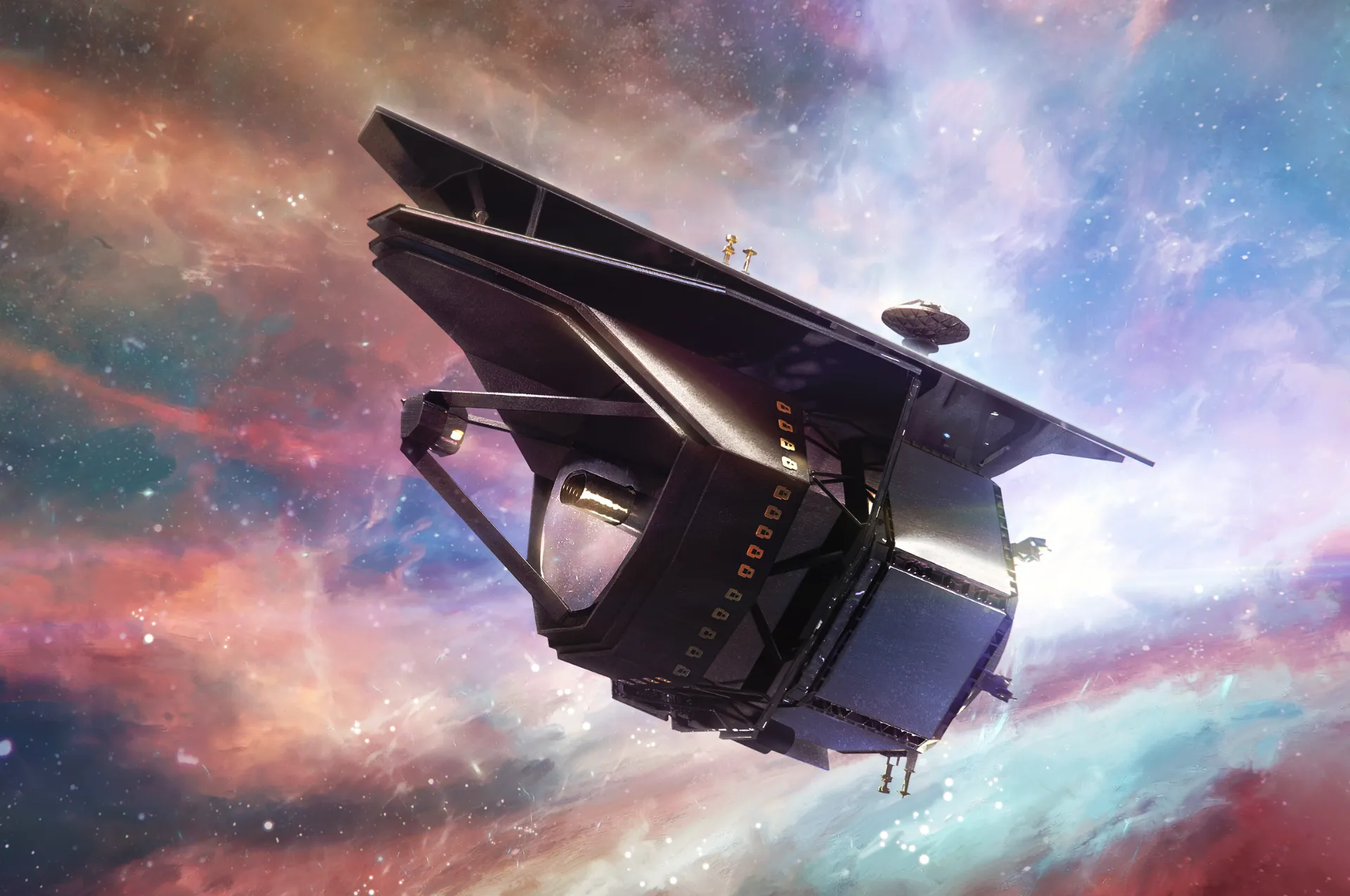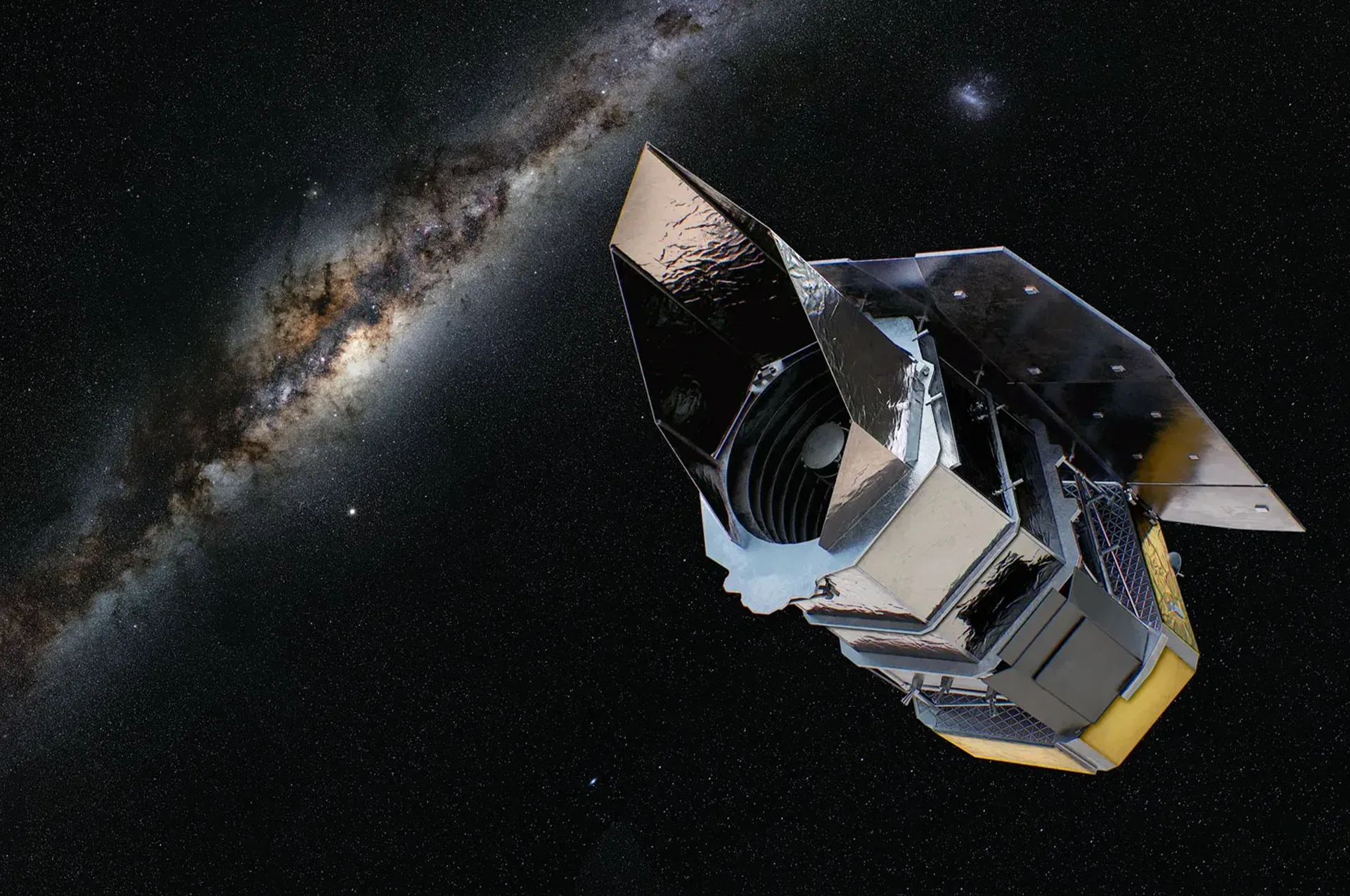
NASA’s Nancy Grace Roman Space Telescope has officially begun its journey to study some of the biggest mysteries in the universe. NASA launched the Roman Space Telescope on August 30, 2026, aboard a SpaceX Falcon Heavy from Kennedy Space Center in Florida. The observatory is now traveling toward the second Sun-Earth Lagrange point, known as L2, about 1 million miles (1.5 million kilometers) from Earth.
Built to survey enormous areas of the sky while maintaining sharp infrared vision, Roman will investigate dark energy, dark matter, exoplanets, galaxies, black holes, and much more. Its combination of a wide field of view and detailed imaging could allow astronomers to study the universe on a scale that previous space telescopes could not.
Here are nine things that make NASA’s newly launched Roman Space Telescope special.
1. Who Is the Roman Space Telescope Named After?
Credit : NASA
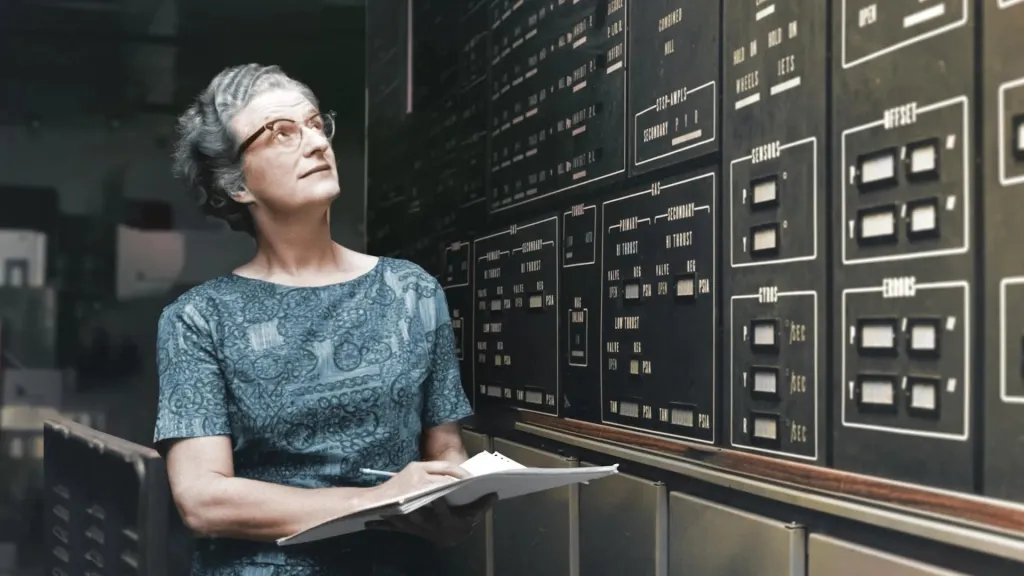
The Roman Space Telescope is named after Dr. Nancy Grace Roman, NASA’s first chief astronomer. She strongly supported the development of space-based observatories and helped establish the foundation for NASA’s Great Observatories program.
She is also widely associated with the development of the Hubble Space Telescope. Naming this new observatory after her recognizes her important role in making space astronomy a major part of NASA’s scientific work.
2. Roman Has a Field of View 100 Times Larger Than Hubble’s
Credit: NASA
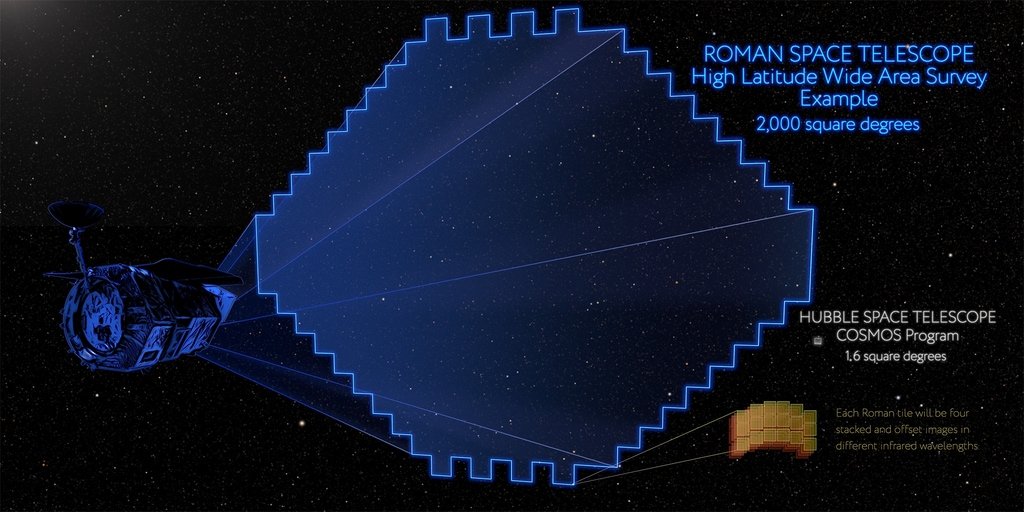
One of Roman’s biggest advantages is its enormous field of view. Its Wide Field Instrument can capture an area of sky at least 100 times larger than Hubble’s while maintaining similar image sharpness.
That means astronomers can survey huge sections of the universe in far fewer observations. Instead of studying one small cosmic target at a time, Roman can create enormous maps containing millions or even billions of objects.
3. Roman Will Study Dark Energy and Dark Matter
Credit: NASA
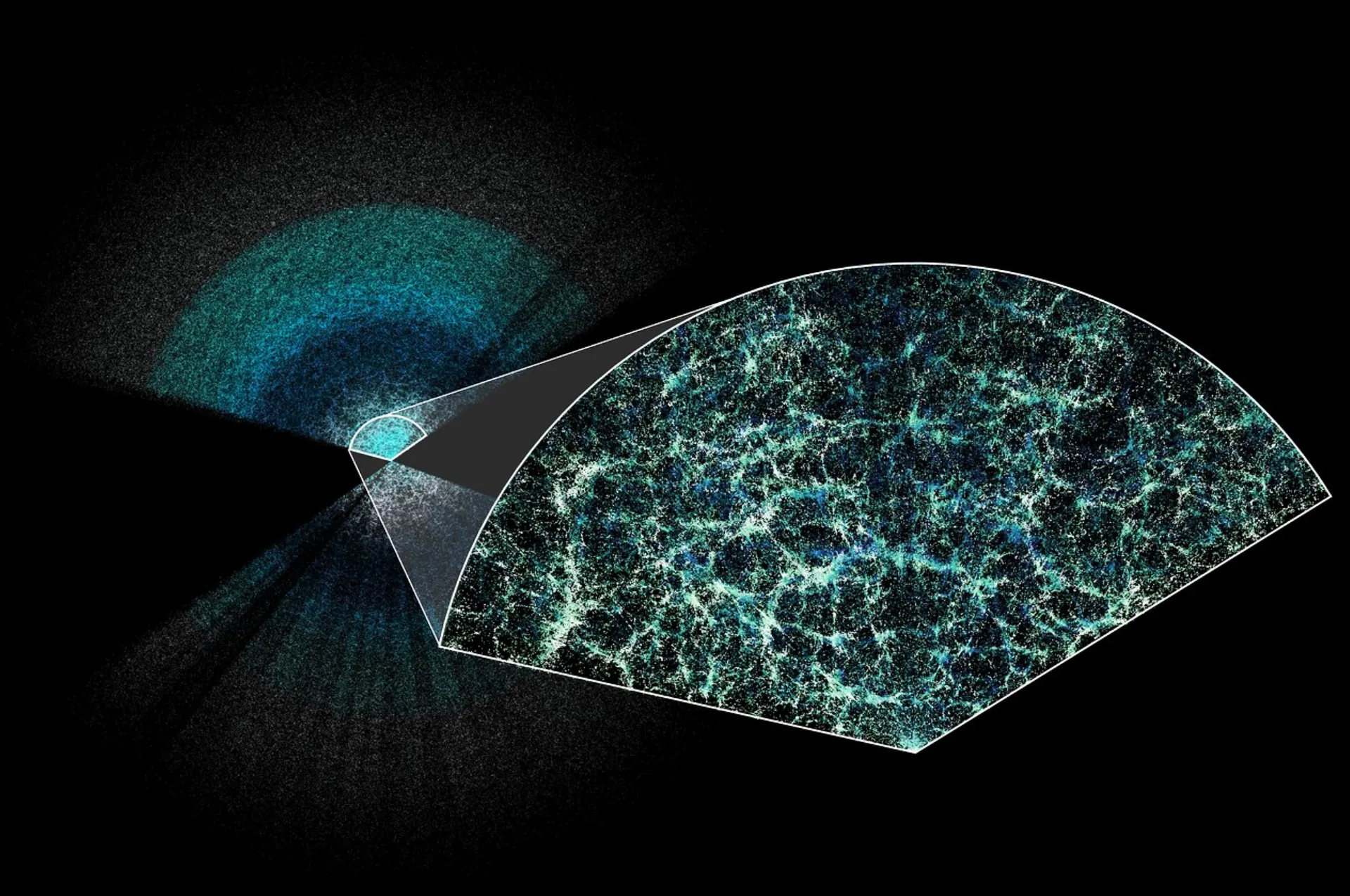
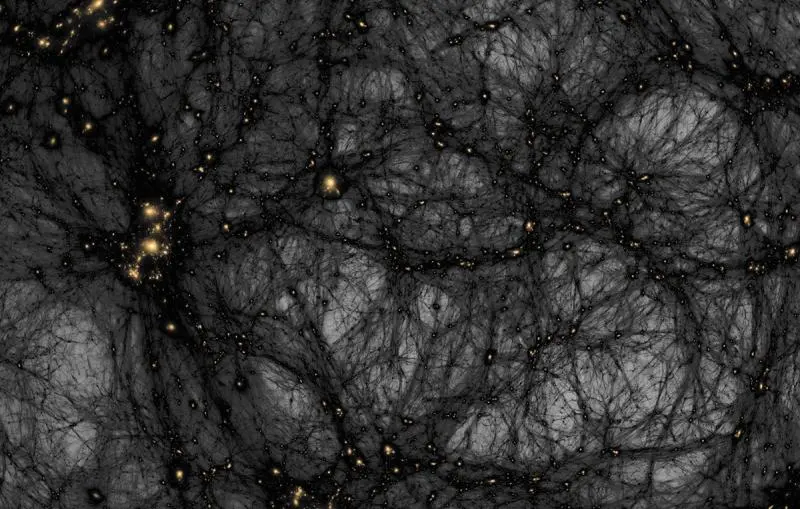
Most of the universe is made of things we cannot directly see. Dark matter appears to provide extra gravity that helps shape galaxies, while dark energy is linked to the accelerating expansion of the universe.
Roman will survey enormous numbers of galaxies and other cosmic objects. These observations could help scientists better understand how the universe has changed over billions of years and why its expansion is speeding up.
4. Where Is the Roman Space Telescope Going? L2 Explained
Credit: NASA
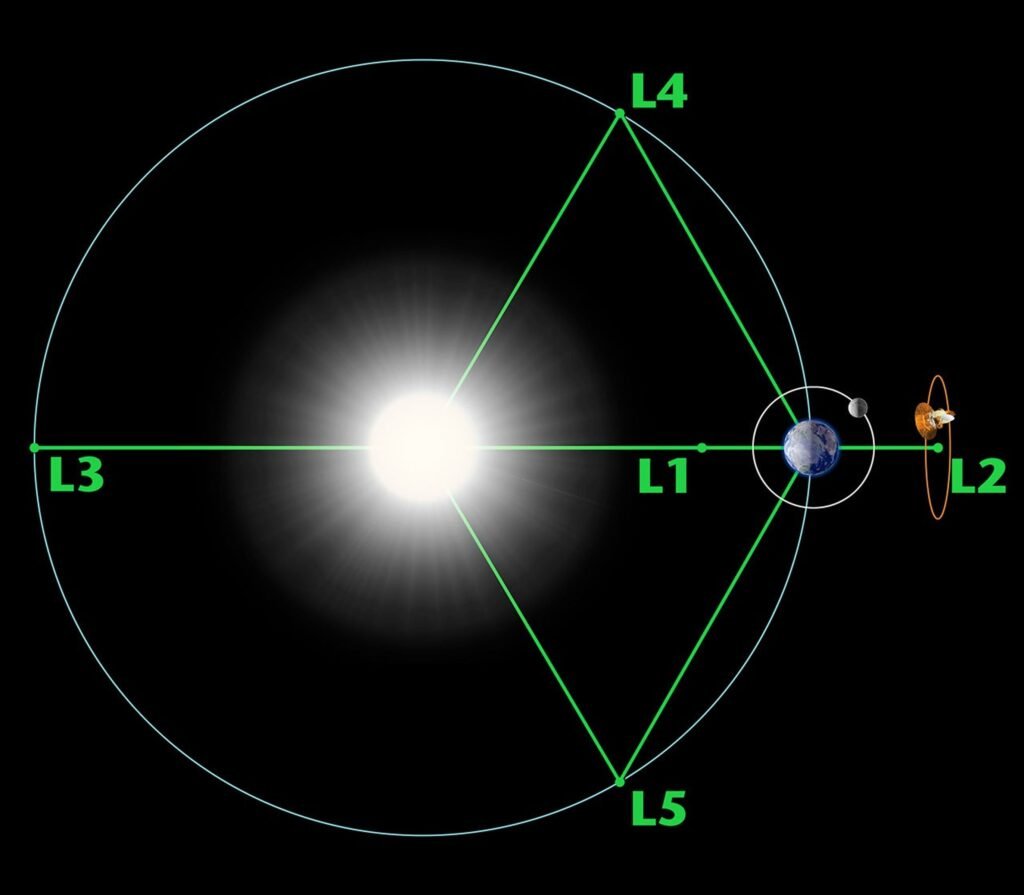
After launch, Roman began a roughly three-month journey toward the second Sun-Earth Lagrange point, or L2, about 1 million miles from Earth.
At L2, the combined gravitational effects of the Sun and Earth help spacecraft maintain a stable path while using relatively little fuel. NASA’s James Webb Space Telescope also operates around this region, although Roman and Webb will follow separate orbits around L2.
5. More Than 1.3 Million Names Are Traveling With Roman
Credit : NASA
The mission also carries a small piece of humanity with it. More than 1.3 million people submitted their names to be included on a memory card attached to the spacecraft.
Those names are now traveling with Roman toward L2. It is a simple but memorable way for people around the world to become part of a mission exploring the distant universe.
6. Roman Can Survey the Sky 1,000 Times Faster Than Hubble
Credit : NASA
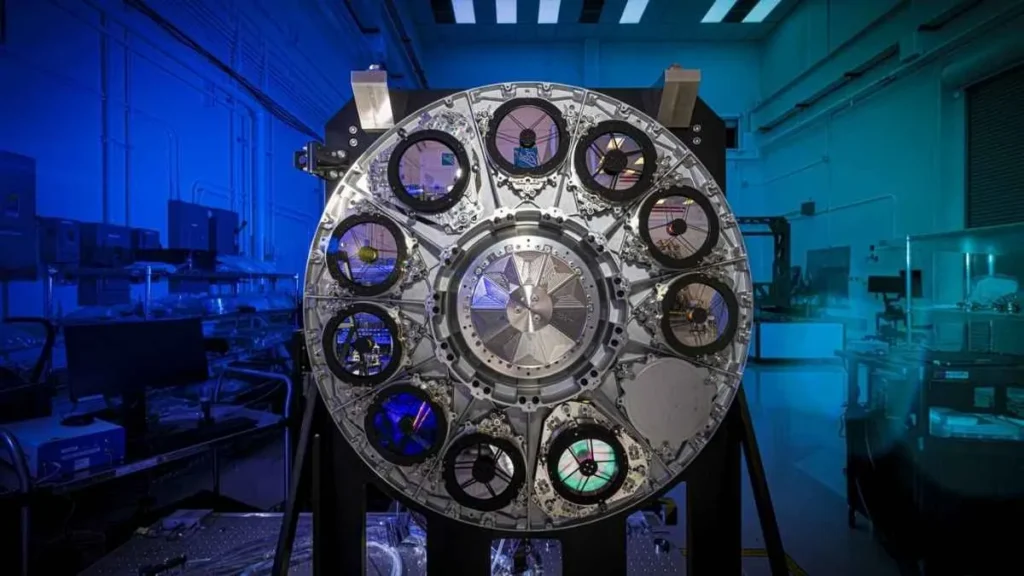
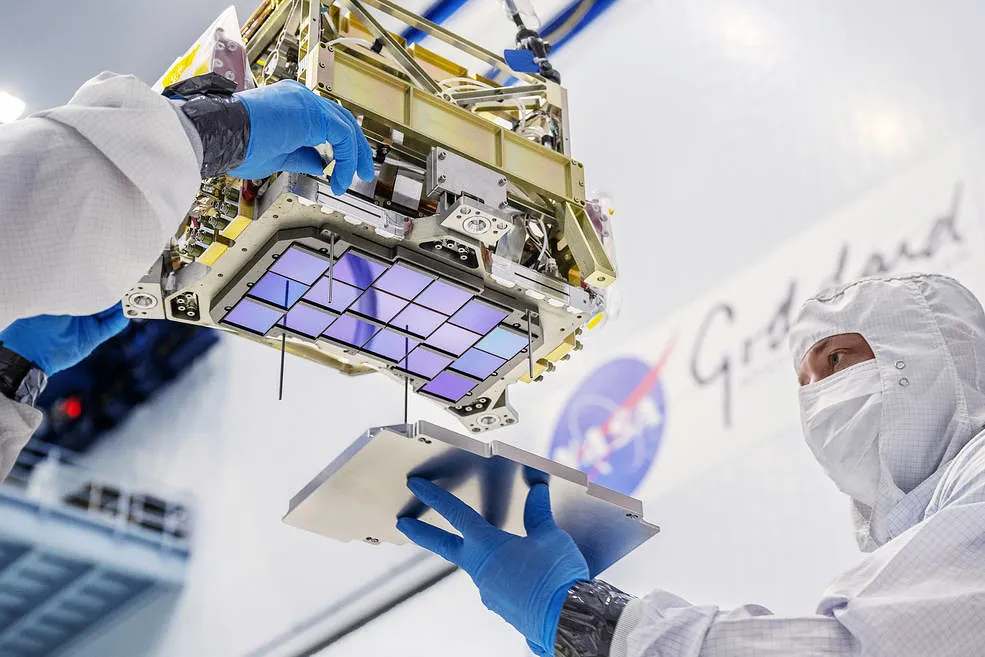
Roman’s main instrument, the Wide Field Instrument, is a 300-megapixel infrared camera made up of 18 detectors and designed to collect enormous amounts of astronomical data.
The observatory can survey the universe up to 1,000 times faster than Hubble. NASA also expects Roman to produce about 1.4 terabytes of data every day, creating a vast scientific archive for astronomers around the world.
7. Roman Will Search for Exoplanets
Credit : NASA
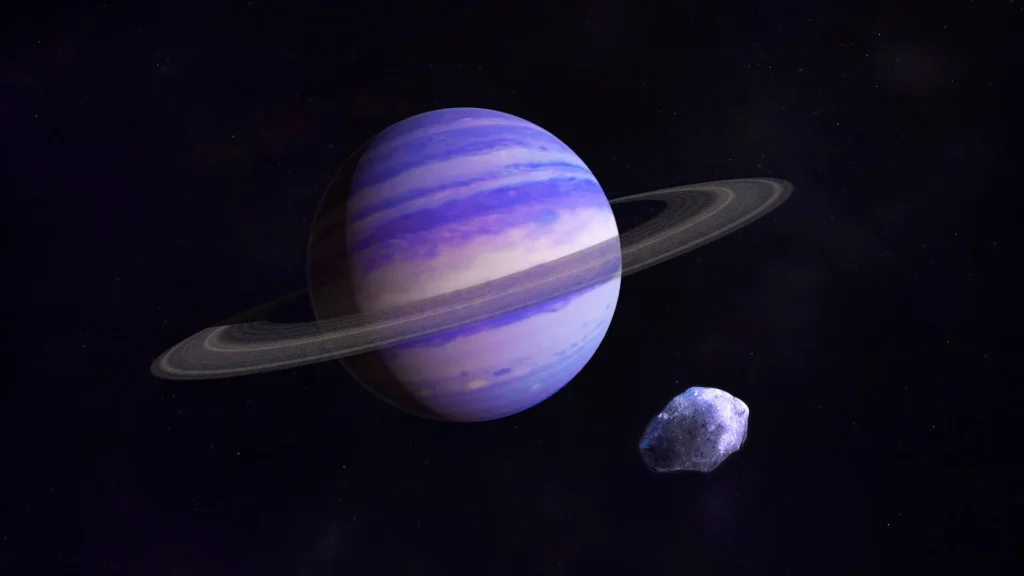
The Roman Space Telescope will also study exoplanets, planets orbiting stars beyond our Solar System. Its surveys will help astronomers discover new worlds and better understand how common different planetary systems are.
Roman’s Coronagraph Instrument will also demonstrate technology for blocking the intense light of a star so that much fainter nearby planets can become visible. This technology could help future missions directly study smaller, potentially Earth-like worlds.
8. Roman Will Work Alongside Hubble, Webb and Other Observatories
The Roman Space Telescope is not designed to replace Hubble or Webb. Its huge surveys can identify interesting regions and objects that other observatories can later study in greater detail.
Hubble and Webb can follow up on selected targets, while missions such as ESA’s Euclid and the ground-based Vera C. Rubin Observatory can provide complementary observations. Together, these telescopes can give astronomers a more complete view of the cosmos.
9. When Will the Roman Space Telescope Release Its First Images?
Credit: NASA/Sydney Rohde (Rocz)
Although Roman has now launched, its main scientific work will not begin immediately.
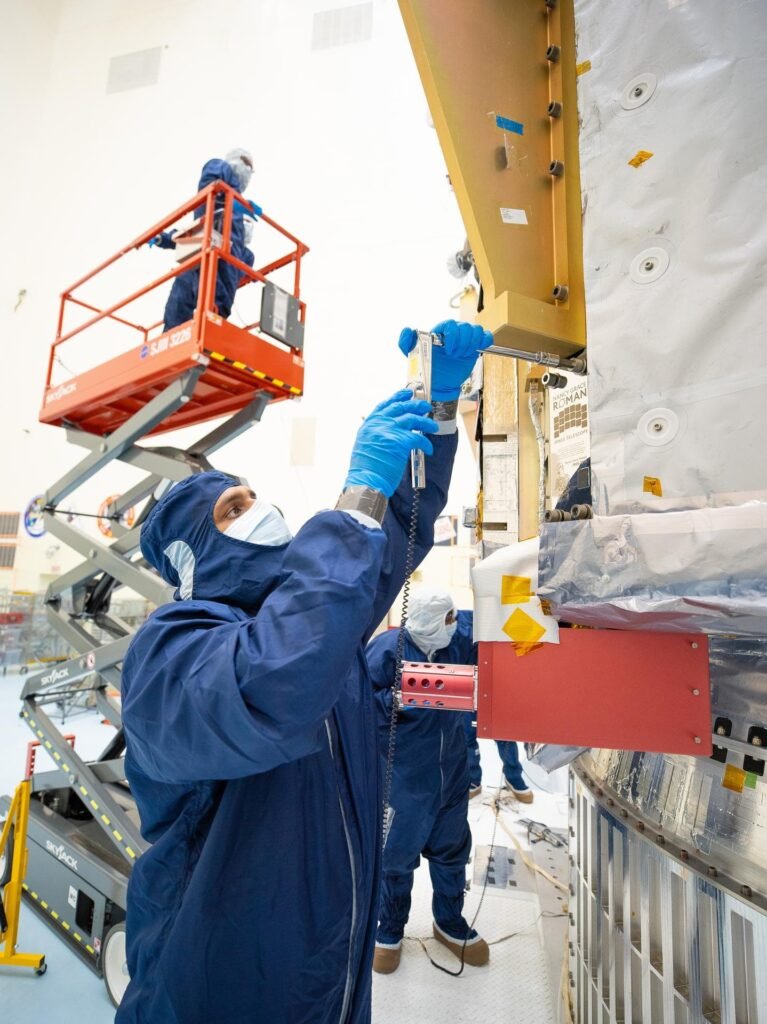
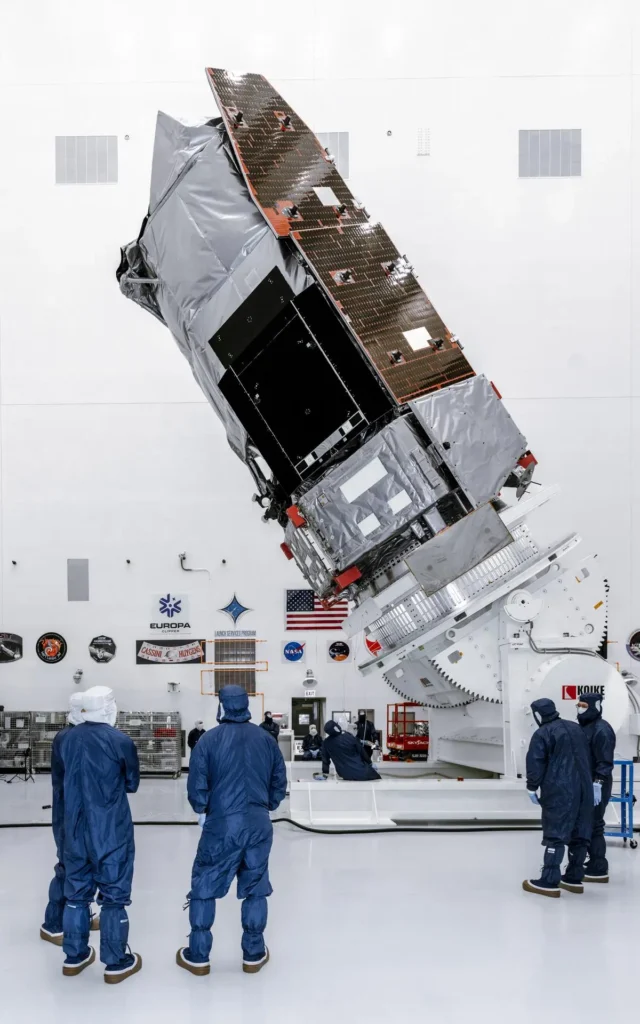
The observatory is currently undergoing a roughly three-month commissioning period while traveling toward L2. During this time, engineers and scientists will deploy systems, activate instruments, perform calibrations, and make sure the telescope is operating as expected.
NASA expects the first Roman Space Telescope images in early 2027. After commissioning is complete, Roman can begin building some of the largest detailed infrared surveys of the universe ever created.
A New Way to See the Universe
Credit: NASA/Chris Gunn
The launch of the Roman Space Telescope marks the beginning of a new era of wide-field space astronomy. Hubble showed us detailed pieces of the universe, while Webb has pushed deep into infrared observations. Roman’s strength is different: seeing an enormous amount of the sky quickly and clearly.
Its discoveries could reshape our understanding of dark energy, dark matter, planets, galaxies, and the history of the universe. And now that Roman has finally launched, astronomers only have to wait for the telescope to reach L2 and open its new window on the cosmos.