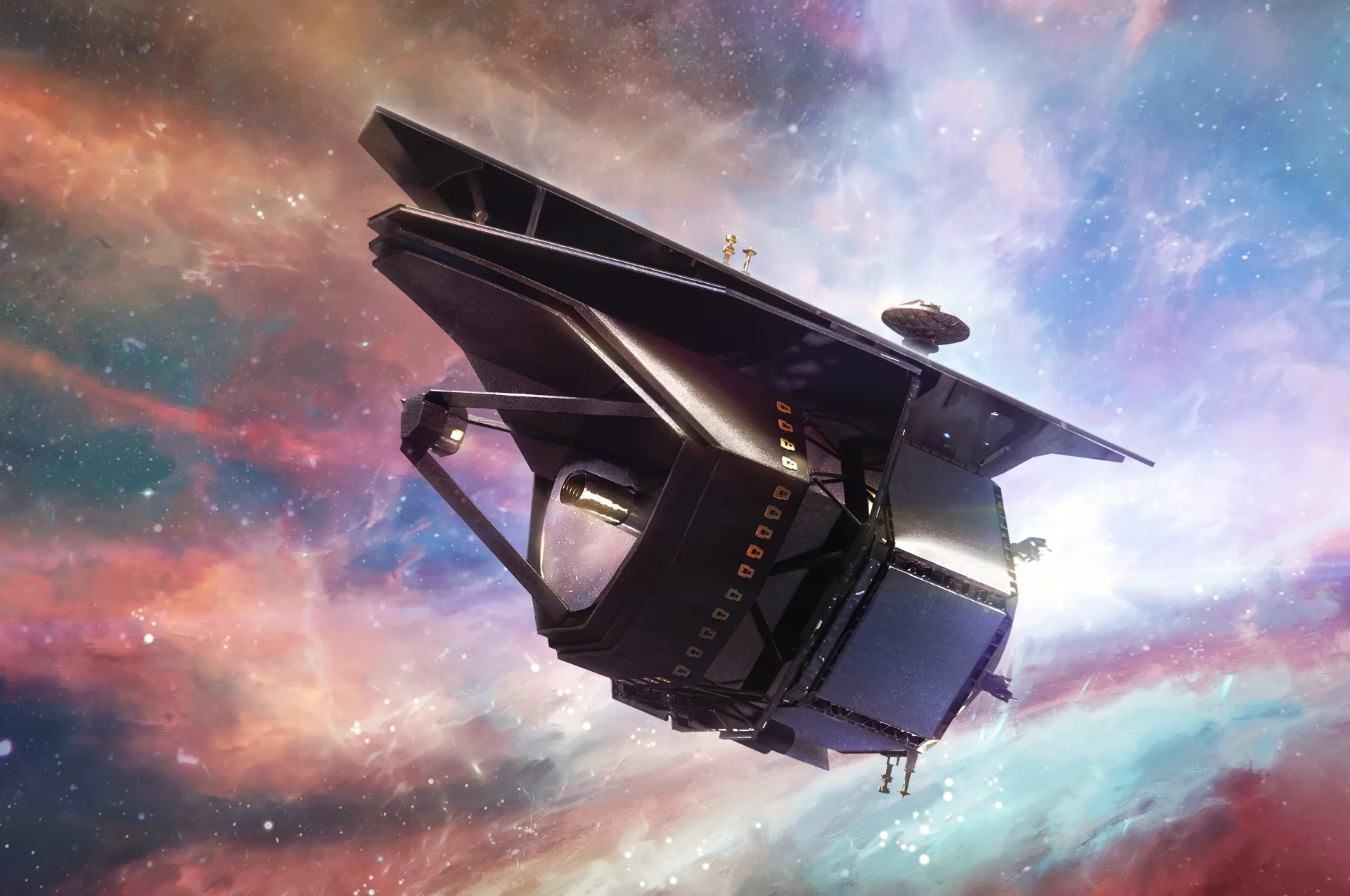
The PRIMA Telescope is NASA’s next major step toward exploring some of the universe’s most hidden regions. Short for PRobe far-Infrared Mission for Astrophysics, PRIMA is a planned space observatory designed to study far-infrared light, helping scientists investigate how planets, stars, galaxies, and black holes form and evolve. NASA selected the mission to advance into Phase B in September 2026, and its launch is currently targeted for 2033, pending a future confirmation review.
What Is the PRIMA Telescope?
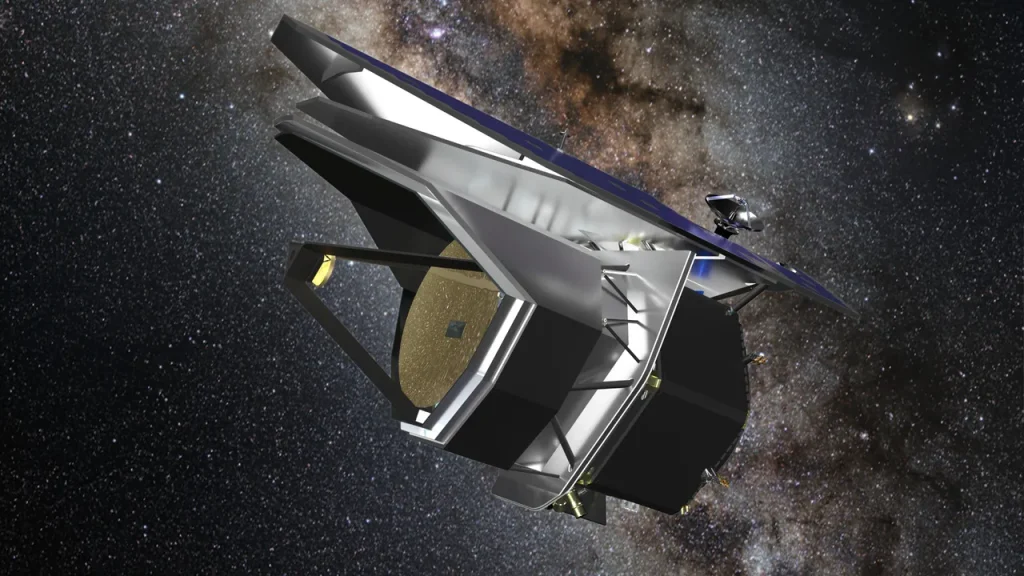
Credit: NASA / JPL
PRIMA will be the first mission in NASA’s new class of astrophysics missions called Probe Explorers. It will use a telescope with a mirror approximately 1.8 meters (5.9 feet) wide and is planned to operate for five years. Although its mirror is smaller than the James Webb Space Telescope’s, PRIMA is designed for a different purpose: observing far-infrared wavelengths that reveal cosmic environments other observatories may struggle to study.
The mission is designed to help bridge the observational gap between infrared observatories such as Webb and radio telescopes. For a comparison of what today’s major space telescopes are designed to do, see LUOV’s guide to Roman vs James Webb vs Hubble.
How Does the PRIMA Telescope Work?
The PRIMA Telescope will observe far-infrared light, with one of its main instruments covering approximately 24 to 235 micrometers. This light is invisible to human eyes, but it carries valuable information about cold cosmic dust, gas, and distant astronomical objects.
Thick clouds of dust can block visible light from reaching our telescopes. Far-infrared observations, however, allow astronomers to investigate many dust-obscured environments where stars and planetary systems are forming. PRIMA’s sensitivity is intended to reveal these hidden regions in greater detail and help astronomers study the evolution of dust and galaxies across cosmic history.
Observing distant regions of the universe also means looking backward in cosmic history. LUOV explains why in How Telescopes See Into the Past.
What Will the PRIMA Telescope Discover?
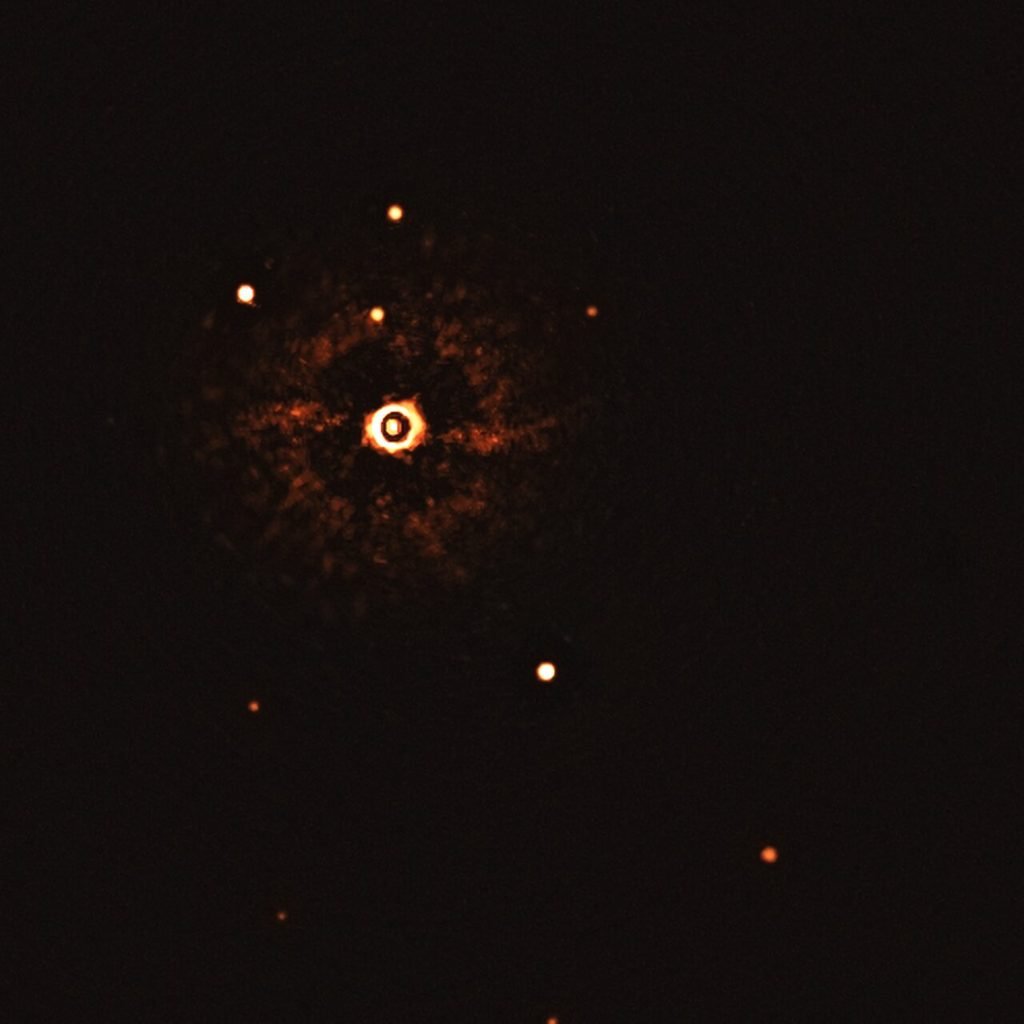
Credit: NASA, ESO
One of PRIMA’s main goals is to understand how planetary systems develop. By studying the dust and gas surrounding young stars, scientists hope to learn more about how planets form and how the ingredients of their atmospheres develop. PRIMA is expected to study hundreds of planet-forming disks and measure signals related to their water distribution and gas content.
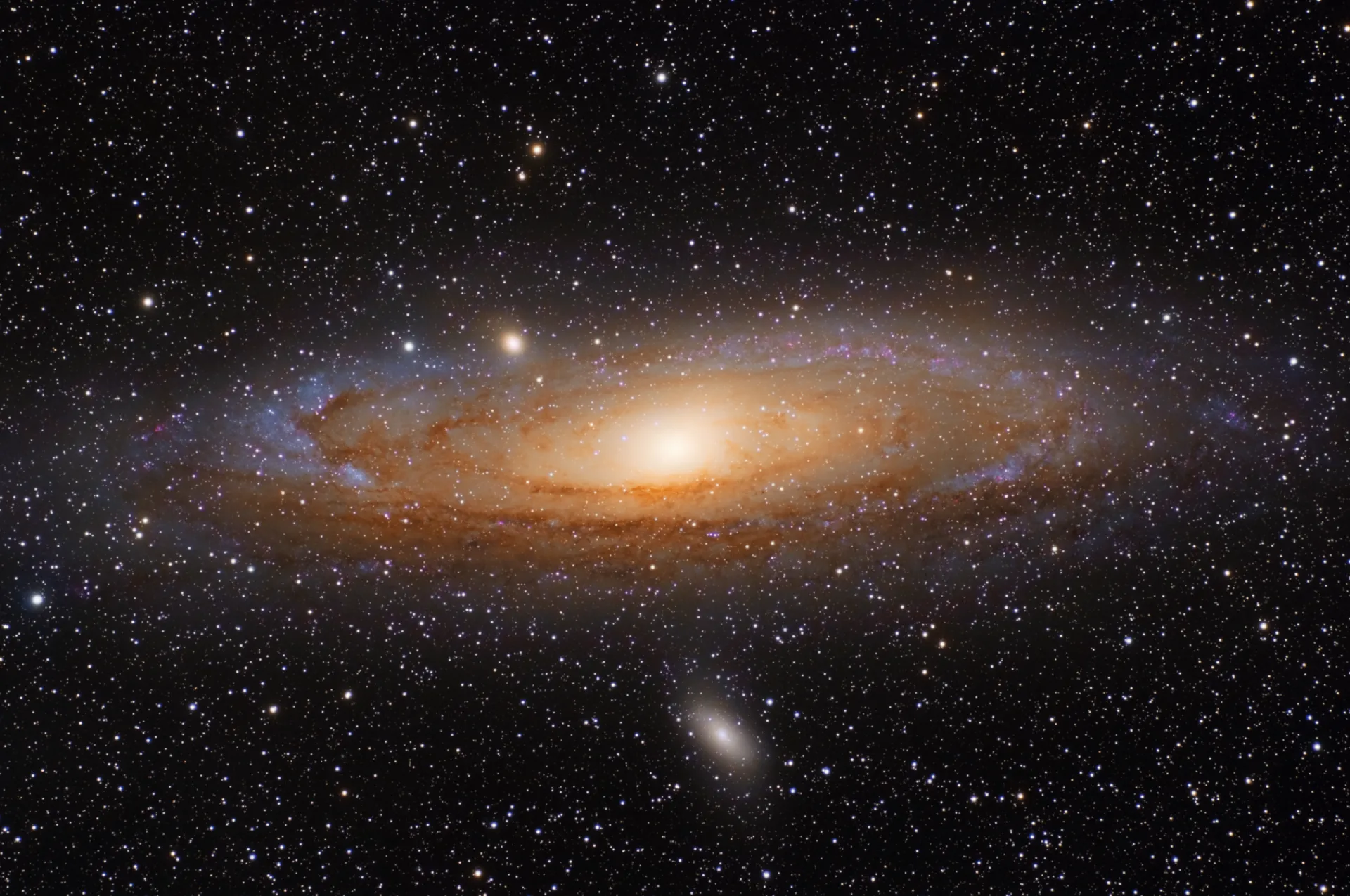
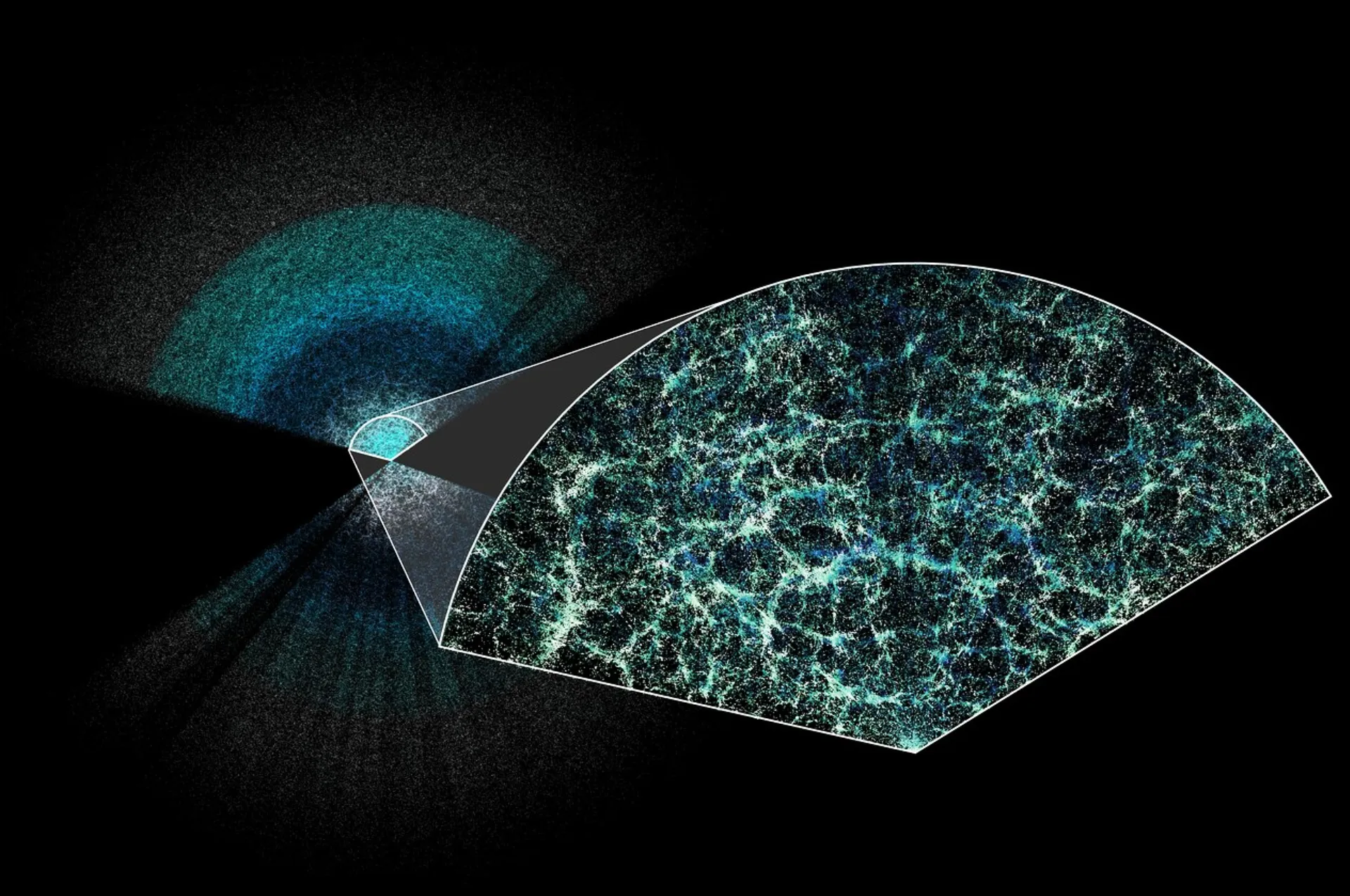
The telescope will also investigate galaxies across cosmic history, including regions where stars are forming and supermassive black holes are growing. Its observations could reveal how cosmic dust and heavier elements accumulated over time. These elements eventually become part of later generations of stars, planets, and other astronomical objects.
Another exciting research area is water. Scientists are still investigating how water formed, moved through planet-forming systems, and eventually became incorporated into planets such as Earth. PRIMA’s far-infrared spectroscopy will allow researchers to trace water in protoplanetary disks and compare those environments with developing planetary systems.
Although PRIMA will not directly search for life, its findings could improve our understanding of the conditions from which potentially habitable planets emerge.
When Will the PRIMA Telescope Launch?
NASA is currently targeting 2033 for the PRIMA Telescope’s launch, followed by a planned five-year science mission. As of October 2026, PRIMA has advanced into Phase B, when engineers refine the preliminary design and continue developing the technologies required for the observatory. The mission must still pass a confirmation review before NASA approves it to enter Phase C and begin implementation.
NASA’s Jet Propulsion Laboratory will manage the project, with contributions from NASA centers and international partners. Because PRIMA is still in development, the 2033 launch remains a target rather than a guaranteed date.
PRIMA will complement observatories such as the James Webb Space Telescope rather than replace them. Webb excels at many near- and mid-infrared wavelengths, while PRIMA is designed to explore the far-infrared in much greater detail. Together with other observatories, it could give astronomers a more complete picture of how the universe changes over time.
If successful, PRIMA will help scientists investigate the birth of planets, the growth of galaxies and black holes, and the cosmic history of water. Some of its most important discoveries may come from places the universe has kept hidden behind clouds of dust.
Look Up. Observe Vastness.
LUOV