Credit: iStock / m-gucci
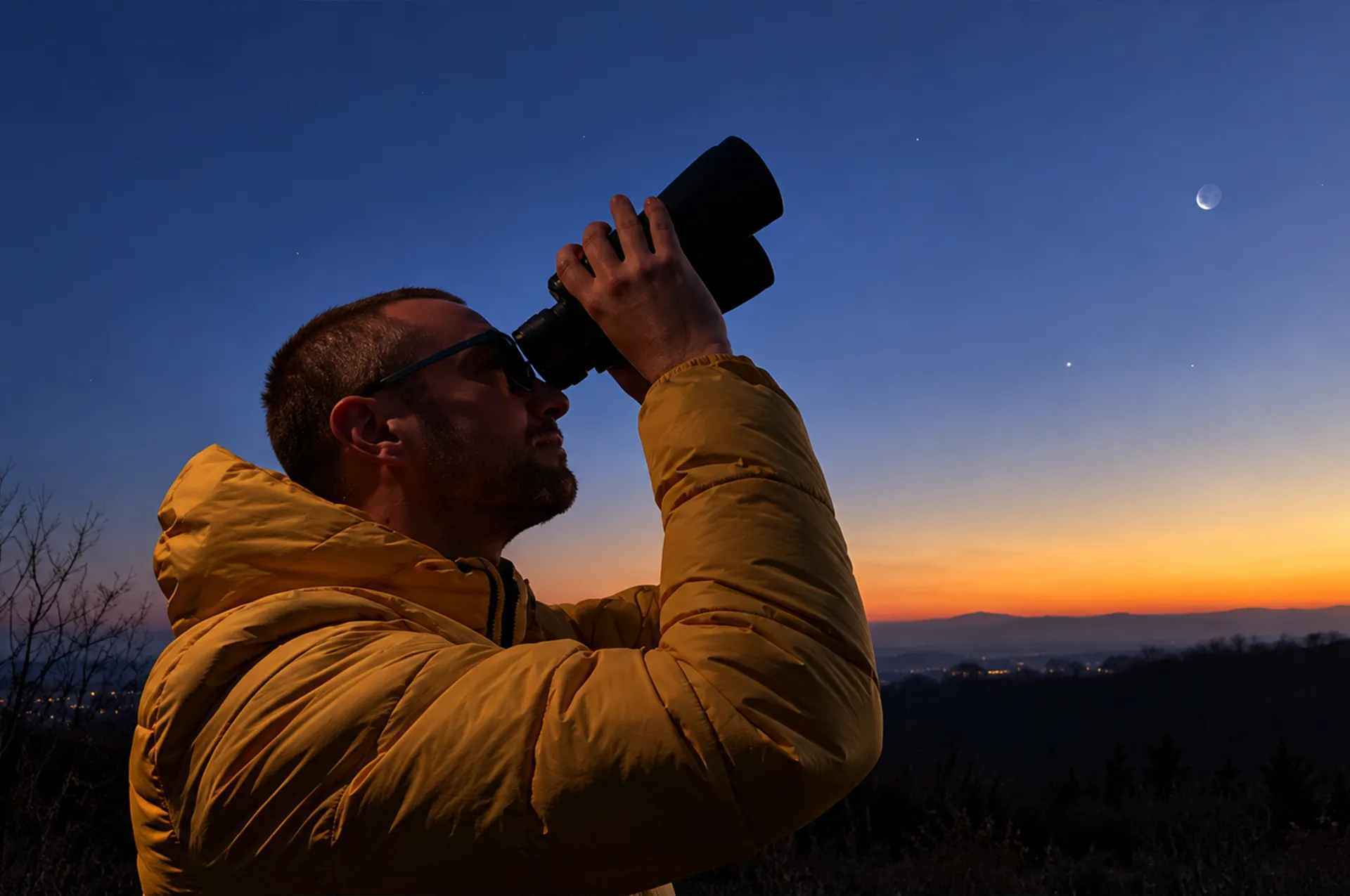
Learning how to stargaze with binoculars is one of the easiest ways to see more of the night sky without immediately buying a telescope. Binoculars are simple to use, portable, and provide a wide field of view, making them especially useful for exploring large objects such as star clusters. They can also reveal stars and deep-sky objects that are difficult or impossible to see clearly with the naked eye.
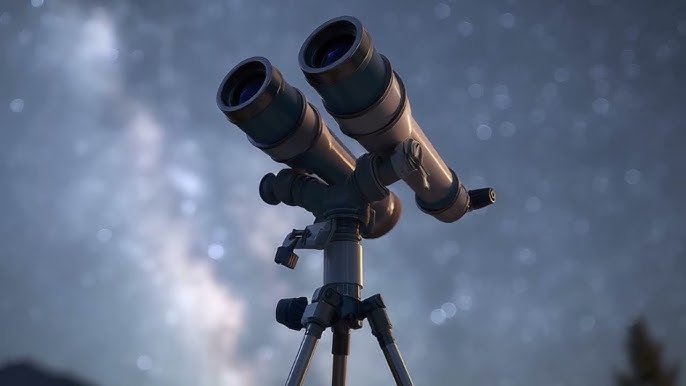
For beginners, binoculars around 7×42, 7×50, or 10×50 are a good starting point. The first number represents magnification, while the second is the diameter of each front lens in millimeters. Around 7× to 10× magnification is generally easier to hold steady, while lenses around 40–50 mm collect plenty of light for comfortable night-sky observing. Higher magnification can reveal more detail, but hand movement also becomes more noticeable and a tripod may be useful. NASA similarly recommends binoculars in roughly the 7×35 to 10×50 range for beginners. NASA: Binoculars — A Great First Telescope
How to Stargaze With Binoculars
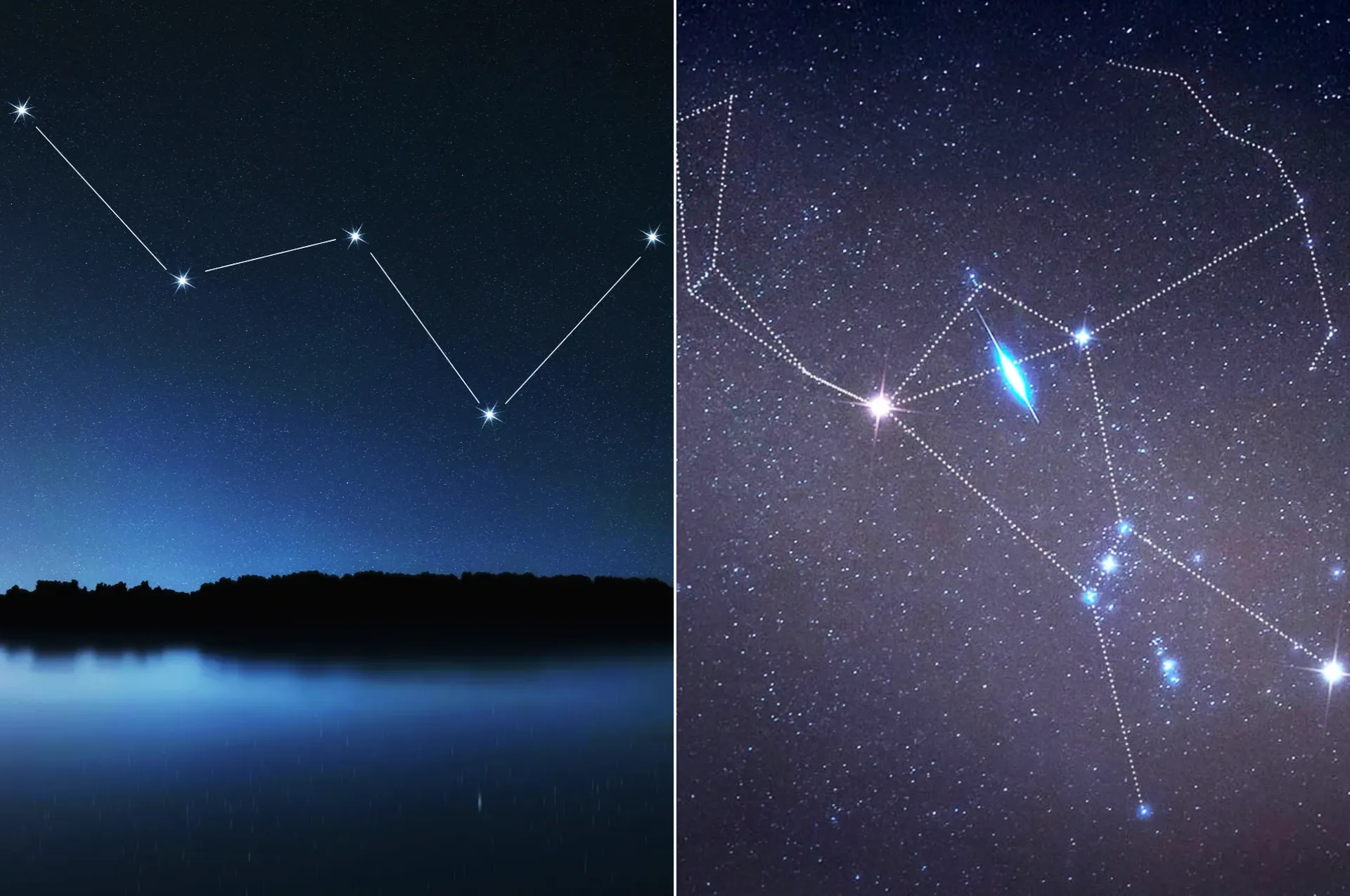
Before lifting your binoculars, spend a few minutes looking at the sky with your unaided eyes. Find a bright star or recognizable constellation first, then bring the binoculars to your eyes while keeping your gaze fixed on the same area. This makes it much easier to locate objects because binoculars show a smaller portion of the sky than your eyes do. A simple star chart or astronomy app can then help you move from bright stars toward your target.
Start with easy targets. The Moon is an excellent first choice because binoculars can reveal prominent craters, bright highlands, and darker lunar plains. The view becomes especially interesting around the first-quarter phase, when long shadows near the boundary between lunar day and night highlight surface features. NASA recommends paying particular attention to this boundary, known as the terminator. Jupiter is another rewarding target, as some of its four largest moons can often be seen as tiny points of light beside the planet.
NASA Moon Viewing Tips.
Best Targets for Stargazing With Binoculars
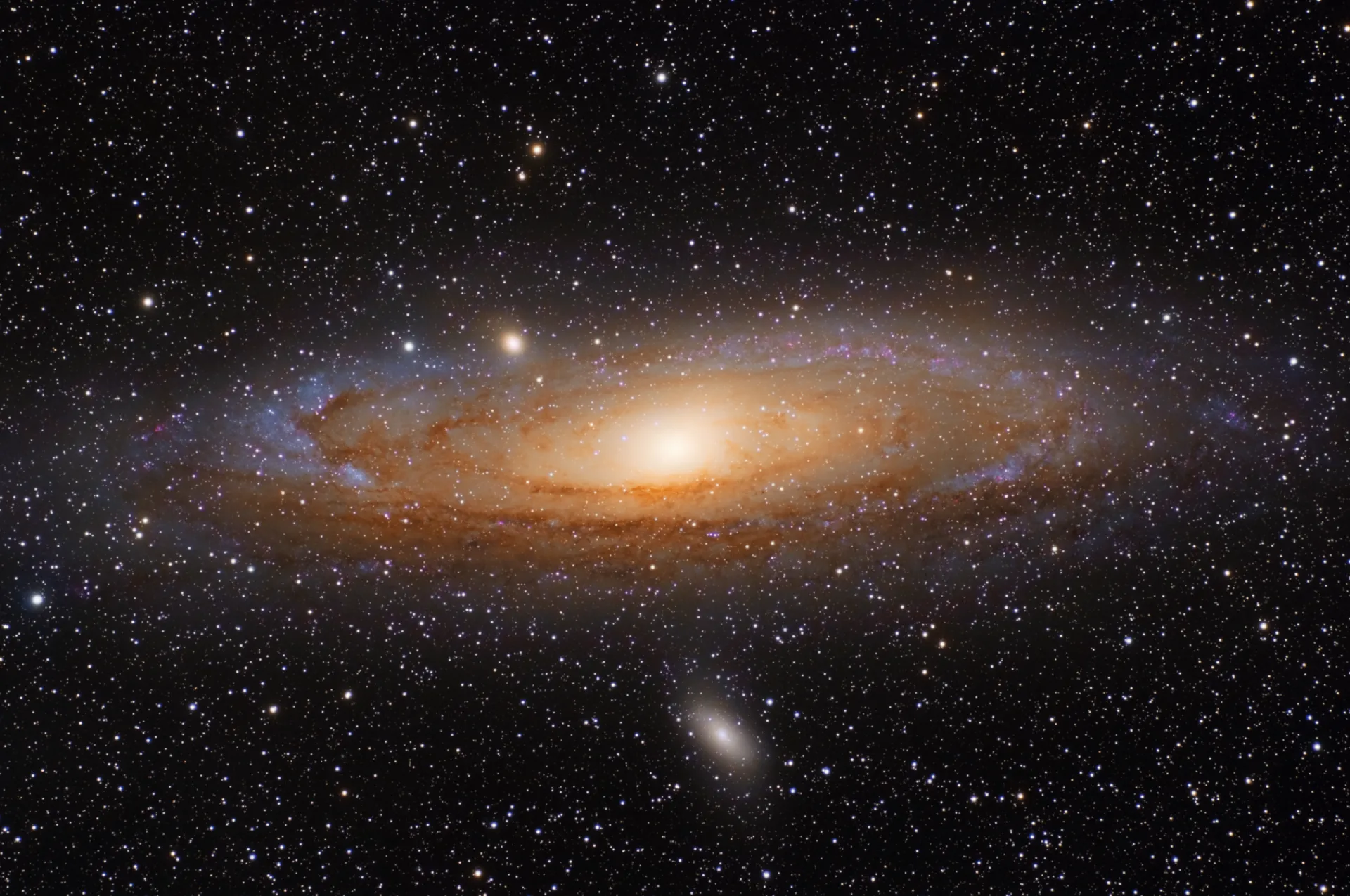
Once you are comfortable, move beyond the Moon and planets. Bright star clusters such as the Pleiades can look spectacular through binoculars because their wide field of view keeps many stars together. The Orion Nebula is another popular target, while the Andromeda Galaxy can appear as a faint, extended glow under sufficiently dark skies. These are among the classic objects NASA recommends for beginner binocular observing.
Binoculars are also useful for exploring constellations and finding interesting star patterns that are difficult to notice with the naked eye.
Your location matters almost as much as your equipment. Bright city lights wash out faint stars and deep-sky objects, so moving to a darker location can make a major difference. Give your eyes roughly 10–30 minutes to adjust to darkness and avoid bright white lights during the session. Sitting or reclining can make longer observing sessions more comfortable, while resting your elbows against your body or using a tripod can reduce shaking.
For help choosing the right conditions, LUOV’s guide to the best time to stargaze explains how moonlight, weather, darkness, and timing affect what you can see.
Make Stargazing With Binoculars a Habit
The best way to improve is simply to keep observing. You do not need to identify dozens of objects on your first night. Learn a few bright constellations, use them as landmarks, and gradually explore nearby stars and clusters. Astronomy takes patience, and even experienced observers sometimes spend time searching for faint objects. The more familiar you become with the sky, the easier it becomes to find your way around it.
If you are completely new to skywatching, binoculars are a natural next step after learning the night sky with your own eyes. Our guide to stargazing without a telescope covers the basics of finding stars, planets, constellations, and other sights without special equipment. Once you are comfortable navigating the sky, stargazing with binoculars can open up an even richer view of the universe.
Look Up. Observe Vastness.
LUOV