The best constellations to see in October include Pegasus, Andromeda, Cassiopeia, Cygnus and Aquarius, while familiar winter constellations such as Orion and Taurus begin returning later at night and before sunrise.
As Earth moves around the Sun, our view of the night sky changes throughout the year. October is therefore an excellent month for exploring autumn constellations while also watching some winter favorites gradually return.
Many of these patterns can be found without a telescope. This guide is especially useful for observers in the Northern Hemisphere and mid-latitudes, although several of these constellations are also visible from much of the Southern Hemisphere at different heights and orientations.
1. Pegasus
Credit: Getty
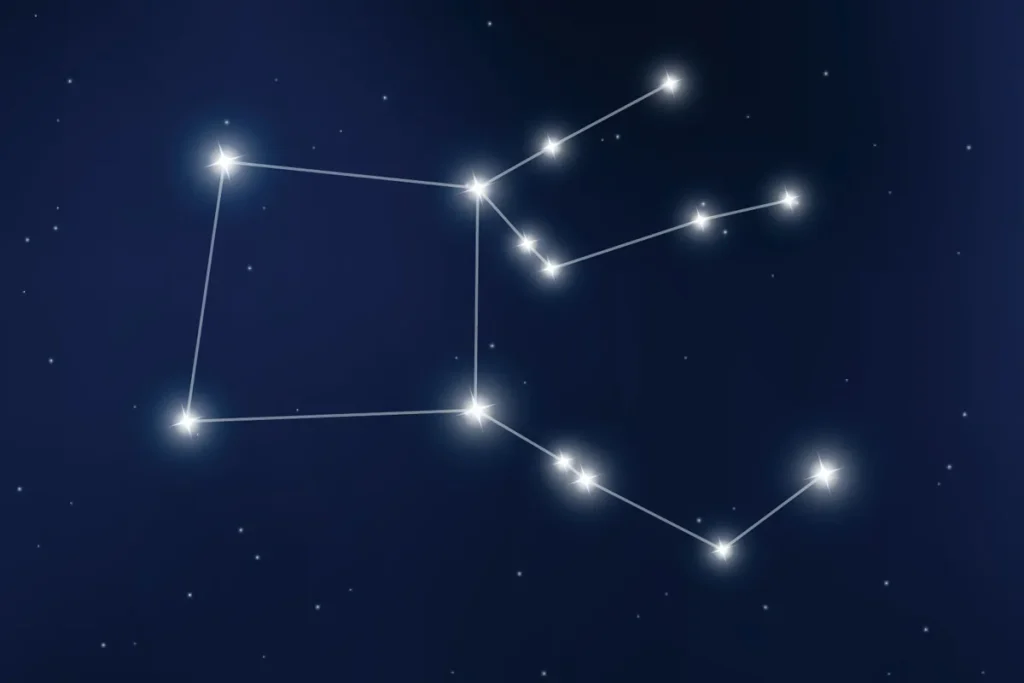
Pegasus is one of the easiest constellations to begin with on October evenings. Look for four fairly bright stars forming a large square in the eastern or southeastern sky after sunset.
This pattern is called the Great Square of Pegasus, and it is an excellent starting point for exploring the surrounding stars. One of its four stars, Alpheratz, actually belongs officially to the neighbouring constellation Andromeda, even though it forms part of the Great Square.
Once you find the square, look for the other stars of Pegasus extending away from it.
With binoculars or a telescope, you can also search for Messier 15, a dense globular cluster in Pegasus containing hundreds of thousands of ancient stars. NASA lists M15 at roughly 33,600 light-years away and notes that it is visible with binoculars. NASA’s guide to Messier 15
You do not need to recognize the entire constellation at once. Finding the Great Square is enough to get started.
2. Andromeda
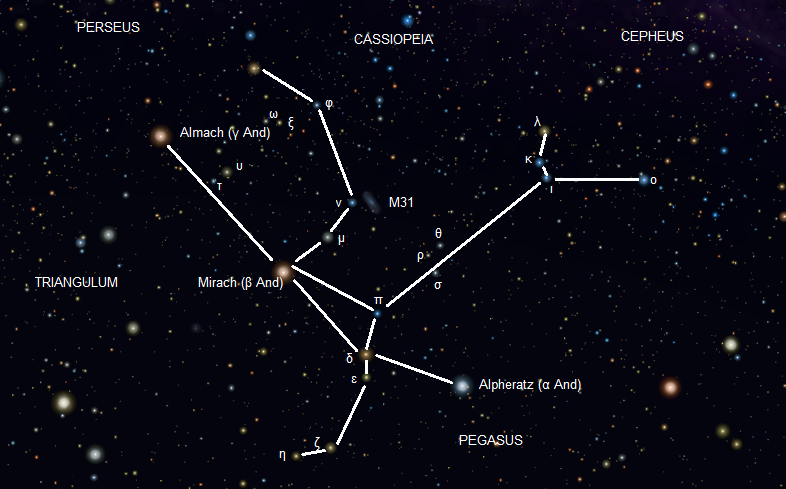
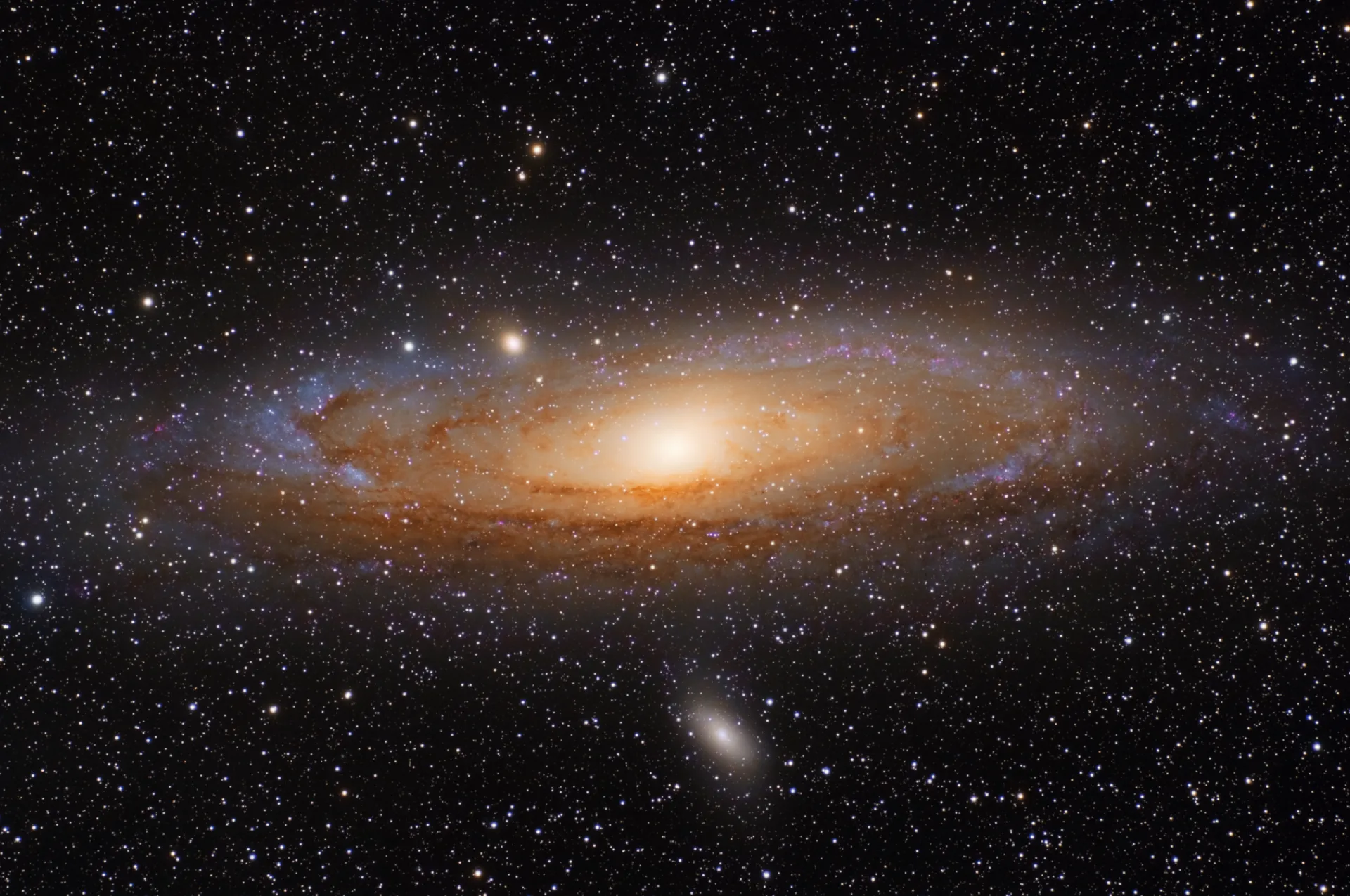
Andromeda is one of the most rewarding constellations to explore in October because it contains the famous Andromeda Galaxy.
Start at the Great Square of Pegasus and follow the chain of stars extending outward from Alpheratz. Stargazers commonly use these stars to work their way toward the galaxy.
The Andromeda Galaxy lies approximately 2.5 million light-years from Earth and is the nearest major galaxy to the Milky Way. Under sufficiently dark skies, it can appear to the naked eye as a faint, fuzzy patch, while binoculars make it much easier to recognize. NASA’s Andromeda Galaxy guide
Seeing it is especially remarkable because the light reaching your eyes began traveling toward Earth around 2.5 million years ago.
3. Cassiopeia
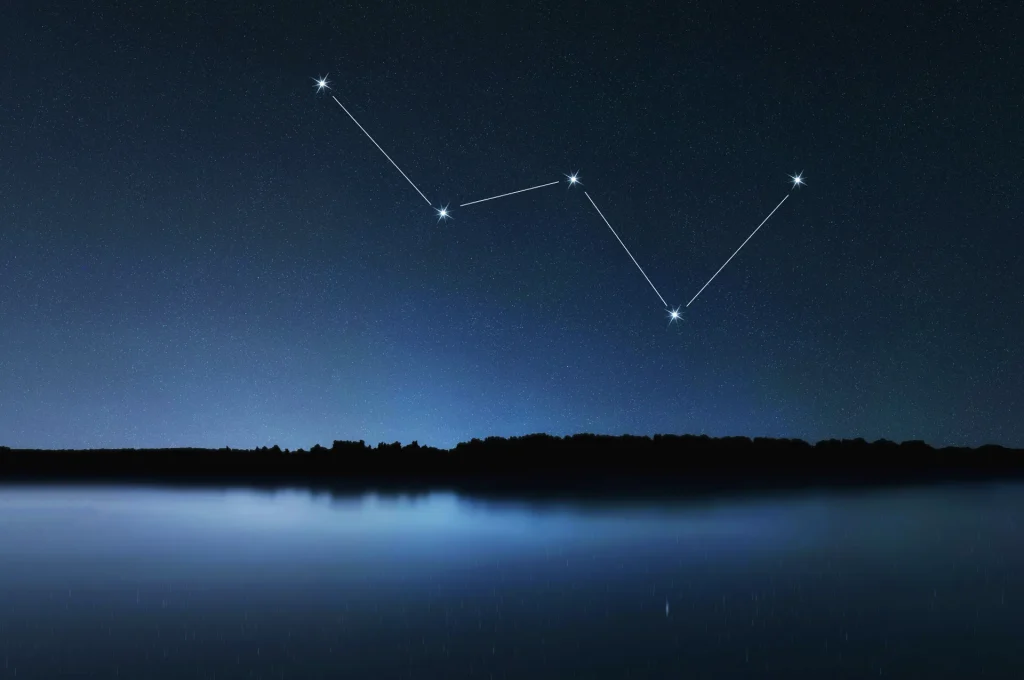
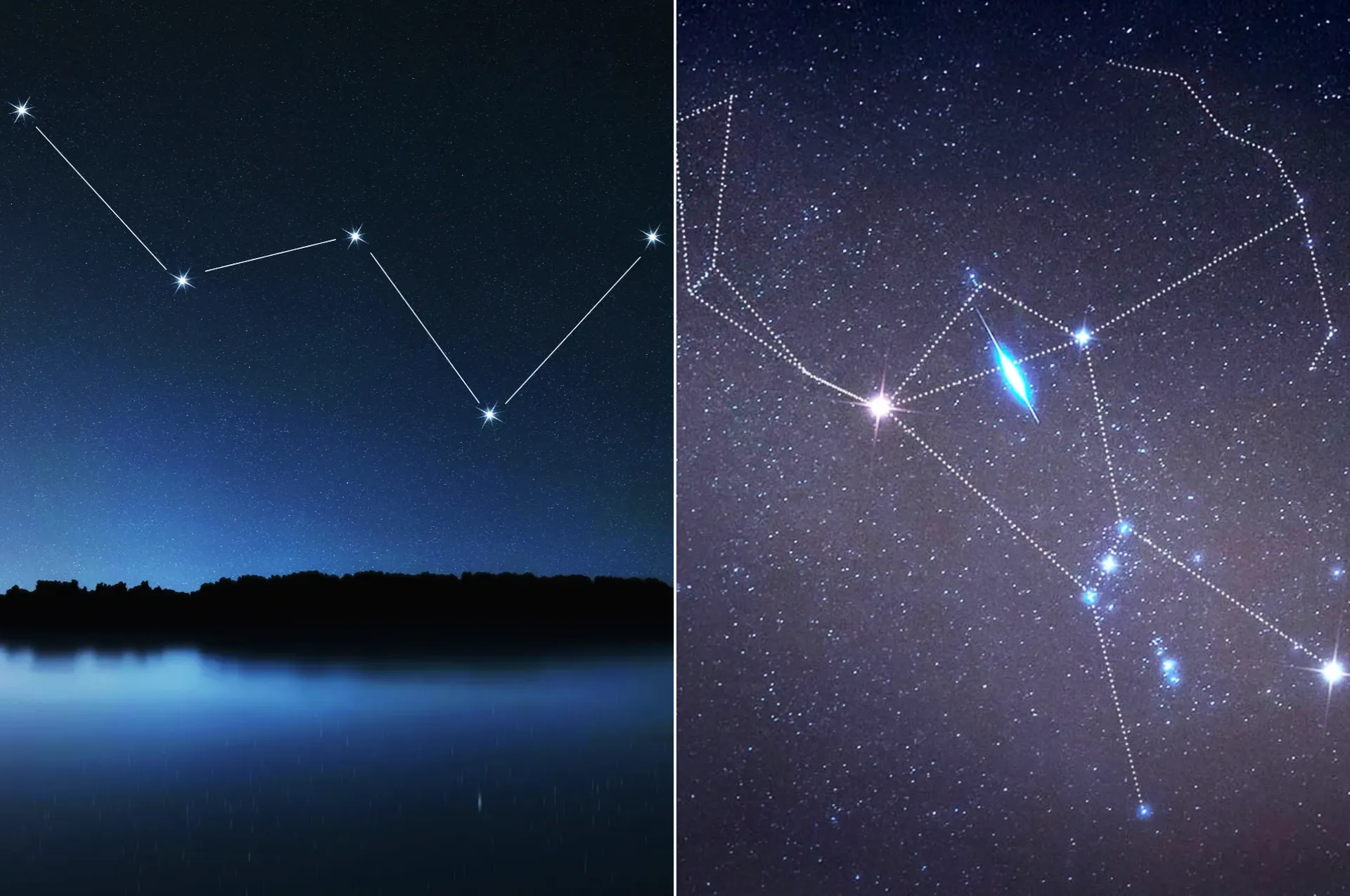
Cassiopeia is easy to recognize because its five prominent stars form a distinctive W-shaped pattern, which can appear more like an M depending on its orientation.
From mid-northern latitudes, Cassiopeia is visible throughout the year and is especially prominent high in the sky during autumn and winter evenings.
It is also an excellent landmark for navigating nearby constellations and the rich star fields of the Milky Way.
If you want step-by-step directions, LUOV has a complete guide on how to find Cassiopeia in the night sky.
Rather than trying to memorize every star immediately, begin with the W shape and use it as a reference point for the surrounding sky.
4. Cygnus
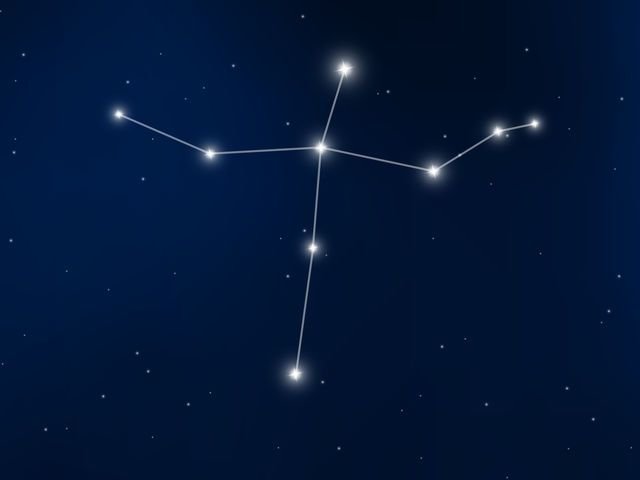
Cygnus remains a beautiful constellation to look for during October evenings.
Its brightest star, Deneb, forms one corner of the Summer Triangle together with Vega and Altair. The constellation itself has a distinctive cross-shaped pattern often called the Northern Cross.
During October evenings, Cygnus gradually moves toward the western part of the sky as the season progresses.
From a dark location, you may also notice the faint glow of the Milky Way passing directly through this region. NASA notes that Cygnus lies along the plane of our galaxy, which is why this part of the sky is packed with stars, dust clouds and deep-sky objects.
Binoculars can reveal many more stars than the unaided eye.
5. Aquarius
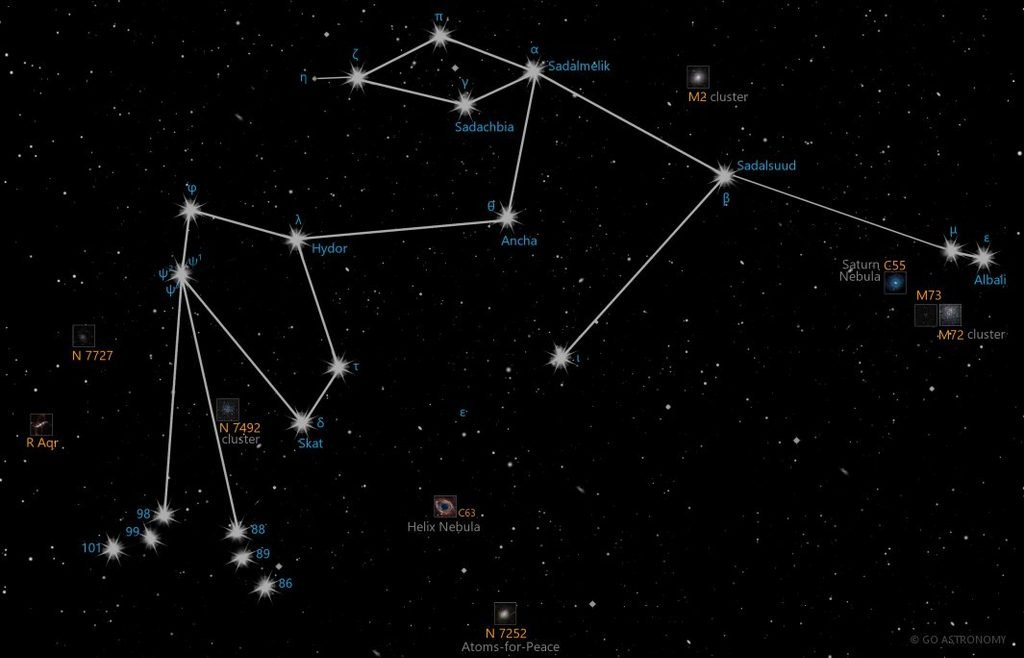
Aquarius is a large constellation occupying part of the southern celestial sky and is visible during October evenings.
Its stars are relatively faint compared with patterns such as Pegasus or Cassiopeia, so a sky map or astronomy app can be especially helpful when trying to identify it.
Aquarius contains the famous Helix Nebula, one of the nearest planetary nebulae to Earth. NASA places it around 650 light-years away and describes it as the glowing gas surrounding a dying Sun-like star. NASA’s Helix Nebula guide
The nebula itself is challenging to observe without dark skies and suitable equipment, but finding Aquarius is still a useful exercise for becoming more familiar with the autumn sky.
Constellations to Look for Before Sunrise
6. Orion
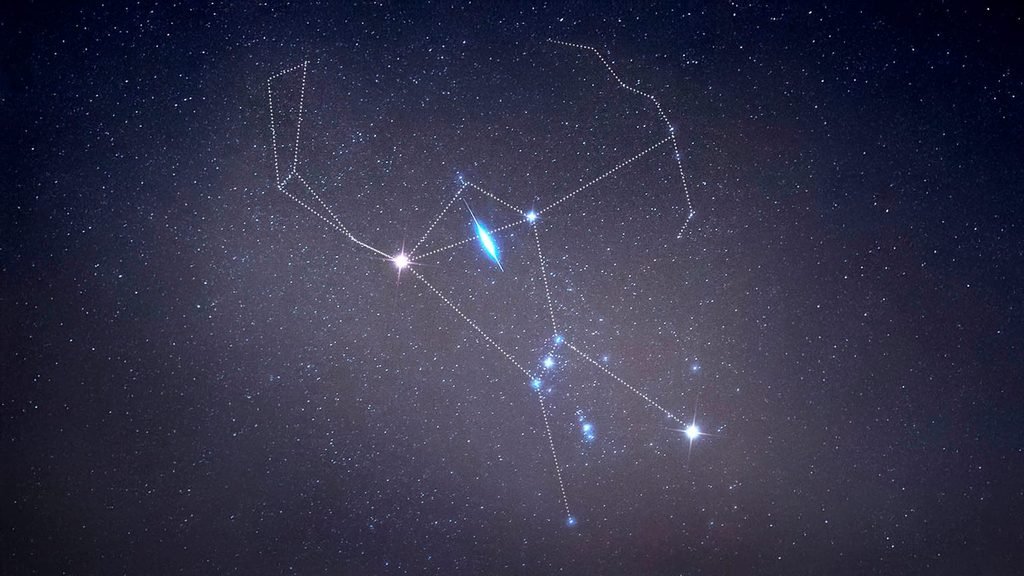
Orion is one of the most recognizable constellations in the entire night sky and begins making a stronger return during October.
In early October, it is best seen late at night or before sunrise. As the month progresses, Orion rises earlier and becomes increasingly convenient to observe.
The easiest feature to find is Orion’s Belt, made of three bright stars positioned close together in an almost straight line. Bright Betelgeuse and Rigel help outline the wider constellation.
Below the belt lies the Orion Nebula, a huge region of gas and dust where stars are actively forming. NASA describes it as one of the nearest major star-forming regions to Earth. NASA’s Orion Nebula guide
It can even be detected with the unaided eye under suitable conditions, while binoculars reveal much more detail.
7. Taurus
Credit: Pexels
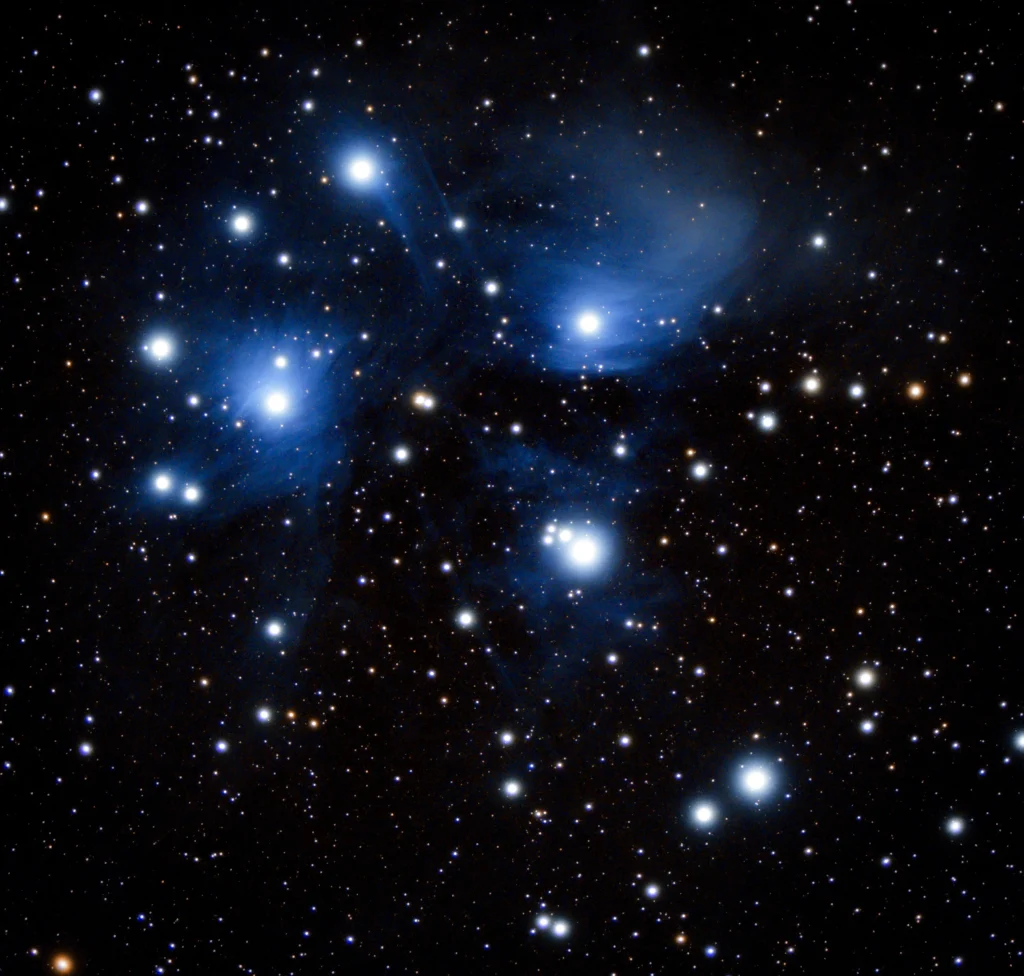
Taurus is another familiar constellation returning to the late-night and morning sky as October progresses.
Look for the orange star Aldebaran and the nearby V-shaped pattern formed by the Hyades star cluster. Close by is the beautiful Pleiades, also known as the Seven Sisters.
In early October, Taurus is generally easier to find later at night or before sunrise. It rises earlier with each passing week, becoming increasingly prominent as autumn continues.
Because the Pleiades are easy to recognize with the naked eye, they can also act as a useful landmark for finding the wider Taurus region.
8. Perseus
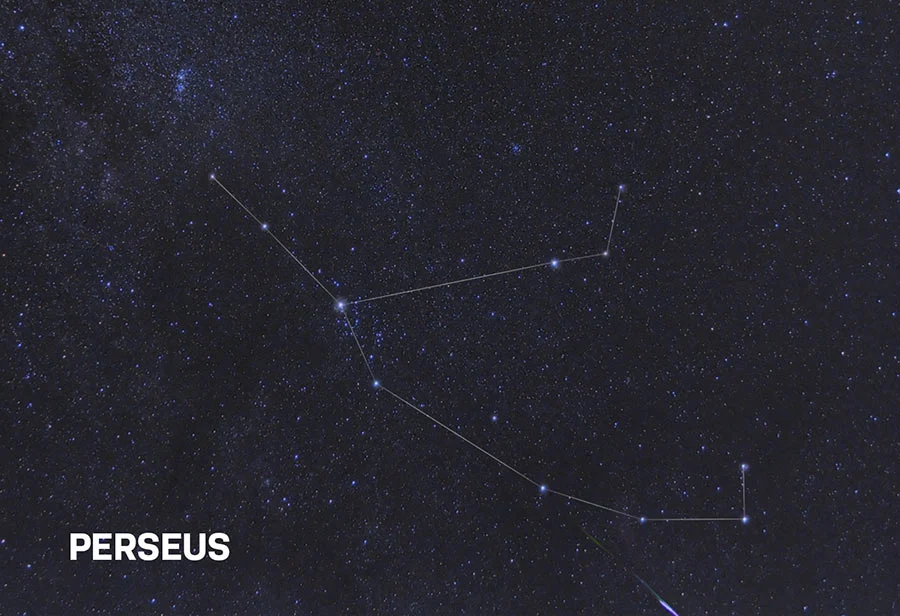
Perseus rises into a favorable position during October evenings and is particularly rewarding for observers using binoculars.
One of the best nearby targets is the famous Double Cluster, two open star clusters known as NGC 869 and NGC 884.
From a dark location, they can appear to the unaided eye as a small hazy patch. Binoculars reveal the pair much more clearly, showing numerous young stars packed into the two clusters. NASA places them around 7,000–7,500 light-years away and describes the Double Cluster as an excellent binocular target. NASA’s Double Cluster image and guide
Perseus is also located near Cassiopeia, making the W-shaped constellation a useful starting point for finding this region.
How to See October Constellations
Choose a clear night and move away from streetlights whenever possible. Give your eyes around 20–30 minutes to adjust to the darkness, and use a free astronomy app to identify unfamiliar star patterns. Start with easy targets such as Pegasus and Cassiopeia before moving on to fainter constellations.
Remember that not every constellation is best viewed at the same time. Pegasus and Andromeda are good evening targets, while Orion and Taurus are especially rewarding later at night or before sunrise in early October. Their positions change as the month progresses, so check a sky map for your location.
For more of what is happening this month, see LUOV’s guide to October 2026 astronomy events.
Look Up. Observe Vastness.
LUOV