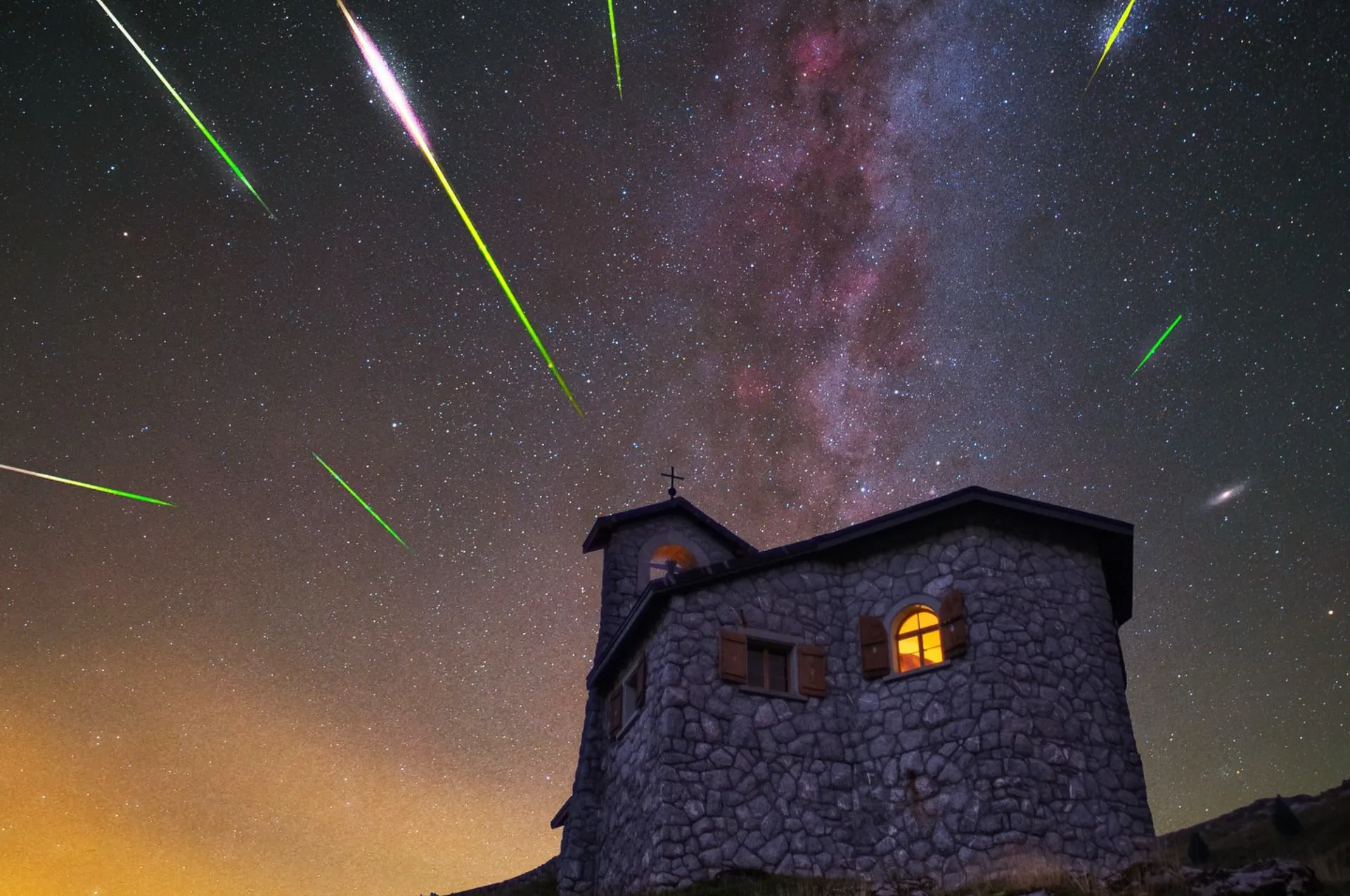
Credit: @benjaminbarakat / Instagram
The Orionid Meteor Shower 2026 will peak overnight from October 21 to October 22, giving skywatchers a chance to see bright streaks of light across the autumn sky. This annual meteor shower is created by tiny particles left behind by Halley’s Comet as Earth travels through its trail of debris.
The Orionids are active from October 2 to November 7, but the peak offers one of the best opportunities to observe them. Under ideal dark-sky conditions, observers may see around 10 to 20 meteors per hour. However, the actual number depends on weather, light pollution, and the brightness of the Moon.
Best Time to See the Orionid Meteor Shower 2026
The best time to watch the Orionid Meteor Shower 2026 is generally between midnight and dawn. During these hours, the constellation Orion climbs higher in the sky, improving the chances of spotting meteors. The early morning hours of October 22 are particularly promising, especially after the Moon sets and the sky becomes darker.
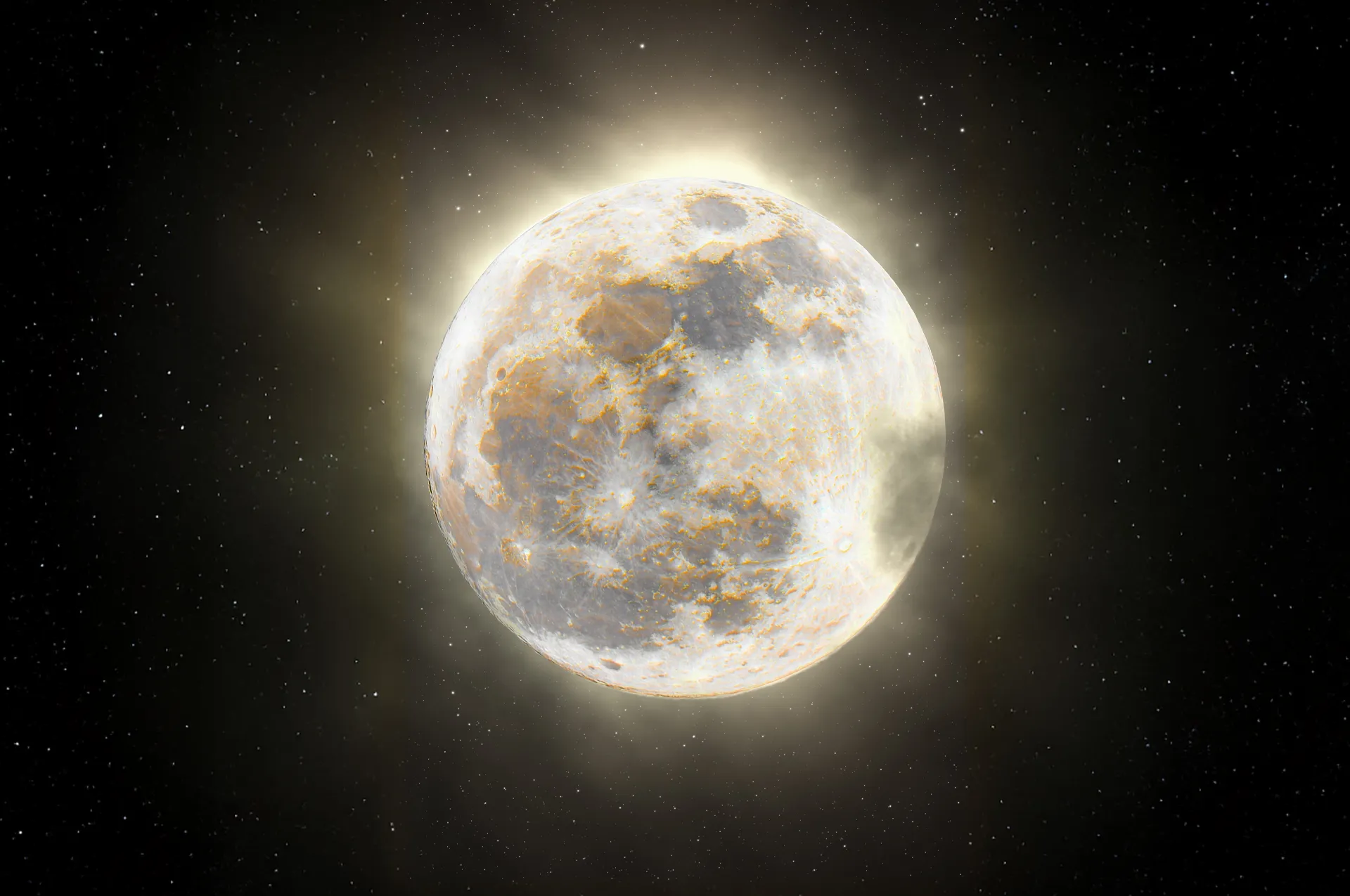
Moonlight will be a challenge this year because the Moon will be in a bright waxing gibbous phase around the peak. Its light can hide fainter meteors, making the display appear less active than usual. For the best results, check your local moonset time and plan to observe during the darkest hours before sunrise.
How to Find the Orionid Meteor Shower 2026
Credit: Unsplash
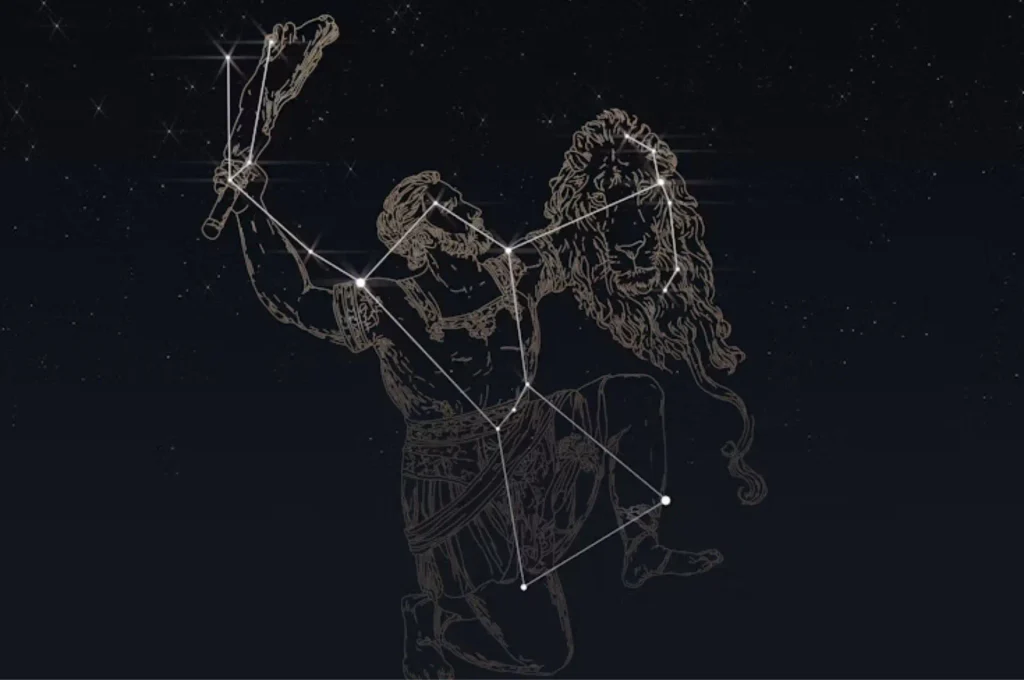
The Orionid Meteor Shower 2026 can be seen from both the Northern and Southern Hemispheres, making it an accessible event for skywatchers worldwide. The meteors appear to originate from a point near the constellation Orion, close to the bright reddish star Betelgeuse. This point is called the radiant, but the meteors can appear anywhere across the sky.
To find Orion, look for the three bright stars that form Orion’s Belt. In the Northern Hemisphere, the constellation becomes more prominent later at night. You do not need a telescope or binoculars to enjoy the shower because meteors are best observed with the naked eye. For longer meteor trails, look roughly 45–90 degrees away from Orion rather than staring directly at the radiant.
Tips for Watching the Orionid Meteor Shower 2026
Credit: skylitstudio
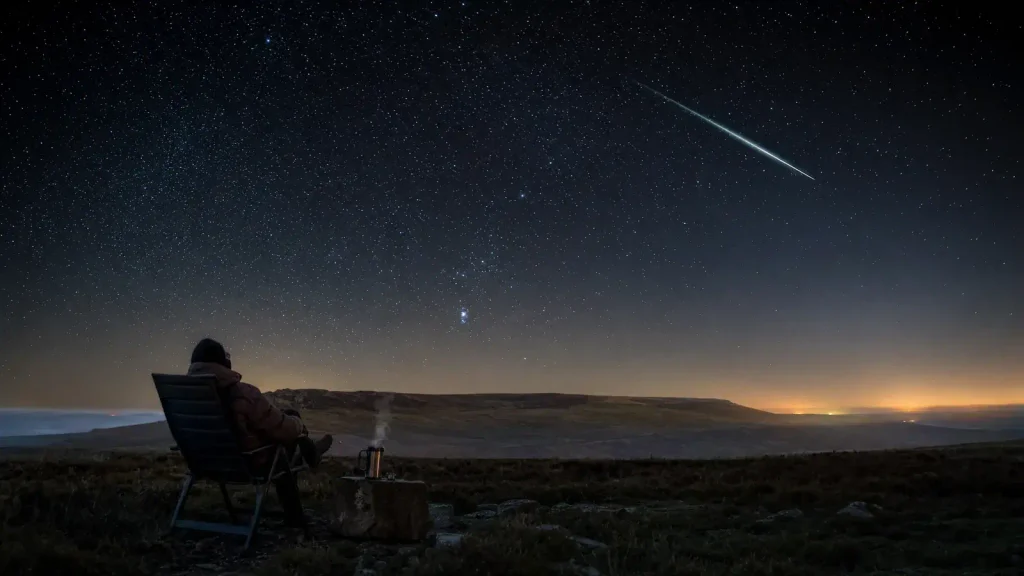
You can improve your chances of seeing the Orionid Meteor Shower 2026 by choosing a dark location away from streetlights, buildings, and other sources of artificial light. Give your eyes around 20–30 minutes to adjust to the darkness, and avoid checking a bright phone screen while observing. A reclining chair, warm clothing, and a blanket can make a long night outdoors much more comfortable.
Be patient, because meteors do not appear at regular intervals. Some may leave glowing trails that remain visible for several seconds, while particularly bright ones can appear as fireballs. Clear skies are essential, so check your local weather forecast before heading outside. You can enjoy the shower without any special equipment, making it a great opportunity for beginners and families to explore the night sky.
If you are new to observing the sky, our guide on how to stargaze without a telescope can help you get started.
Why the Orionids Come From Halley’s Comet
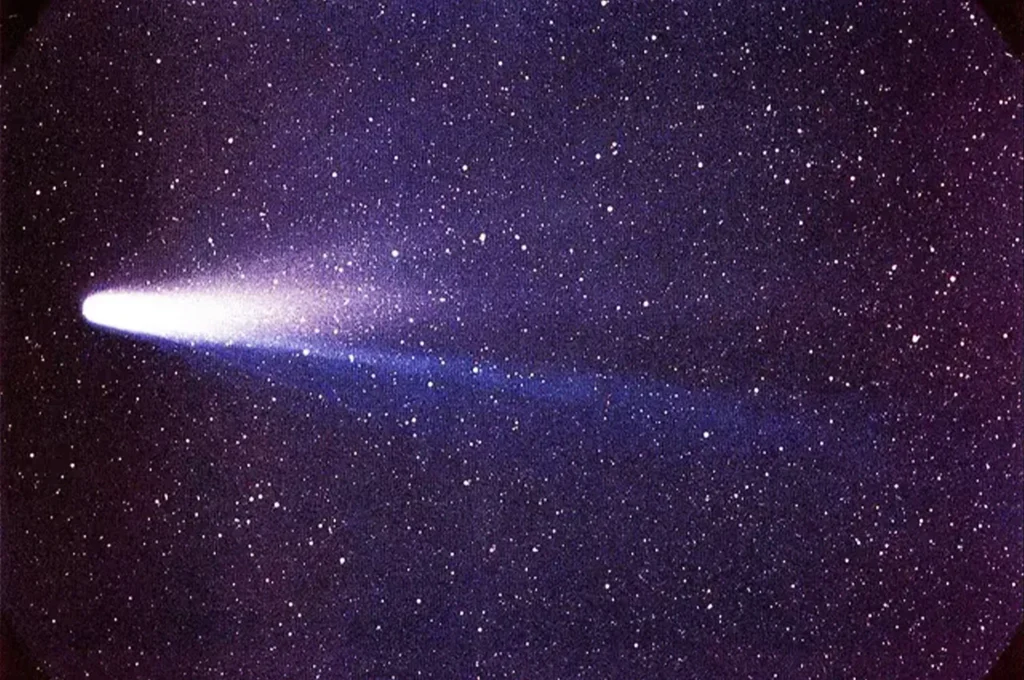
The Orionids are connected to one of the most famous comets in history, Halley’s Comet. As the comet travels around the Sun, it releases dust and rocky particles that spread along its orbital path. Every October, Earth crosses this debris stream, allowing tiny particles to enter our atmosphere and produce the streaks of light known as Orionid meteors.
These particles travel at approximately 66 kilometers per second (41 miles per second) when they enter Earth’s atmosphere. They heat the surrounding air and produce the brief flashes of light we see from the ground. Halley’s Comet last visited the inner solar system in 1986 and is expected to return in 2061. Even though the comet itself will not return this year, its leftover particles will create another Orionid display in October 2026.
The Orionids offer a simple way to experience the connection between Earth and the wider solar system. Although moonlight may hide some fainter meteors this year, observing from a dark location after moonset can still reward patient skywatchers with memorable sights.
Look Up. Observe Vastness.
LUOV