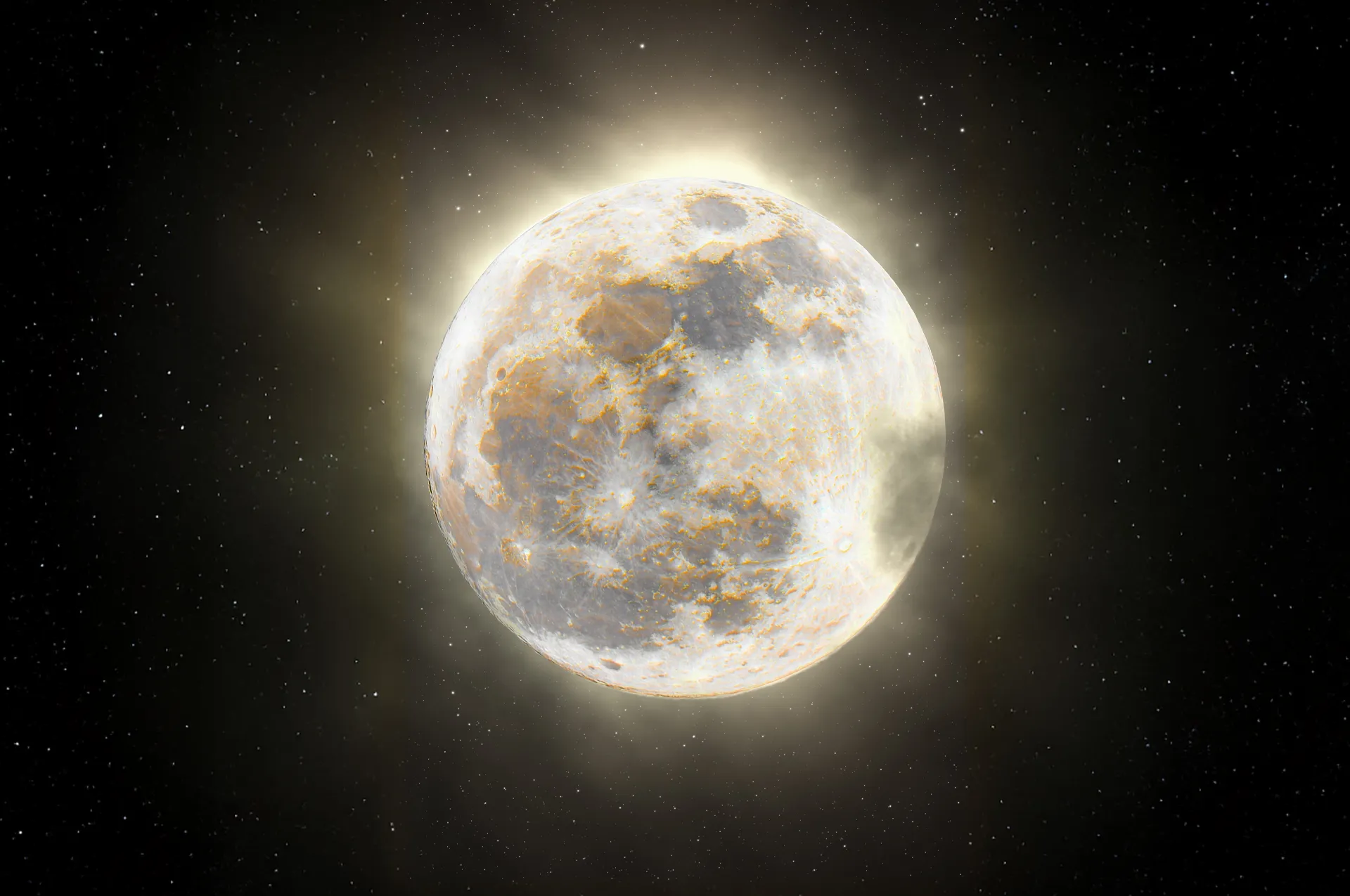
Credit: Justin Shekoski/@justinshekoski
Hunter’s Moon 2026 will light up the night sky on October 26, offering skywatchers a beautiful opportunity to see October’s full Moon. As autumn deepens across the Northern Hemisphere, the bright lunar disk will rise around sunset and shine through much of the night, creating a striking sight for anyone who enjoys looking at the sky.
You do not need a telescope or special equipment to enjoy this monthly celestial event. With a clear view of the eastern horizon, you can watch the Moon rise, notice its changing colors near the horizon, and explore its surface with binoculars or a telescope.
Here is when the Hunter’s Moon reaches its peak, how to see it, and what makes this October full Moon worth watching.
When Is the Hunter’s Moon in 2026?
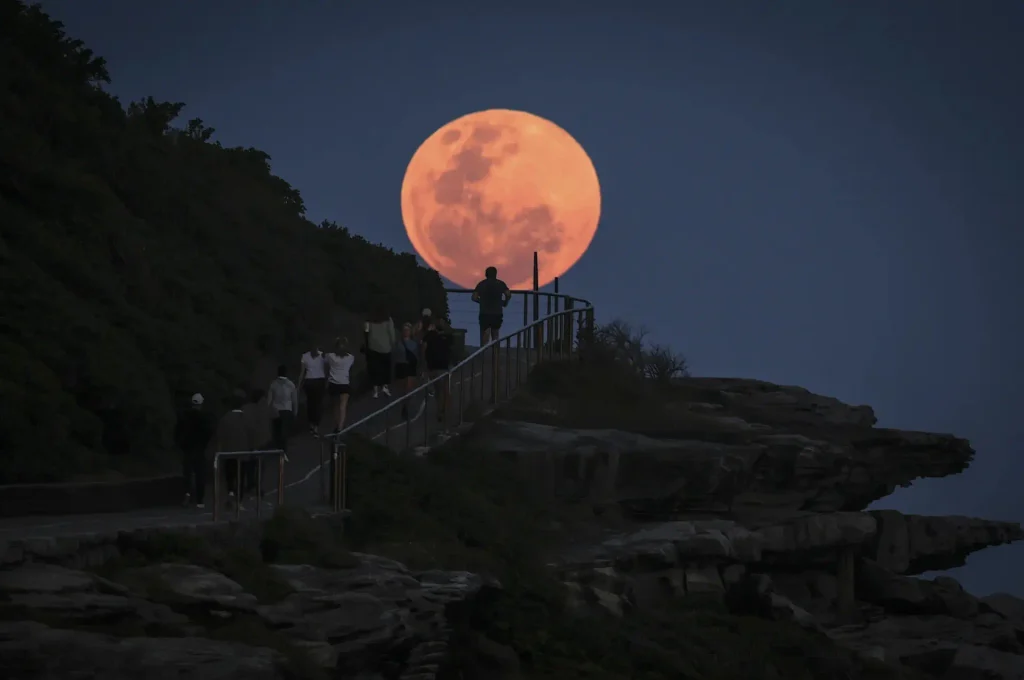
Credit: Getty Images/David Gray/AFP/
The Hunter’s Moon will reach its full phase on Monday, October 26, 2026, at 4:11 a.m. UTC (12:11 a.m. EDT on October 26). The exact local time varies by time zone, but the Moon will appear almost completely full to the naked eye on the surrounding nights.
For observers in the United States and Europe, the evening of October 25 will be an excellent opportunity to watch the Moon rise, while the evening of October 26 will also offer a beautiful view. The best viewing time depends on your location, local moonrise, cloud cover, and nearby buildings or hills. Check a local Moon calendar for the exact moonrise time in your area.
How to See the Hunter’s Moon 2026
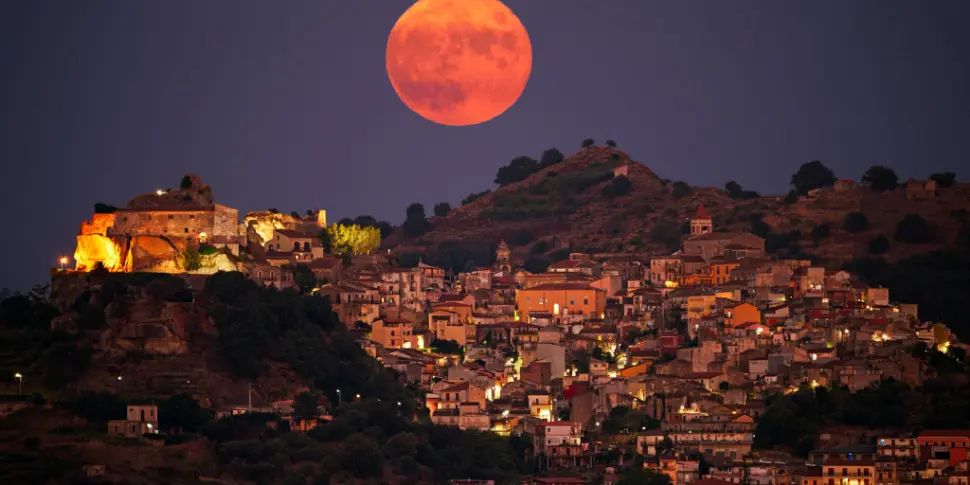
The easiest way to enjoy the Hunter’s Moon is to find a location with a clear view of the eastern horizon. Start looking around local sunset, when the Moon typically rises in the east. Moonrise times vary across the United States and Europe, so check a local astronomy calendar to find the best time for your area.
When the Moon first appears above the horizon, it may look orange or yellow. This happens because its light travels through more of Earth’s atmosphere, scattering shorter blue wavelengths and allowing more reddish and yellowish light to reach your eyes. As the Moon climbs higher, it usually appears whiter or paler. It may also seem unusually large near the horizon because of an optical effect called the Moon illusion. The Moon is not actually getting bigger; our brains perceive it differently when it appears alongside familiar objects.
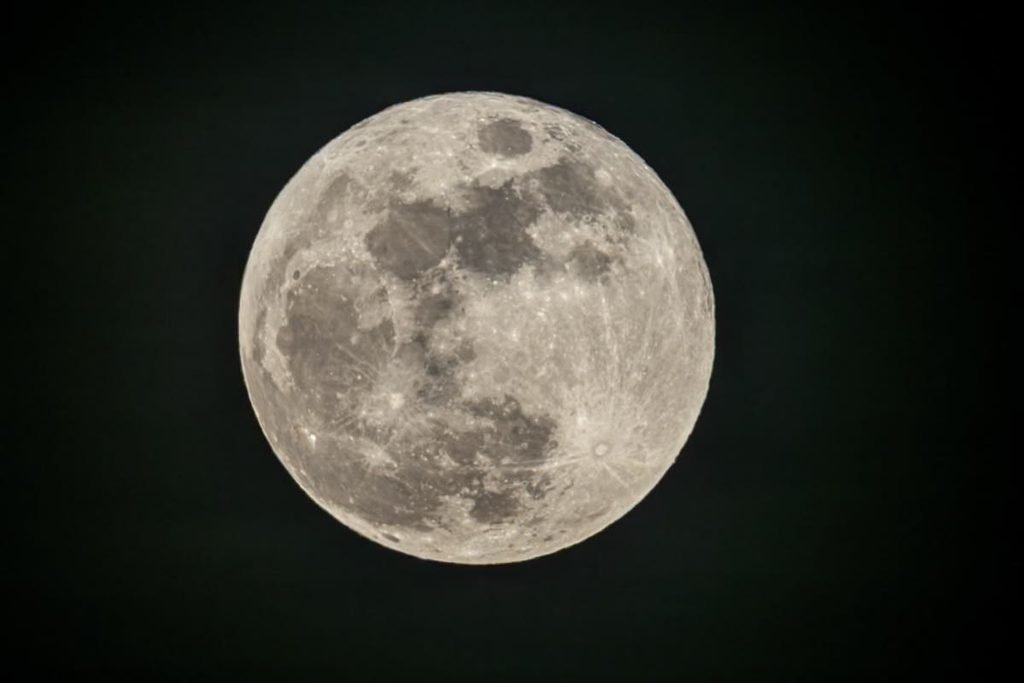
You can enjoy the full Moon with the naked eye, but binoculars can reveal more lunar details, while a telescope can show craters and mountain ranges. Choose a safe, open viewing spot away from bright streetlights if possible. Give your eyes time to adjust to the darkness, and avoid looking at a bright phone screen while observing.
If you want to explore the night sky beyond the full Moon, our guide on how to stargaze without a telescope can help you get started using just your eyes.
Why Is It Called the Hunter’s Moon?
The name Hunter’s Moon comes from seasonal traditions in the Northern Hemisphere. After autumn harvests, fields were often cleared, making it easier to spot animals. The bright Moon also provided extra natural light for hunting and preparing food for the colder months ahead. The name is traditional rather than an official astronomical classification.
The Hunter’s Moon is not a different type of Moon, nor does it automatically mean a supermoon or a lunar eclipse. It is simply the traditional name commonly given to October’s full Moon. Its appearance depends on atmospheric conditions, your viewing location, and the position of the Moon in the sky. To learn where other traditional lunar names come from, explore our guide to full Moon names and their meanings.
Tips for Photographing the Moon
Credit: Canva
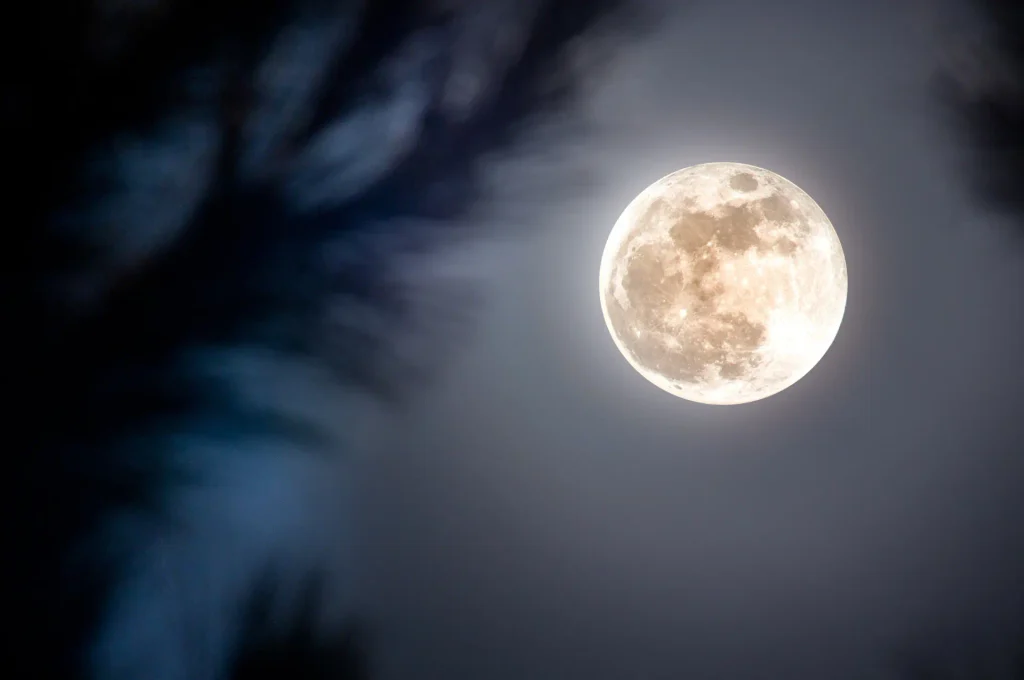
If you want to capture the Hunter’s Moon 2026, try photographing it shortly after moonrise. Including a tree, mountain, building, or other foreground object can create a more interesting composition and emphasize the Moon’s position near the horizon.
Use a tripod if you have one, and lower your camera exposure to preserve details on the bright lunar surface. A smartphone can also capture a memorable image, especially when the Moon is framed by the landscape. If you have binoculars or a telescope, you can enjoy a closer look at lunar features, although the full Moon’s direct sunlight makes surface shadows less pronounced than during other phases.
Hunter’s Moon 2026
The Hunter’s Moon on October 26, 2026, is an easy and rewarding celestial event to enjoy without expensive equipment. For the best experience, plan your observation around local moonrise on October 25 or 26, choose a location with a clear eastern horizon, and give yourself time to watch the Moon climb into the night sky.
Whether you observe it with the naked eye, explore its surface through binoculars, or photograph it against an autumn landscape, October’s full Moon offers a simple reminder of the beauty of our nearest celestial neighbor.
Look Up. Observe Vastness.
LUOV