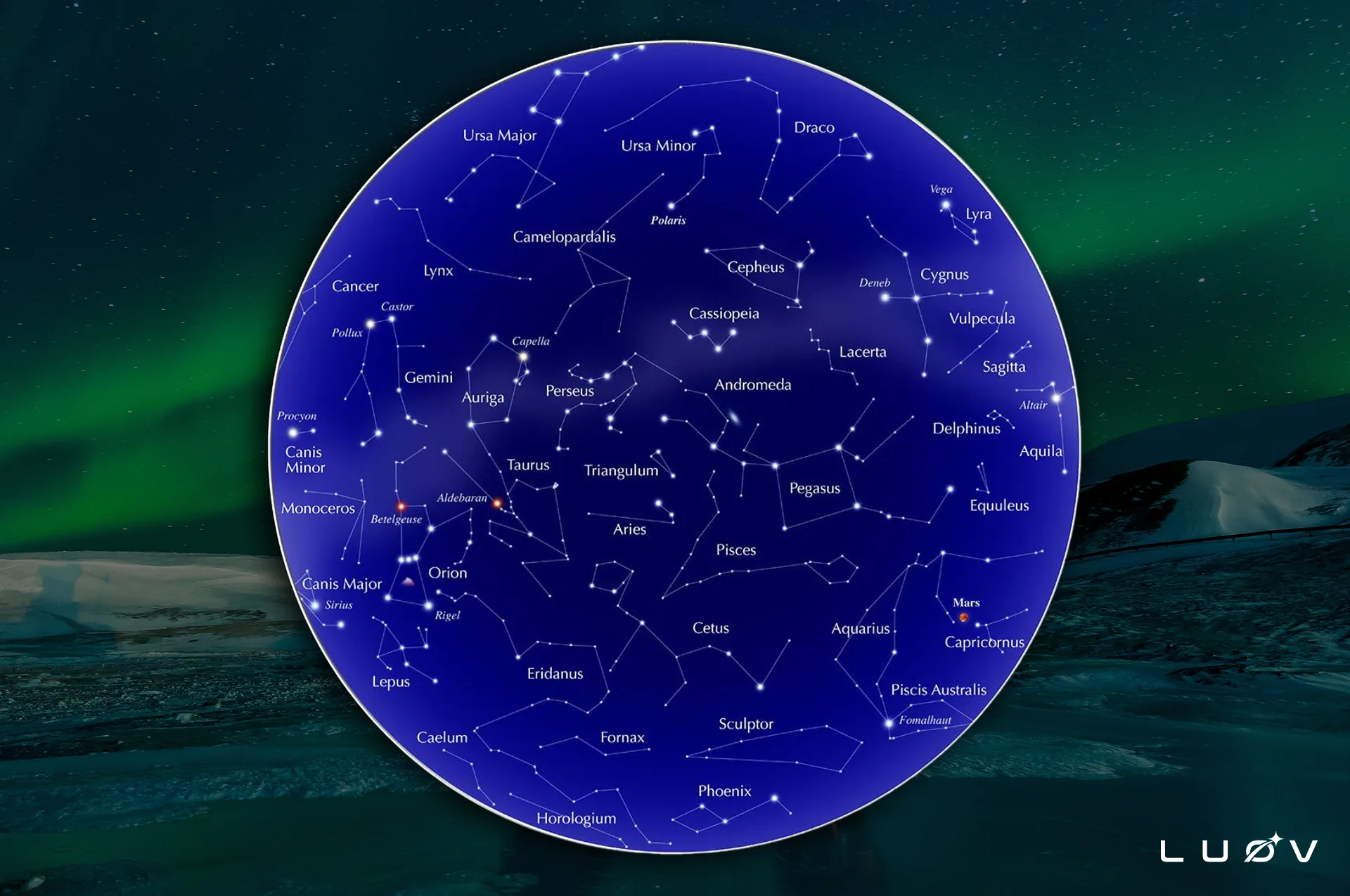
The night sky is filled with thousands of stars, but how do you know what you are looking at? A star map makes it easier to navigate the sky by showing the locations of stars, constellations, and other celestial objects. Whether you’re observing from your backyard or exploring a dark sky far from city lights, learning how to read a star map can help you turn a sky full of unfamiliar lights into a world of recognizable patterns.
How to Read a Star Map Step by Step
1. Check the Date, Time, and Location
Before learning how to read a star map, make sure you are using one that matches your observing conditions. The stars visible in the evening change throughout the year because Earth moves around the Sun, while the sky appears to shift throughout the night as Earth rotates. You can also learn more about the best time to stargaze and how timing affects what you can see.
Choose your location, date, and observing time when using a digital sky map. If you have a printed chart, check the month and time it was designed for. A chart made for another season or location may show stars that are below your horizon or difficult to see.
2. Understand Directions on the Map
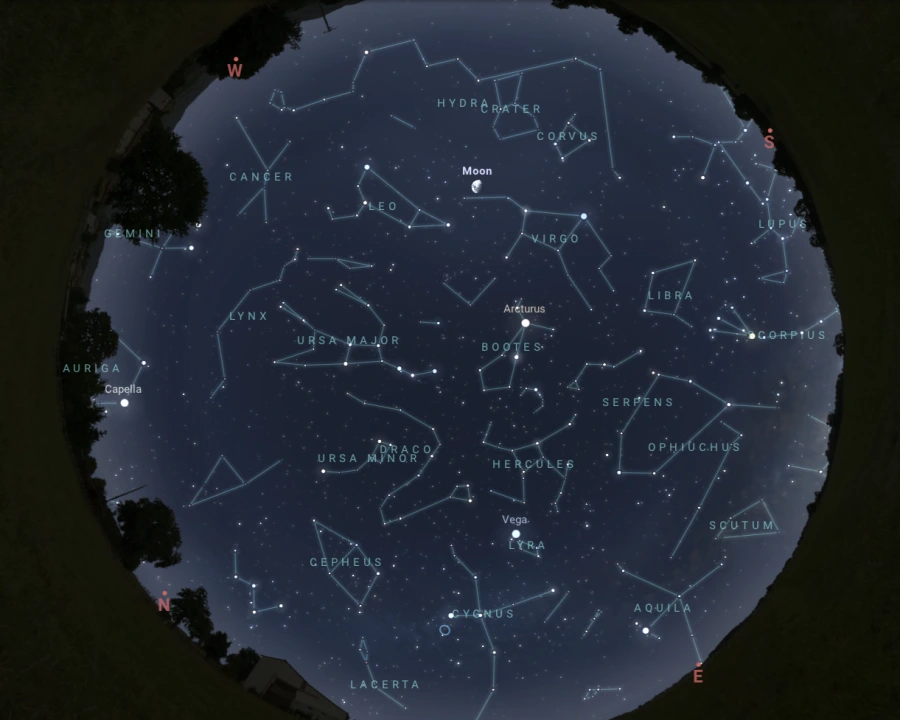
A star map uses directions such as north, south, east, and west to help you find objects in the sky. Start by identifying the direction you are facing. If you know where the Sun sets, you can use that general direction to locate west.
Circular star charts are often designed to be held overhead. Turn the chart until its compass directions match the real directions around you. On many all-sky charts, north, south, east, and west appear around the edge, while the center represents the point directly overhead, called the zenith.
Remember that a sky map is not always oriented like an ordinary road map. Some charts reverse the usual left-right arrangement, so always follow the directions printed on your particular chart.
3. Find Bright Stars and Constellations
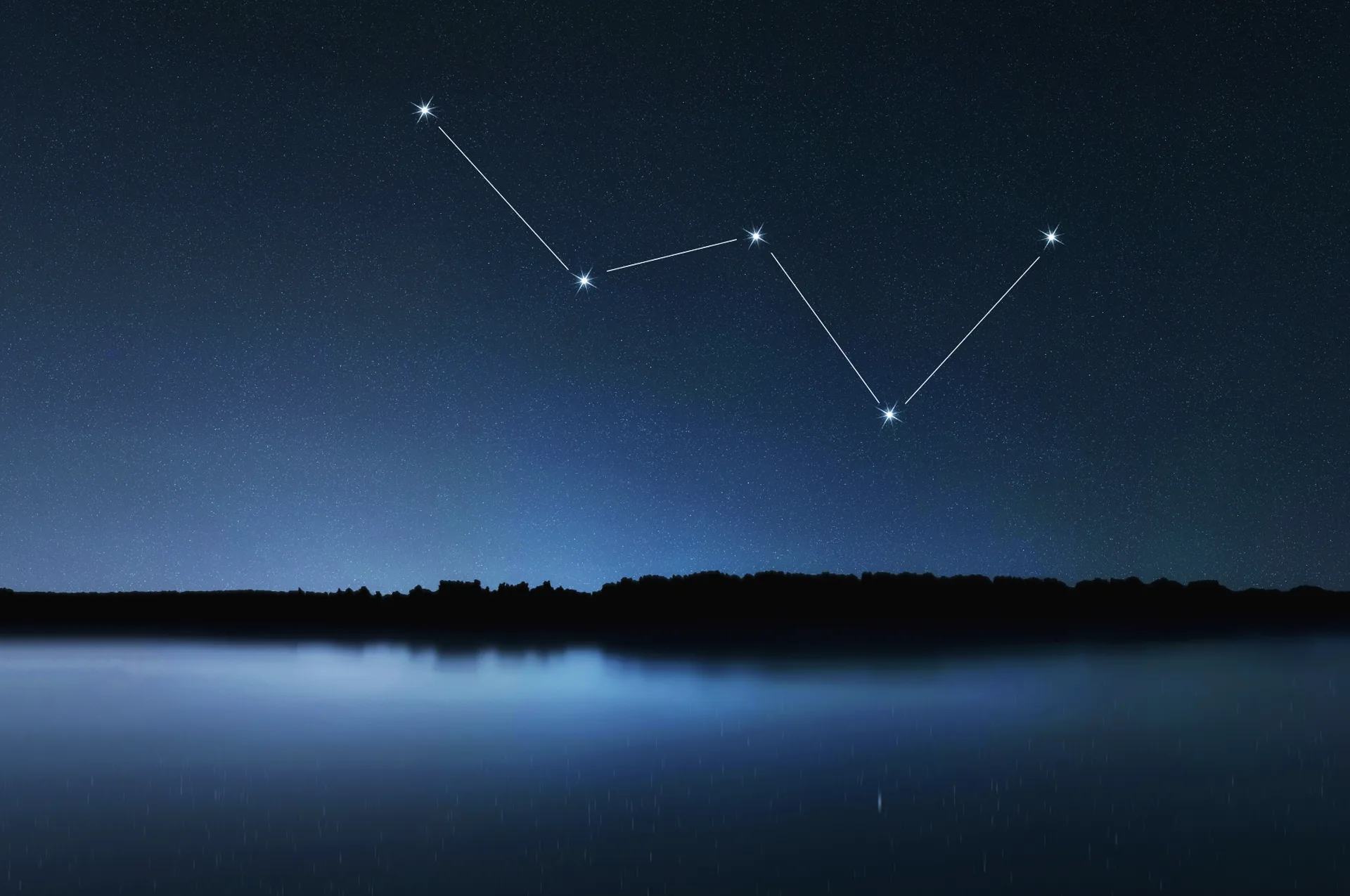
When learning how to read a star map, start with the brightest stars rather than trying to identify every point of light. Many charts use larger dots to represent brighter stars and smaller dots for fainter ones. Lines may connect selected stars to illustrate familiar constellations.
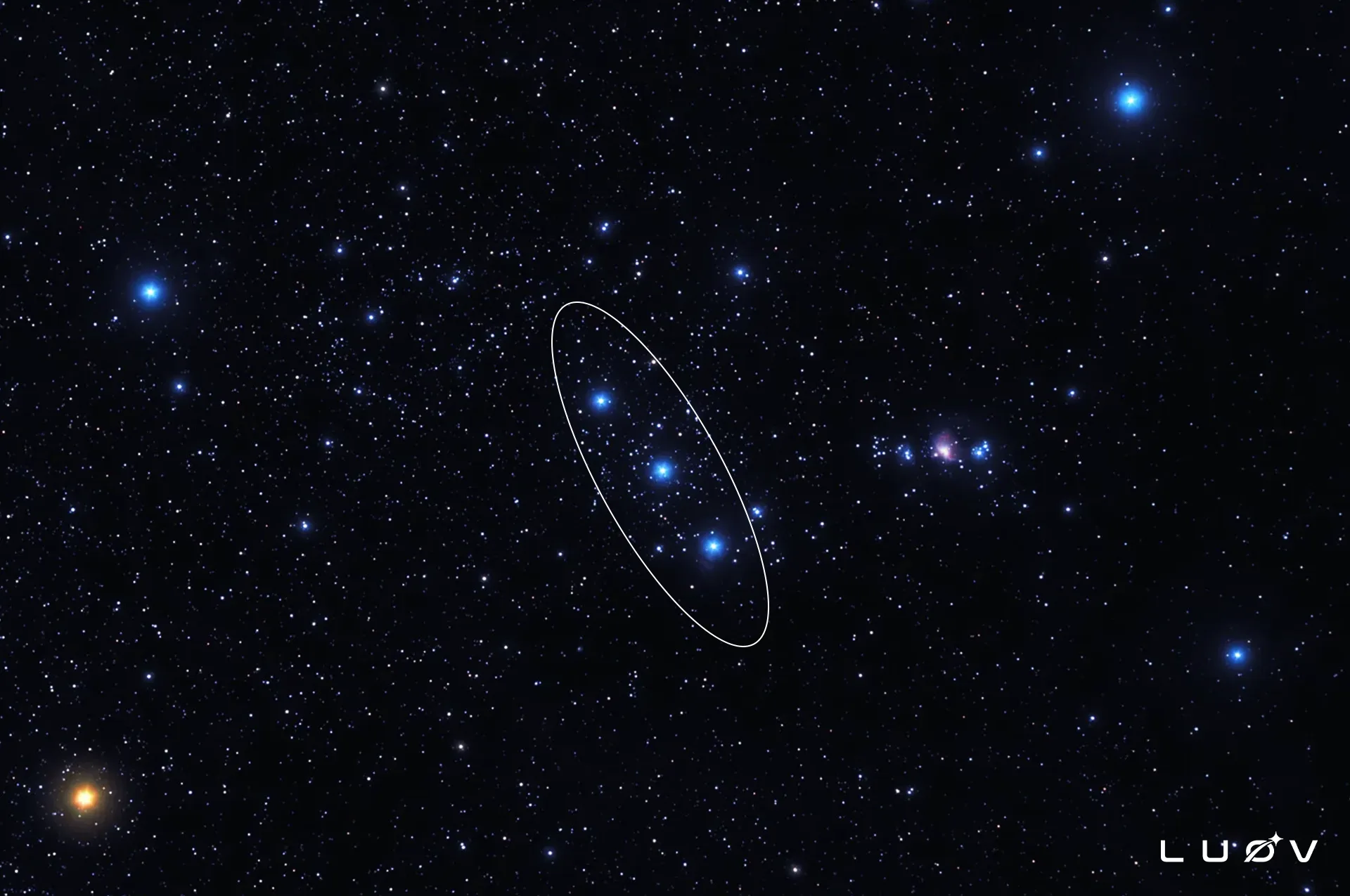
Look for recognizable patterns, such as Orion’s Belt or the Big Dipper, when they are visible from your location. Cassiopeia is another useful pattern to learn because its distinctive W shape is relatively easy to recognize. You can follow our guide on how to find Cassiopeia in the night sky to use it as another reference point for locating nearby stars and constellations.
Keep in mind that the lines connecting stars are visual guides. The stars in a constellation may appear close together in the sky even though they are actually separated by enormous distances in space.
4. Understand the Map’s Symbols and Scale
Most star charts include symbols or labels to distinguish stars, planets, galaxies, nebulae, and star clusters. Their meanings can vary, so check the chart’s legend before using it.
Some detailed maps also include celestial coordinates. Right ascension is similar to longitude on Earth, while declination is similar to latitude. Together, these coordinates help astronomers describe the position of an object on the celestial sphere.
On a circular all-sky map, objects near the center are generally higher in the sky, while those closer to the outer edge are nearer the horizon. This makes it easier to estimate where to look once the chart is correctly oriented.
How to Use a Star Map Outdoors
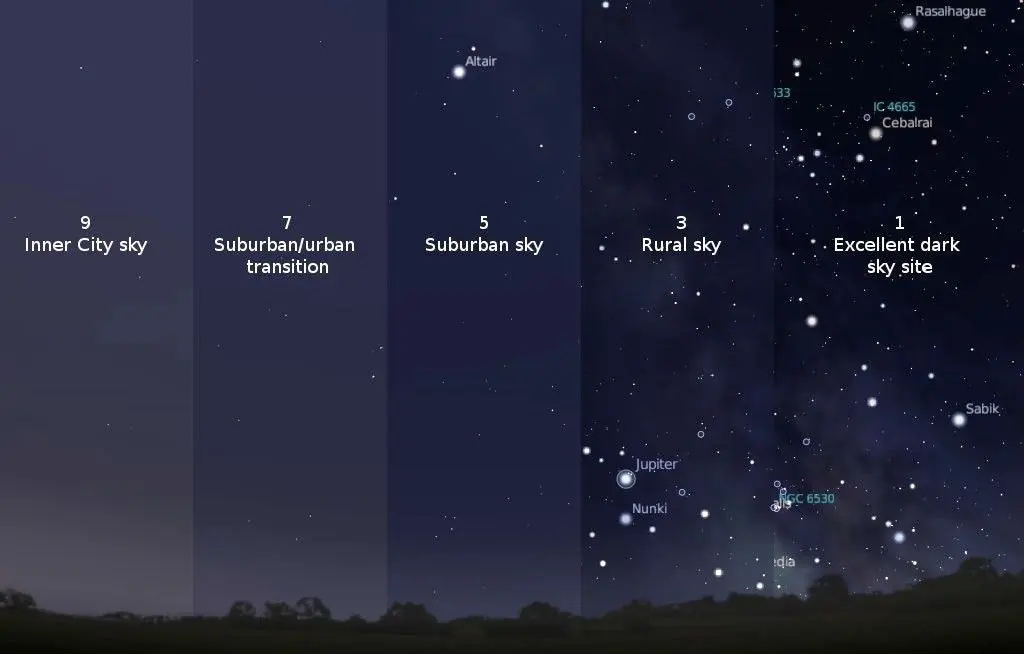
Take your star map outside on a clear night and give your eyes time to adjust to the darkness. If possible, choose a location away from bright streetlights, buildings, and other sources of light pollution. Darker skies make faint stars easier to see.
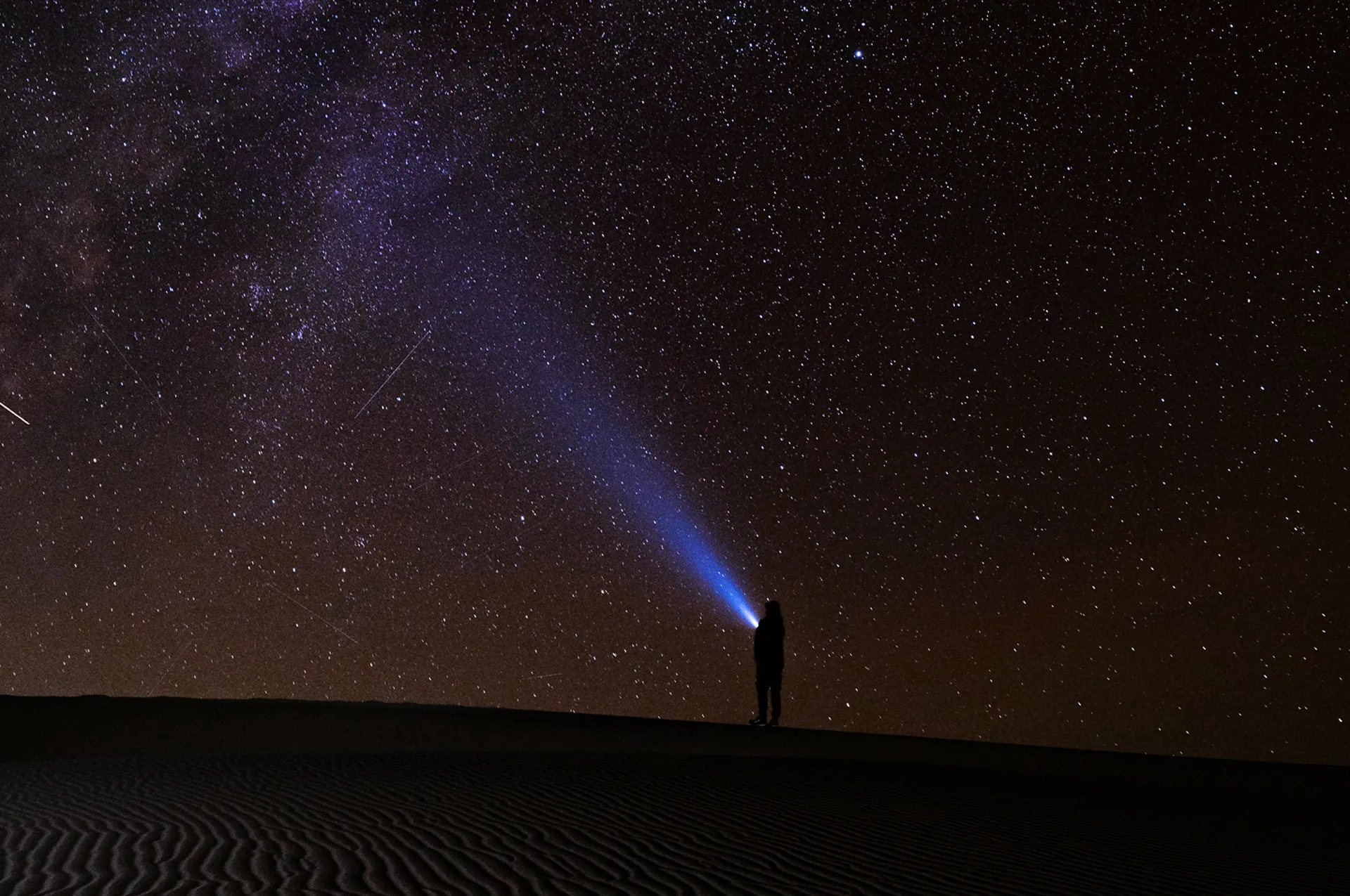
Begin with one bright star or constellation shown on your chart. Look in the correct direction, compare the pattern of stars with the map, and move gradually toward nearby objects. A dim red flashlight can help you read a printed chart without affecting your night vision as much as bright white light.
You do not need a telescope to get started. Your eyes are enough to learn basic constellations, and binoculars can help you explore more stars and larger celestial objects. Free tools such as Stellarium can also display the sky from your location and help you practise before going outside. If you are just getting started, our guide on how to stargaze without a telescope can help you learn what to look for using only your eyes.
How to Read a Star Map
Learning how to read a star map becomes much easier when you practise regularly. Start with familiar constellations, check the date and time, and make sure your chart matches the direction you are facing. As you become more confident, you can use increasingly detailed charts to locate planets, star clusters, and distant galaxies.
The night sky may seem endless, but you do not need to learn everything at once. Begin with a few bright stars, return to the sky on clear nights, and gradually build your knowledge. Before long, a confusing field of stars can become a map of familiar celestial landmarks.
Look Up. Observe Vastness.
LUOV