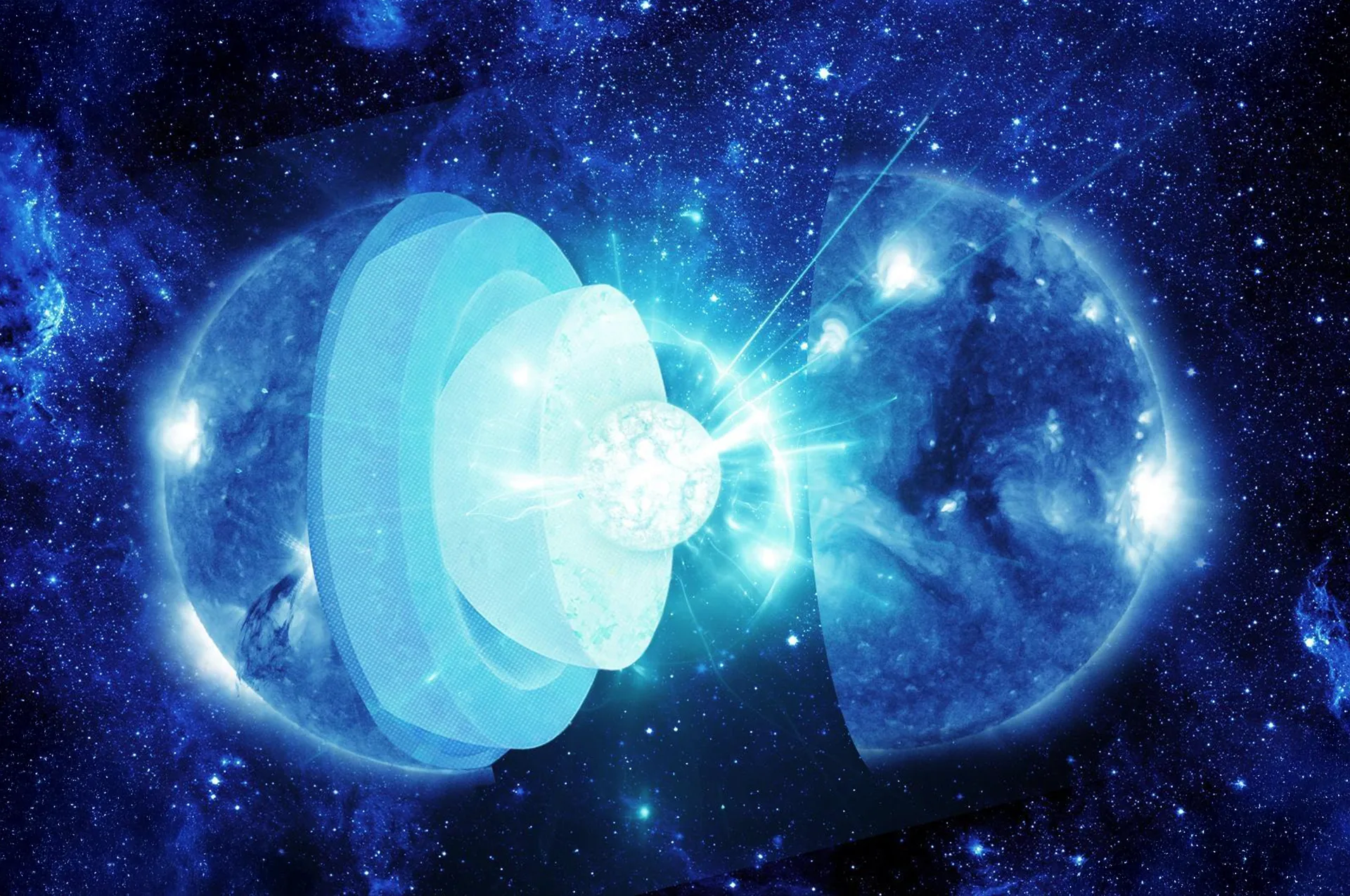
What Is a Neutron Star? It is the incredibly dense remnant of a massive star that has reached the end of its life. Although a neutron star is only about 20 kilometres across, it can contain more mass than our entire Sun. These extreme objects are among the densest known objects in the universe, giving astronomers a unique way to study matter under conditions that cannot be recreated on Earth.
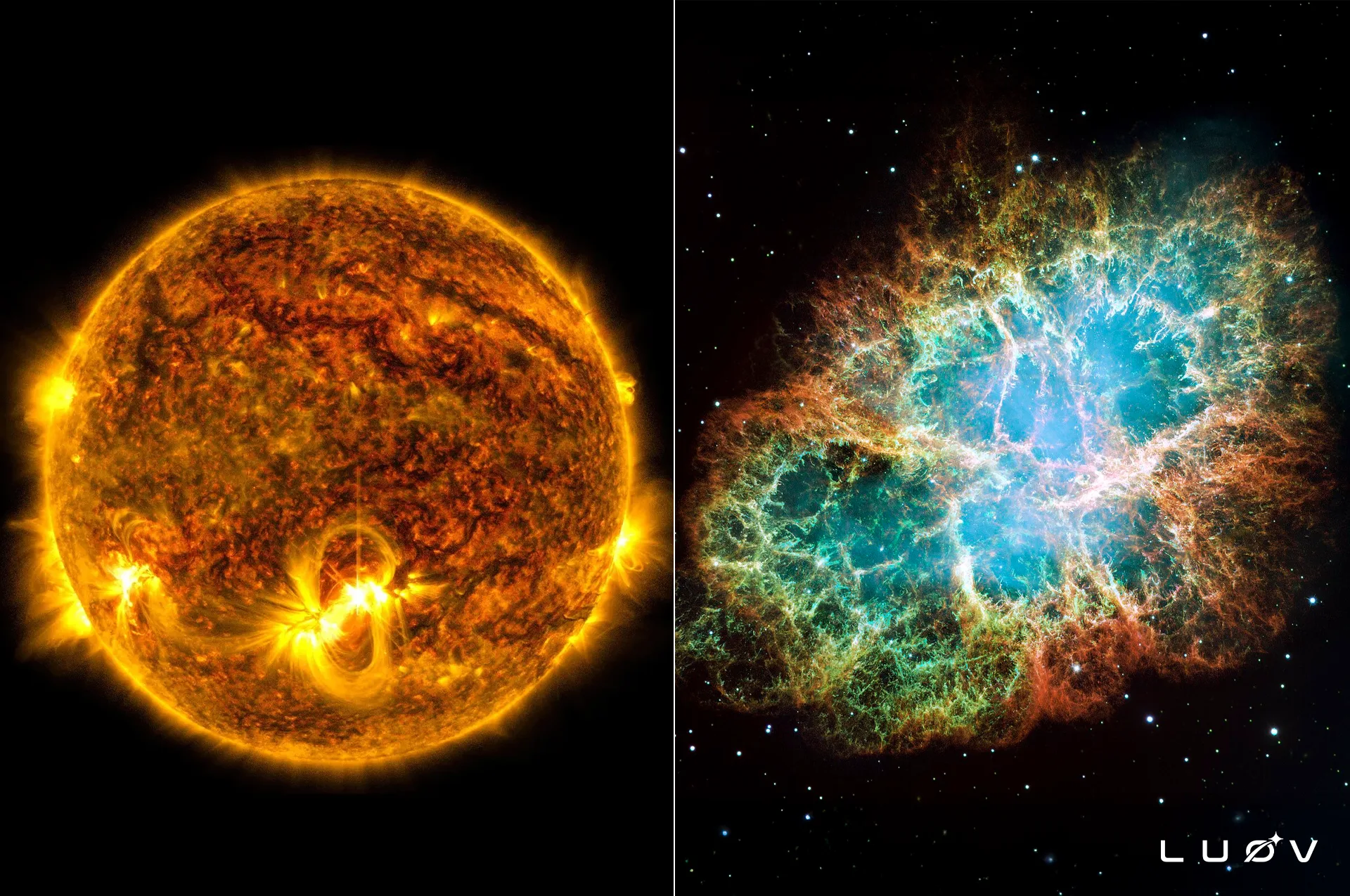
Neutron stars form when massive stars run out of nuclear fuel and their cores collapse under gravity. During this process, the outer layers of the dying star can be blasted into space in a powerful explosion called a supernova. The remaining core becomes so compressed that protons and electrons combine to form neutrons. If the core has the right mass, it becomes a neutron star. If it is too massive to resist further collapse, it may instead form a black hole.
How Dense Is a Neutron Star?
Credit: ESA
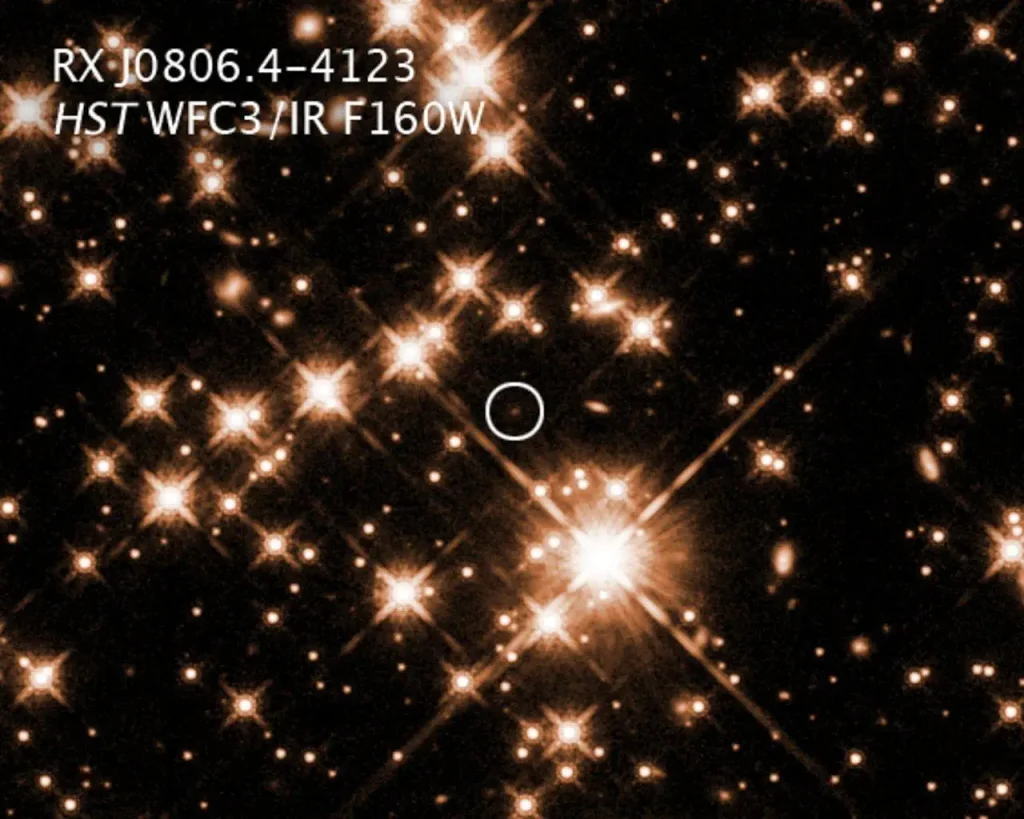
The density of a neutron star is difficult to imagine. A typical neutron star packs around 1.4 times the Sun’s mass into a sphere roughly the size of a city. To put that into perspective, a teaspoon of neutron star material would have a mass of around a trillion kilograms. On Earth, that would be comparable to the mass of a large mountain.
This extraordinary density comes from the intense gravitational pressure inside the star. Ordinary matter is made of atoms, which contain a nucleus surrounded by electrons. Inside a neutron star, gravity compresses matter so strongly that the normal structure of atoms cannot survive. Neutrons make up most of the material, although the exact composition of the star’s deepest interior remains uncertain. Scientists study these objects to understand how matter behaves at extreme densities and how gravity shapes the universe.
What Happens Inside a Neutron Star?
A neutron star is not simply a smaller version of the Sun. It has a solid outer crust, an incredibly dense interior, and an intense gravitational field. Its surface gravity is far stronger than Earth’s, making the environment around it extremely hostile. Even light is affected by this powerful gravity, losing some energy as it escapes from the star’s surface.
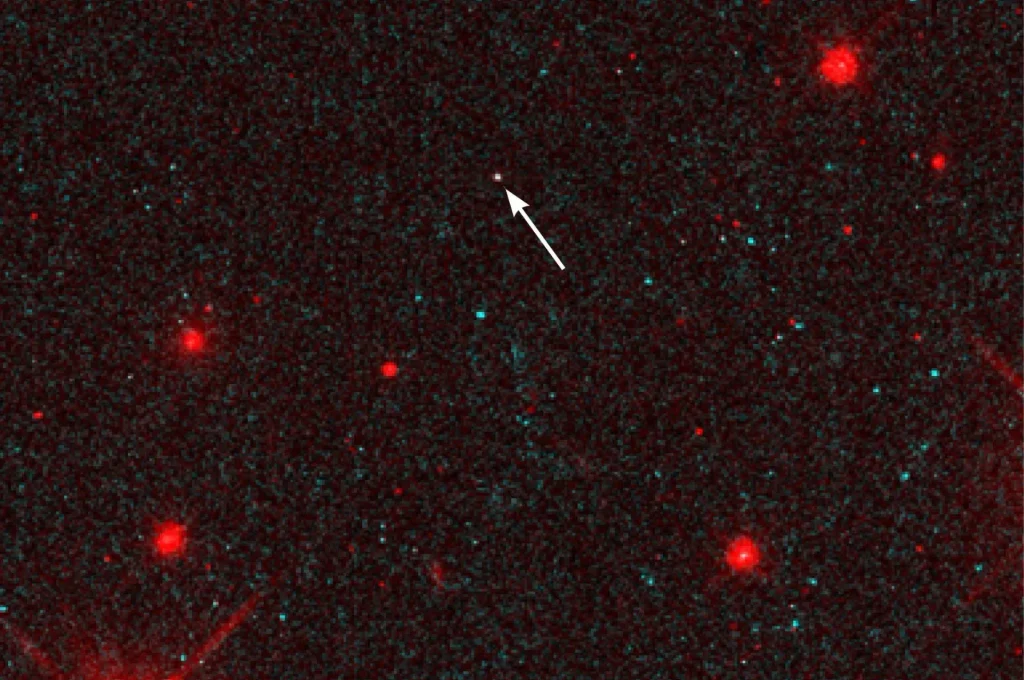
Neutron stars can also have extraordinarily strong magnetic fields and rotate at remarkable speeds. Some complete hundreds of rotations every second. When their magnetic poles produce beams of radiation that sweep across space, they are known as pulsars. If one of these beams points toward Earth, telescopes can detect regular pulses of radiation, much like the flashing light of a lighthouse. Not every neutron star is an observable pulsar, but pulsars have helped astronomers measure these objects with remarkable precision.
Why Are Neutron Stars Important to Astronomy?
Studying neutron stars helps scientists explore some of the most extreme conditions in nature. Their mass, size, rotation, and radiation provide clues about how matter behaves under immense pressure. Observations can also help researchers test Einstein’s theory of general relativity, which describes how gravity affects space and time.
Neutron stars can produce even more dramatic events when two of them orbit each other and eventually collide. Such mergers create gravitational waves, which are ripples in space-time, and can release material that helps form heavy elements, including gold and platinum. In 2017, astronomers observed a neutron star merger through both gravitational waves and light, providing important evidence about how these elements are created. These discoveries show that neutron stars are not only fascinating remnants of dead stars but also key to understanding the history and chemistry of the universe.
What Is a Neutron Star?
Neutron stars reveal just how extreme the universe can be. They compress enormous amounts of matter into a space smaller than many cities, spin at incredible speeds, and possess magnetic fields far stronger than anything we can produce on Earth. Although scientists have learned much about them, important questions about their interiors remain unanswered. Each new observation brings us closer to understanding these remarkable stellar remnants and the powerful forces that shape our cosmos.
Look Up. Observe Vastness.
LUOV