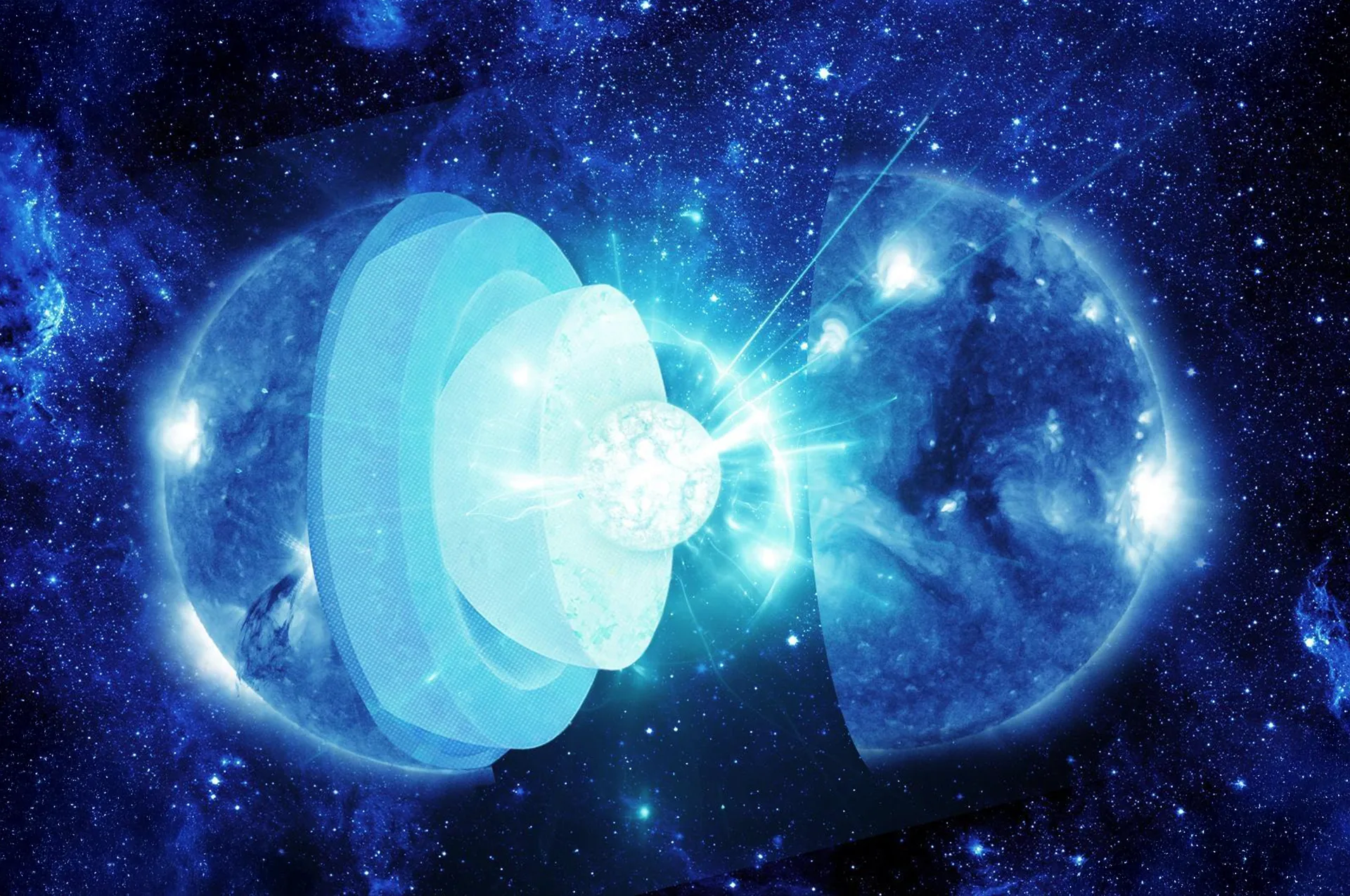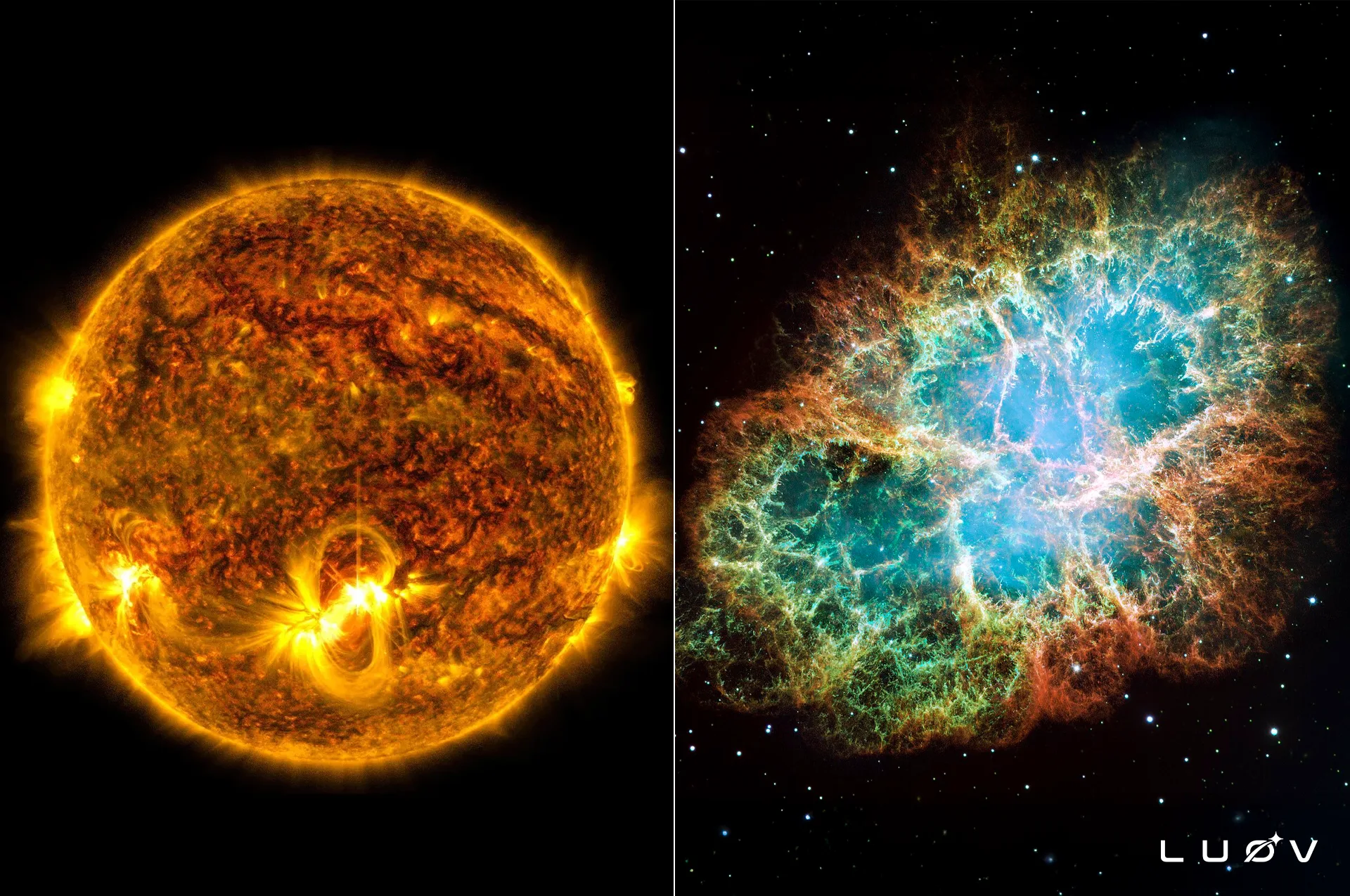
What is a supernova? A supernova is one of the most powerful explosions in the universe, marking the dramatic end of certain stars. For a short time, a supernova can shine brighter than all the stars in its host galaxy combined. These incredible events release enormous amounts of energy and scatter material across space, helping shape the universe we see today.
But what causes a star to explode, and what happens after the explosion?
What Is a Supernova?
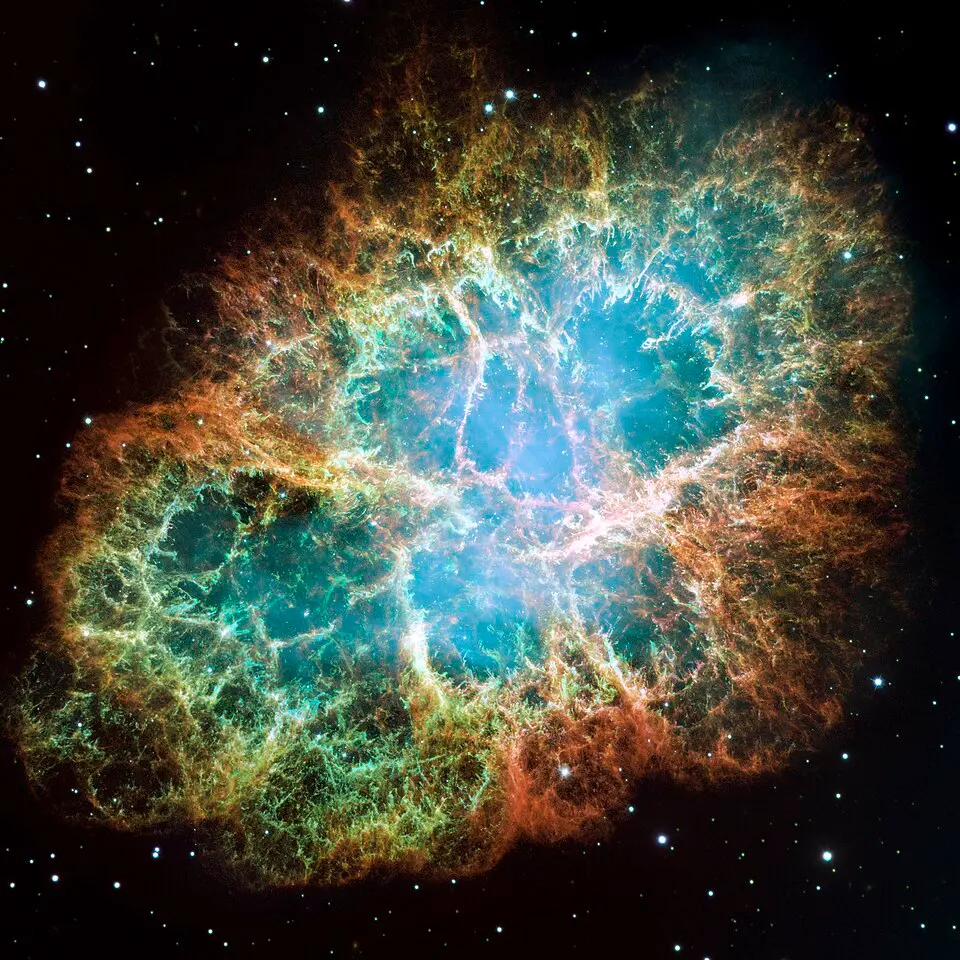
A supernova is an enormous stellar explosion that occurs when a star reaches the end of its life or when a white dwarf undergoes a runaway nuclear reaction. Unlike a smaller outburst called a nova, which usually affects a star’s outer layers, a supernova can destroy the star itself or leave behind an extremely dense remnant.
Astronomers have observed supernovae in distant galaxies using powerful telescopes, including the Hubble Space Telescope. These explosions can take days to reach peak brightness and may remain visible for weeks or months before gradually fading. Studying them helps scientists understand how stars evolve, how chemical elements spread through space, and how the universe changes over time.
What Causes a Star to Explode?
There are two main ways a supernova can occur: the collapse of a massive star’s core and the thermonuclear explosion of a white dwarf.
Each process begins differently, but both can release enormous amounts of energy.
1. Core-Collapse Supernova
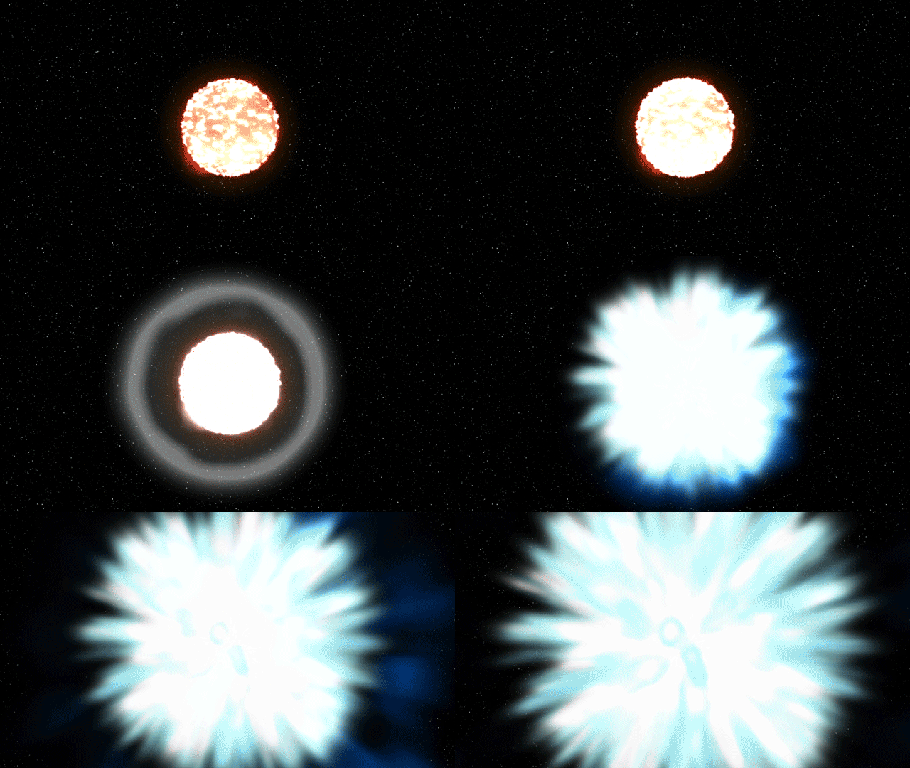
Massive stars spend much of their lives producing energy through nuclear fusion in their cores. This process creates outward pressure that balances the inward pull of gravity, keeping the star stable. As the star ages, it begins forming heavier elements, eventually building up an iron-rich core.
Iron fusion does not provide the energy needed to support the core. Once the core can no longer resist gravity, it collapses rapidly, triggering an explosion that blasts much of the star’s outer material into space. This is called a core-collapse supernova and typically occurs in stars born with at least about eight times the Sun’s mass.
2. Type Ia Supernova
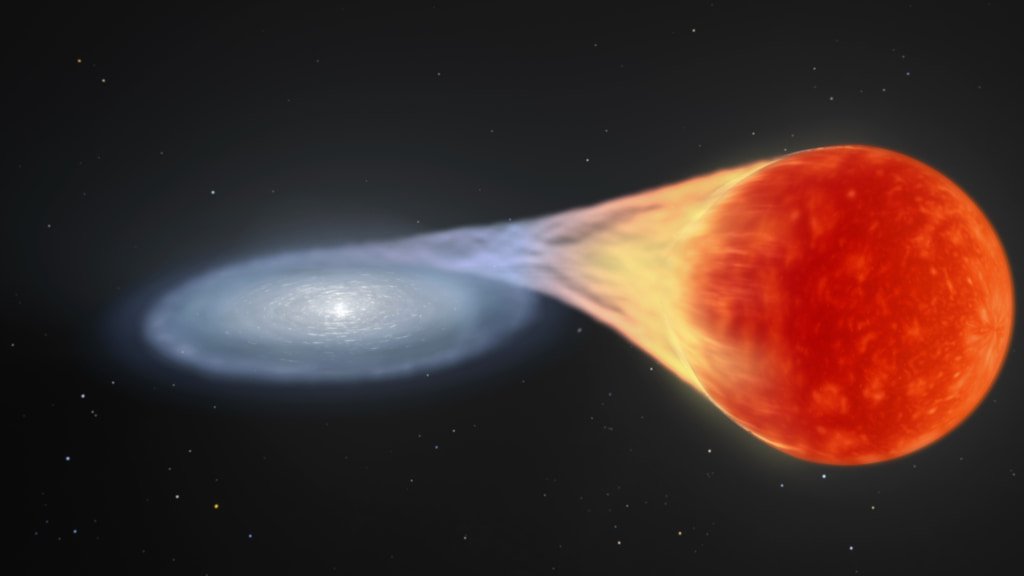
A Type Ia supernova follows a different path. It involves a white dwarf, the dense leftover core of a star that has completed its normal life cycle. In some binary star systems, a white dwarf can gain matter from a nearby companion. Under suitable conditions, this can trigger runaway nuclear fusion and cause the white dwarf to explode.
Type Ia supernovae are particularly useful to astronomers because their brightness can be calibrated to estimate distances to faraway galaxies. By comparing their known luminosity with how bright they appear from Earth, scientists can measure cosmic distances and investigate the expansion of the universe. To learn more about how astronomers calculate these enormous distances, explore our guide on how astronomers measure distance in space.
What Happens When a Star Explodes?
During a core-collapse supernova, the star’s outer layers are hurled into space at tremendous speeds. The expanding debris heats surrounding gas and dust, creating a glowing structure known as a supernova remnant. This material can continue expanding for thousands of years, allowing astronomers to study the explosion long after the initial flash has faded.
The core’s final fate depends on its remaining mass. It may become a neutron star, an incredibly dense object made mostly of neutrons, or collapse further to form a black hole. A neutron star can be only about 20 kilometres across while containing more mass than the Sun. A black hole, meanwhile, has gravity so strong that nothing crossing its event horizon, including light, can escape.
Supernova explosions also help enrich space with chemical elements. They disperse material that can become part of future stars, planets, and other celestial objects. Elements such as oxygen, silicon, and iron are essential ingredients in the cosmic material from which planets and living things form.
Can Our Sun Become a Supernova?
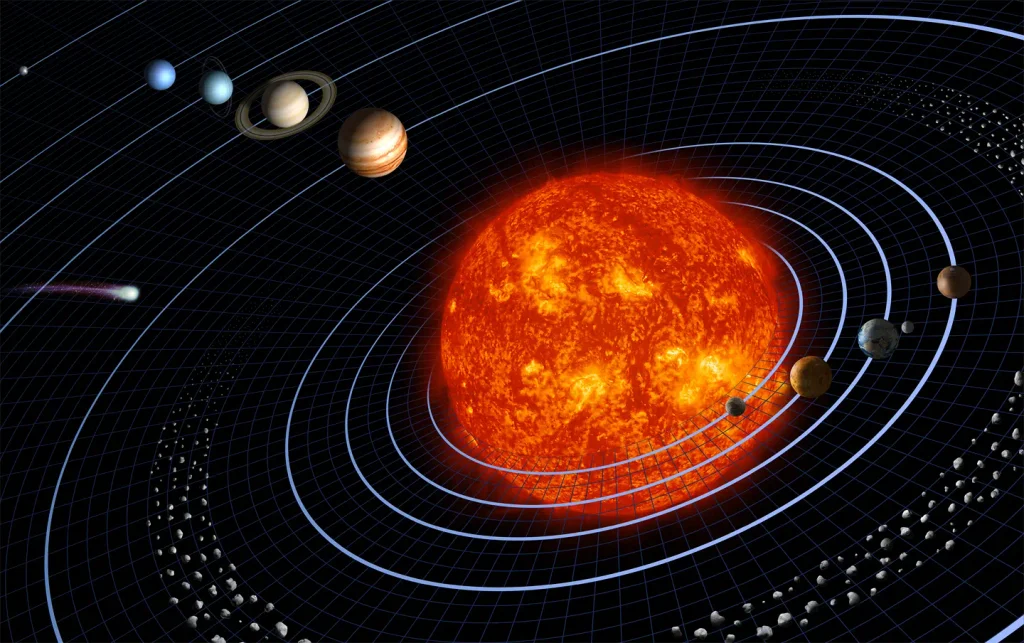
No, our Sun is not massive enough to end its life in a supernova. In about five billion years, it is expected to expand into a red giant as it runs low on hydrogen fuel. Eventually, it will shed its outer layers, leaving behind a hot, dense white dwarf that slowly cools over time.
This is the expected fate of the Sun because it lacks the mass needed for a core-collapse explosion. Although the Sun will not produce a supernova, its final stages will still transform the inner solar system and return some of its material to space. Understanding this difference helps astronomers explain why stars follow different paths depending on their mass.
Why Supernovae Matter to the Universe
Supernovae are more than spectacular cosmic explosions. They help distribute chemical elements throughout galaxies, contribute to the formation of new stars, and give scientists valuable clues about the universe’s history. Type Ia supernovae have also played an important role in measuring cosmic distances and studying the expansion of the universe.
Every supernova reveals something about the life and death of stars. By observing these distant explosions and their expanding remnants, astronomers can investigate how the universe recycles matter across generations. The atoms found in planets and living organisms are part of this wider cosmic story, connecting life on Earth to the long history of stars.
To learn what can remain after a massive star explodes, explore our guide to what a neutron star is.
Look Up. Observe Vastness.
LUOV