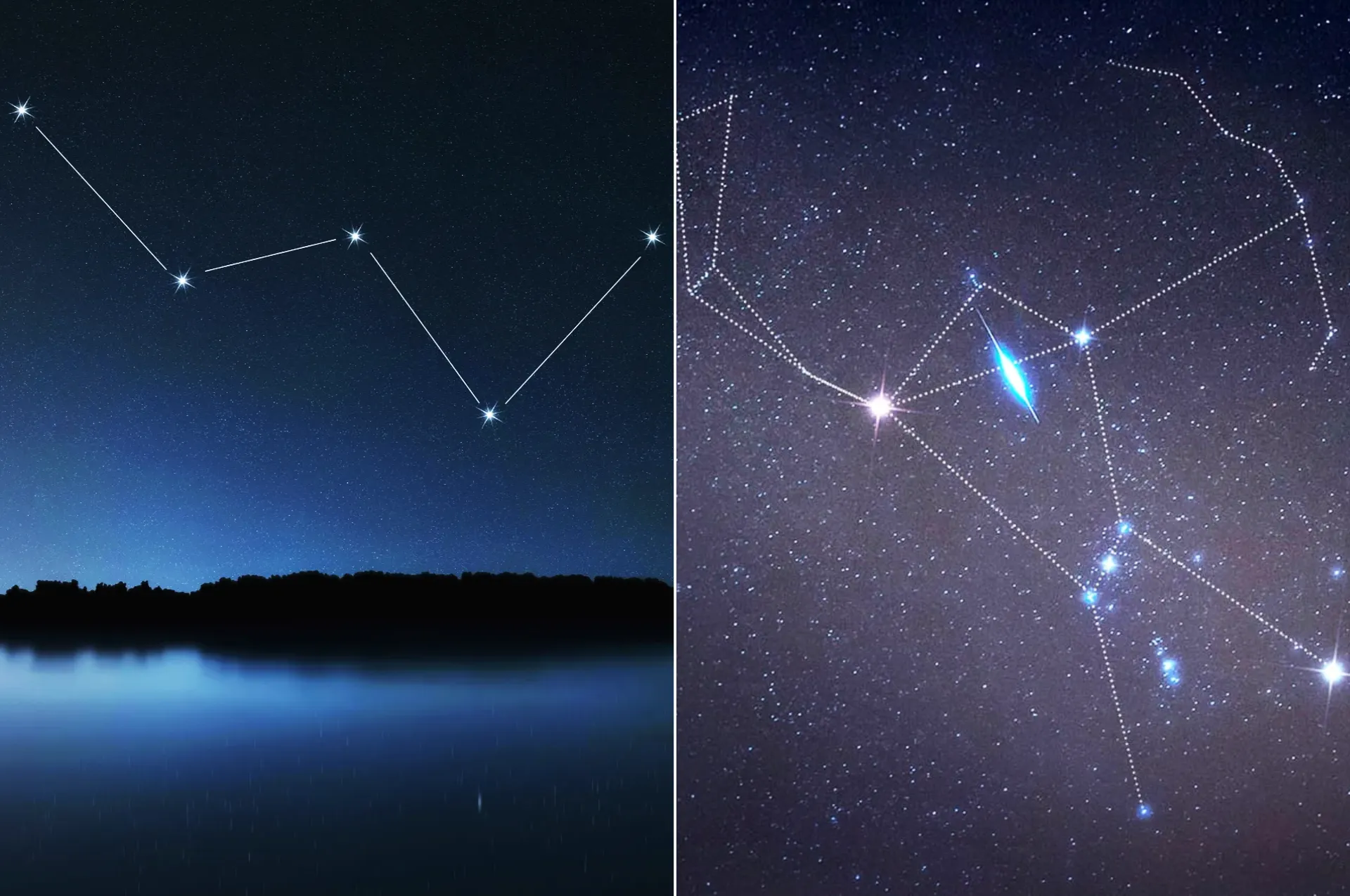
Space Events in May offer a rare mix of lunar phases, meteor showers, and planetary alignments that make this month especially exciting for skywatchers. This year, the timing of events is especially important, as many highlights happen on specific nights you won’t want to miss .
From early-month moonlight to late-month rare lunar events, May’s sky keeps changing. Knowing the exact dates helps you plan better and catch these events at the right time.
A major highlight among Space Events in May is the rare occurrence of two full moons.
May 1, 2026 – Full Flower Moon
Credit: Unsplash
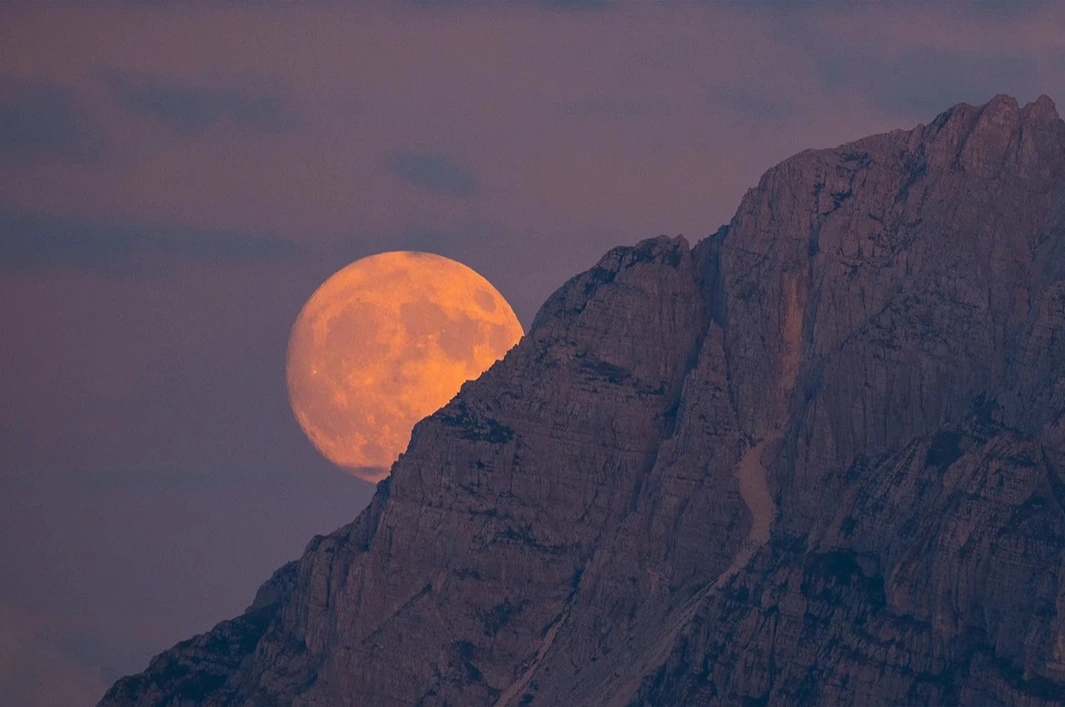
The first, known as the Flower Moon, appears at the beginning of the month and is named after the blooming season in the Northern Hemisphere . It shines brightly in the constellation Libra and can slightly reduce visibility of faint stars due to its strong light.
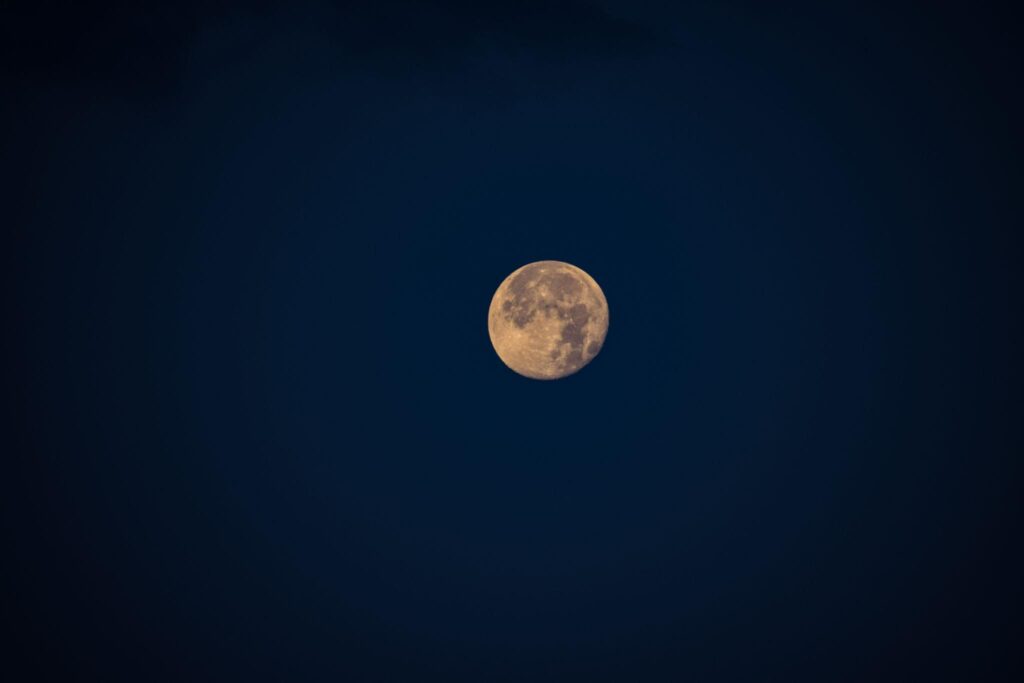
May 31, 2026 – Blue Micromoon
Credit: Pexels
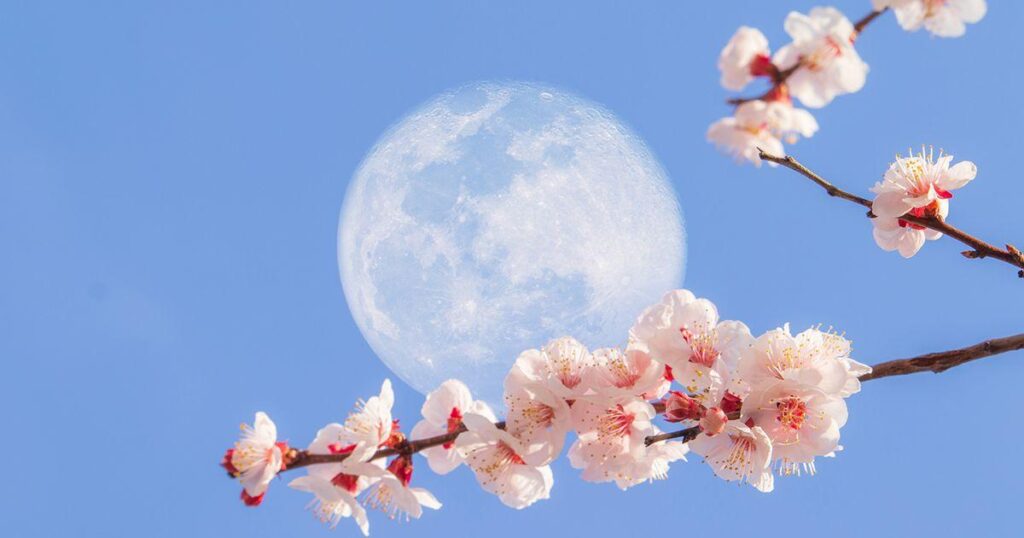
The second full moon at the end of the month is even more special. It is both a Blue Moon (second full moon in a calendar month) and a Micromoon, meaning it appears smaller and dimmer because it is farther from Earth . While the size difference is subtle to the naked eye, it’s a great opportunity for photography and comparison with other full moons.
Other Moon Phases:
May 9 – Last Quarter Moon
May 16 – New Moon (Best for dark skies)
May 23 – First Quarter Moon
These phases help determine how dark the sky will be for observing other Space Events in May.
Eta Aquarid Meteor Shower Peak
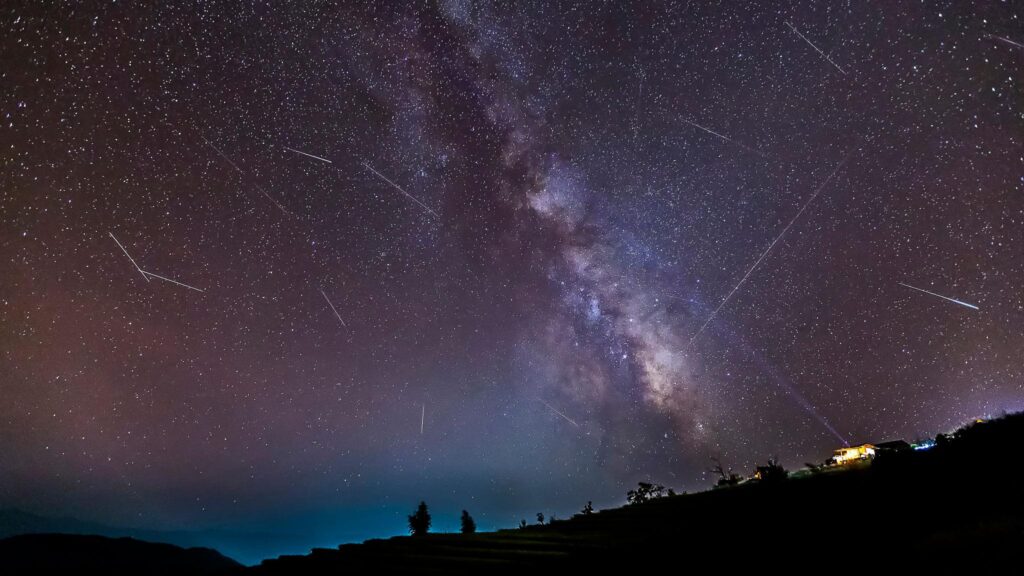
Another key highlight in Space Events in May is the Eta Aquarid meteor shower, which peaks around May 5–6. This meteor shower is linked to Halley’s Comet, as Earth passes through its dust trail .
Under ideal dark-sky conditions, observers might see up to 50–60 meteors per hour. However, this year, moonlight may reduce visibility to around 10–30 meteors per hour . The best time to watch is just before dawn, when the radiant point in Aquarius rises higher in the sky.
These meteors are known for their speed and glowing trails, making them one of the most beautiful and fast-moving meteor showers of the year.
Planetary Alignments and Conjunctions
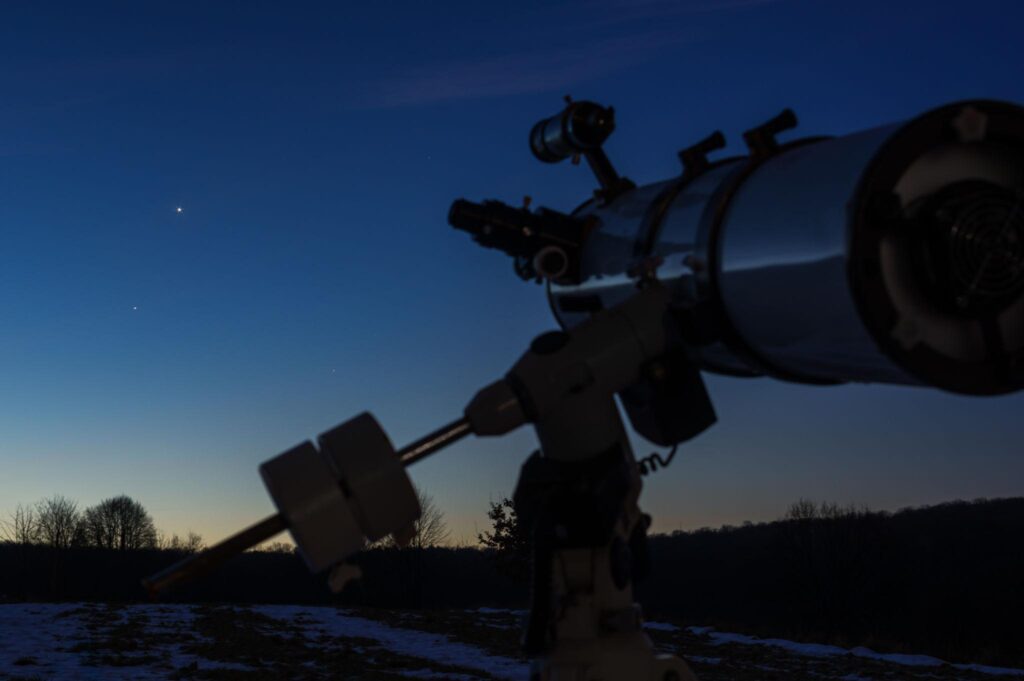
Space Events in May also include several eye-catching planetary alignments. Venus and Jupiter dominate the evening sky, forming bright pairings shortly after sunset. At times, they even align with Sirius to create a triangular pattern that’s easy to spot .
Mid-month, the Moon joins Venus and Jupiter in a series of conjunctions. On consecutive nights, the Moon appears near Venus, then between Venus and Jupiter, and finally near Jupiter. These close pairings are perfect for beginners because they are bright and visible even from cities.
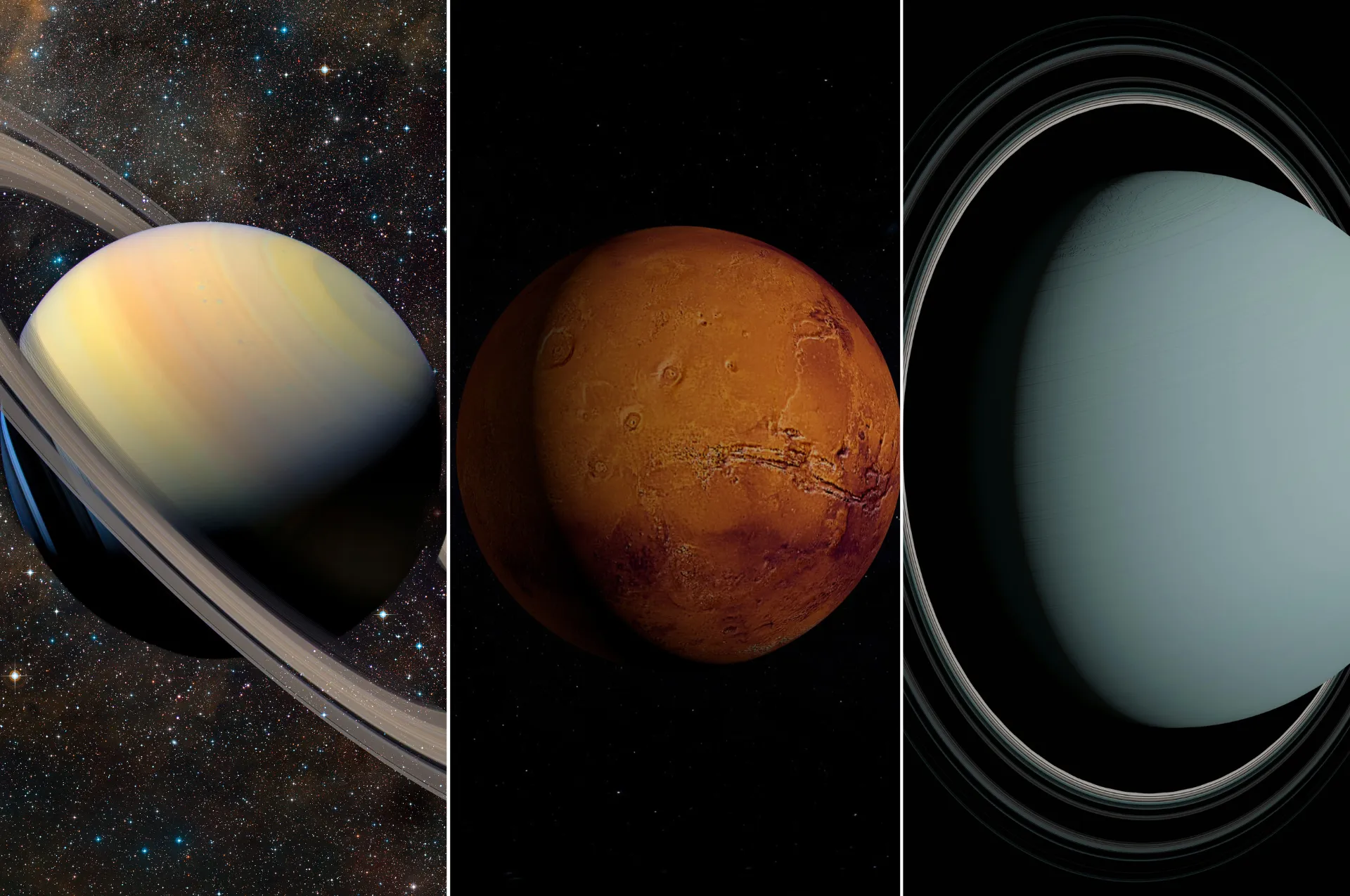
Meanwhile, Mars and Saturn are best seen in the early morning sky, rising before sunrise. Mercury briefly appears but is difficult to observe due to its position close to the Sun .
May 1 – Venus, Jupiter & Sirius form a triangle (evening sky)
May 18 – Moon near Venus
May 19 – Moon between Venus and Jupiter
May 20 – Moon near Jupiter
Asteroid Vesta and Deep Sky Highlights
Among the more unique objects in the night sky, asteroid Vesta is not at opposition during May 2026, so it will not be at its brightest or easiest to observe this month. While Vesta can still be seen with binoculars under dark skies, it will appear faint and is not a major highlight among the key Space Events in May.
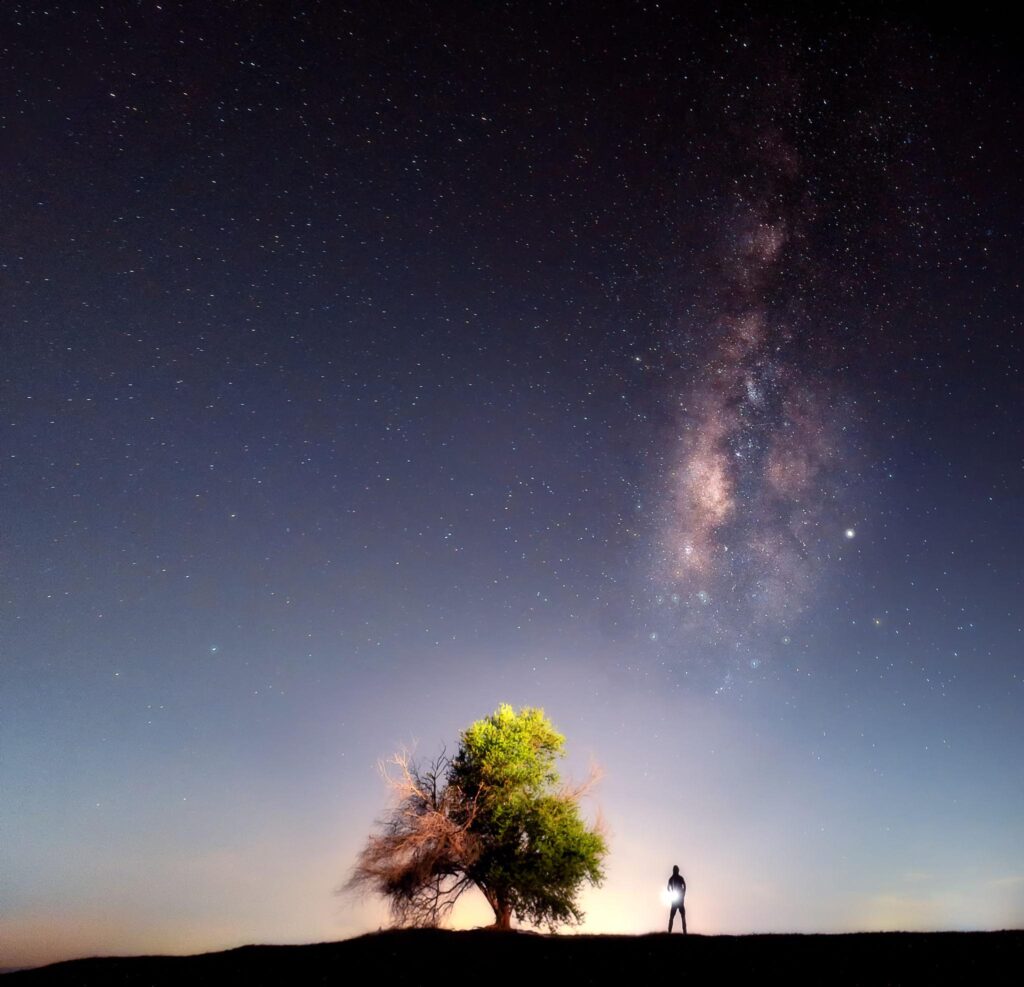
Instead, May is better known for its excellent deep-sky observing conditions, especially around the New Moon on May 16, when the sky is darkest . This makes it a great time to explore star clusters and distant objects.
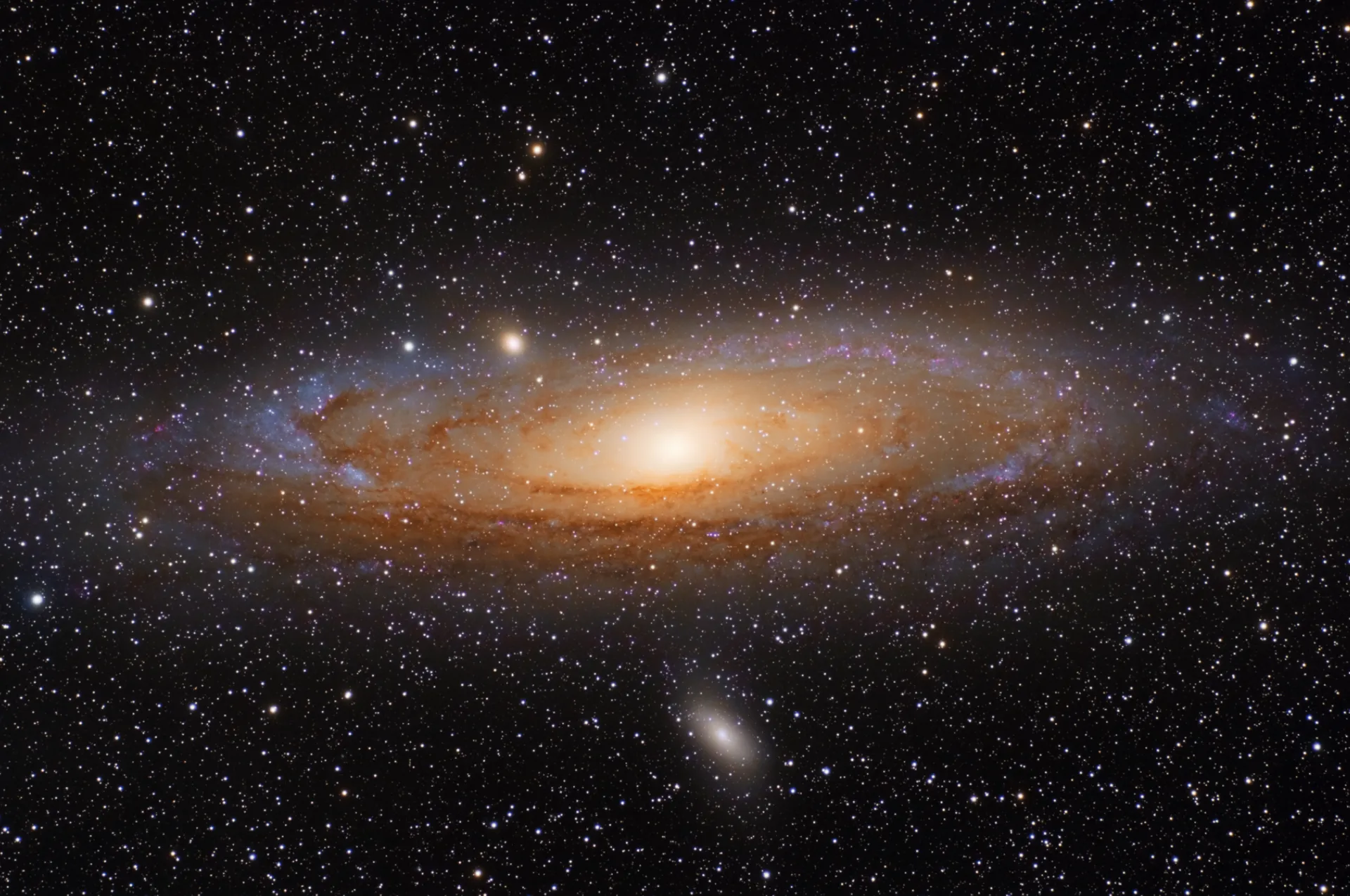
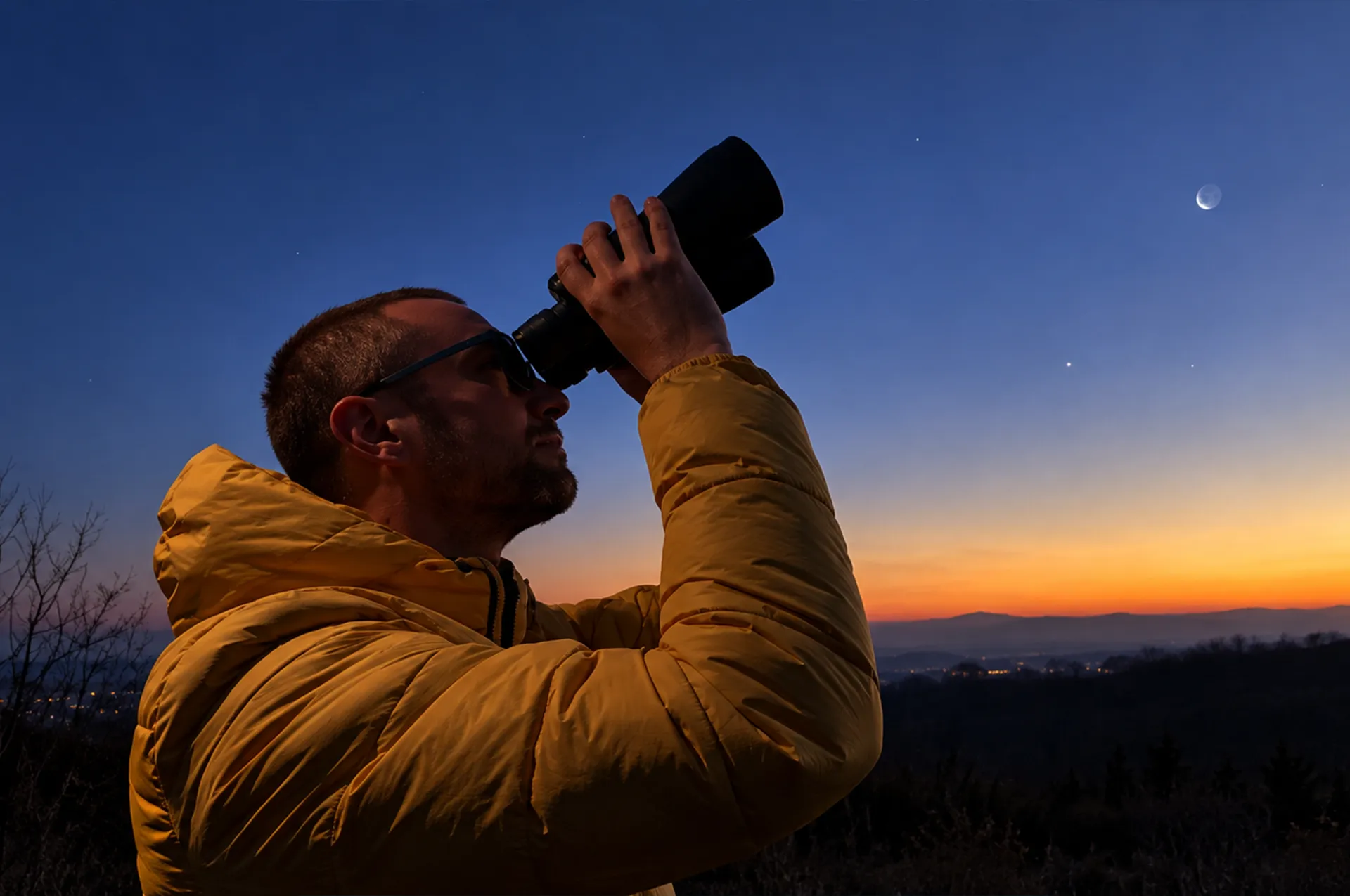
Some of the best targets include the Beehive Cluster (M44) in Cancer and Messier 3, a bright globular cluster in Canes Venatici. These objects may look like soft, fuzzy patches to the naked eye, but binoculars or a small telescope reveal far more detail and structure.
Final Thoughts on Space Events in May
In summary, Space Events in May bring together rare lunar events, meteor activity, and bright planetary displays in a single month. From the Blue Micromoon to the Eta Aquarids, each event offers something unique for skywatchers.
Even with basic equipment or just your eyes, you can enjoy many of these events. With a little planning and clear skies, May becomes one of the most rewarding months to explore the night sky.