

Credit: NASA
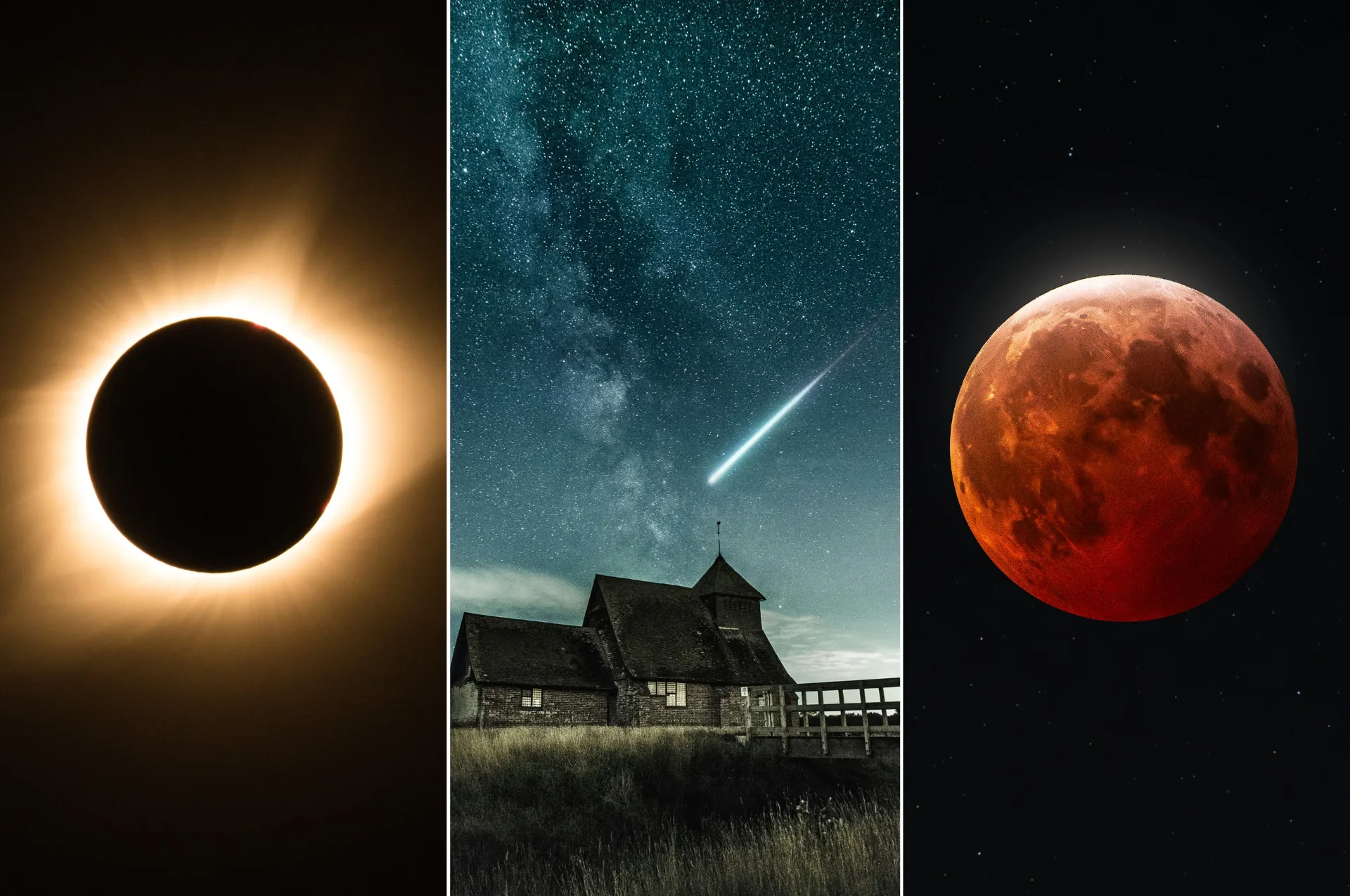
August 2026 Space Events will make this one of the most exciting months for skywatchers in years. Whether you enjoy watching planets, eclipses, meteor showers, or rocket launches, August has something unforgettable to offer. The biggest highlight comes on August 12, when three major celestial events happen on the same day, creating an incredibly rare “Celestial Trifecta.” The month also ends with a bright full moon and the launch of NASA’s next flagship space telescope.
August 12: Six Planet Parade
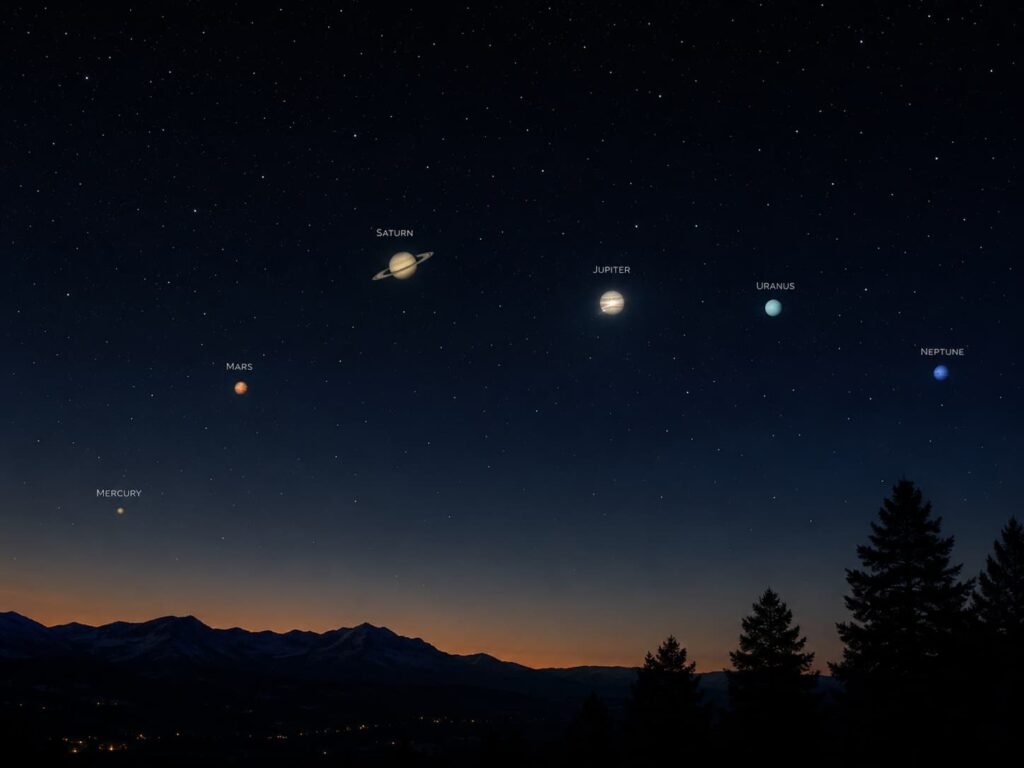
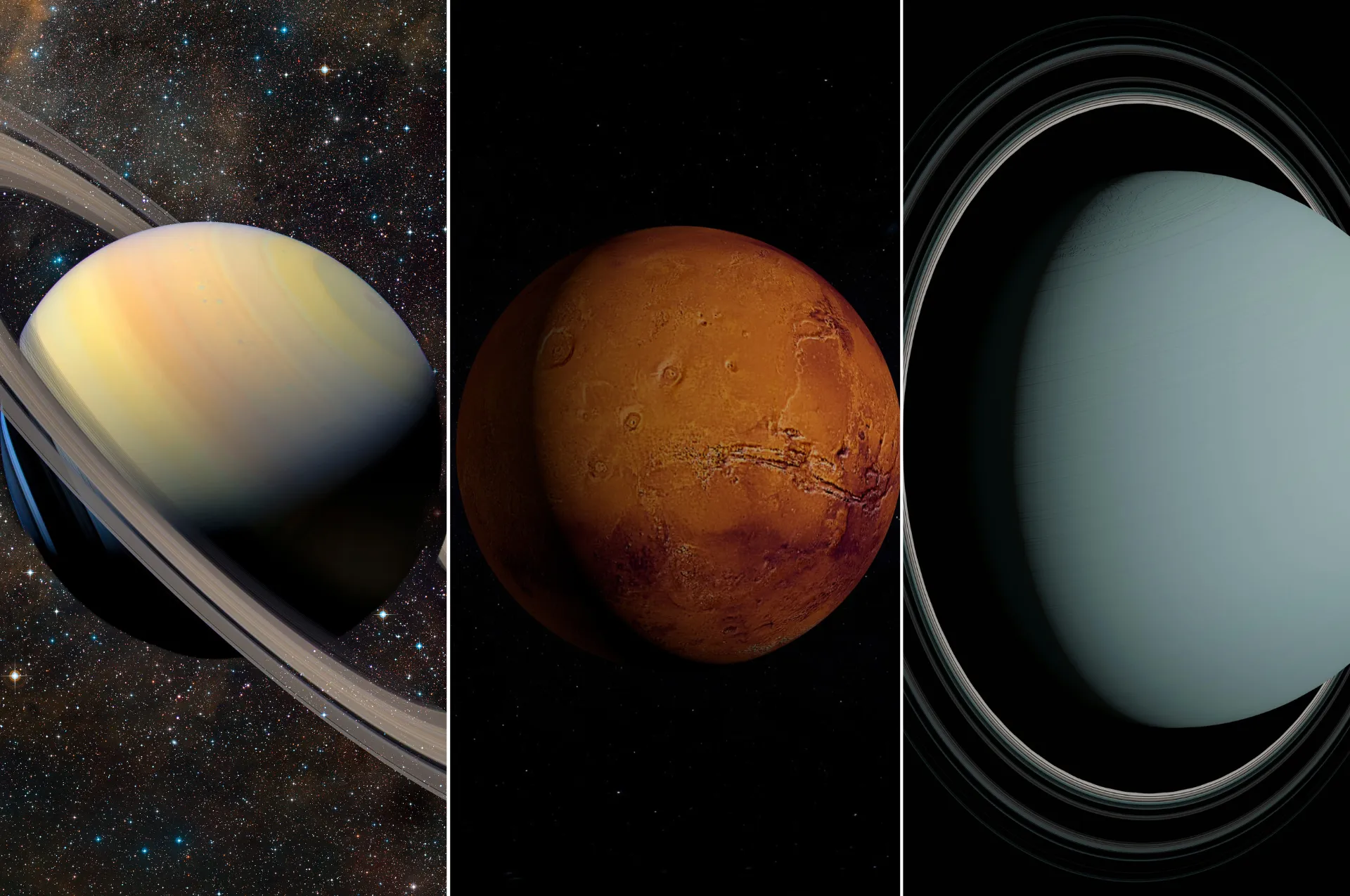
Before sunrise on August 12, six planets will stretch across the eastern sky in a long diagonal line. Saturn, Mars, Mercury, and Jupiter will be visible to the naked eye, while the more distant Uranus and Neptune can be spotted with binoculars or a small telescope. The best viewing time is about 45 to 60 minutes before sunrise from a location with a clear eastern horizon. Watching six planets appear together in the dawn sky is an uncommon sight, making this a must-see event for both beginners and experienced stargazers.
August 12: Total Solar Eclipse
Credit: Getty Images
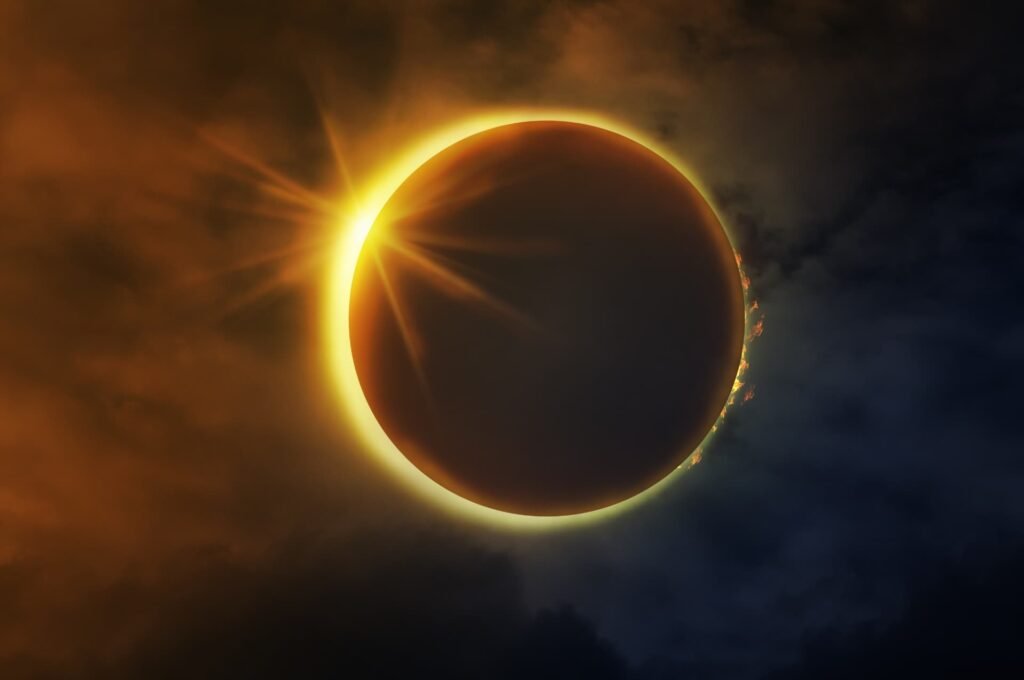
Later the same day, a spectacular total solar eclipse will sweep across parts of Greenland, Iceland, Spain, and northern Portugal. It will be the first total solar eclipse visible from mainland Europe in more than 26 years. During totality, observers inside the eclipse path can safely admire the Sun’s glowing corona for a brief period. Outside the path, a partial eclipse will be visible across much of Europe, North Africa, and parts of eastern North America, where certified eclipse glasses are required throughout the event.
August 12 to 13 : Perseid Meteor Shower Peak
Credit: Unsplash
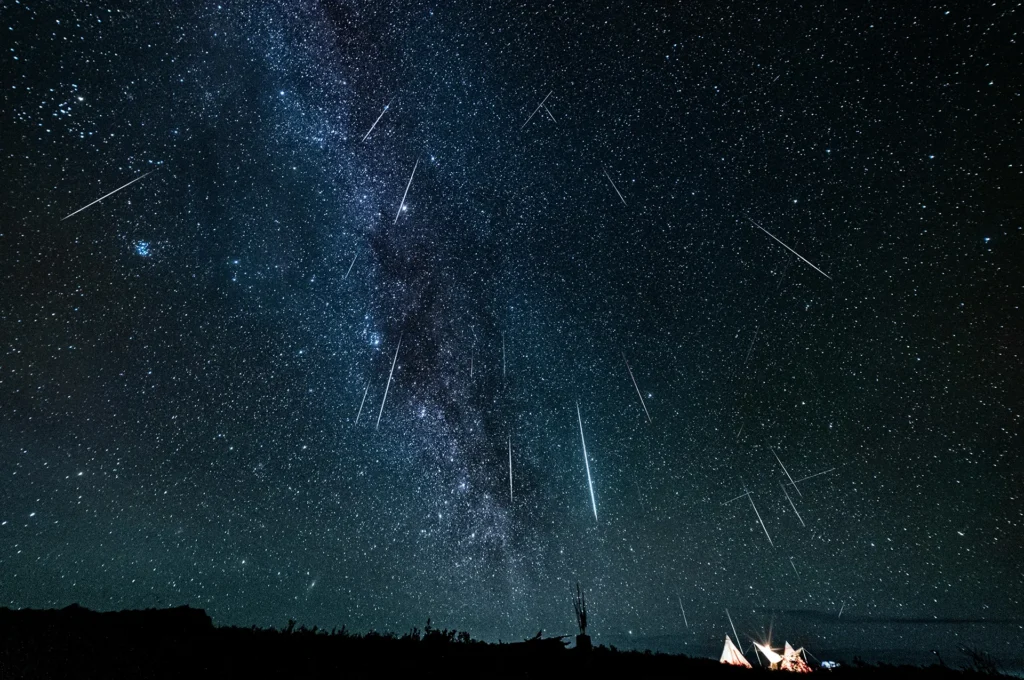
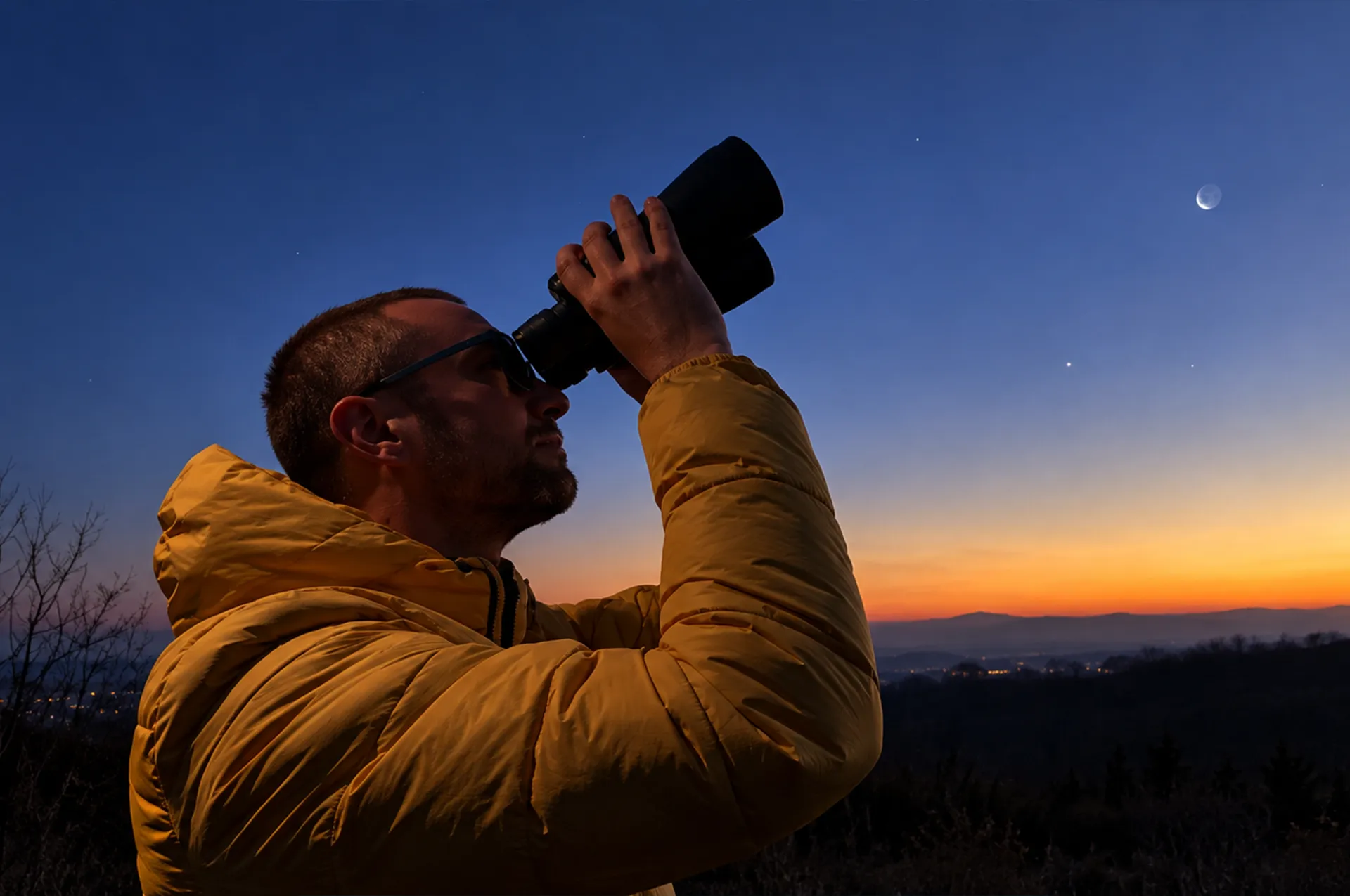
The night of August 12 into August 13 brings the peak of the famous Perseid meteor shower. What makes this year exceptional is that the shower peaks during a New Moon, meaning the sky will be free from moonlight. Under dark conditions, observers may see between 60 and 100 meteors every hour, including bright fireballs that leave glowing trails across the sky. No telescope is needed because the widest possible view of the sky gives the best chance of spotting shooting stars.
Together, these three events create one of the rarest days in modern astronomy. A six planet parade before sunrise, a total solar eclipse later in the day, and one of the best Perseid meteor shower displays in years all occur within about 24 hours, making August 12 a dream day for astronomy enthusiasts.
August 27–28 : Partial Lunar Eclipse and Full Sturgeon Moon
Credit: NASA
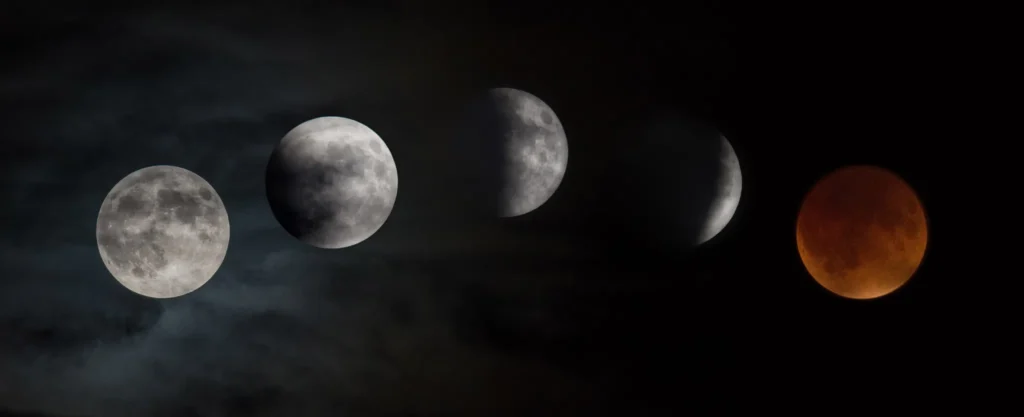
On the night of August 27–28, the Moon will pass through Earth’s shadow during a 96.3% deep partial lunar eclipse. Although not a total eclipse, nearly the entire Moon will take on a deep reddish-orange glow, creating a stunning view similar to a Blood Moon. The eclipse is completely safe to watch with the naked eye.
Shortly afterward, the Full Sturgeon Moon reaches peak illumination. Named by Native American tribes after the season when sturgeon were most abundant in the Great Lakes, this full Moon will be visible worldwide. As it rises near the horizon, it may appear larger and warmer in color, making it a beautiful sight for both stargazers and photographers.
August 30 : NASA Roman Space Telescope Launch
Credits: NASA
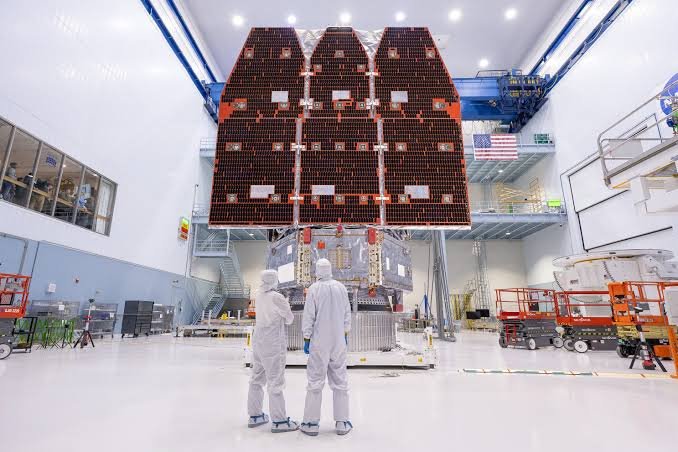
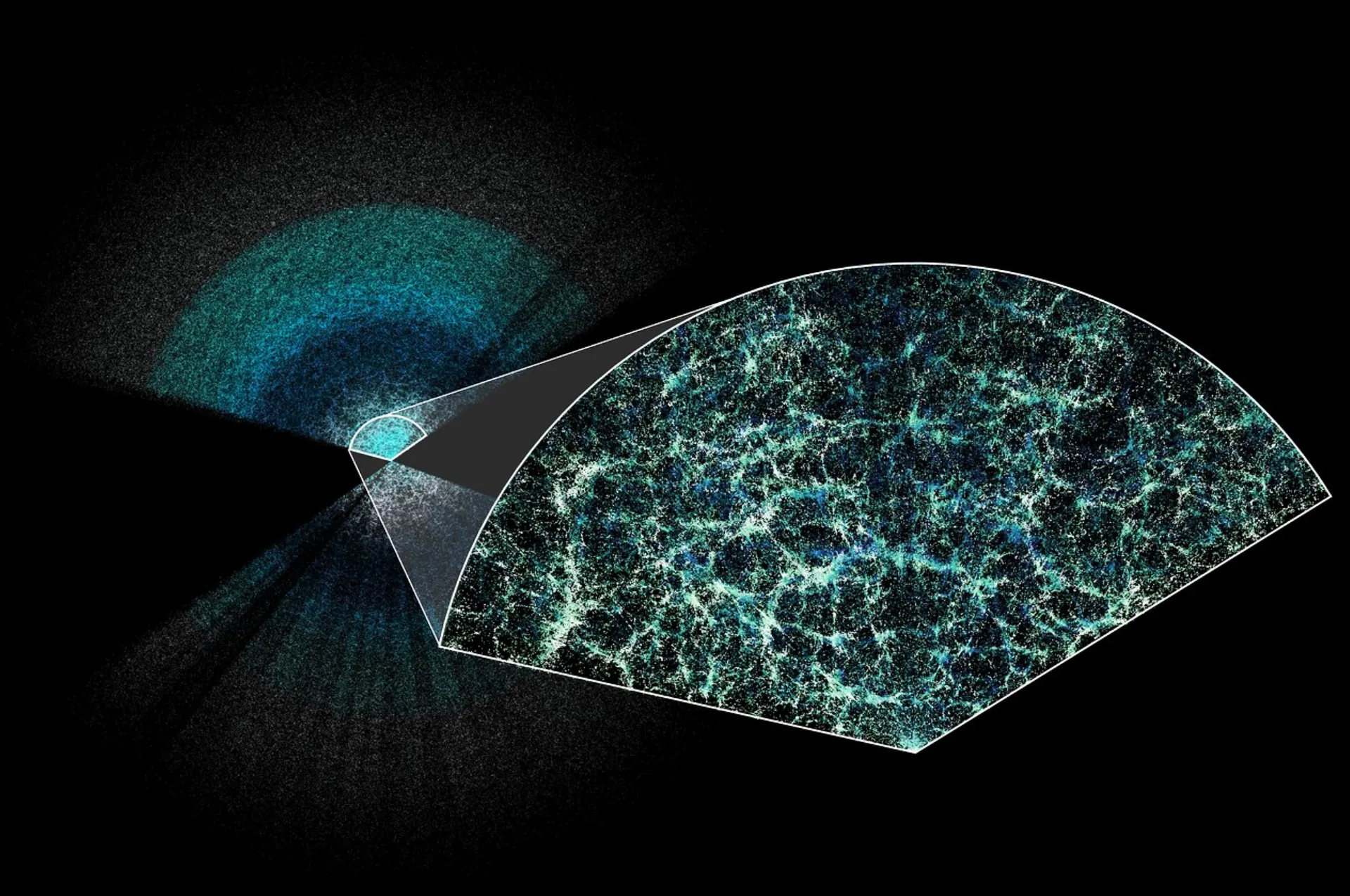
The final major event arrives on August 30, when NASA plans to launch the Nancy Grace Roman Space Telescope aboard a SpaceX Falcon Heavy rocket from Kennedy Space Center. Designed with a field of view about 100 times larger than Hubble’s, the Roman Telescope will spend years exploring dark energy, discovering thousands of exoplanets, and mapping the large-scale structure of the universe. The launch will be streamed live, allowing space fans around the world to watch this historic mission unfold.
August 2026 truly offers an unforgettable lineup of astronomical events. From a rare six planet parade and a total solar eclipse to a perfectly timed Perseid meteor shower, a brilliant Full Sturgeon Moon, and a major NASA mission, every week brings something worth watching.
If you enjoy looking up at the night sky, this is a month you won’t want to miss.
Look Up. Observe Vastness.
LUOV
One comment
so cool!! ty for info