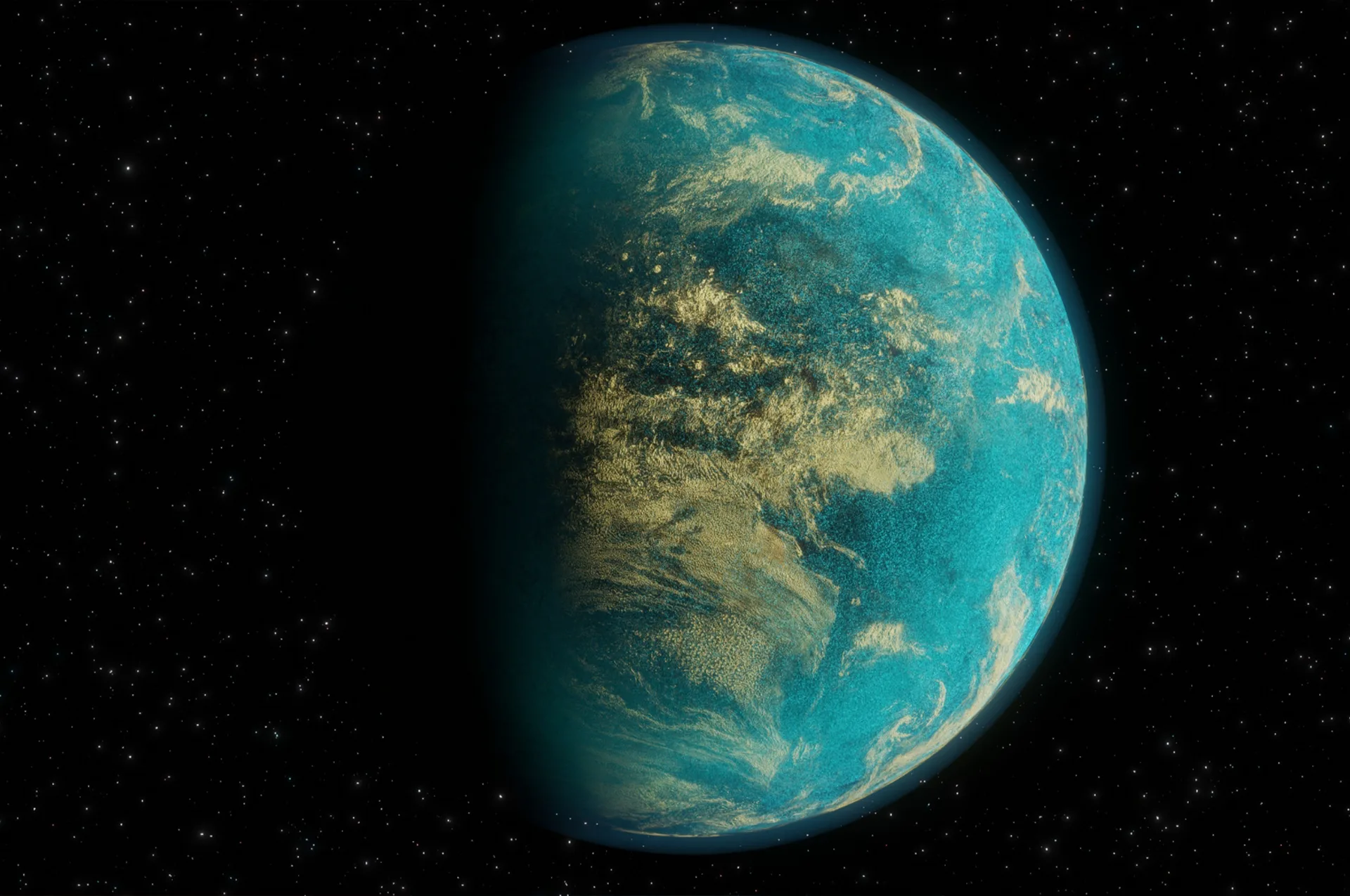
The search for another Earth has taken an exciting step forward with the discovery of a nearby Super Earth that could become one of the most important planets ever studied. Known as GJ 3378 b, this distant world lies just 25 light years away, making it one of our closest planetary neighbours. While scientists cannot yet say whether life exists there, the planet’s location inside its star’s habitable zone has made it an exciting target for future research. Every new world we discover helps us understand our place in the universe, and GJ 3378 b may one day answer one of humanity’s biggest questions: Are we alone?
Unlike our Sun, GJ 3378 is a small, cool red dwarf star. These stars are much dimmer than the Sun, so planets must orbit much closer to receive enough warmth. Even though GJ 3378 b completes one orbit in only 21.45 days, it still receives an amount of energy that could allow liquid water to exist if the planet has the right conditions. Scientists call this region the habitable zone, often known as the Goldilocks Zone because it is not too hot and not too cold. It is considered one of the best places to search for worlds that might support life.
What Makes GJ 3378 b So Special?
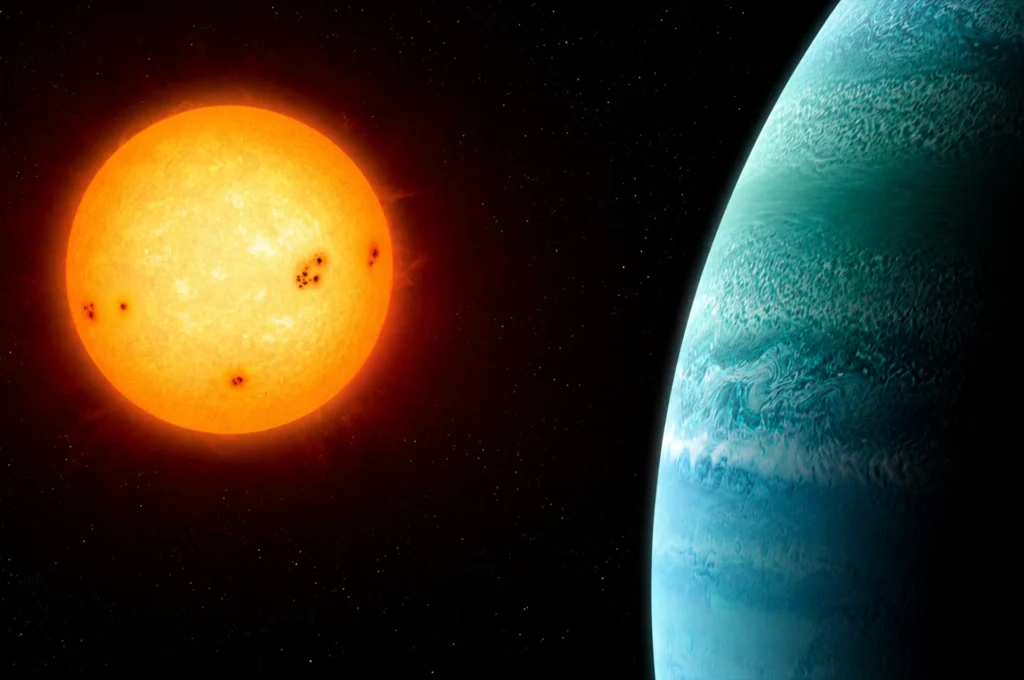
One of the most exciting parts of this discovery is that astronomers have learned the planet is probably smaller than they first believed. Earlier observations suggested GJ 3378 b was more than five times the mass of Earth. However, after combining years of observations from several powerful telescopes, researchers found that the planet is actually about 2.3 times the mass of Earth. This new estimate increases the chances that GJ 3378 b is a rocky planet rather than a small gas giant. Rocky planets are especially interesting because Earth, the only known planet with life, is also rocky.
Finding planets like GJ 3378 b is not easy. Scientists cannot usually see these distant worlds directly because they are hidden by the bright light of their stars. Instead, they use a technique called the radial velocity method. As a planet orbits, its gravity causes its star to wobble ever so slightly. Sensitive instruments can detect these tiny movements, allowing astronomers to calculate the planet’s mass and orbit. In this case, observations from multiple advanced instruments helped refine the planet’s true characteristics and produced a much clearer picture than earlier studies.
Could This Super Earth Support Life?
Although GJ 3378 b is located in the habitable zone, that does not mean it is definitely habitable. Many factors determine whether a planet can support life. It needs the right atmosphere, suitable temperatures, and protection from harmful radiation. Researchers believe this planet lies near what they call the cosmic shoreline, a region where smaller planets may struggle to hold onto their atmospheres over billions of years. If GJ 3378 b has managed to keep a thick atmosphere, liquid water could exist on its surface. If its atmosphere has been stripped away by radiation from its star, the planet may be dry and lifeless. At this stage, scientists simply do not have enough information to know the answer.
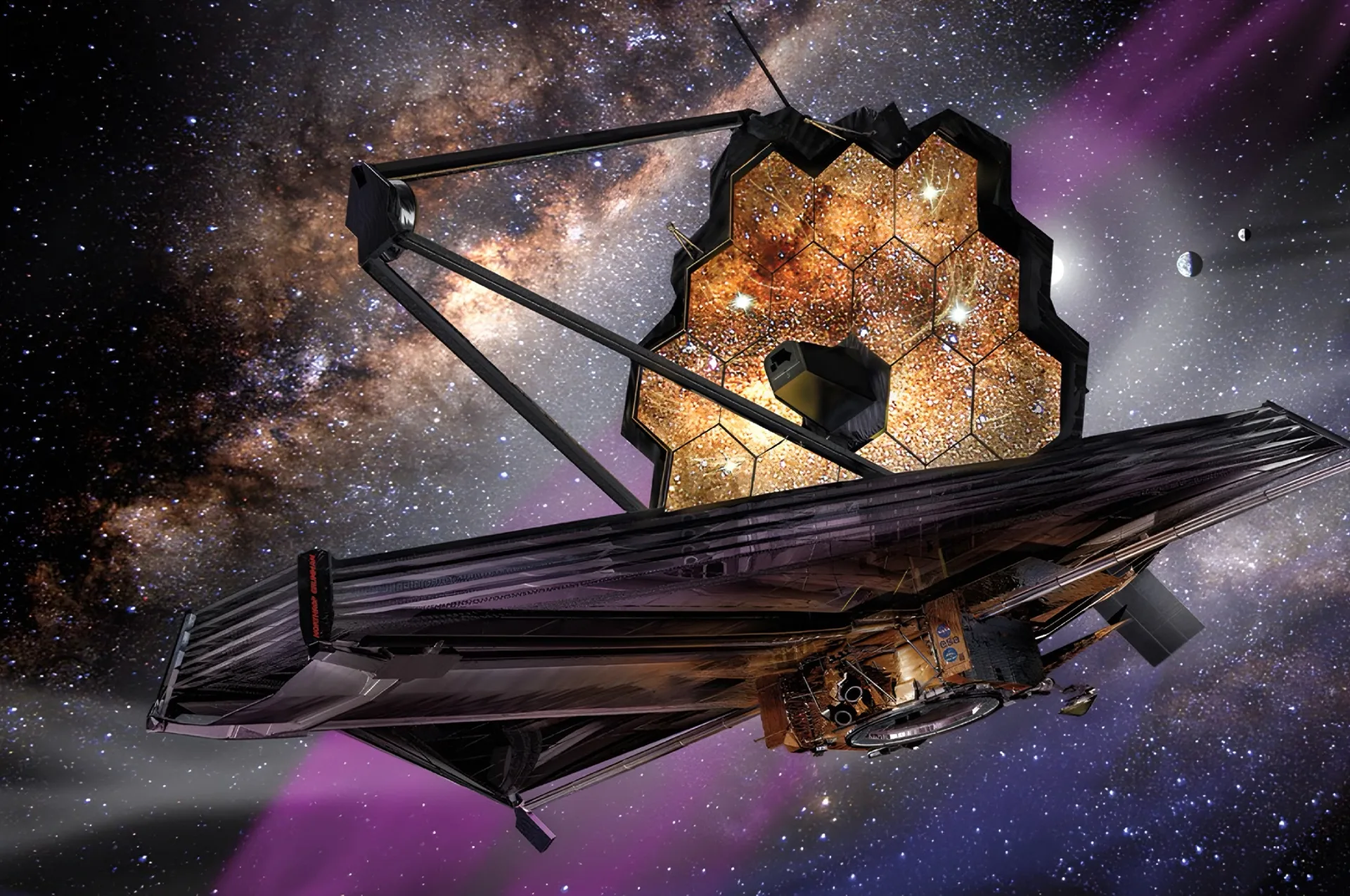
Astronomers also searched for signs that GJ 3378 b passes directly in front of its star from Earth’s point of view. Such events, known as transits, allow scientists to study a planet’s atmosphere by examining starlight passing through it. Unfortunately, no transit has been detected so far, meaning future observations will be more challenging. Even so, the planet’s close distance makes it an excellent target for the next generation of giant telescopes, which are expected to study nearby worlds in far greater detail than ever before.
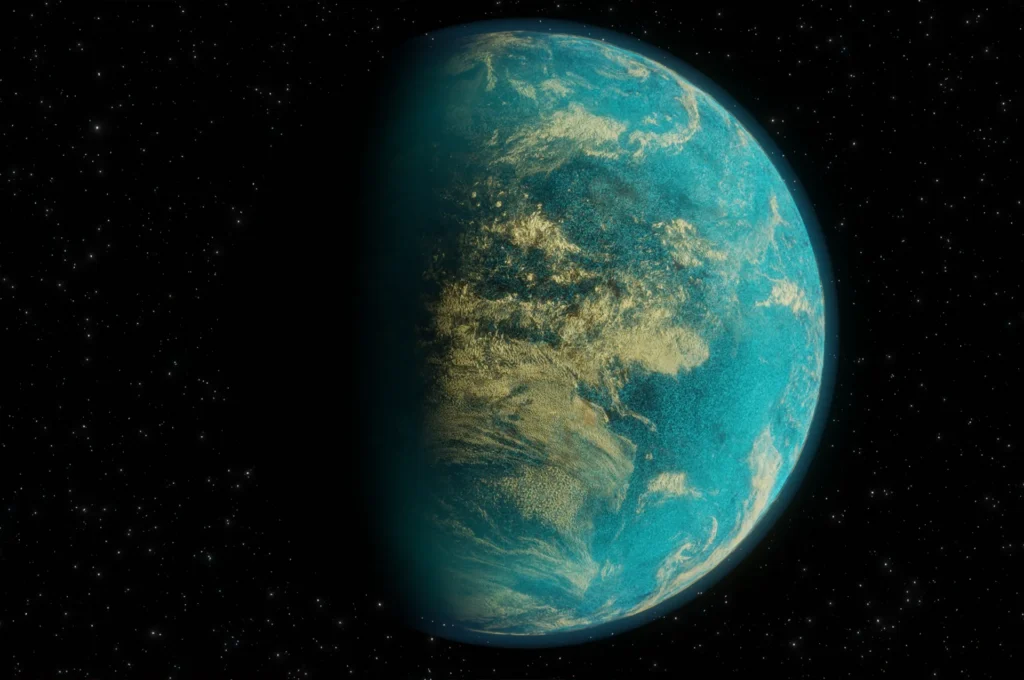
The discovery of GJ 3378 b reminds us that our galaxy is filled with incredible worlds waiting to be explored. Just a few decades ago, scientists did not even know whether planets around other stars were common. Today, thousands of exoplanets have been found, each teaching us something new about how planetary systems form and evolve. Some are giant worlds larger than Jupiter, while others are small rocky planets that may resemble Earth. Every discovery brings us one step closer to understanding whether our planet is unique or simply one of many life friendly worlds scattered across the Milky Way.
For now, GJ 3378 b remains a fascinating mystery. It may turn out to be a barren rocky planet, or it could have an atmosphere capable of supporting liquid water. Future observatories will continue investigating this nearby world and may eventually reveal whether it has clouds, weather, or even the chemical ingredients needed for life. Until then, this remarkable Super Earth stands as one of the most promising nearby planets ever discovered and a powerful reminder that the search for another Earth has only just begun.