November 2026 Astronomy Events offer plenty of reasons to look up at the night sky, from a close encounter between the Moon and Venus to the Leonid meteor shower and a spectacular Beaver Supermoon. Skywatchers across the World can also look forward to Mercury at greatest western elongation, Uranus at opposition, and several other celestial events throughout the month.
Whether you enjoy watching meteor showers with the naked eye or observing planets through binoculars, November has something for everyone. Here is your date-by-date guide to the major astronomical events happening in November 2026, including what to look for and when to observe them.
November 2026 Astronomy Events: Date-by-Date Guide
November 2–3: Moon Near Jupiter
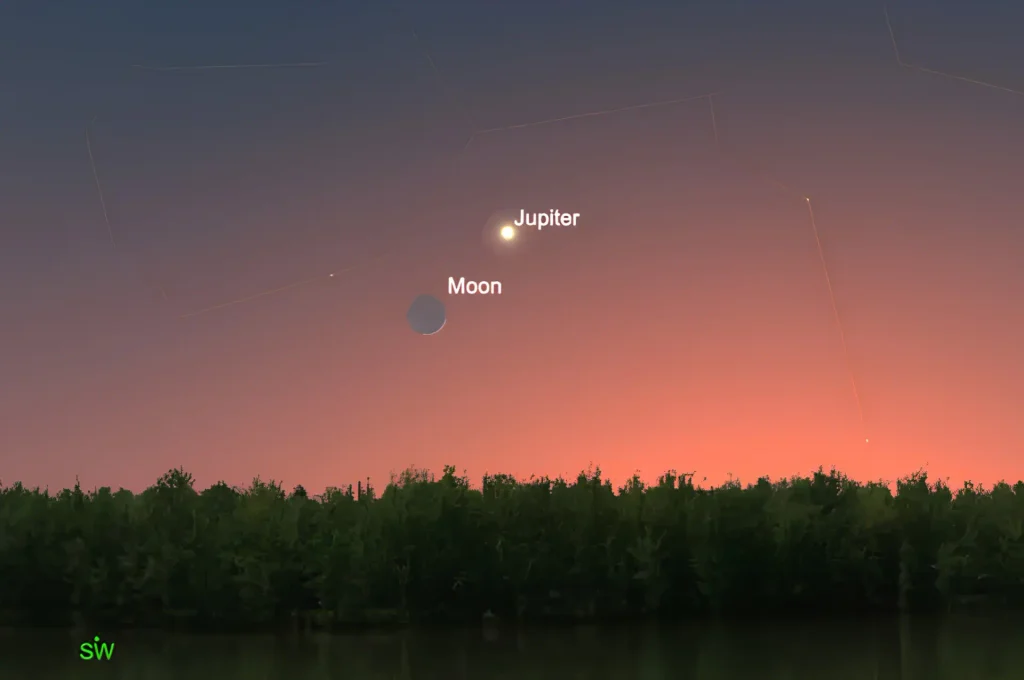
The Moon appears close to Jupiter in the night sky on November 2 and 3. Jupiter is one of the brightest objects in the sky, making it easy to identify without special equipment.
Look toward the eastern sky during the evening or early morning, depending on your location. The Moon and Jupiter will appear close together from Earth’s perspective, although they remain millions of kilometres apart in space.
November 7: Moon Near Venus
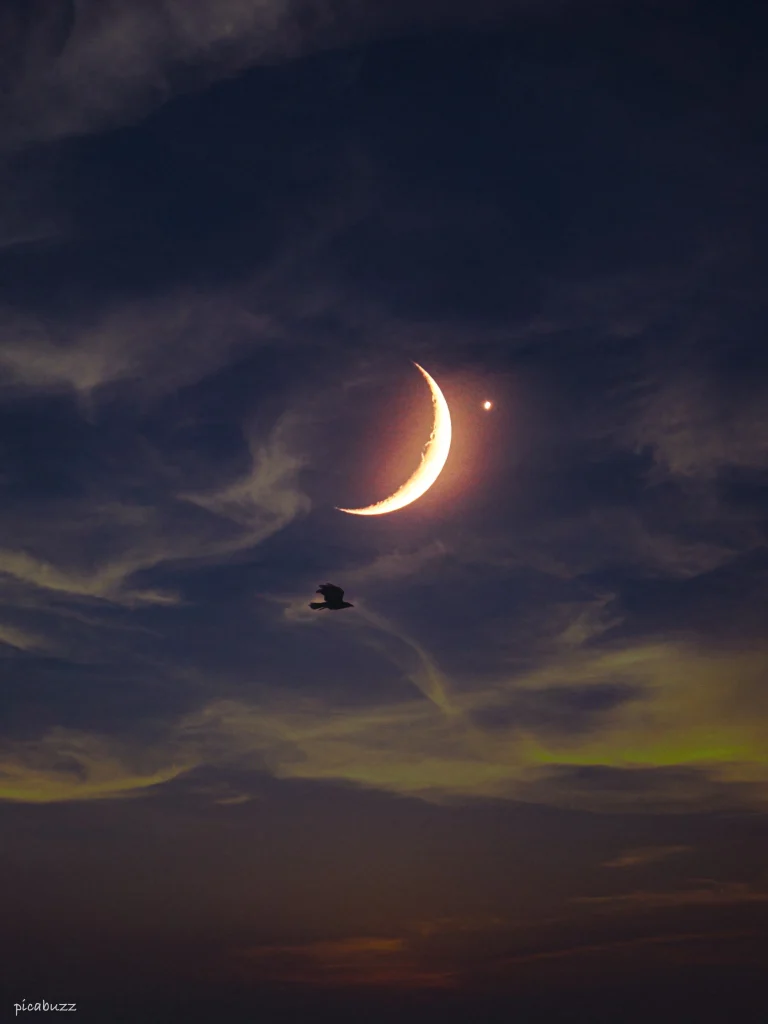
A thin crescent Moon appears near Venus on November 7, creating a beautiful sight in the early morning sky. Venus is often called the Morning Star because of its brilliant appearance before sunrise.
Look toward the eastern horizon shortly before sunrise. You do not need a telescope to enjoy this pairing, but a location with a clear view of the horizon will give you the best chance of seeing both objects.
November 9: New Moon
The New Moon occurs on November 9. During this phase, the Moon lies approximately between Earth and the Sun, leaving its illuminated side facing mostly away from Earth.
This makes the Moon difficult to see, but it creates darker skies that are ideal for observing stars and other faint celestial objects. If you enjoy astrophotography, the nights around the New Moon are an excellent opportunity to capture the Milky Way from a dark location. You can also explore our guide to the best time to stargaze to plan your observations around the darkest conditions.
November 11–12: Northern Taurid Meteor Shower Peak
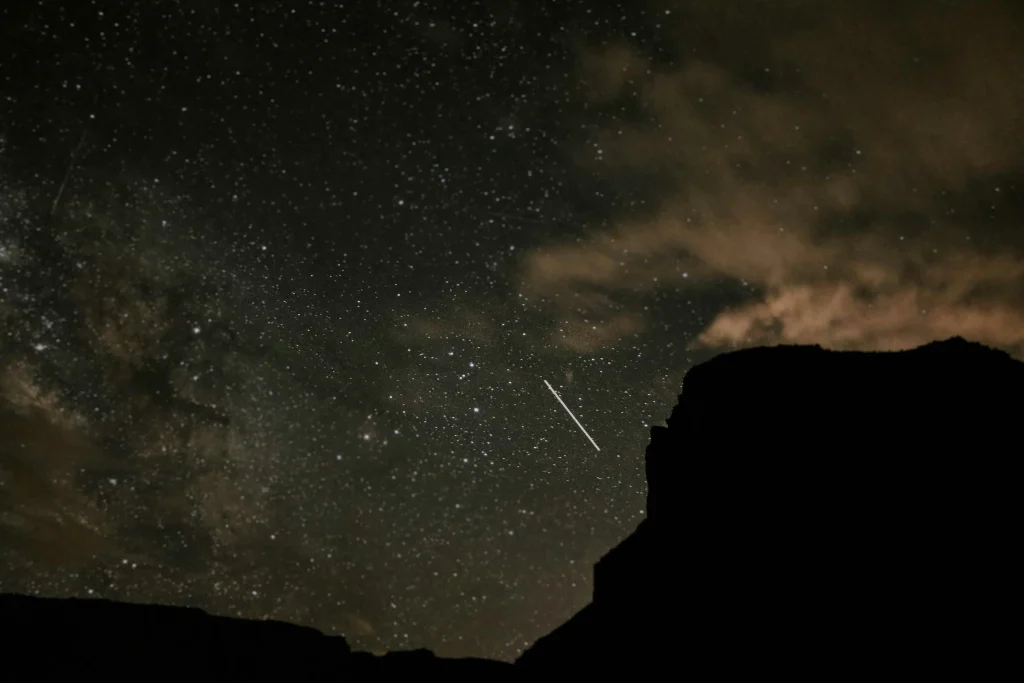
The Northern Taurid meteor shower reaches its expected peak around November 11–12. Although this shower usually produces relatively few meteors, it is known for occasional bright fireballs that can light up the night sky.
For the best experience, find a dark location away from city lights and give your eyes time to adjust to the darkness. You do not need binoculars or a telescope because meteors can appear anywhere across the sky. If you are new to observing the night sky, our guide on how to stargaze without a telescope can help you get started.
November 14: Four-Planet Alignment
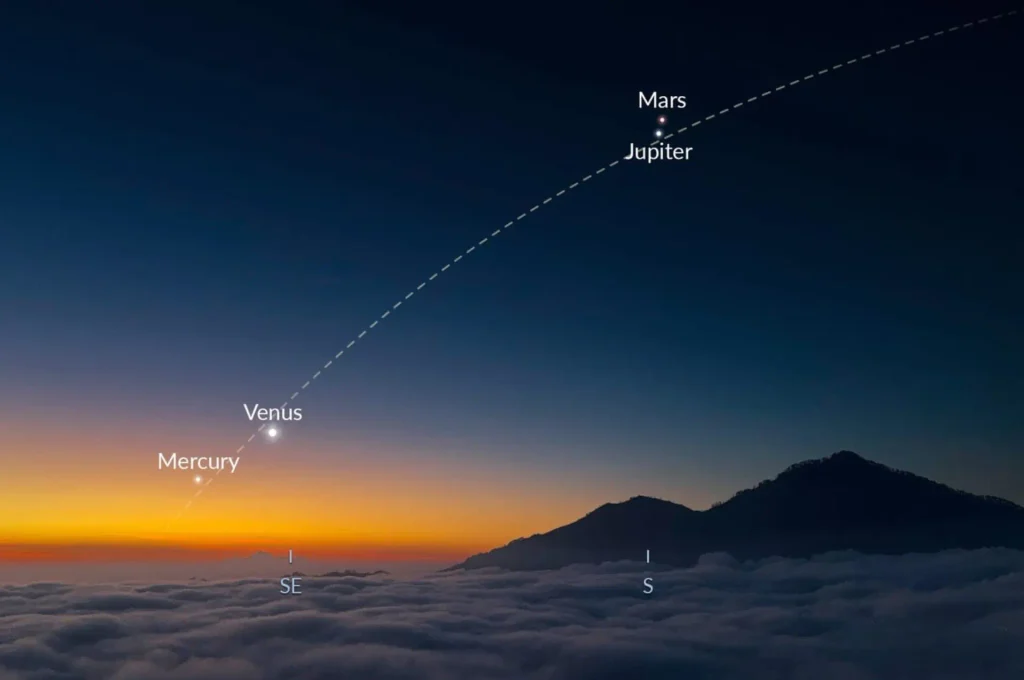
On November 14, Mercury, Venus, Mars, and Jupiter are expected to appear along the same general region of the sky, creating an attractive planetary grouping.
The planets will not form a perfectly straight line in space. Instead, they appear aligned from our viewpoint on Earth because their orbits lie roughly along the same plane. Look toward the eastern horizon shortly before sunrise, as visibility will depend on your location and the planets’ positions in the sky.
November 17–18: Leonid Meteor Shower Peak
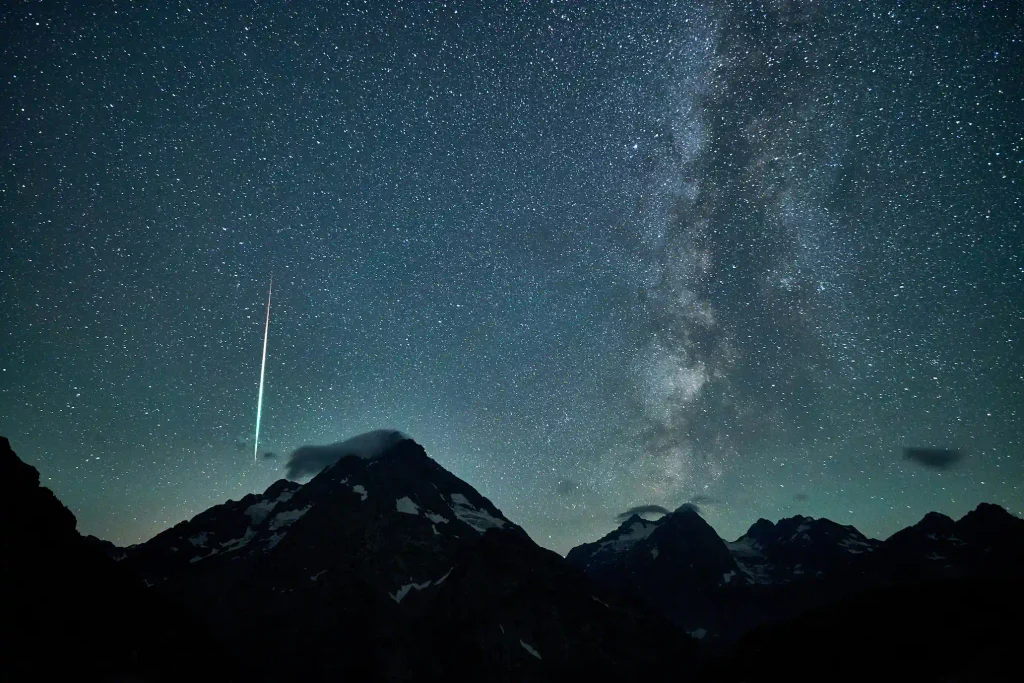
The Leonid meteor shower reaches its peak overnight from November 17 into November 18. These fast-moving meteors are produced when Earth passes through debris left behind by Comet 55P/Tempel-Tuttle.
Under favourable conditions, observers may see around 10–15 meteors per hour, although actual rates vary. Find a dark location, lie back comfortably, and watch as much of the sky as possible. The best viewing period is generally after midnight and before dawn.
November 18: Voyager 1 Reaches One Light-Day
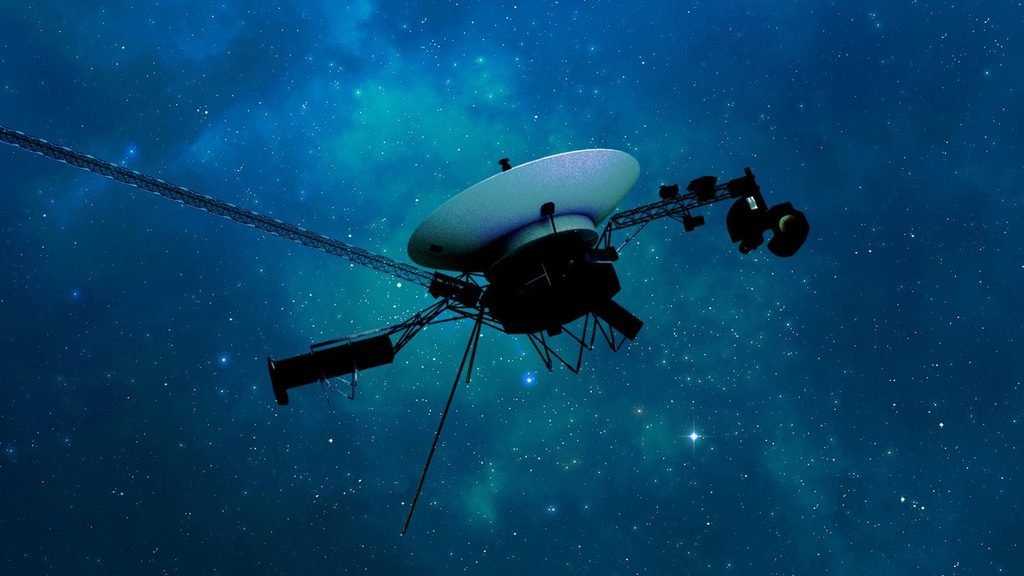
On November 18, Voyager 1 reaches the milestone of being approximately one light-day away from Earth. A light-day is the distance light travels in 24 hours, roughly 25.9 billion kilometres.
This distance highlights just how far the spacecraft has travelled since its launch in 1977. A radio signal travelling at the speed of light takes approximately 24 hours to reach Voyager 1, meaning a round-trip communication can take about two days.
November 20–21: Mercury at Greatest Western Elongation
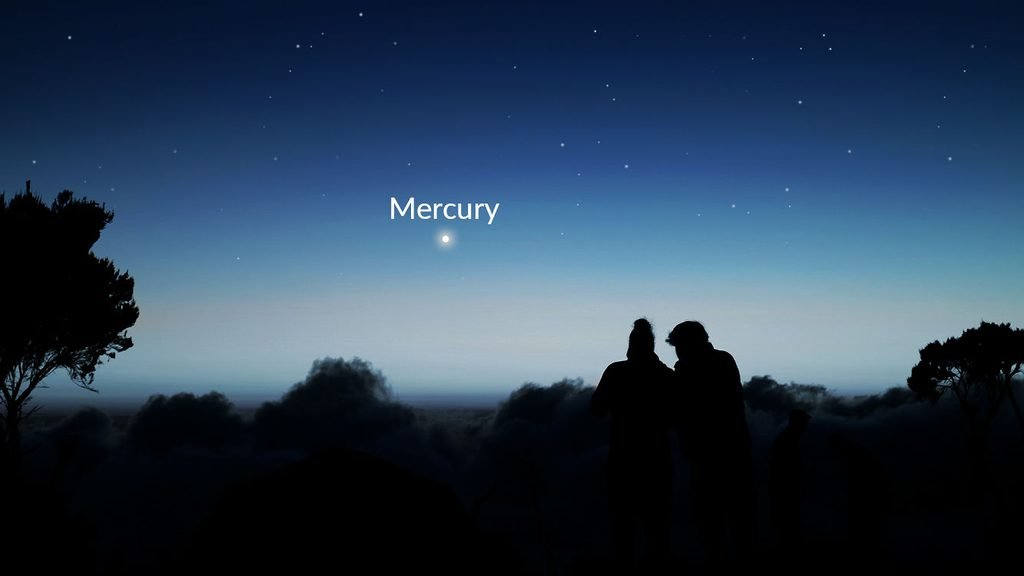
Mercury reaches greatest western elongation around November 20–21, making this one of the best opportunities to observe the planet in the morning sky.
At greatest elongation, Mercury appears at its largest angular distance from the Sun. Look low toward the eastern horizon shortly before sunrise. Because Mercury never strays far from the Sun in our sky, a clear horizon is especially important.
November 24: Beaver Supermoon
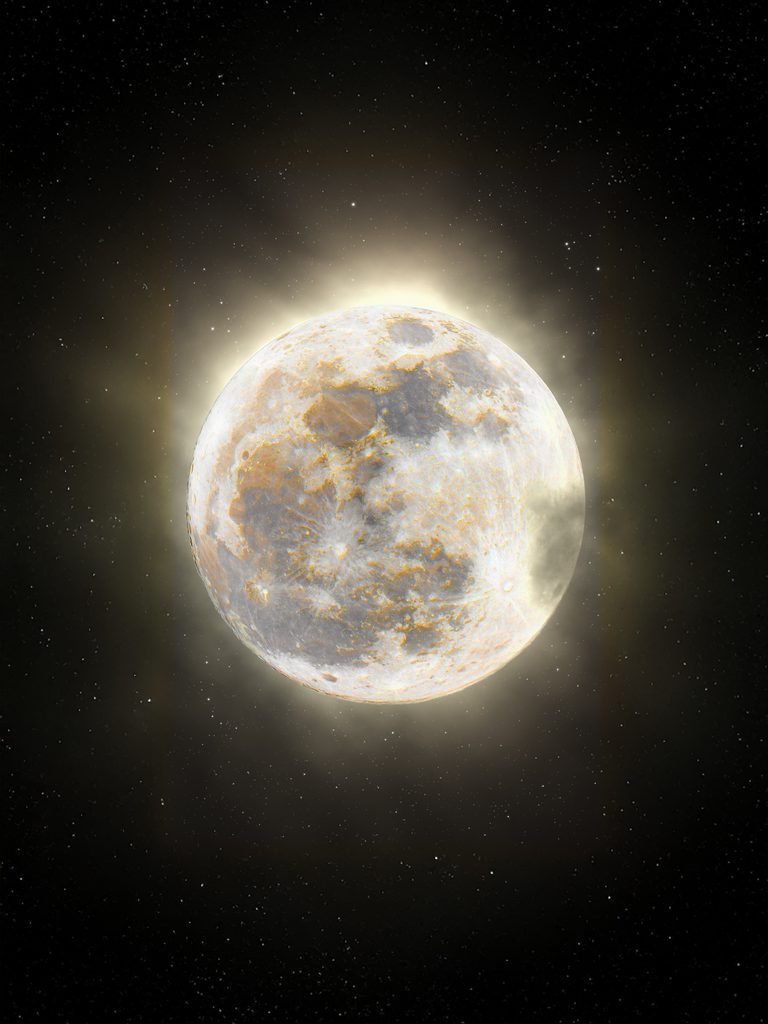
The Full Beaver Supermoon occurs on November 24. A supermoon happens when a full Moon occurs near the closest part of the Moon’s orbit around Earth, called perigee. It can appear slightly larger and brighter than a typical full Moon.
The name Beaver Moon comes from traditional seasonal naming associated with beavers preparing for winter. For the best view, watch the Moon rise around sunset on November 23 or 24. The Moon may appear especially impressive near the horizon, although this effect is largely an optical illusion. To learn more about where these traditional lunar names come from, explore our guide to full Moon names and their meanings.
November 25: Uranus at Opposition
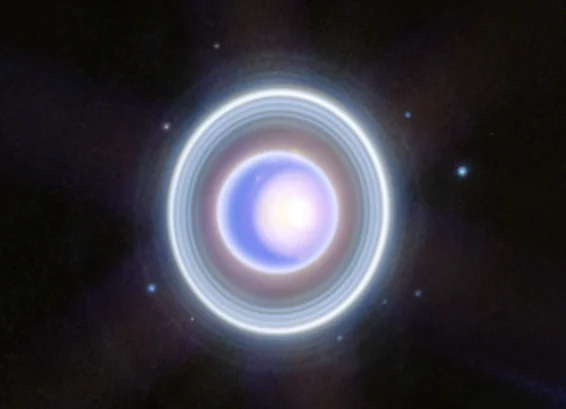
Uranus reaches opposition on November 25, when Earth passes approximately between Uranus and the Sun. At opposition, Uranus is generally visible throughout the night, making this a favourable time to observe the distant planet.
Uranus is too faint to stand out like Venus or Jupiter, but it can be found with binoculars under suitable conditions. A telescope may reveal its small blue-green disk. Because the Moon is nearly full around this date, bright moonlight may make Uranus harder to locate.
November 2026 Astronomy Events
To make the most of these November 2026 Astronomy Events, choose a location away from bright city lights, check the local weather forecast, and allow your eyes 20–30 minutes to adjust to the darkness. Meteor showers are best observed with the naked eye, while binoculars or a telescope can help you explore planets in greater detail. If you are just getting started, our guide on how to stargaze without a telescope can help you prepare for a night under the stars.
Look Up. Observe Vastness.
LUOV