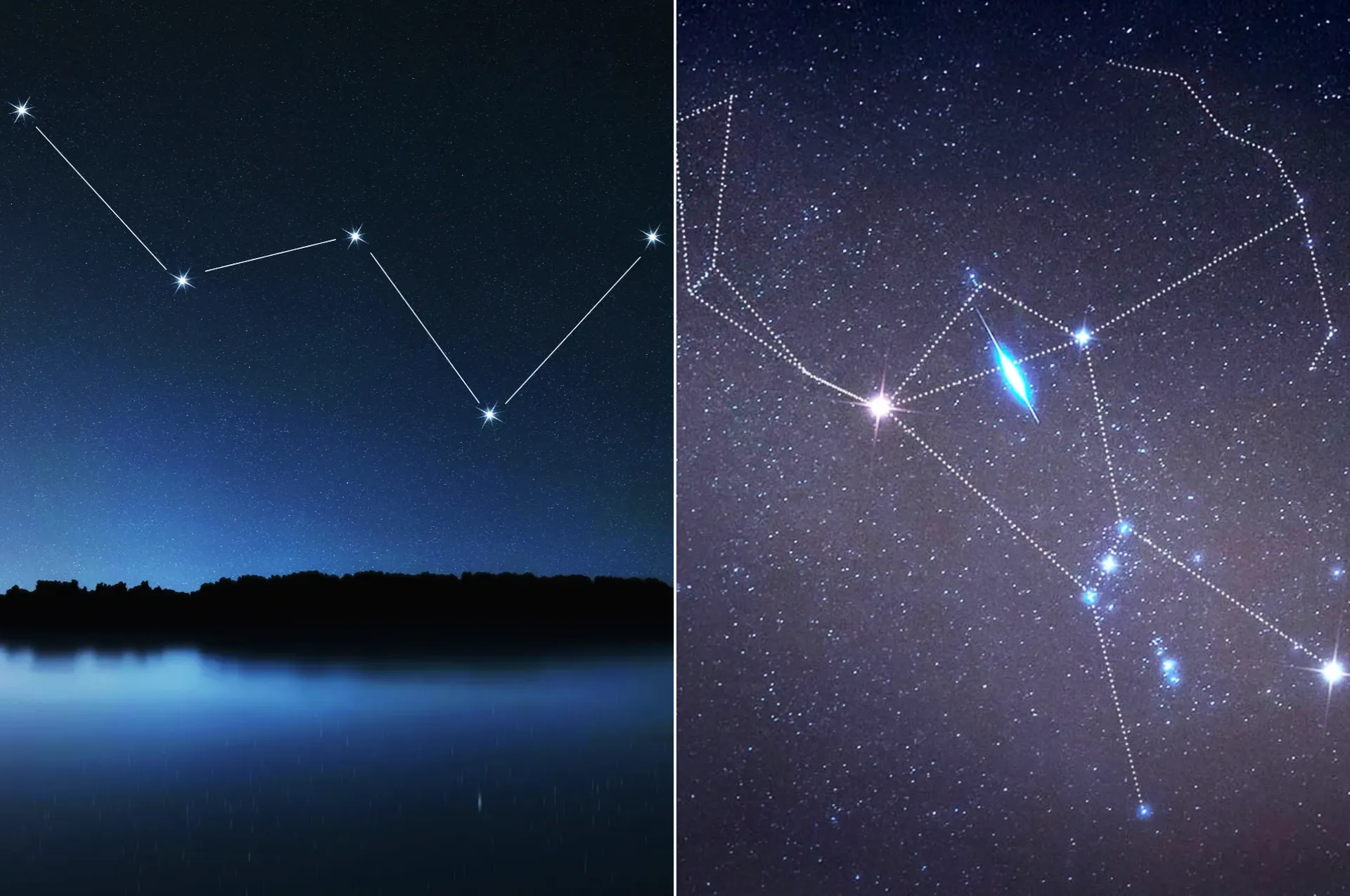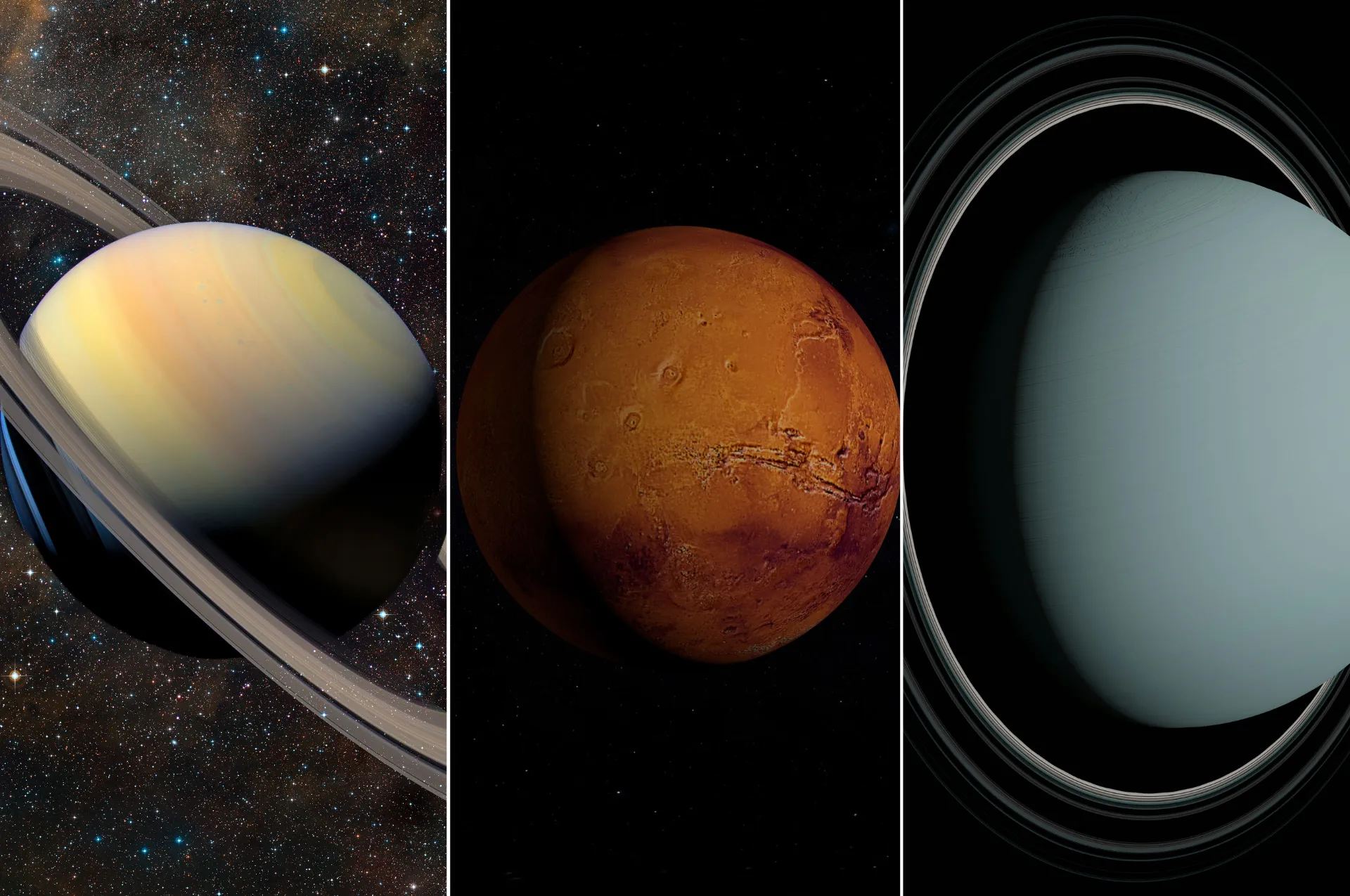
The planets visible in October 2026 offer something for almost every skywatcher, from bright planets that are easy to spot with the naked eye to distant worlds that require binoculars or a telescope.
Saturn is the main evening attraction, while Jupiter and Mars are best seen before sunrise. Uranus and Neptune are also available during the night, although they are much harder to identify. Mercury has a short evening viewing opportunity around October 12, while Venus moves very close to the Sun later in the month.
Because the planets appear at different heights and directions depending on where you live, it is useful to check your local sunset and sunrise times before observing. The general viewing windows below apply broadly around the world, but exact rise and set times vary by location.
For a wider look at everything happening this month, see LUOV’s guide to October 2026 astronomy events.
Saturn
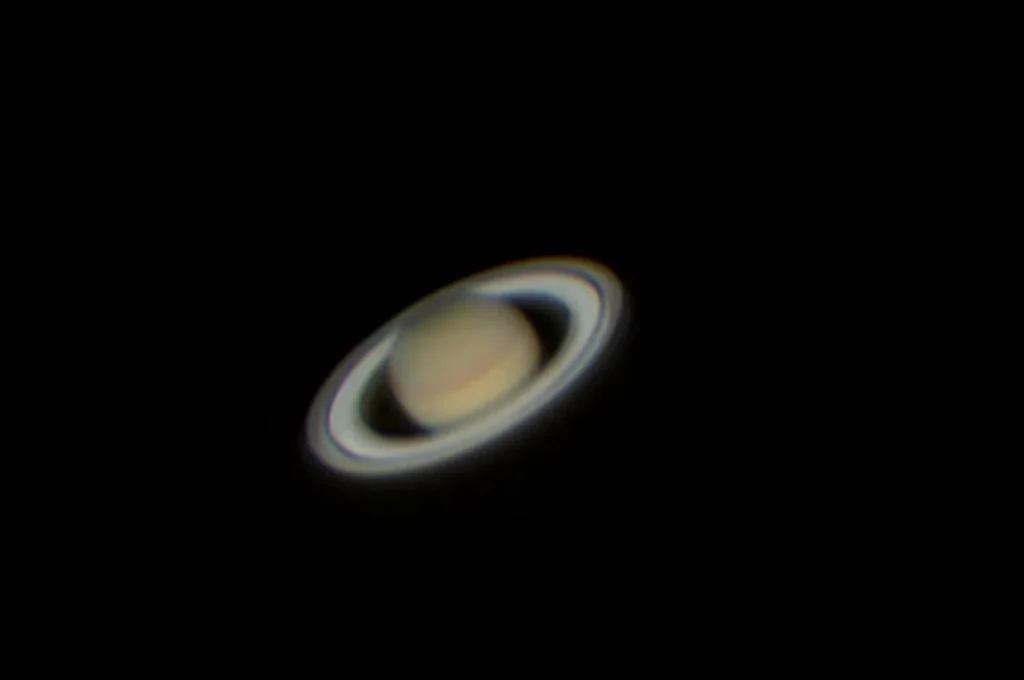
Credit: Molly Wakeling
Saturn is the easiest planet to observe during October 2026. It reaches opposition on October 4, when Earth passes between Saturn and the Sun. Around this date, Saturn rises near sunset, remains visible for most of the night and sets around sunrise.
Look toward the eastern sky after sunset and watch Saturn climb higher as the evening progresses. Its exact path across the sky depends on your latitude, but around opposition it remains an excellent target for observers in both hemispheres.
Saturn is bright enough to see without optical equipment, appearing as a steady pale-yellow point of light. A small telescope can reveal its famous rings, which are gradually opening again following the 2025 ring-plane crossing.
LUOV has a complete guide to Saturn at Opposition 2026 if you want to plan a dedicated observing night.
Jupiter
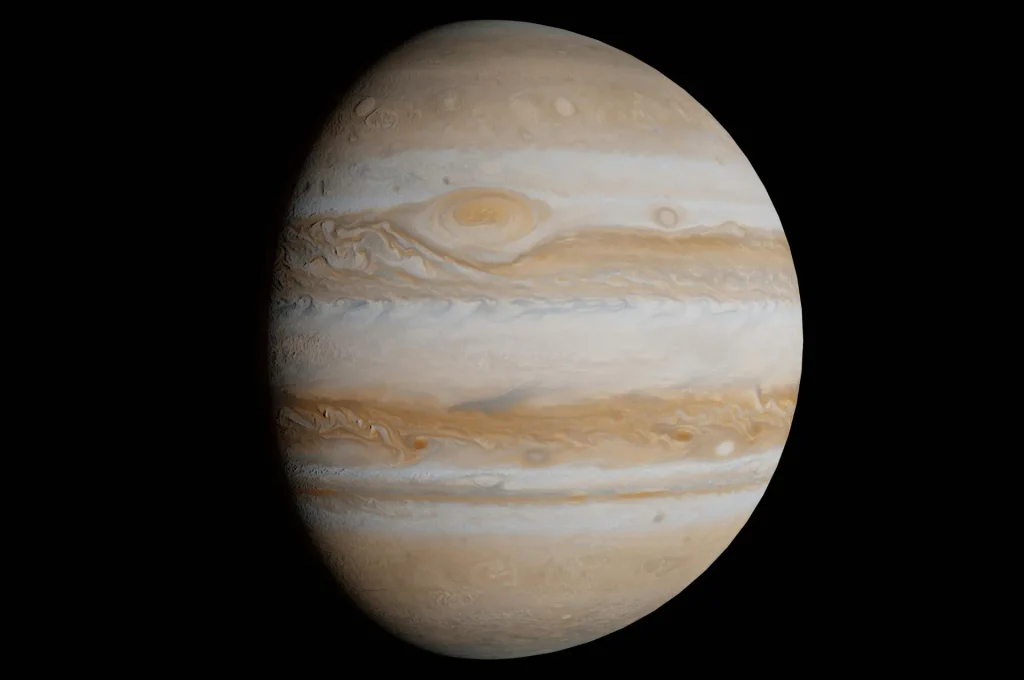
Credit: Canva
Jupiter is one of the easiest planets visible in October 2026 because of its brightness. It is mainly a morning planet during October, so look toward the eastern sky during the hours before sunrise.
Jupiter becomes easier to observe as October progresses. It rises during the early morning and climbs higher before dawn, although the exact timing changes depending on your location.
You do not need a telescope to recognize Jupiter. It normally appears much brighter than surrounding stars and shines with a steady light. With binoculars, you may also be able to see its four largest moons — Io, Europa, Ganymede and Callisto — as tiny points of light beside the planet.
Mars
Credit: Canva
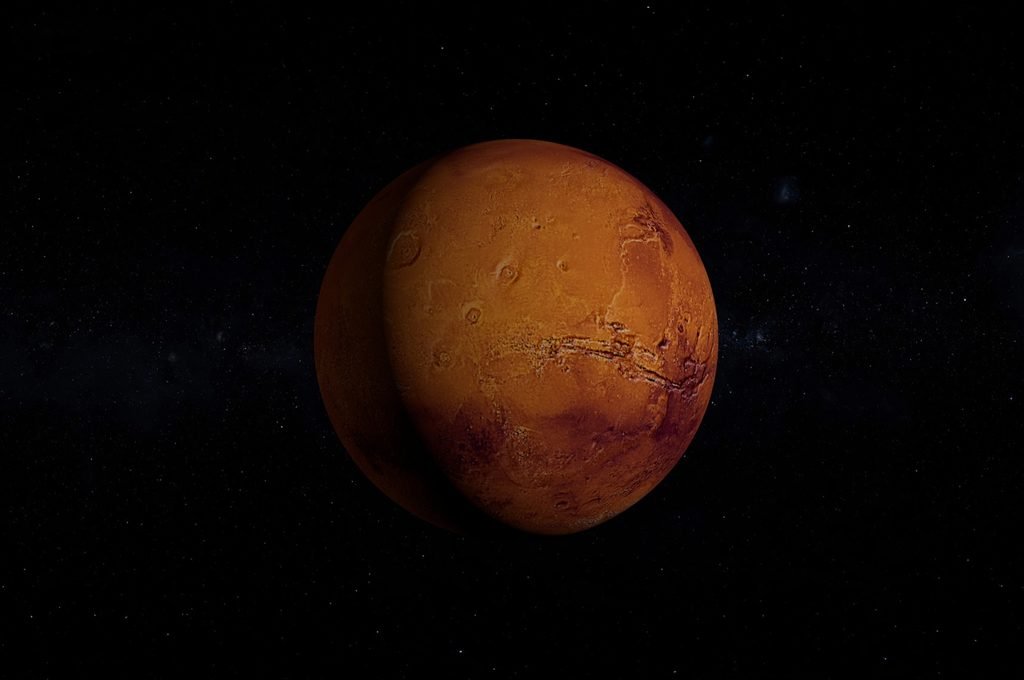
Mars can also be seen in the morning sky during October 2026. It rises well before sunrise and appears as a relatively faint orange or reddish point of light.
Begin by looking toward the eastern sky before dawn. Mars is noticeably less bright than Jupiter during this period, so a clear horizon and darker observing location can make it easier to identify.
On October 5, the Moon passes close to Mars, creating a useful visual reference for finding the planet. From some far-northern locations, the Moon can even pass directly in front of Mars in an occultation.
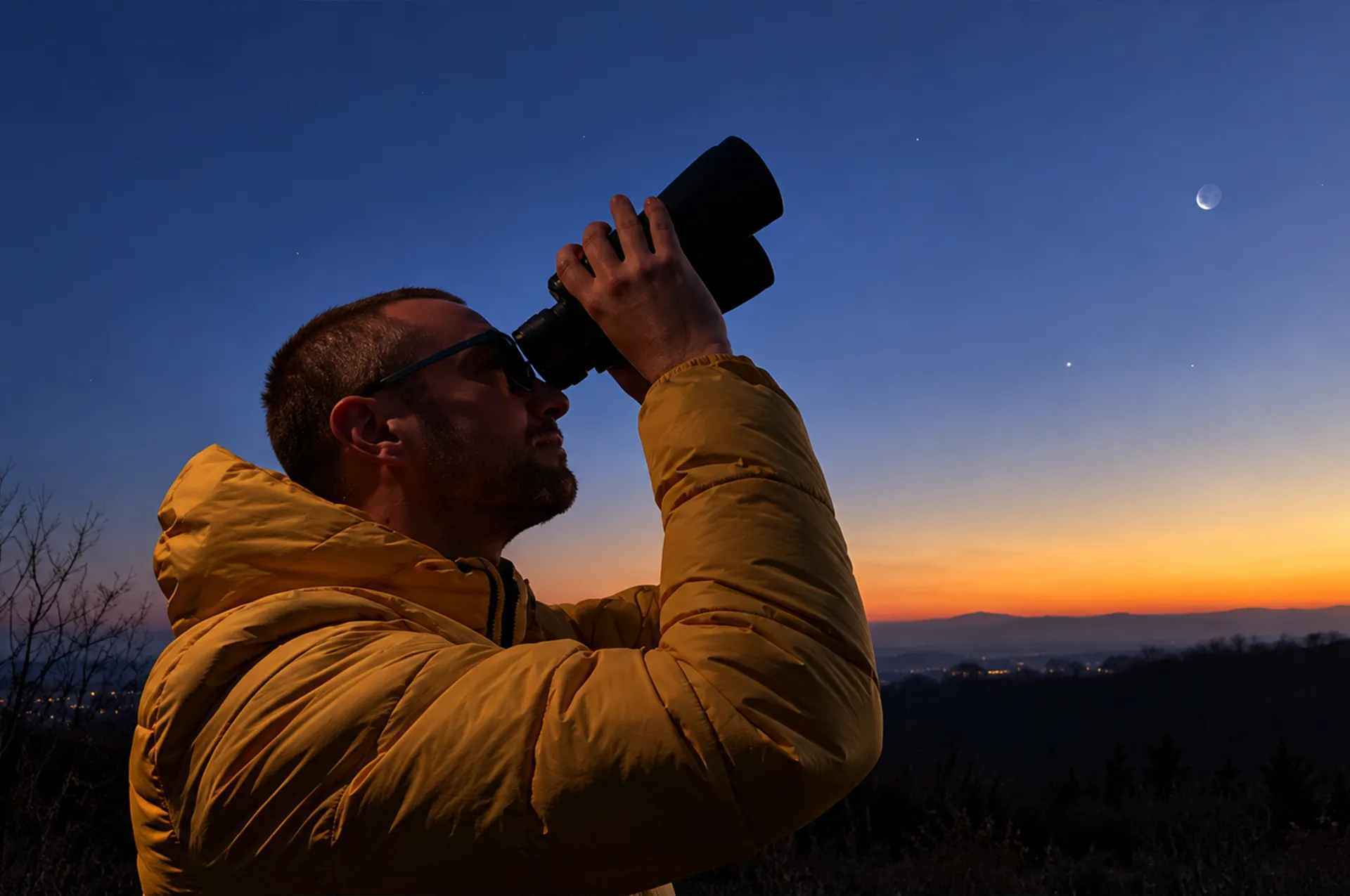
If you are observing without equipment, LUOV’s guide to how to stargaze without a telescope offers simple ways to improve what you can see.
Uranus
Credit: Canva
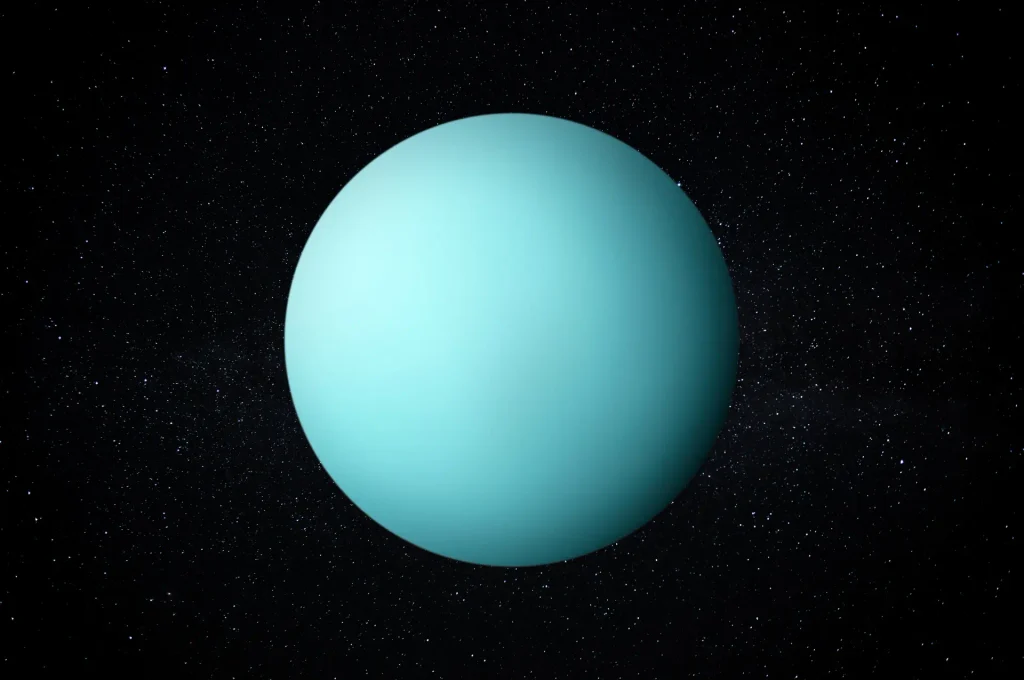
Uranus is a more challenging target, but October offers good opportunities to search for it before its November 25 opposition.
The planet rises during the evening and is generally better placed later at night and during the early morning hours. Exact timing depends strongly on your location.
Unlike Saturn and Jupiter, Uranus is difficult to identify with the unaided eye. Binoculars or a telescope are strongly recommended, along with a detailed star map or astronomy app. Through a telescope, Uranus can appear as a tiny blue-green disk rather than a simple point of light.
Neptune
Credit: Canva
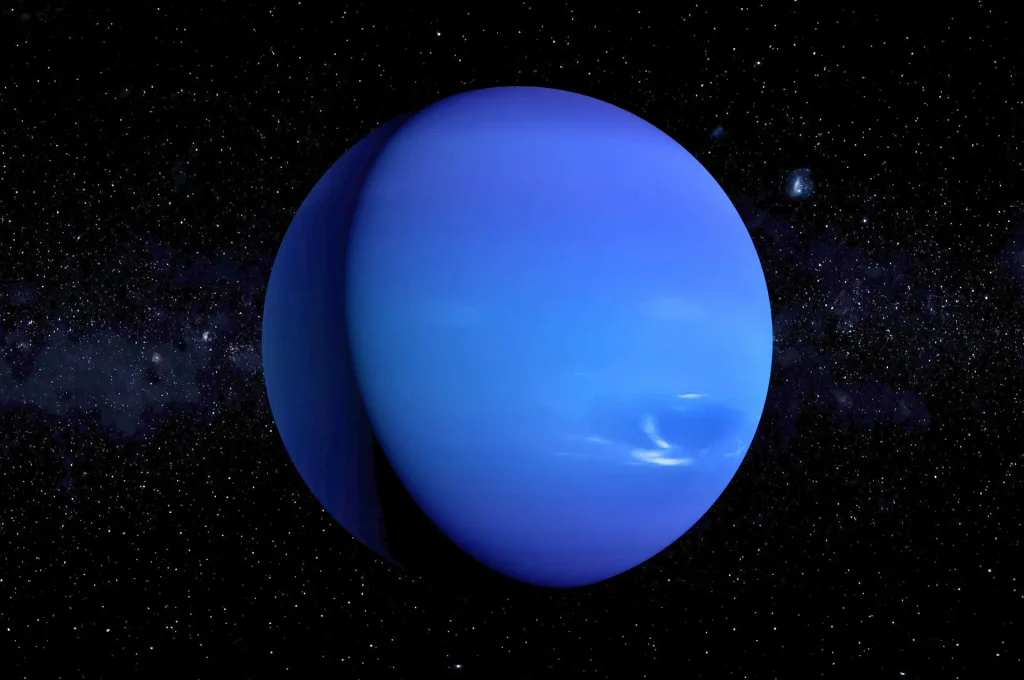
Neptune is another distant planet visible during October 2026, especially because it reached opposition on September 26. That means it remains well placed for nighttime observation during October.
Neptune is visible for much of the night, but it is far too faint to identify easily with the naked eye. Binoculars can help locate the correct region of the sky, although a telescope is usually the better choice for seeing the planet itself.
A dark observing location and detailed star chart are particularly useful because Neptune can easily be mistaken for a faint star.
Mercury
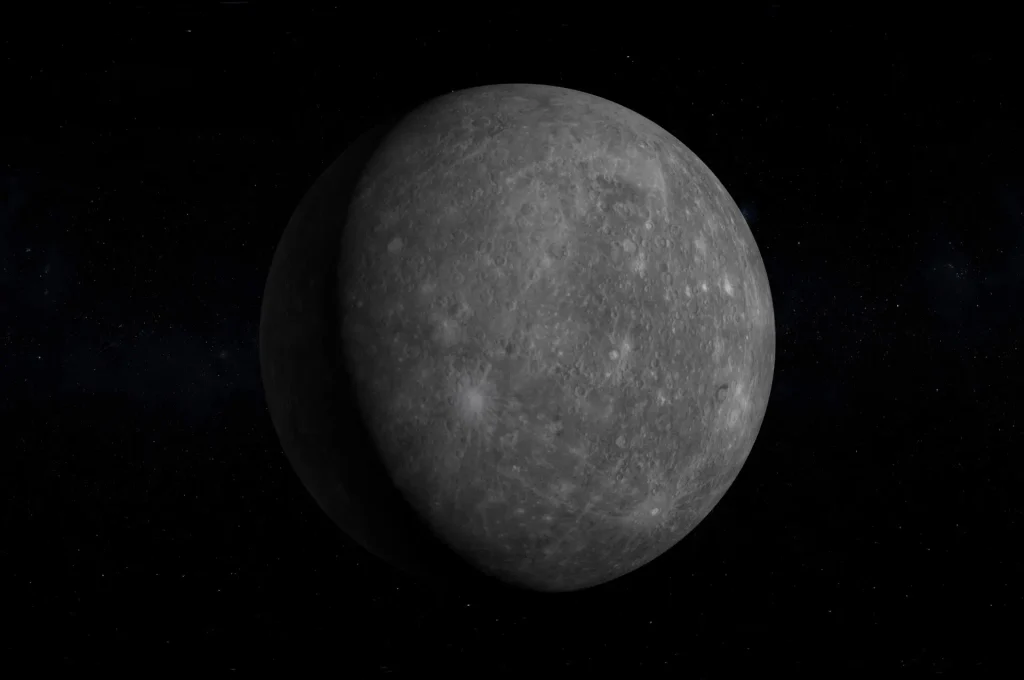
Mercury provides a short evening opportunity around October 12, when it reaches greatest eastern elongation and appears about 25 degrees from the Sun in our sky.
Look low above the western horizon shortly after sunset, preferably from somewhere with a completely unobstructed view.
Visibility depends strongly on latitude. This is an especially favorable evening appearance for the Southern Hemisphere, while Mercury remains very low and challenging for many observers in the Northern Hemisphere.
Never use binoculars or a telescope to search near the Sun before it has completely set.
Venus
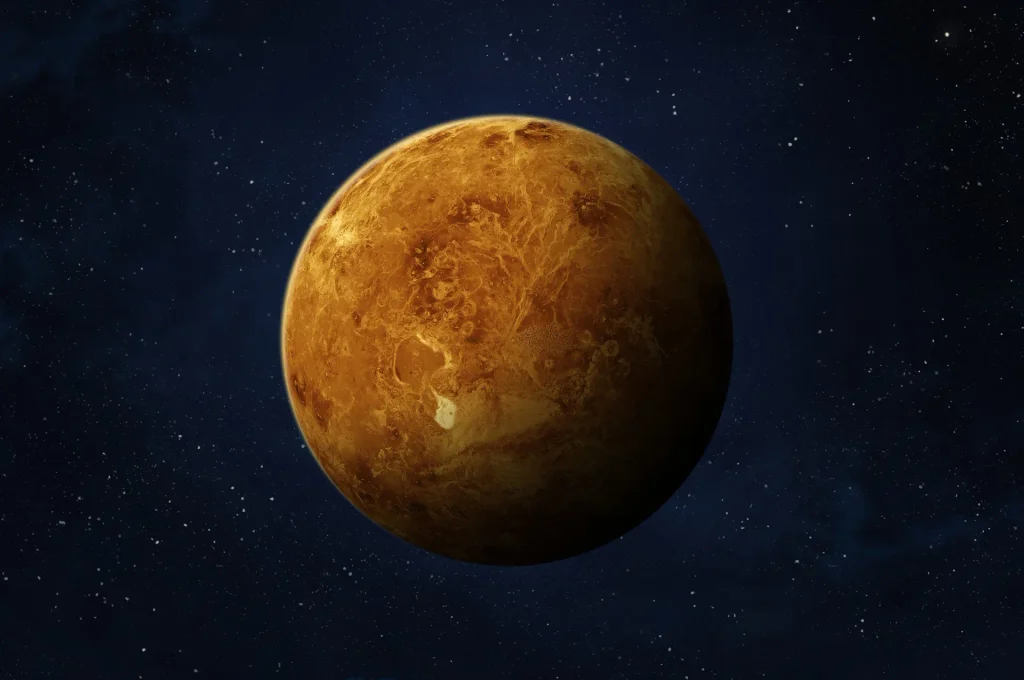
Venus is visible very low in the western evening twilight at the beginning of October, but it becomes increasingly difficult to observe as the month progresses.
The planet reaches inferior conjunction on October 24, when Venus passes between Earth and the Sun from our viewpoint. Around this time, it disappears into the Sun’s glare and should not be searched for with optical equipment.
After conjunction, Venus begins transitioning into the morning sky and becomes a much more interesting pre-dawn target during the following weeks.
Which Planets Are Easiest to See in October 2026?
If you are new to astronomy, start with Saturn. Around its October 4 opposition, it is visible for most of the night and easy to recognize.
Later, wake up before sunrise and look east for Jupiter and Mars. Once you become comfortable using a star chart, try finding Uranus and Neptune with binoculars or a telescope.
Mercury requires a low western horizon shortly after sunset around October 12, while Venus becomes increasingly difficult as it approaches the Sun later in the month.
Choosing a darker observing location can make finding the fainter planets much easier. LUOV’s guide to the best time to stargaze explains how darkness, moonlight and weather can affect what you see.
For exact positions from your own location, a current interactive night-sky map is useful because planet rise times can vary substantially around the world. October 2026 night-sky guide
Look Up. Observe Vastness.
LUOV