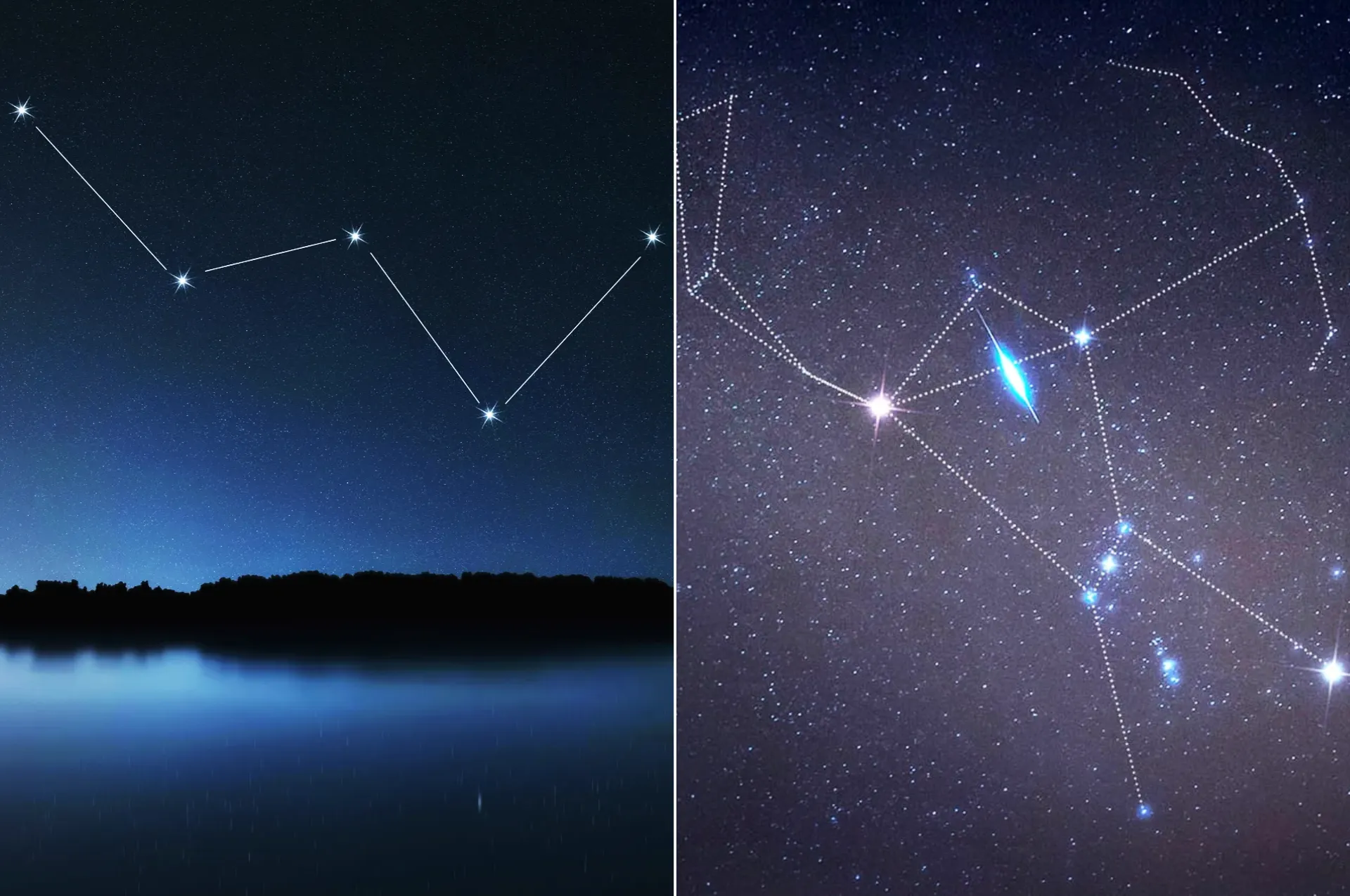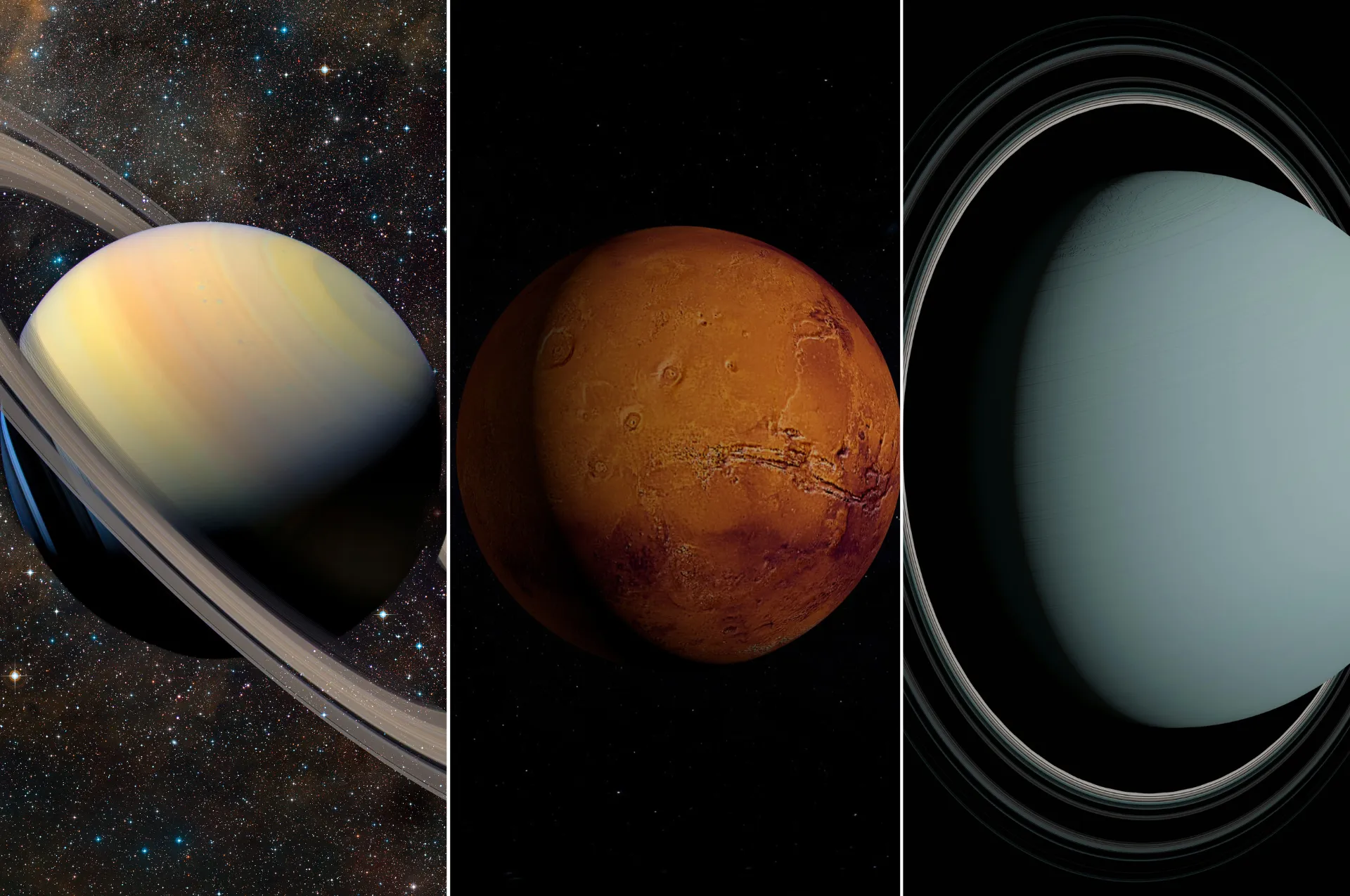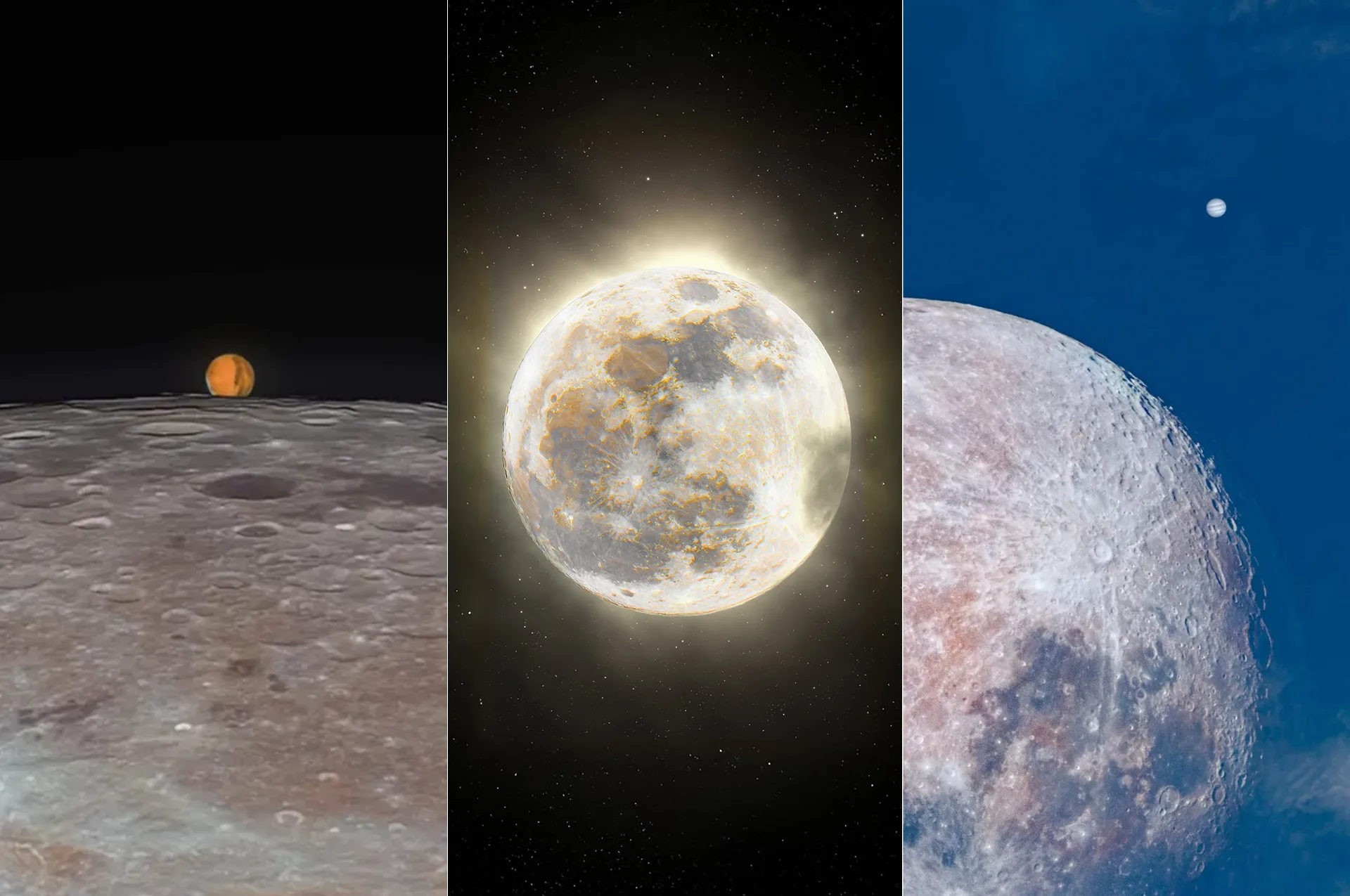
September 2026 astronomy events will give skywatchers plenty of reasons to look up. Throughout the month, the Moon will meet several planets, a meteor shower will reach its peak, Venus will shine at its brightest, Neptune will reach opposition, and the Harvest Moon will illuminate the night sky.
Some of these September 2026 space events can be enjoyed with nothing more than your eyes, while others are best seen with binoculars or a telescope. Whether you are planning a night of stargazing or simply wondering what to see in the sky in September, here are the key dates to mark on your calendar.
Credit: Andrew McCarthy/@cosmic_background, Justin Shekoski/@justinshekoski, Dr. Anup Singh/@picabuzz
September 6: Moon and Mars Close Approach
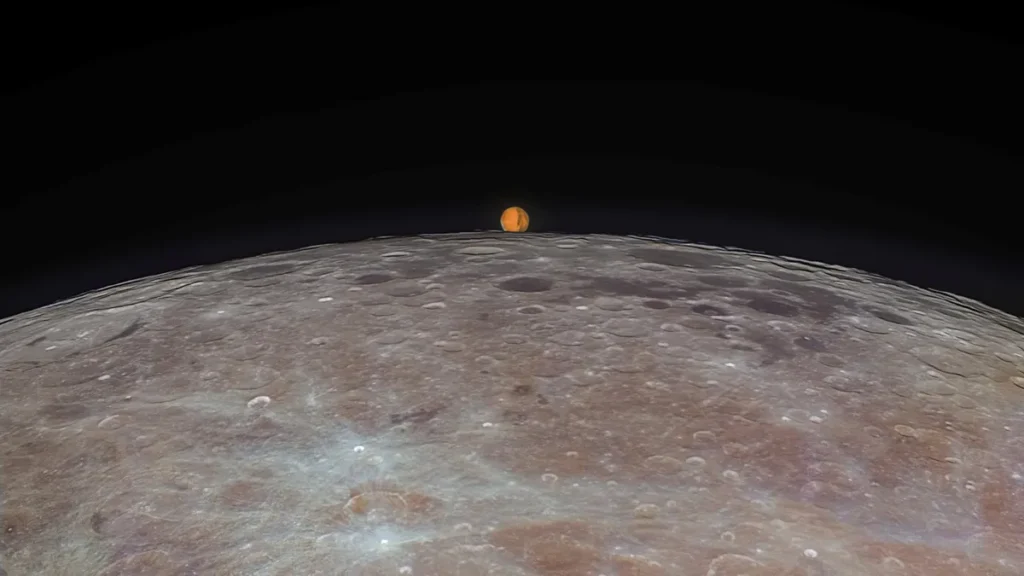
Credit: Andrew McCarthy/@cosmic_background
Credit: Starwalk
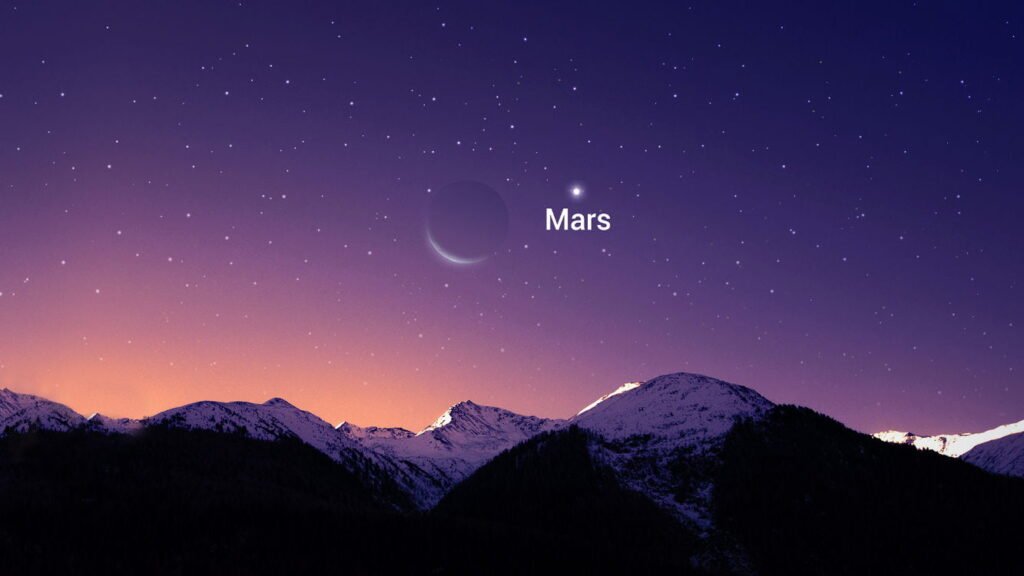
September begins with a beautiful meeting between the Moon and Mars on September 6. The two objects will appear within about 2°57′ of each other in the constellation Gemini. The Moon will be a thin waning crescent, while Mars will appear as a much fainter reddish point nearby.
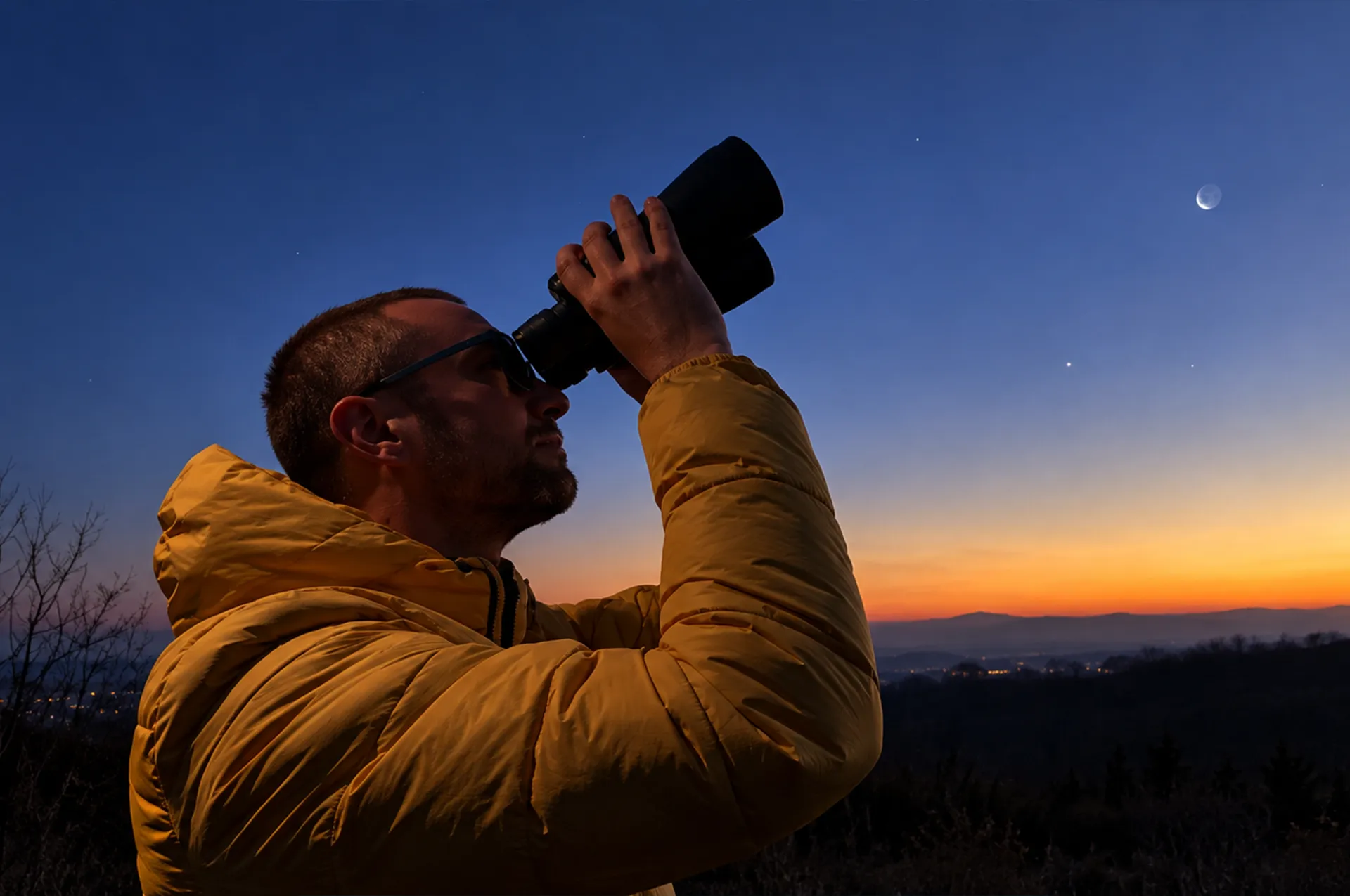
The pair will be best seen in the pre-dawn sky, looking toward the eastern horizon. Both objects will be visible without a telescope, although binoculars can make the view even more interesting.
The exact viewing time and height above the horizon will depend on your location, but the close approach will be observable from many parts of the world where the pair rises before sunrise.
September 8-9: Jupiter Meets the Moon
Credit: Dr. Anup Singh/@picabuzz
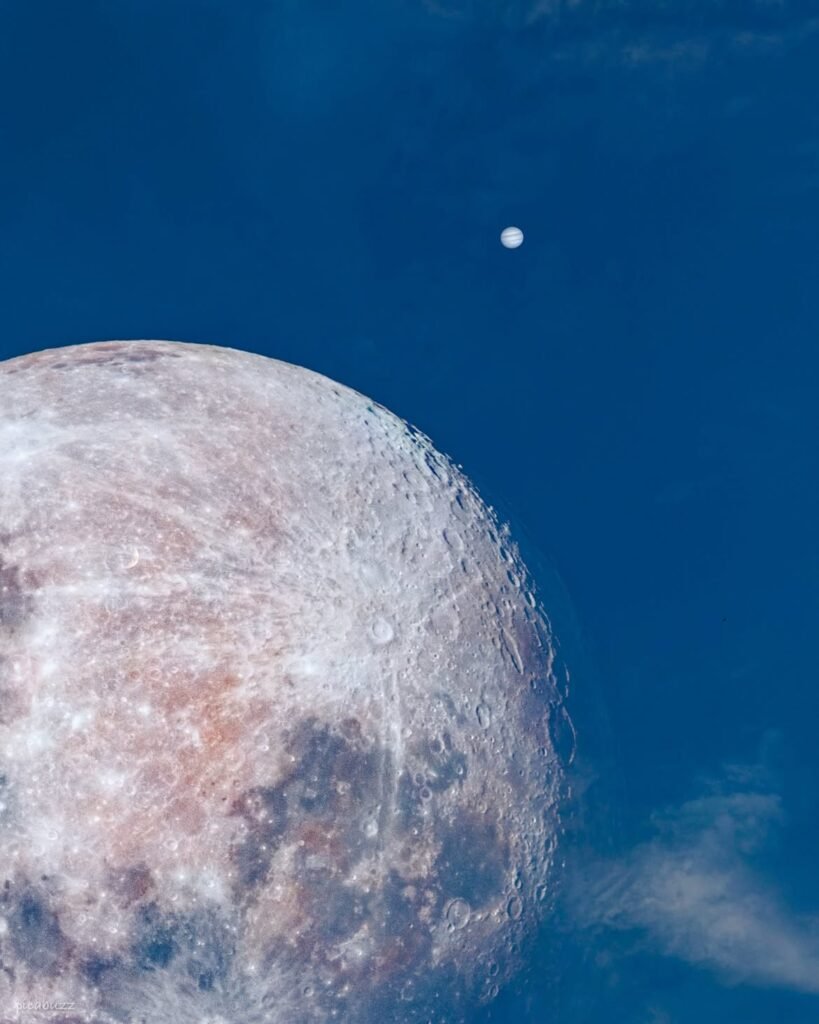
On September 8-9, the Moon will pass directly in front of Jupiter, creating a rare event known as a lunar occultation. From the right location, Jupiter will appear to disappear behind the Moon before emerging again later. This is different from a normal conjunction because the Moon actually passes in front of the planet from our viewpoint.
However, this event will not be visible everywhere. The occultation will be visible across parts of Canada, Greenland, Russia, the United States, Alaska, Iceland, the Caribbean and several other regions. Outside this visibility zone, observers may still see the Moon and Jupiter appearing close together. Binoculars can help, but the event may also be visible to the naked eye depending on local conditions.
September 9: Epsilon Perseid Meteor Shower
Credit: Getty Images | Haitong Yu
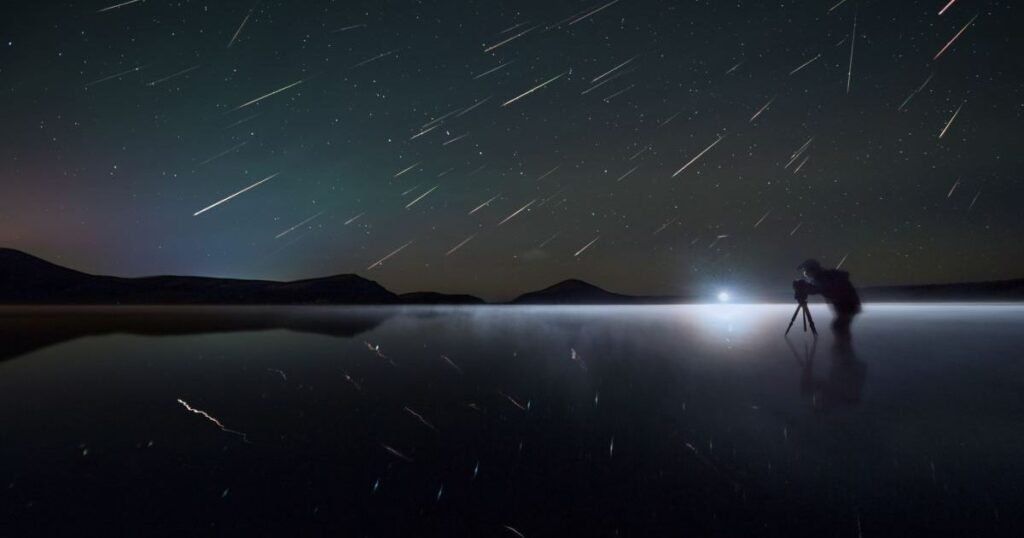
The September ε-Perseid meteor shower reaches its peak around September 9. This smaller meteor shower appears to radiate from the constellation Perseus and can produce around five meteors per hour under ideal dark-sky conditions.
The best time to watch is generally during the hours before dawn, when the radiant rises higher in the sky. No telescope or binoculars are needed because meteors can appear across a wide area of the sky.
Find a dark location away from city lights, allow your eyes time to adjust to the darkness, and look across as much of the sky as possible. The shower peaks close to the New Moon, meaning moonlight should interfere very little with observations.
September 10-11: New Moon
Credit: via Getty / Studio
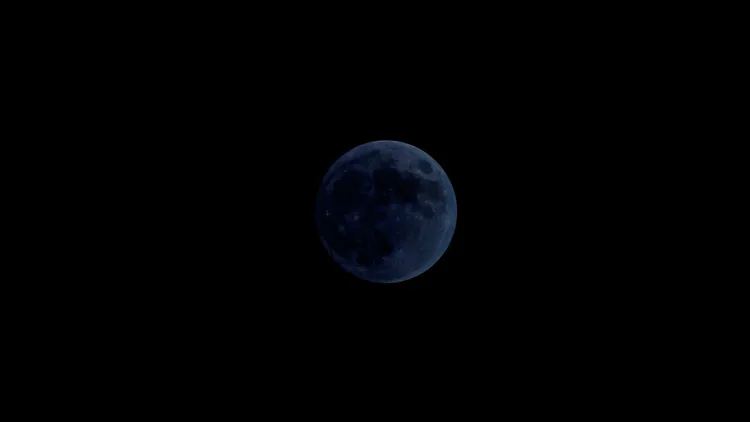
The New Moon occurs on September 11 at 03:27 UTC, which places the event late on September 10 in some parts of the Americas.
During a New Moon, the Moon is positioned roughly between Earth and the Sun, leaving the side facing Earth almost completely unilluminated. This makes the Moon extremely difficult to see around the exact time of the phase.
Although there is little to observe on the Moon itself, New Moon is one of the best times for stargazing. With almost no moonlight brightening the night sky, faint stars, meteors, the Milky Way and deep-sky objects become easier to see from dark locations.
For anyone interested in the September night sky, the nights surrounding the New Moon are among the best opportunities of the month.
September 22: Venus at Greatest Brightness
Credit: SkySafari app
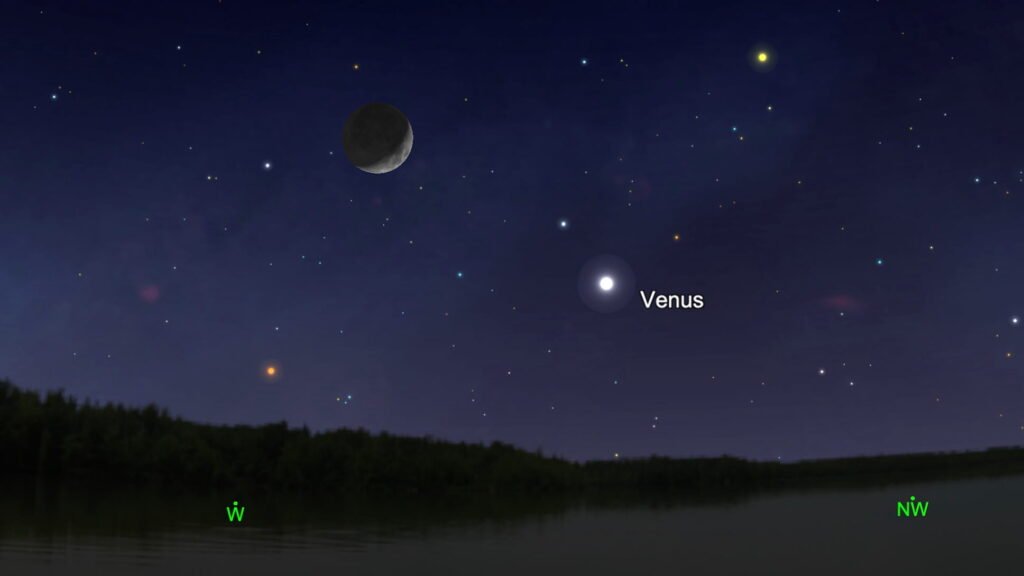
Venus reaches the greatest brightness of its 2026 evening appearance on September 22, shining at approximately magnitude −4.6.
Already one of the brightest objects in the night sky, Venus will be especially easy to identify during this period. Look toward the western sky after sunset for an exceptionally bright point of light.
Unlike stars, Venus usually does not twinkle strongly because it appears as a tiny disk rather than a point of light. Through a telescope, observers will see something very different: Venus will appear as a bright crescent rather than a fully illuminated disk.
The exact altitude and viewing window will depend on your location.
September 23: September Equinox
Credit: NASA/ GSFC/ Genna Duberstein
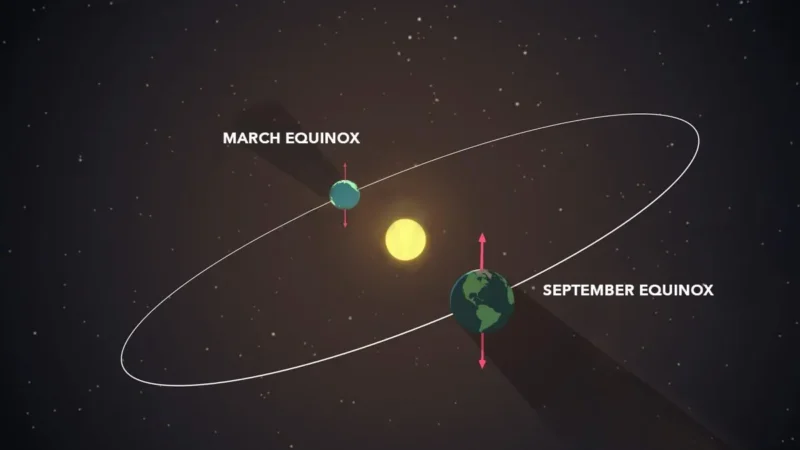
The September equinox occurs on September 23 at 00:05 UTC, or during the evening of September 22 in much of the Americas.
An equinox occurs when the Sun crosses the celestial equator. It marks the beginning of astronomical autumn in the Northern Hemisphere and astronomical spring in the Southern Hemisphere.
Despite the name equinox, meaning “equal night,” day and night are not exactly 12 hours long everywhere. Atmospheric refraction and the way sunrise and sunset are defined mean most locations actually experience slightly more than 12 hours of daylight on the equinox itself.
The equinox also marks an important seasonal change in the September night sky, with nights becoming progressively longer across the Northern Hemisphere.
September 25: Neptune at Opposition
Credit: Pexels
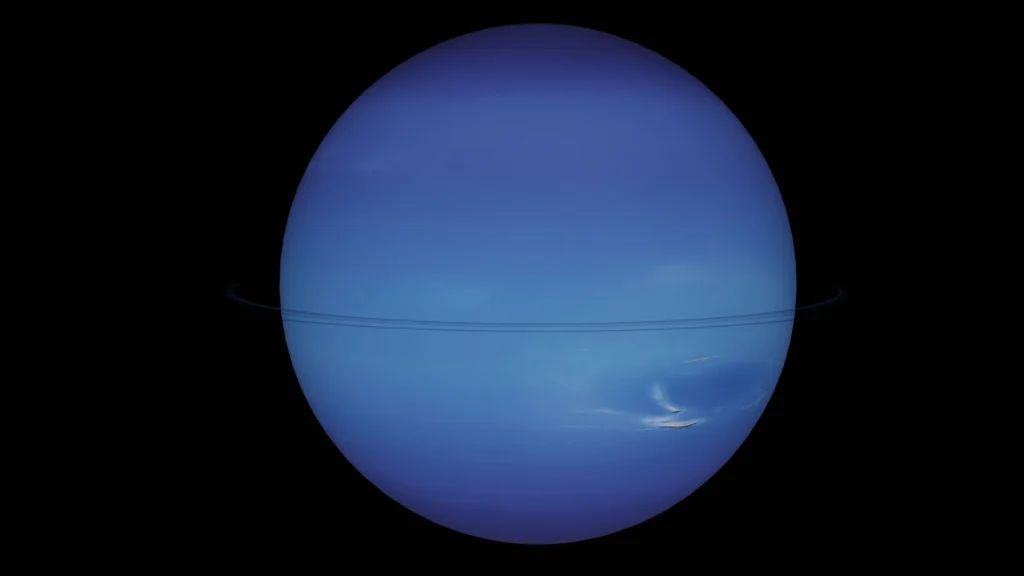
On September 25, Neptune will reach opposition, placing the distant ice giant opposite the Sun in Earth’s sky. Opposition is one of the best times to observe an outer planet because it is visible for much of the night and reaches its highest point around midnight. Neptune will be located in the constellation Pisces.
Unlike Venus or Mars, Neptune is too faint to easily identify with the naked eye. A telescope is recommended to find it and distinguish its tiny bluish appearance from surrounding stars. Observers in both hemispheres can look for Neptune, although its position and height above the horizon will depend on their location.
September 26: Harvest Full Moon
Credit: Justin Shekoski/@justinshekoski
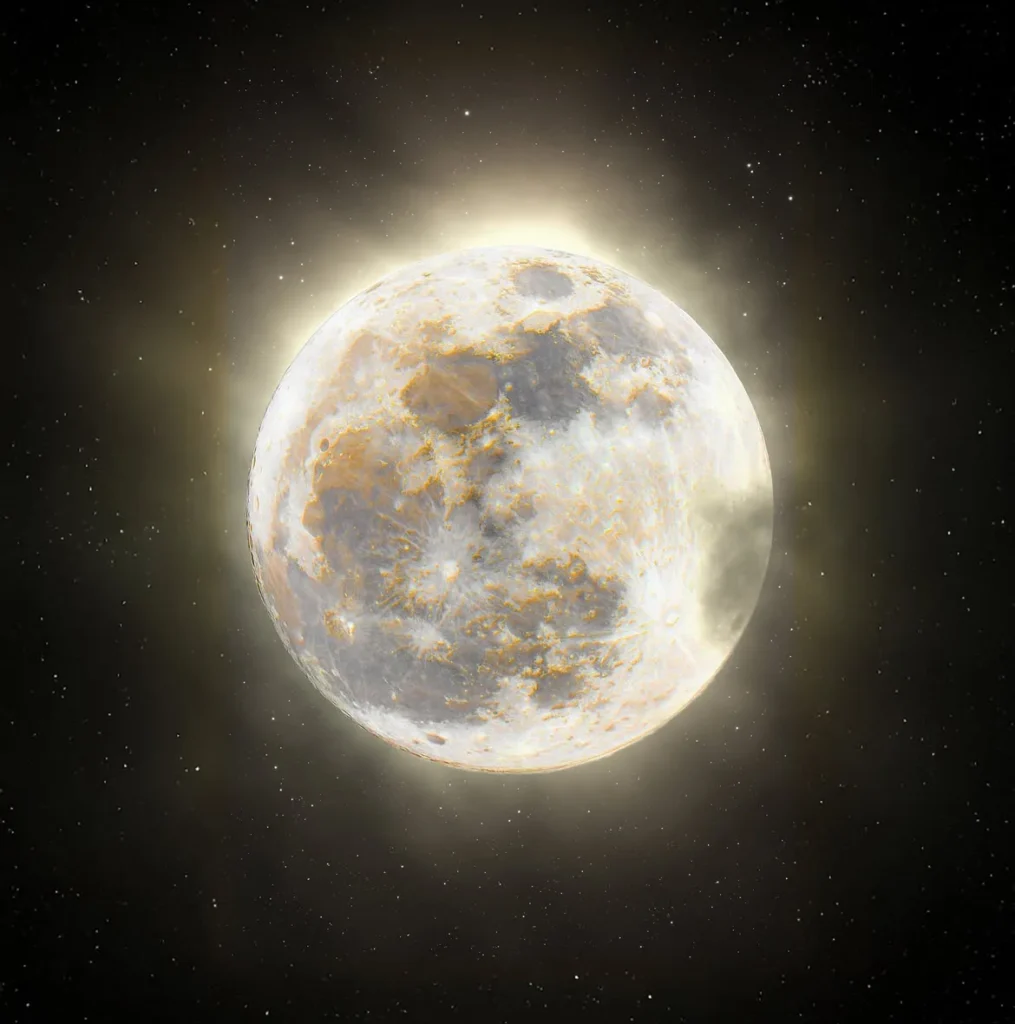
The Full Moon arrives on September 26, reaching peak illumination at 16:49 UTC. Around the full phase, the entire Earth-facing side of the Moon appears illuminated by the Sun.
September’s Full Moon is also the Harvest Moon of 2026 because it is the Full Moon closest to the September equinox.
The Harvest Moon is particularly notable in the Northern Hemisphere because, for several evenings around the full phase, the Moon rises at more similar times from one night to the next than it normally does. Historically, the additional evening moonlight gave farmers more time to work during the harvest season.
No special equipment is needed to enjoy the Full Moon. Binoculars or a telescope can reveal lunar plains, craters and other surface features, although shadows are less pronounced during the bright full phase.
What to See in the Sky in September 2026
September offers a wide variety of September space events 2026, from easy naked eye sights to events that reward observers with binoculars or a telescope. Before heading outside, check the exact viewing time for your location because the visibility of celestial events changes with latitude, longitude and local daylight. A dark location, clear weather and a little patience can make even a simple night under the stars much more rewarding.
Look Up. Observe Vastness.
LUOV