Credit: NASA
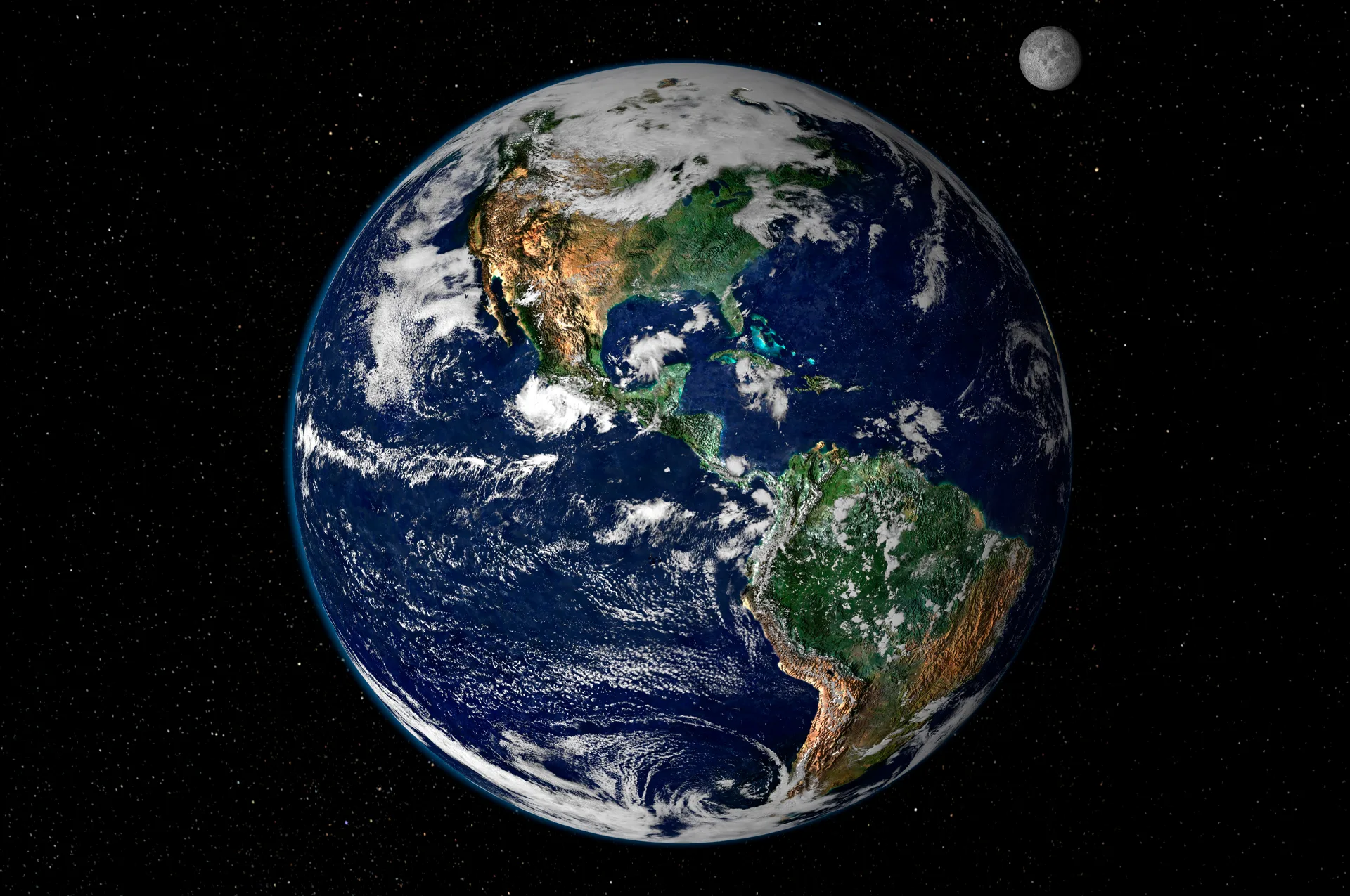
How Long Will Earth Survive is a question that has fascinated scientists for decades. The reassuring answer is that Earth is not facing any near-term cosmic deadline. Our planet formed about 4.5 billion years ago and is expected to remain in space for billions more. However, Earth’s environment will gradually change as the Sun naturally grows brighter over time. These changes happen so slowly that they are measured in billions of years, making them far beyond the timescale of human civilization.
While people often wonder whether Earth will simply disappear one day, astronomers explain that the real story is much more gradual. The Sun continuously converts hydrogen into helium, causing it to become slightly brighter every hundred million years. That extra energy slowly warms our planet, affecting its oceans, atmosphere, and climate over incredibly long periods. Scientists continue to refine these predictions using computer models and observations of stars similar to our Sun.
The Next Billion Years
Credit: Canva
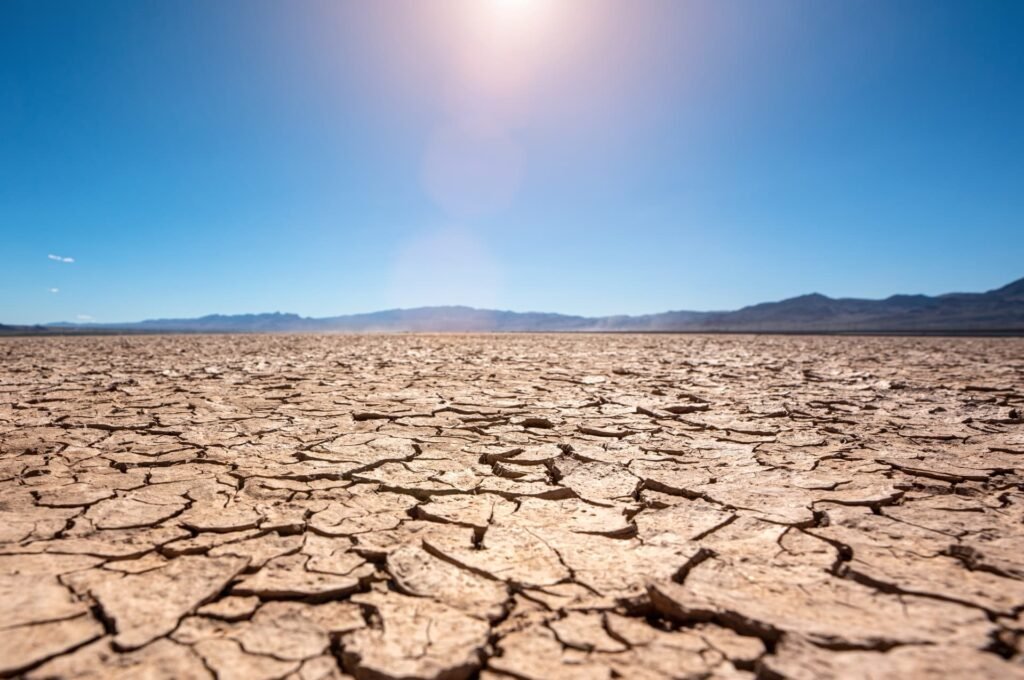
Over the next billion years, Earth should remain much like the planet we know today. Beyond that, increasing sunlight is expected to make the surface warmer. Scientists estimate that temperatures may eventually become too high for today’s oceans to remain stable. As water slowly escapes into space, Earth’s climate would become increasingly dry, making it difficult for many familiar plants and animals to thrive.
Long before these dramatic changes, Earth’s atmosphere is also expected to evolve. Carbon dioxide levels may gradually decrease because of natural geological processes. Since plants rely on carbon dioxide for photosynthesis, many plant species could struggle over immense stretches of time. Recent studies suggest that some hardy organisms may continue adapting longer than previously believed, meaning parts of Earth’s biosphere could remain active for nearly 1.8 billion more years under favorable conditions.
What Happens When the Sun Ages?
Credit: Universetoday
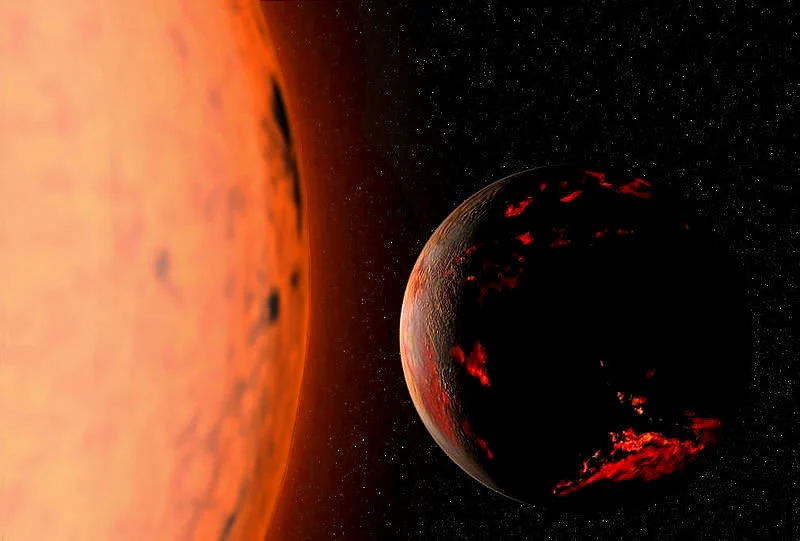
Around five billion years from now, the Sun will reach a new stage of its life called the red giant phase. During this period, it will expand enormously, becoming much larger than it is today. For many years, astronomers believed Earth would almost certainly be engulfed during this expansion. However, newer research suggests the outcome may not be so simple.
As the Sun grows older, it will also lose a significant amount of its mass. This weaker gravitational pull could allow Earth’s orbit to slowly move farther away. Some recent models indicate that Earth might avoid being engulfed altogether, although scientists emphasize that this remains uncertain and depends on exactly how the Sun evolves. Even if Earth survives the Sun’s expansion, the planet’s surface would already have become far too hot to support today’s environments billions of years earlier.
Why There Is No Need to Worry
When discussing How Long Will Earth Survive, it’s important to remember the enormous timescales involved. Every major change scientists predict occurs over hundreds of millions or billions of years. These events are part of the natural evolution of stars and planets and have no impact on everyday life today.
Earth has already remained stable for more than four billion years, providing the right conditions for oceans, continents, and an incredible diversity of life. Ongoing research continues to improve our understanding of the planet’s distant future, but one conclusion remains consistent: Earth has an extraordinarily long future ahead. Rather than focusing on events billions of years away, scientists emphasize protecting the environment we have now so future generations can continue enjoying this remarkable world.