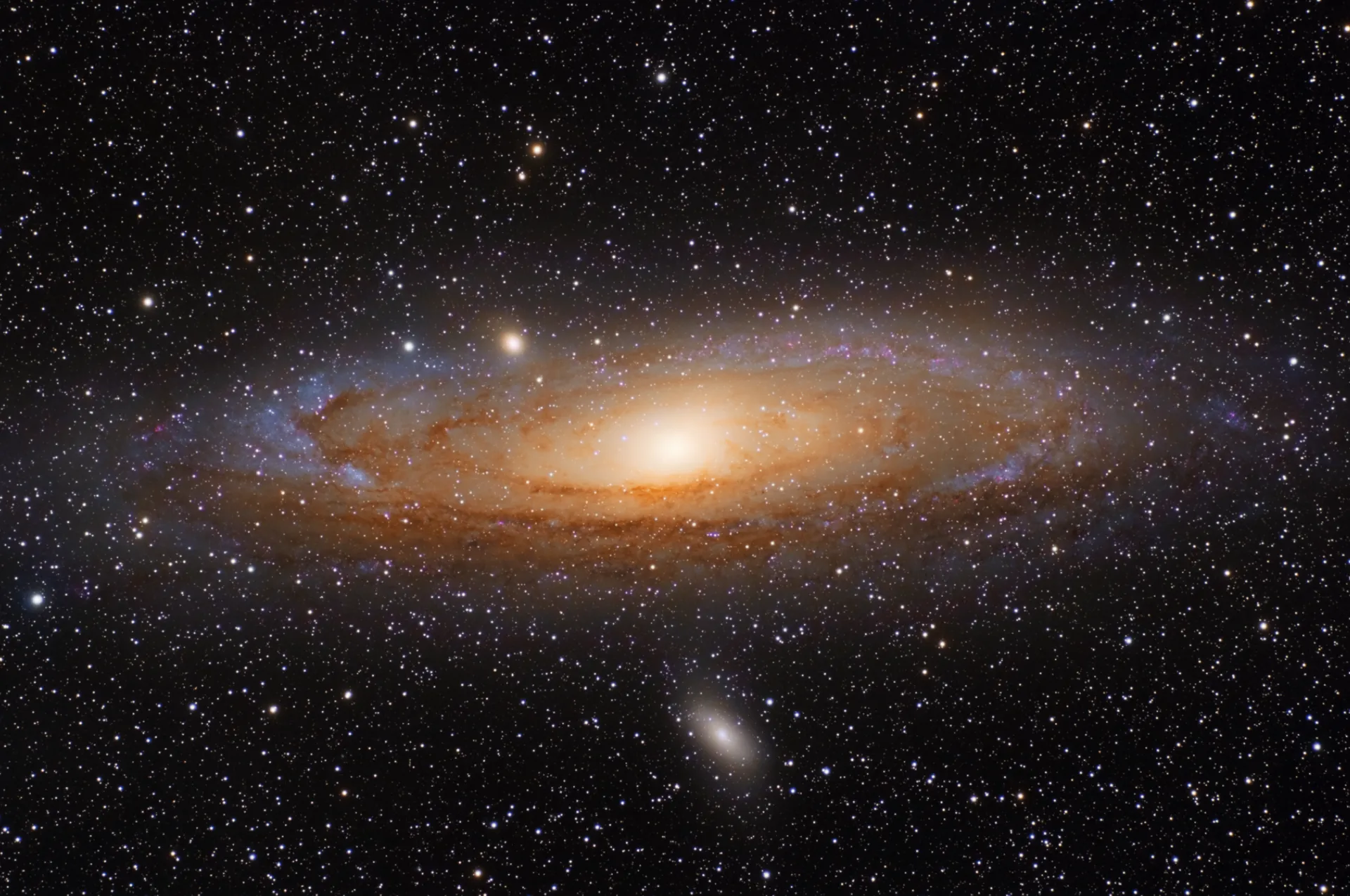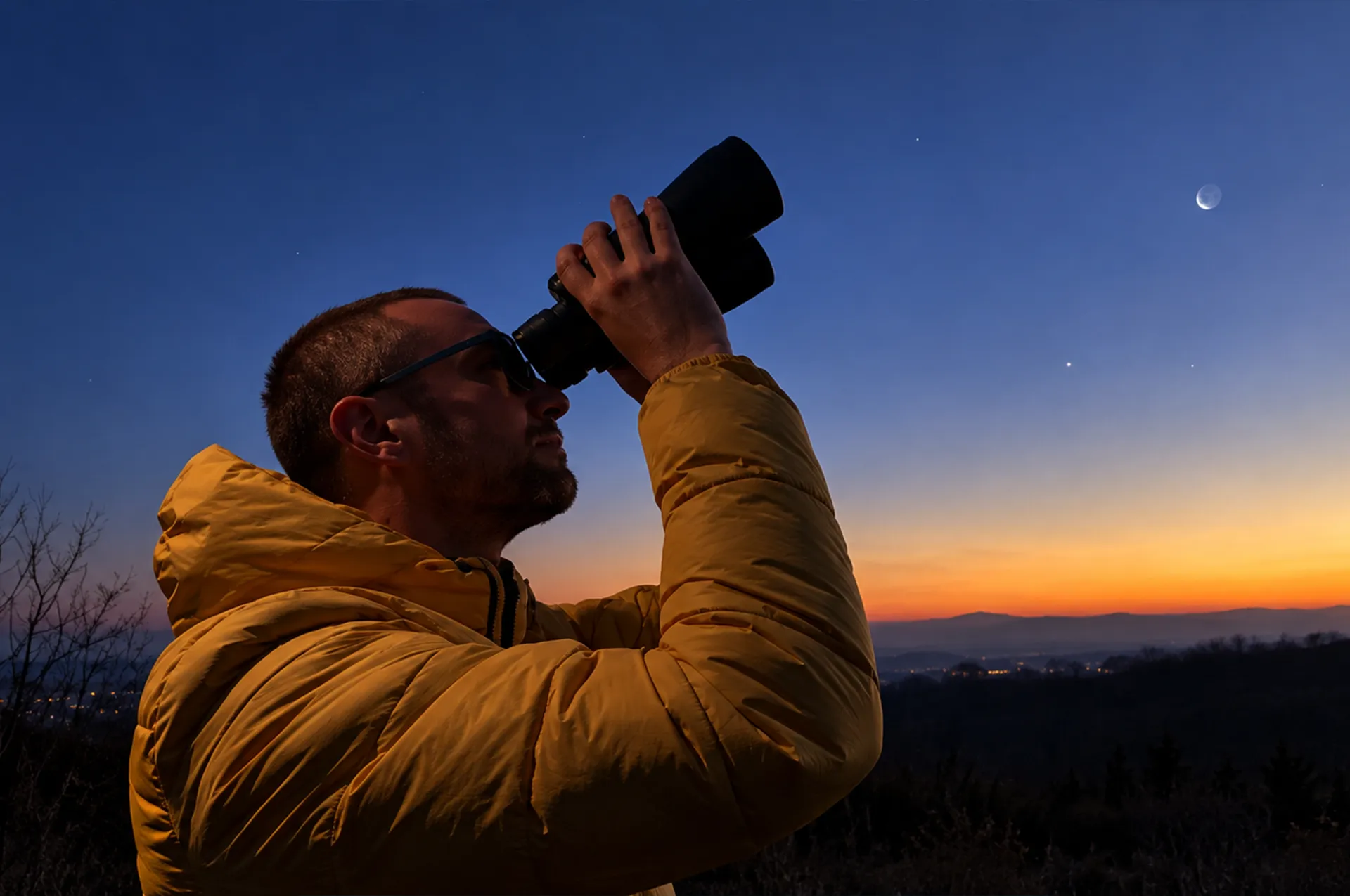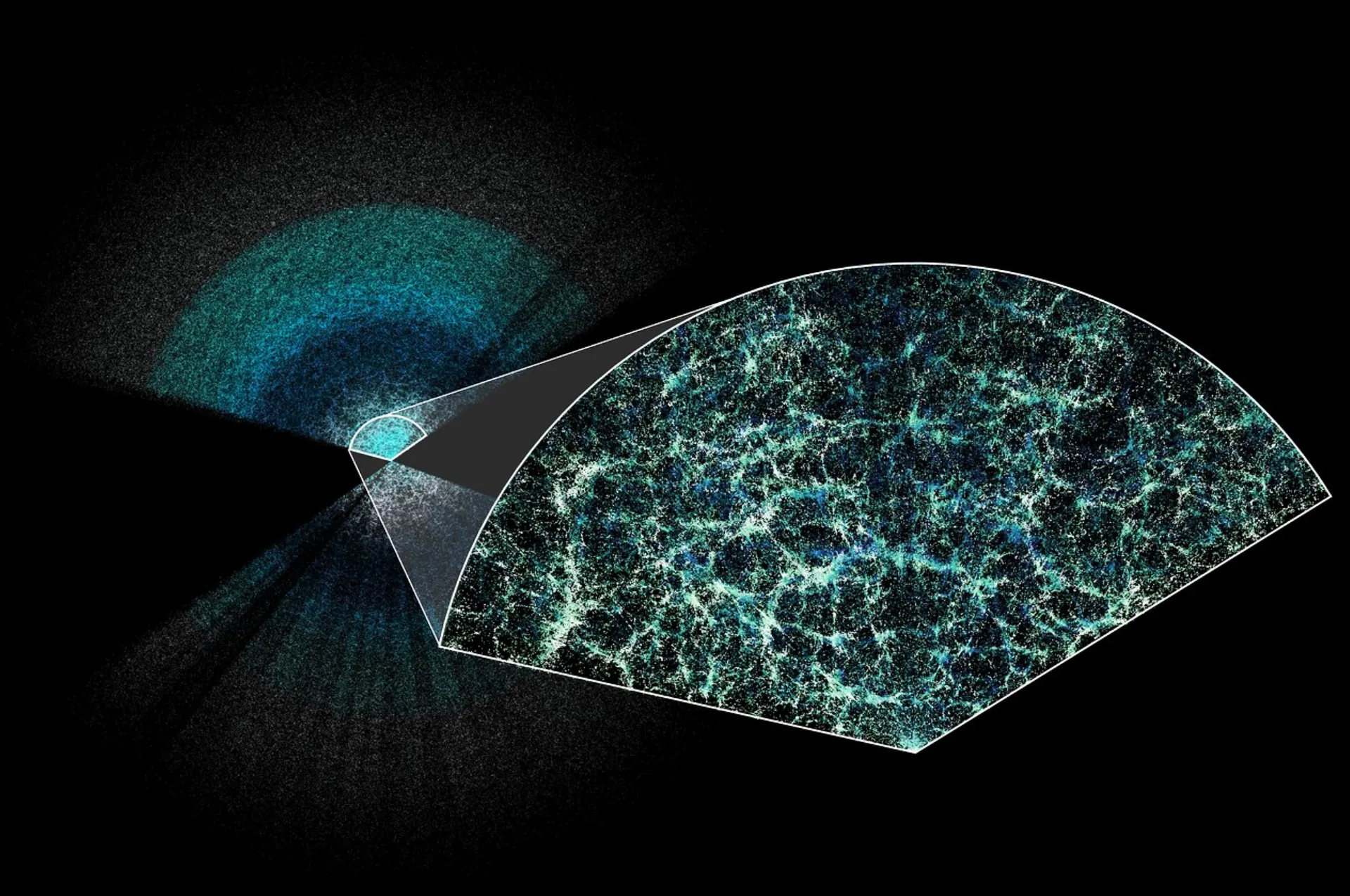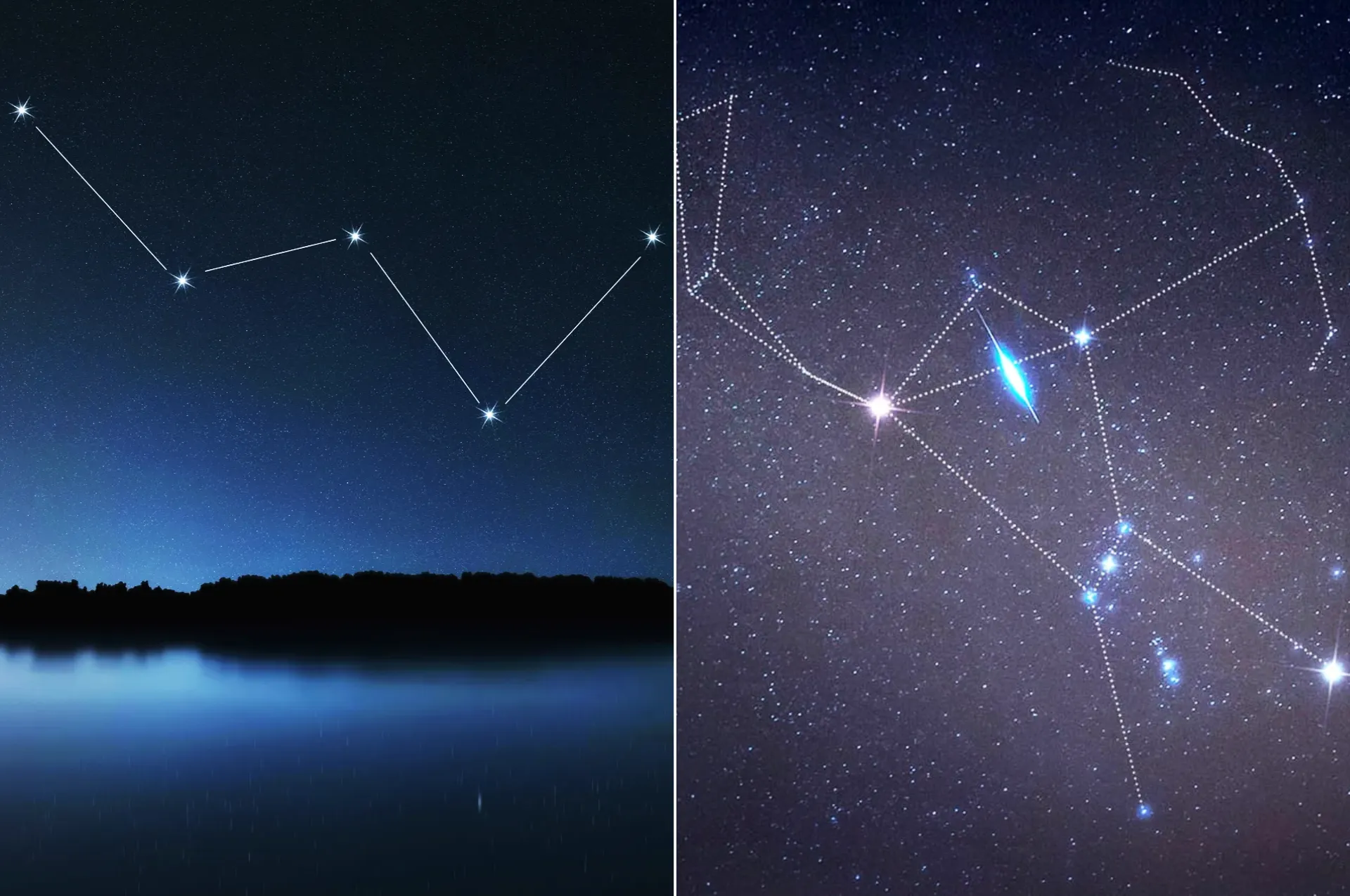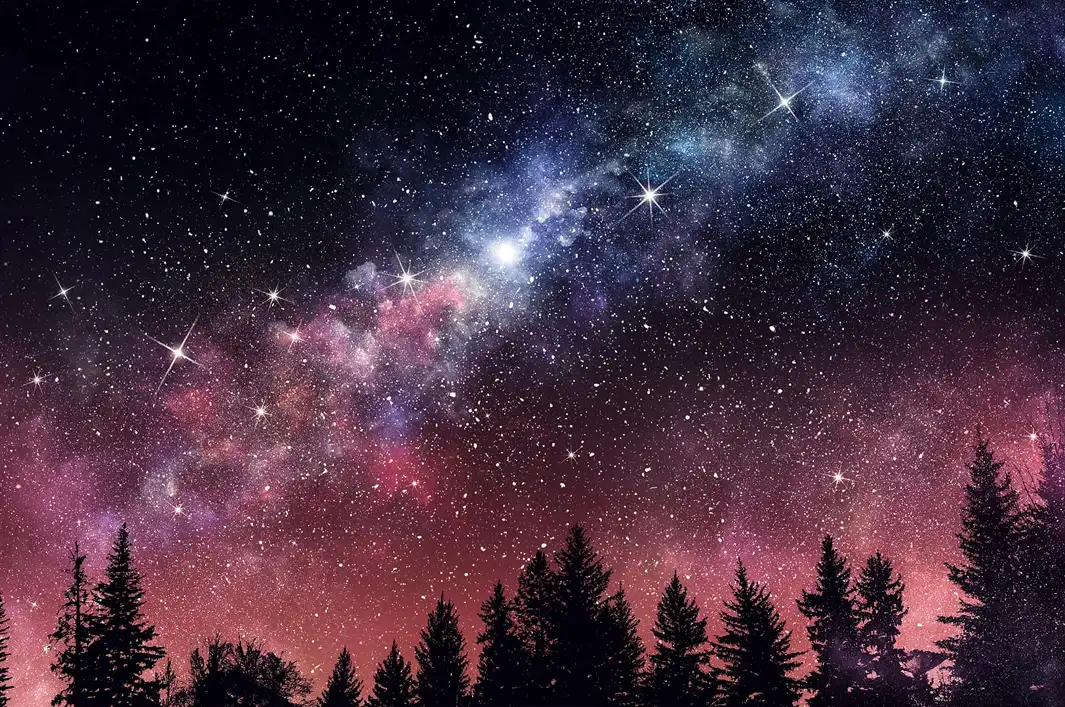
The clearest night skies on Earth are found far from city lights, where dark skies reveal thousands of stars and the Milky Way in extraordinary detail.
Light Pollution is one of the biggest reasons many people can no longer see a sky full of stars. If you live near a city, you may notice that only the brightest stars are visible at night. Streetlights, billboards, buildings, and other artificial lights create a glow in the atmosphere that washes out faint celestial objects. This effect is known as light pollution.
Scientists estimate that more than 80% of the world’s population lives under light-polluted skies, and for many people, the Milky Way is no longer visible without traveling to darker locations. Artificial light scatters through the atmosphere, creating a bright background that makes stars, planets, nebulae, and galaxies harder to see.
For astronomers, photographers, and casual stargazers, light pollution is a major challenge. Even powerful telescopes can struggle when the sky is filled with artificial glow. This is why observatories are often built in remote deserts, mountains, and protected dark-sky reserves where the atmosphere is clear and human-made light is minimal. The darker the sky, the more stars become visible, and the easier it is to observe the Milky Way in stunning detail.
Fortunately, a few places on Earth still offer remarkably dark skies. These locations are often far from cities, have dry weather, high elevations, and strict lighting regulations. Here are ten of the best places on Earth for experiencing the night sky as it was meant to be seen.
Where Are the Clearest Night Skies on Earth?
The best locations combine minimal light pollution, clear weather, high elevation, and exceptionally dark skies.
1. Atacama Desert, Chile
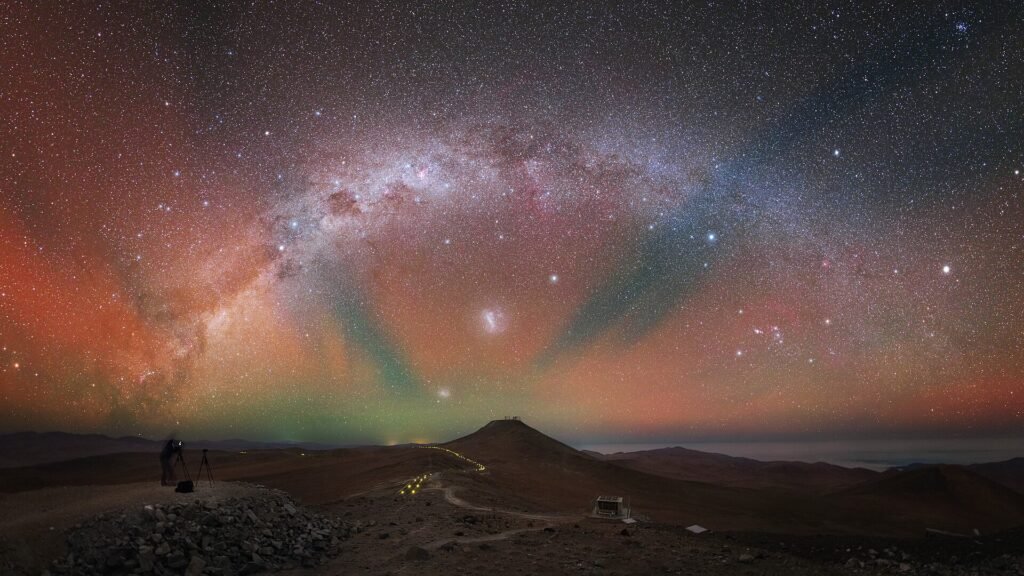
Credits: Y. Beletsky (LCO)/ESO
The Atacama Desert is widely regarded as one of the best places on Earth for astronomy. Located more than 2,000 meters above sea level, it receives very little rainfall and experiences over 300 clear nights each year. The combination of dry air, high altitude, and almost nonexistent light pollution allows observers to see thousands of stars, bright nebulae, and the Milky Way in extraordinary detail. Several world-famous observatories, including ALMA and the Very Large Telescope, are located here because of the region’s exceptional observing conditions.
2. NamibRand Nature Reserve, Namibia
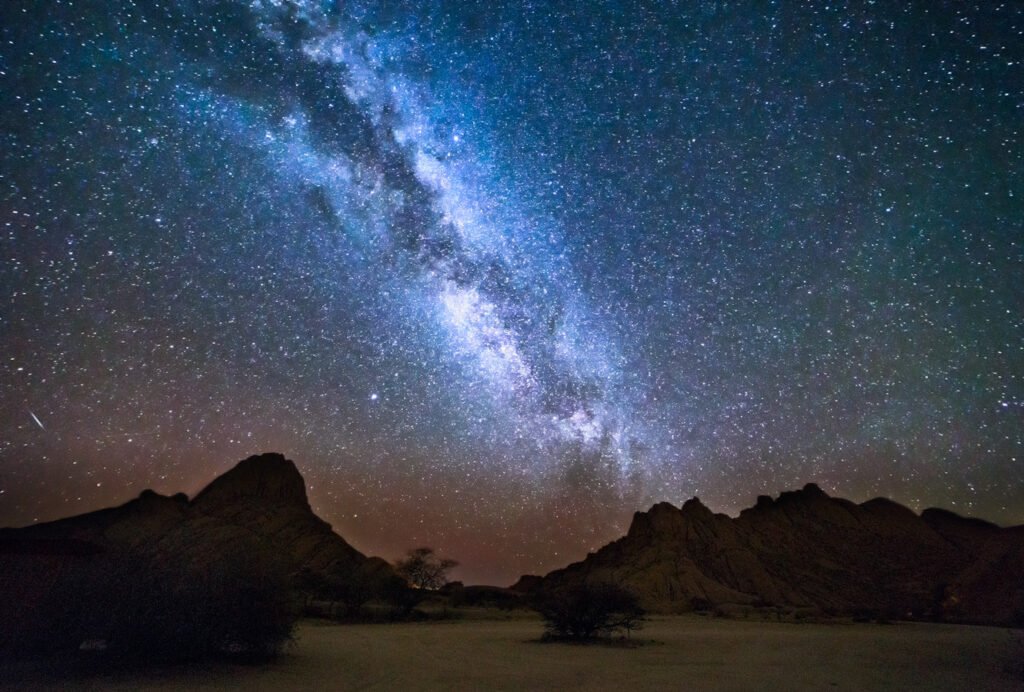
Credits : wikipedia commons
Situated in the heart of the Namib Desert, NamibRand Nature Reserve is one of Africa’s premier stargazing destinations. The reserve is far from large cities, meaning artificial light barely affects the night sky. On moonless nights, visitors can see the Milky Way stretching from horizon to horizon, while the dry desert climate provides crisp and stable viewing conditions throughout much of the year.
3. Aoraki Mackenzie Dark Sky Reserve, New Zealand
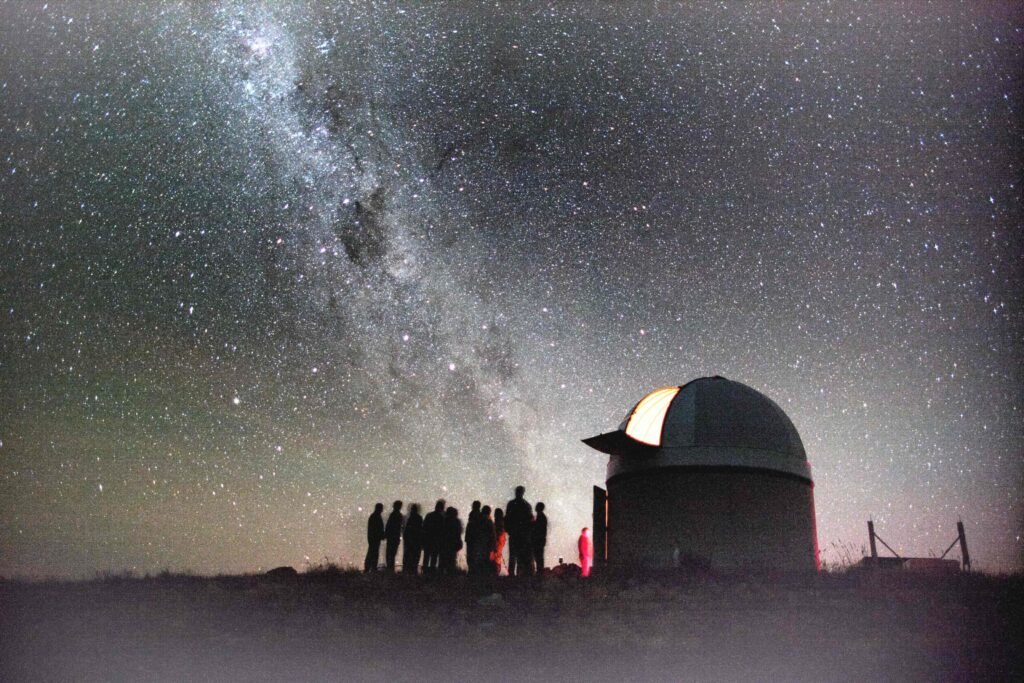
Credit: Maki Yanagimachi
Covering thousands of square kilometers on New Zealand’s South Island, this reserve is one of the largest protected dark-sky areas in the world. Strict lighting regulations help preserve the darkness, making it an ideal place to observe southern hemisphere constellations. Visitors often report seeing the Milky Way so clearly that it appears as a glowing river of light across the sky.
4. Tenerife, Canary Islands, Spain
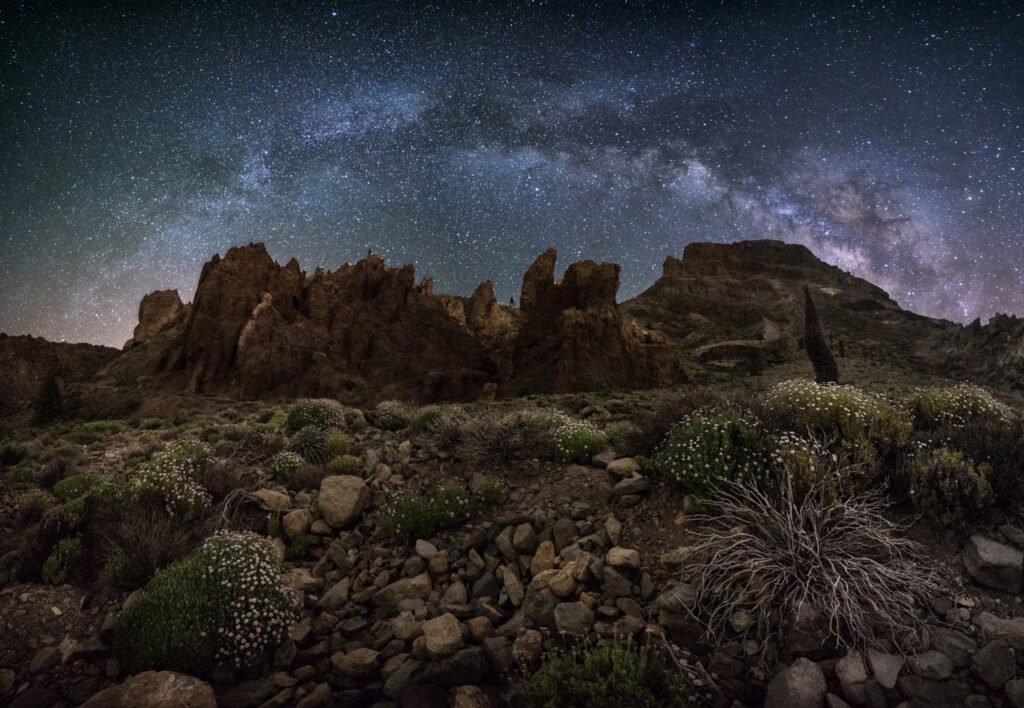
Credit: Juan Santana, 500px/GETTY IMAGES
Tenerife combines beautiful landscapes with some of Europe’s finest astronomical conditions. The island’s volcanic mountains rise above cloud layers, providing exceptionally clear views of the heavens. Thanks to laws that limit light pollution, stargazers can enjoy excellent views of planets, star clusters, and distant galaxies throughout the year.
5. Hanle, Ladakh, India
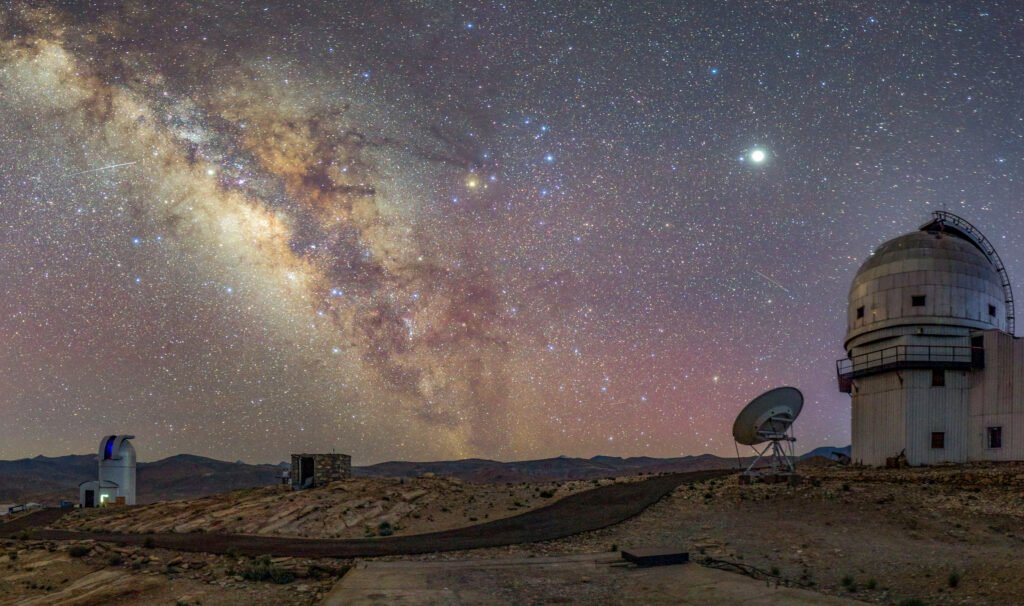
Credit: Dorje Angchuk
Nestled in the remote mountains of Ladakh, Hanle is home to India’s first Dark Sky Reserve. At an altitude of around 4,500 meters, the region experiences thin, dry air that allows for remarkably sharp views of the night sky. During clear nights, observers can easily spot the Milky Way, countless stars, and even faint deep-sky objects that are difficult to see from more populated areas.
6. Spiti Valley, India
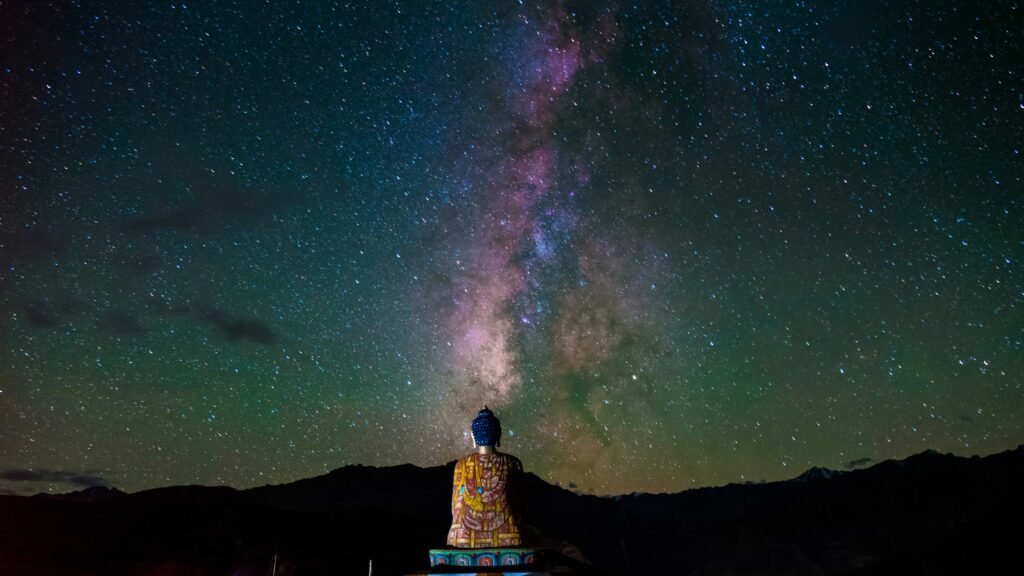
Credit: Unsplash / bhargav emani
Spiti Valley’s rugged mountains and isolated villages create ideal conditions for stargazing. Because there are very few sources of artificial light, the sky remains naturally dark for most of the year. Astrophotographers often visit the region to capture breathtaking images of the Milky Way rising above dramatic Himalayan landscapes.
7. Natural Bridges National Monument, Utah, USA
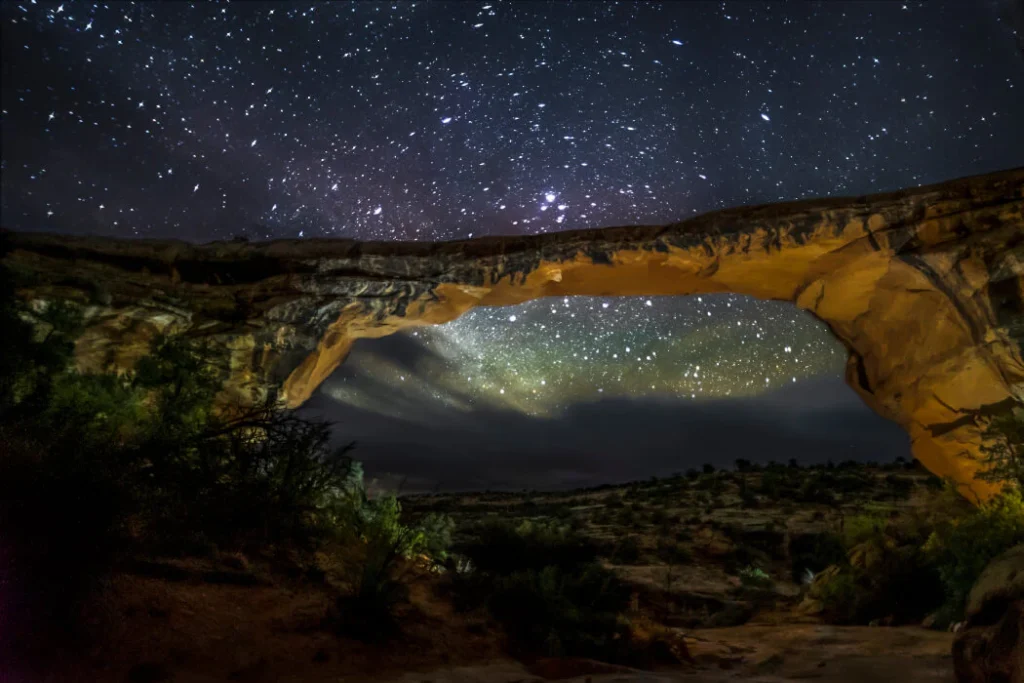
Credit: Marc Mayr
This protected area became the world’s first International Dark Sky Park in 2007. The remote desert setting helps preserve exceptionally dark conditions, allowing visitors to see thousands of stars with the naked eye. The park’s famous rock formations create stunning foregrounds for night-sky photography.
8. Mauna Kea, Hawaii, USA
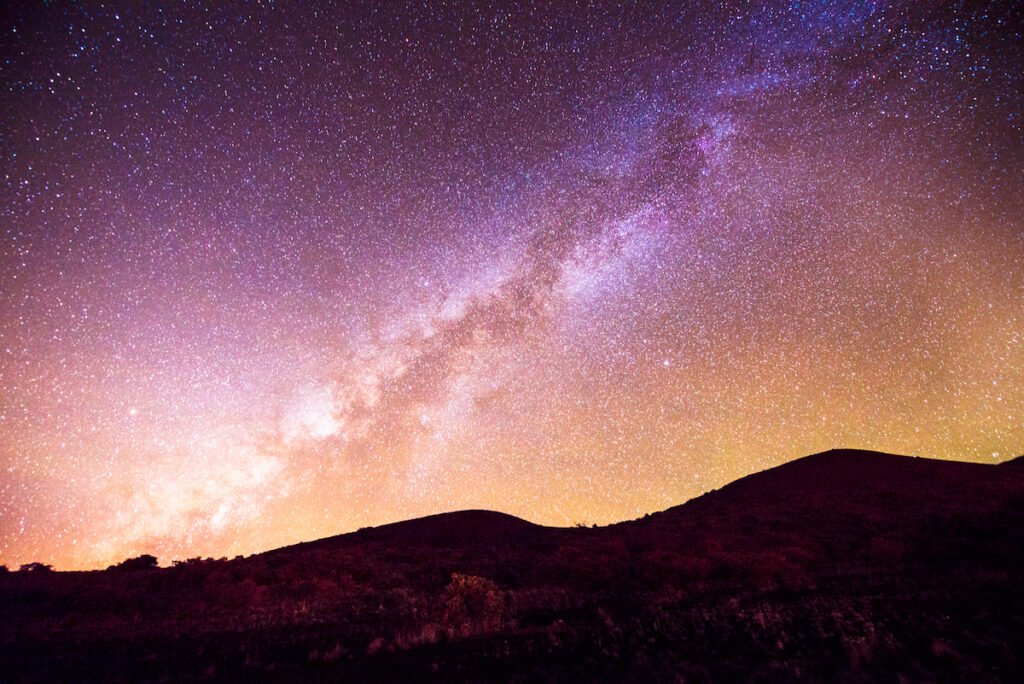
Credit: Getty Images
Rising nearly 4,200 meters above sea level, Mauna Kea sits above much of Earth’s atmospheric moisture and turbulence. These conditions make it one of the most important astronomical sites in the world. The mountain hosts numerous research observatories and offers spectacular views of planets, stars, and distant galaxies.
9. Salar de Uyuni, Bolivia
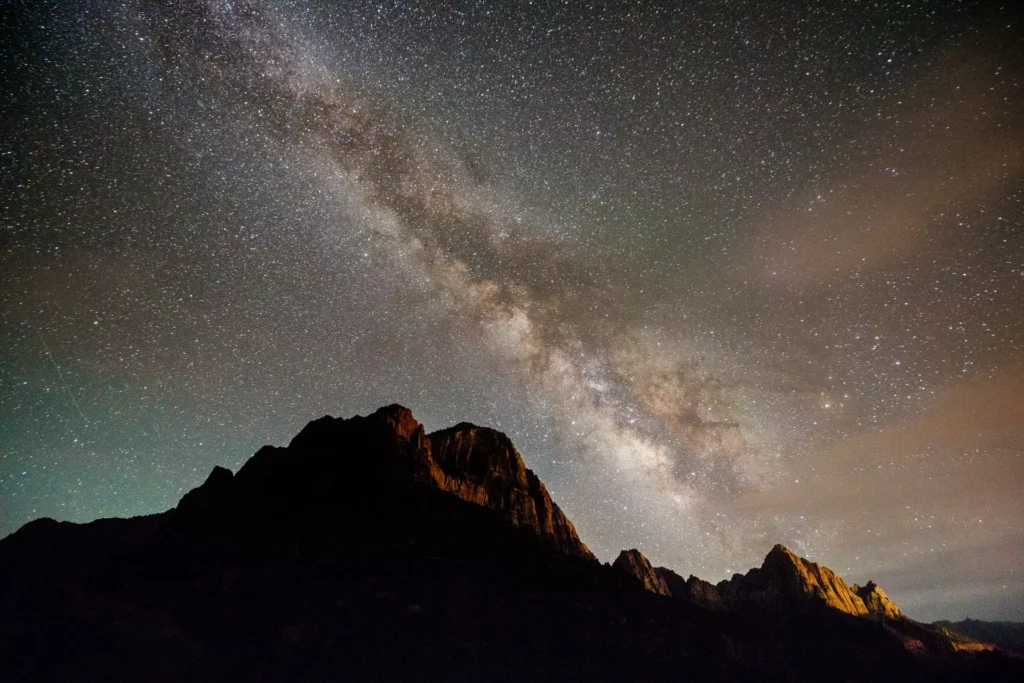
Credits: Getty Images
The world’s largest salt flat is famous for creating mirror-like reflections after rainfall. Under dark skies, the stars above and the reflections below can blend together, creating a surreal experience unlike anywhere else on Earth. Its remote location helps keep light pollution extremely low.
10. Masai Mara Region, Kenya
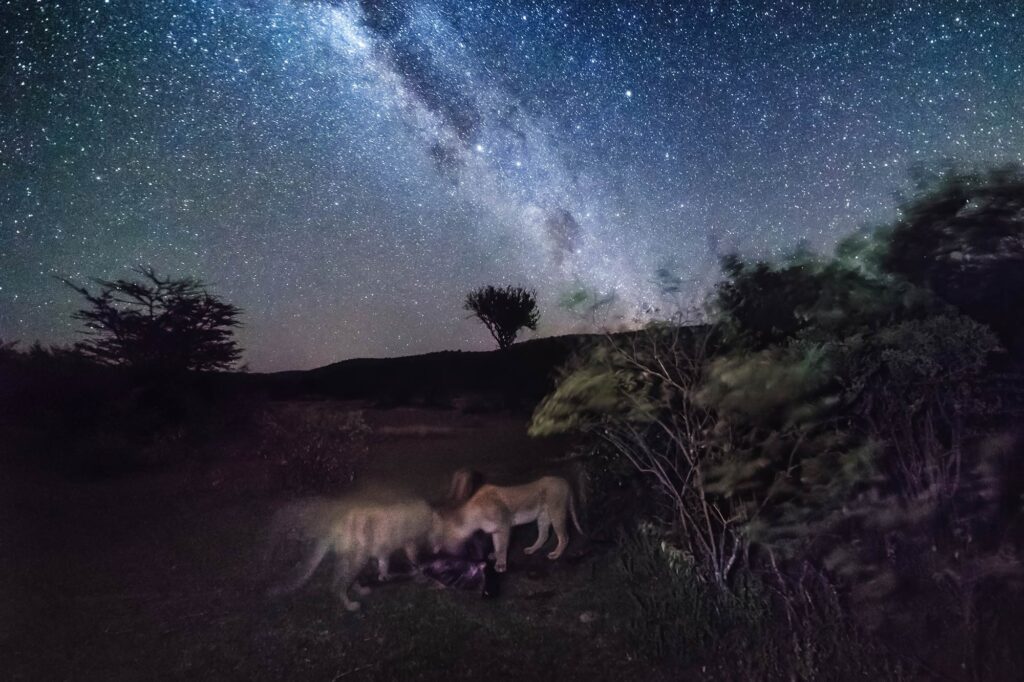
Creator: Mark Gee
Copyright: © Mark Gee 2016 – www.theartofnight.com
Known primarily for its wildlife, the Masai Mara also offers impressive stargazing opportunities. Far from major urban centers, the region enjoys naturally dark skies that reveal countless stars. Visitors can often combine evening safaris with unforgettable views of the Milky Way and southern constellations.
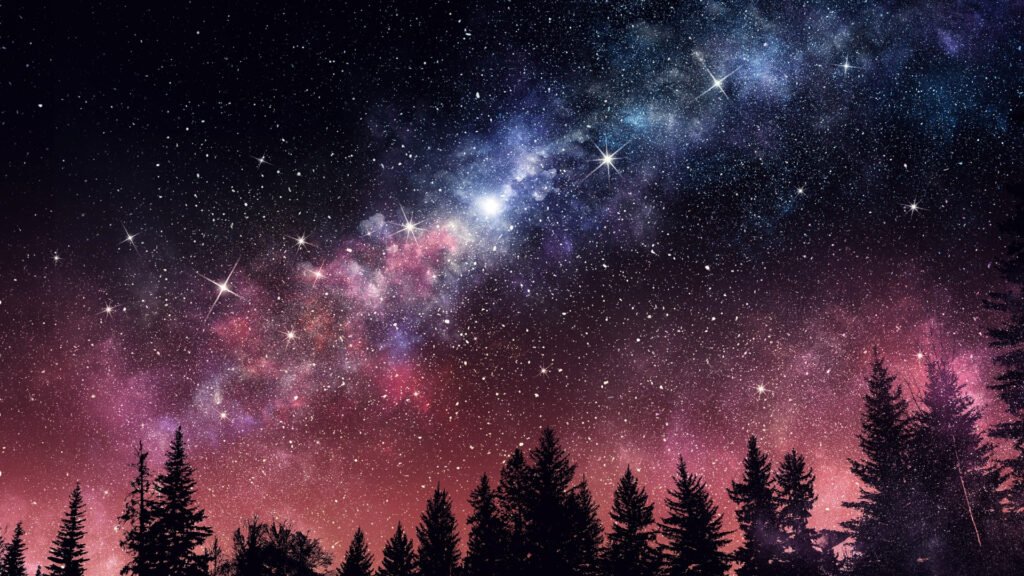
As cities continue to grow, light pollution is spreading across the planet. Dark skies are not only valuable for astronomy but also for wildlife, ecosystems, and human health. Many animals depend on natural darkness for navigation and survival, while excessive nighttime lighting can disrupt sleep patterns in people.
Protecting dark-sky regions ensures that future generations can continue to experience one of nature’s most inspiring sights: a sky filled with thousands of stars and the glowing band of the Milky Way stretching overhead. Whether you’re an astronomer or simply someone who enjoys looking up at night, preserving dark skies helps keep our connection to the universe alive.