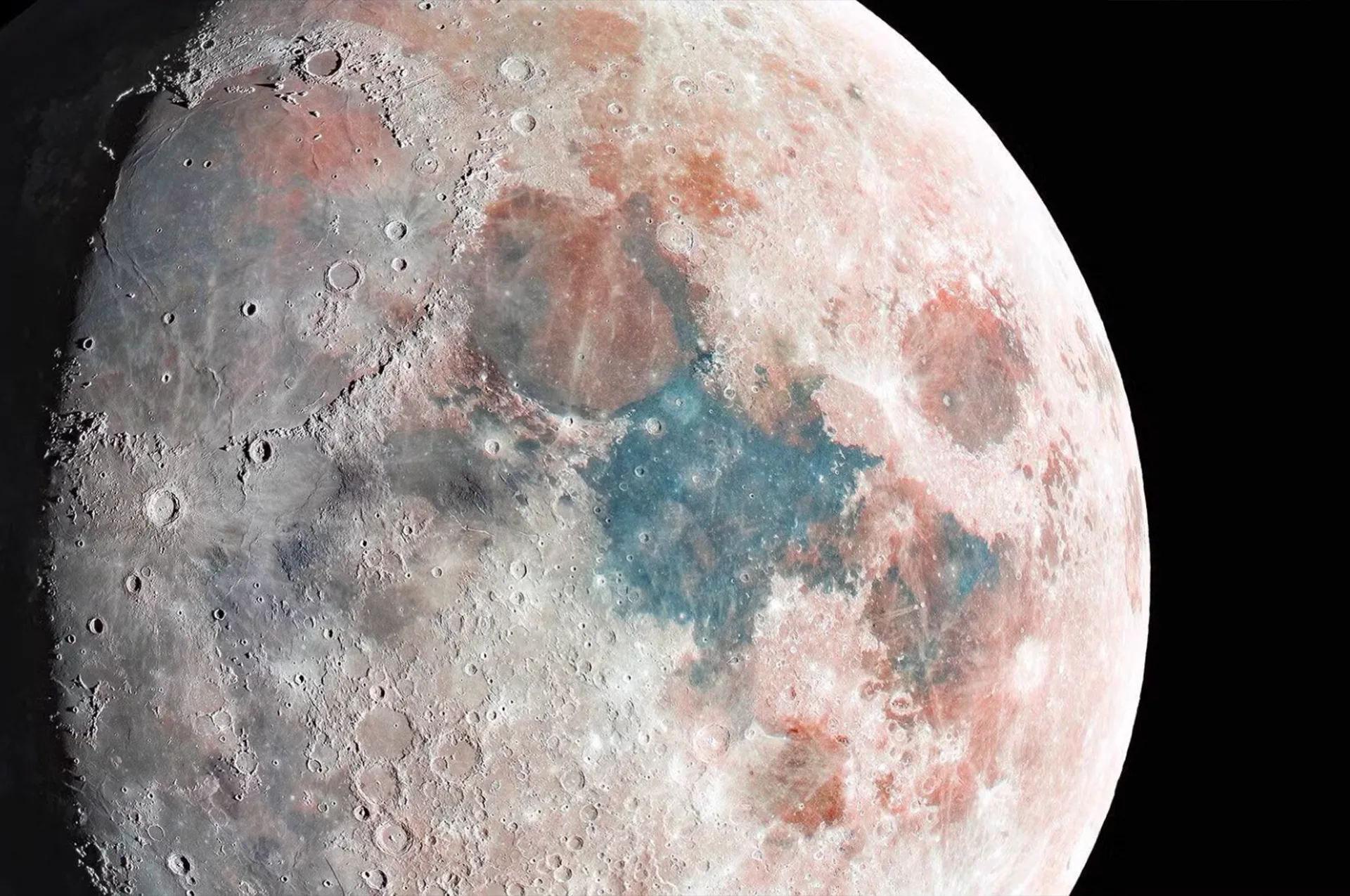
Credit: NASA/Bill Stafford
The Artemis III Mission is NASA’s next major human spaceflight mission and one of the most important steps in preparing astronauts for future Moon landings. Scheduled for 2027, the mission will test critical technologies, spacecraft operations, and docking procedures that will help make long-term lunar exploration possible. Rather than landing on the Moon, Artemis III will focus on proving that the systems needed for future lunar missions work safely and reliably.
The mission follows the success of Artemis I and Artemis II and serves as a bridge between testing and actual lunar surface exploration. It will bring together NASA, the European Space Agency (ESA), and commercial partners such as SpaceX and Blue Origin in a mission designed to shape the future of human exploration beyond Earth.
What Will Happen During the Artemis III Mission?
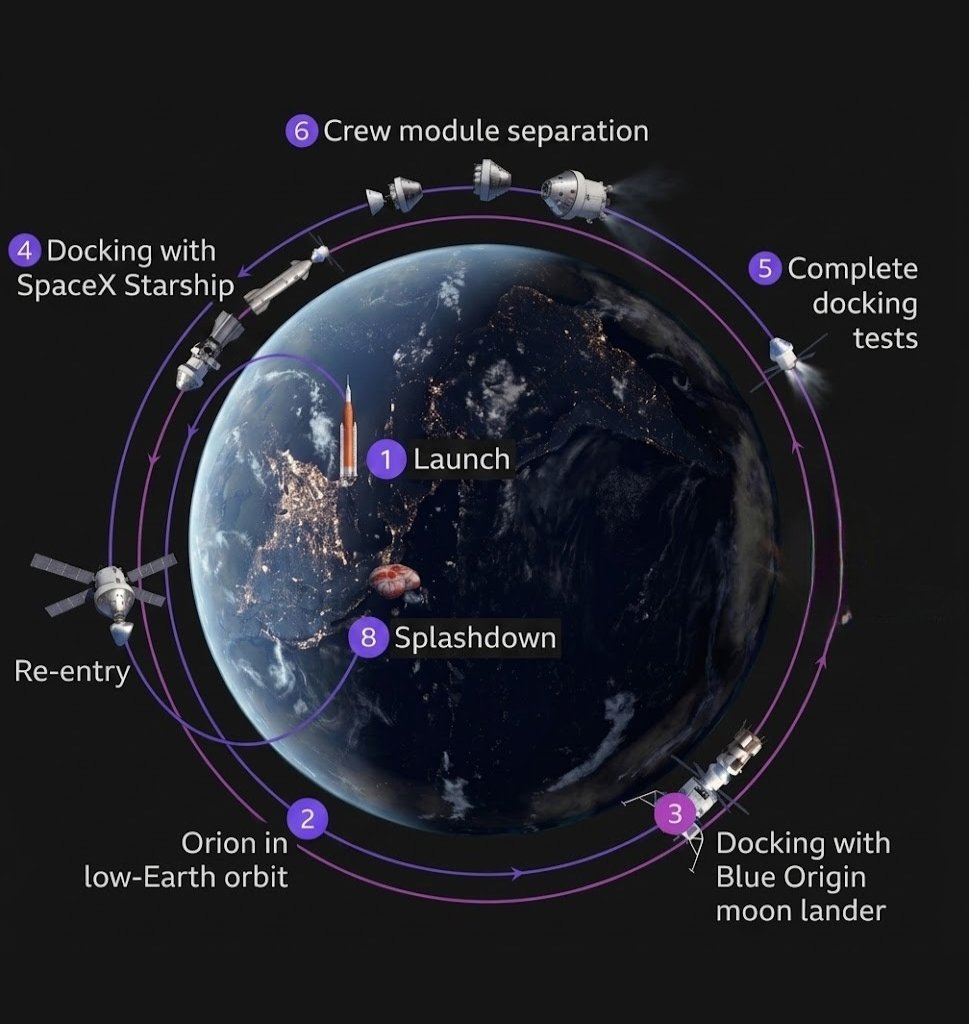
The Artemis III Mission will launch four astronauts aboard NASA’s Orion spacecraft using the powerful Space Launch System (SLS) rocket. After reaching low Earth orbit, Orion will perform a series of complex rendezvous and docking operations with one or more commercial lunar landers being developed by SpaceX and Blue Origin. These docking tests are considered essential before astronauts attempt future Moon landings.
Originally, Artemis III was planned to return humans to the lunar surface for the first time since Apollo 17 in 1972. However, NASA revised the mission plan in 2026 to focus on testing spacecraft systems and docking procedures in Earth orbit. This approach allows engineers and astronauts to validate critical technologies before committing crews to a lunar landing mission.
The mission will also provide valuable experience for engineers and flight controllers on Earth. Every stage of the mission, from launch and orbital maneuvers to docking operations, will be carefully monitored. The information gathered during the flight will help NASA refine future mission plans and improve the safety of upcoming Artemis missions.
Another important objective is evaluating the next generation of exploration equipment, including advanced spacesuits and life-support systems. The mission will also test how astronauts interact with future lunar landers and how different spacecraft can operate together as part of a larger exploration architecture. These demonstrations will help reduce risk for later missions aimed at the Moon’s south polar region.
Meet the Artemis III Crew
Credit: NASA
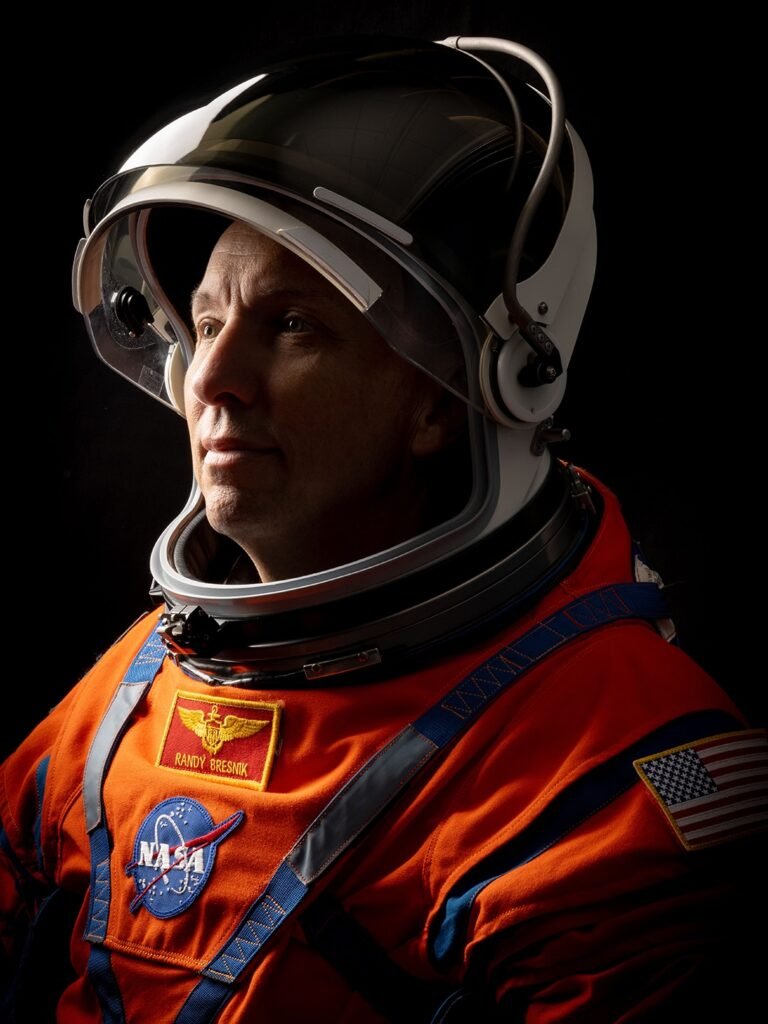
Mission Commander Randy Bresnik
Veteran NASA astronaut Randy Bresnik will command the mission. A retired U.S. Marine Corps colonel, Bresnik has spent more than 150 days in space across multiple missions and has conducted several spacewalks. His experience leading crews aboard the International Space Station makes him well suited to oversee one of the most important Artemis missions to date.

Credit: NASA
Pilot Luca Parmitano
Representing the European Space Agency, Luca Parmitano will serve as pilot. He becomes the first ESA astronaut assigned to an Artemis mission. Parmitano is a highly experienced astronaut who has completed multiple long-duration missions aboard the International Space Station.

Credit : NASA
Mission Specialist Frank Rubio
Frank Rubio is best known for setting the U.S. record for the longest single spaceflight by an American, spending 371 consecutive days in orbit. During that mission, he contributed to numerous scientific experiments and station maintenance activities. His expertise in long-duration spaceflight will provide valuable insight as NASA prepares for future missions farther from Earth.

Credit : NASA
Mission Specialist Andre Douglas
Andre Douglas will make his first trip to space during Artemis III. An engineer with experience supporting NASA’s planetary defense programs, Douglas represents a new generation of astronauts helping shape humanity’s future beyond Earth.
Why the Artemis III Mission Matters
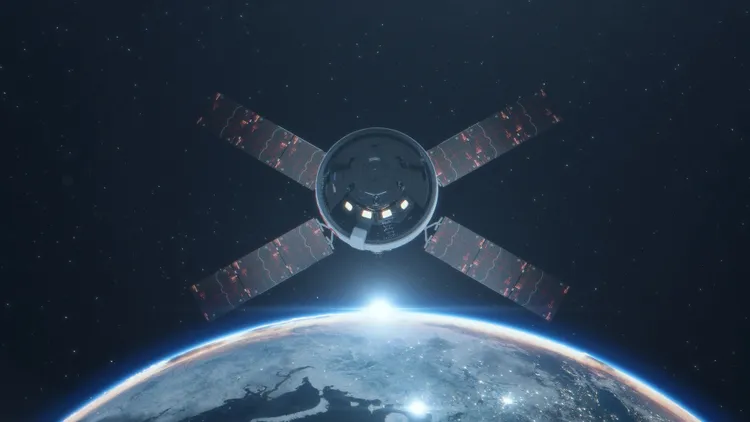
Credit: NASA
The Artemis III Mission is more than a routine test flight. By bringing together Orion, commercial lunar landers, advanced spacesuits, and new operational procedures, NASA aims to verify that the technologies needed for future lunar exploration can work safely and reliably. The mission will provide valuable data on docking operations, crew transfers, and spacecraft integration, helping engineers refine systems before astronauts travel farther from Earth.
Although Artemis III will remain in Earth orbit, its success will have a major impact on the future of the Artemis program. The lessons learned during the mission will help reduce risks for upcoming crewed lunar expeditions and support NASA’s goal of returning astronauts to the Moon. In this way, Artemis III serves as a critical stepping stone between early Artemis test flights and the next generation of human lunar exploration.