Photo by Mike Abramyan
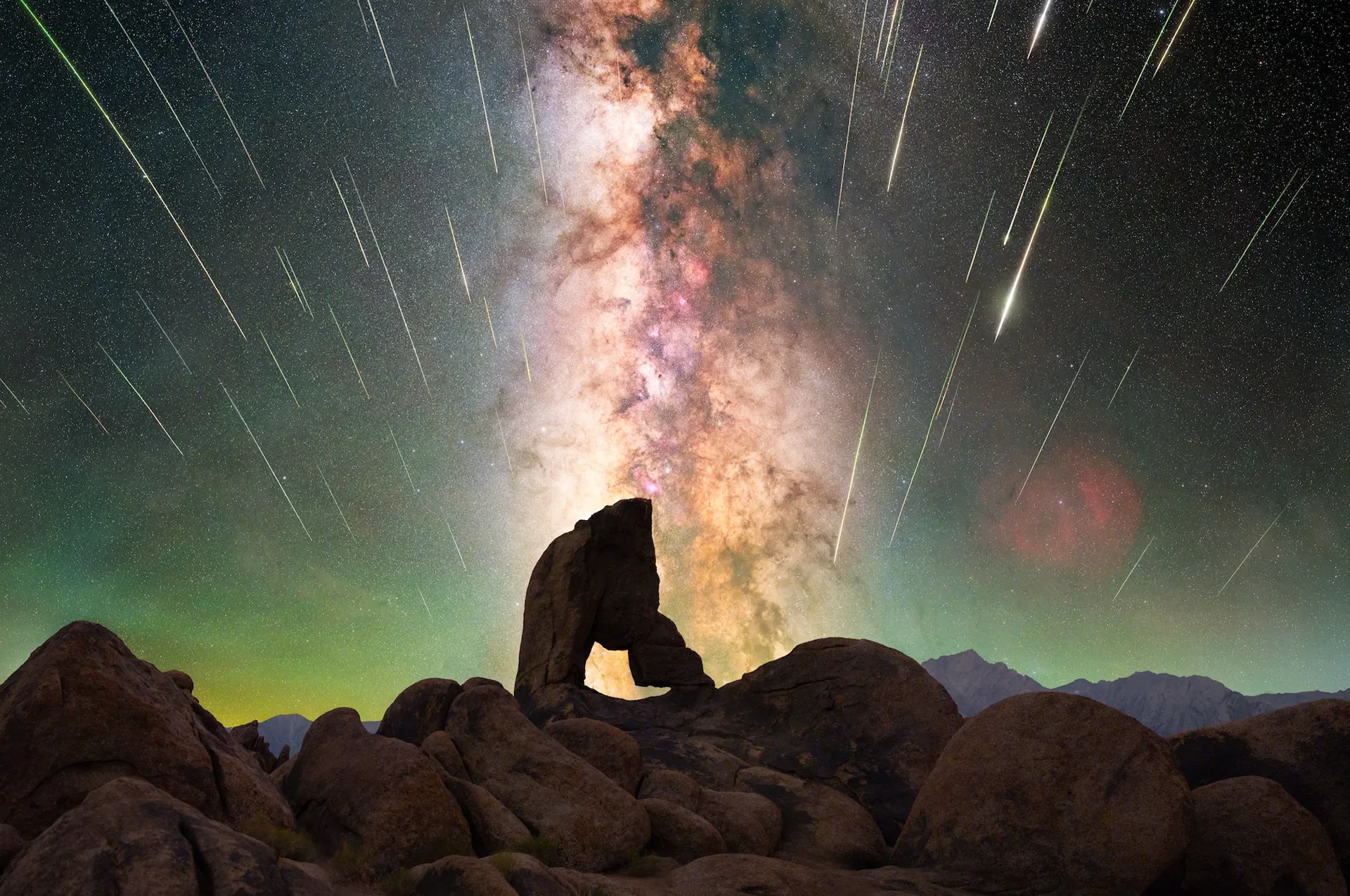
A meteor shower happens when Earth passes through a stream of dust and small pieces of rock left behind by a comet or, in some cases, an asteroid. As these tiny particles enter Earth’s atmosphere at very high speeds, they heat up and create bright streaks of light across the night sky. These streaks are what we commonly call shooting stars, although they are not stars at all.
The space rocks responsible for these flashes are called meteoroids while they are still in space. When a meteoroid enters Earth’s atmosphere and produces a glowing streak, it becomes a meteor. If part of it survives the journey and reaches the ground, it is called a meteorite. Most particles responsible for meteor showers are extremely small, often around the size of grains of sand or tiny pebbles, so they usually burn up high above the surface.
Why Do Shooting Stars Happen?
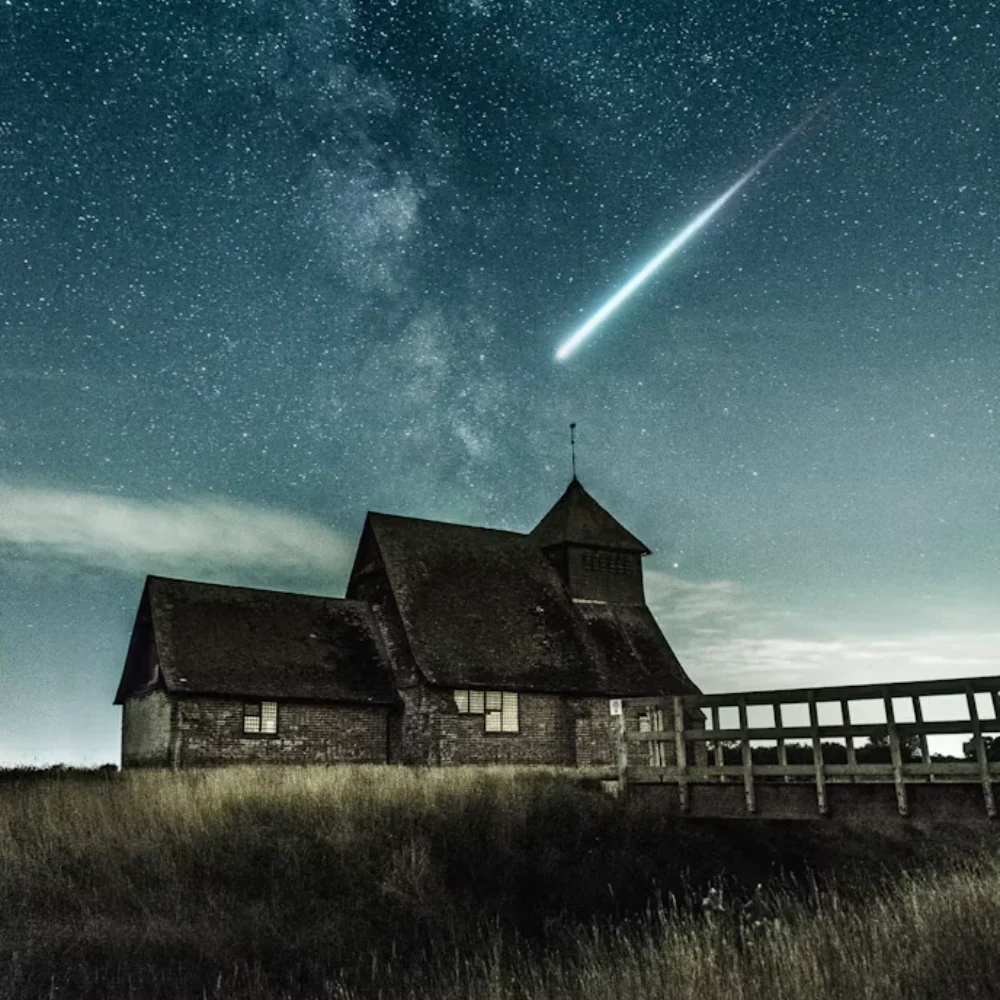
Meteor showers are closely connected to comets. As a comet travels around the Sun, heat from the Sun causes material from its icy surface to escape, leaving a trail of dust and rocky particles along its orbit. Earth travels around the Sun as well, and at certain times of year our planet crosses these dusty trails. When the particles collide with our atmosphere, they produce the sudden flashes of light we see as shooting stars.
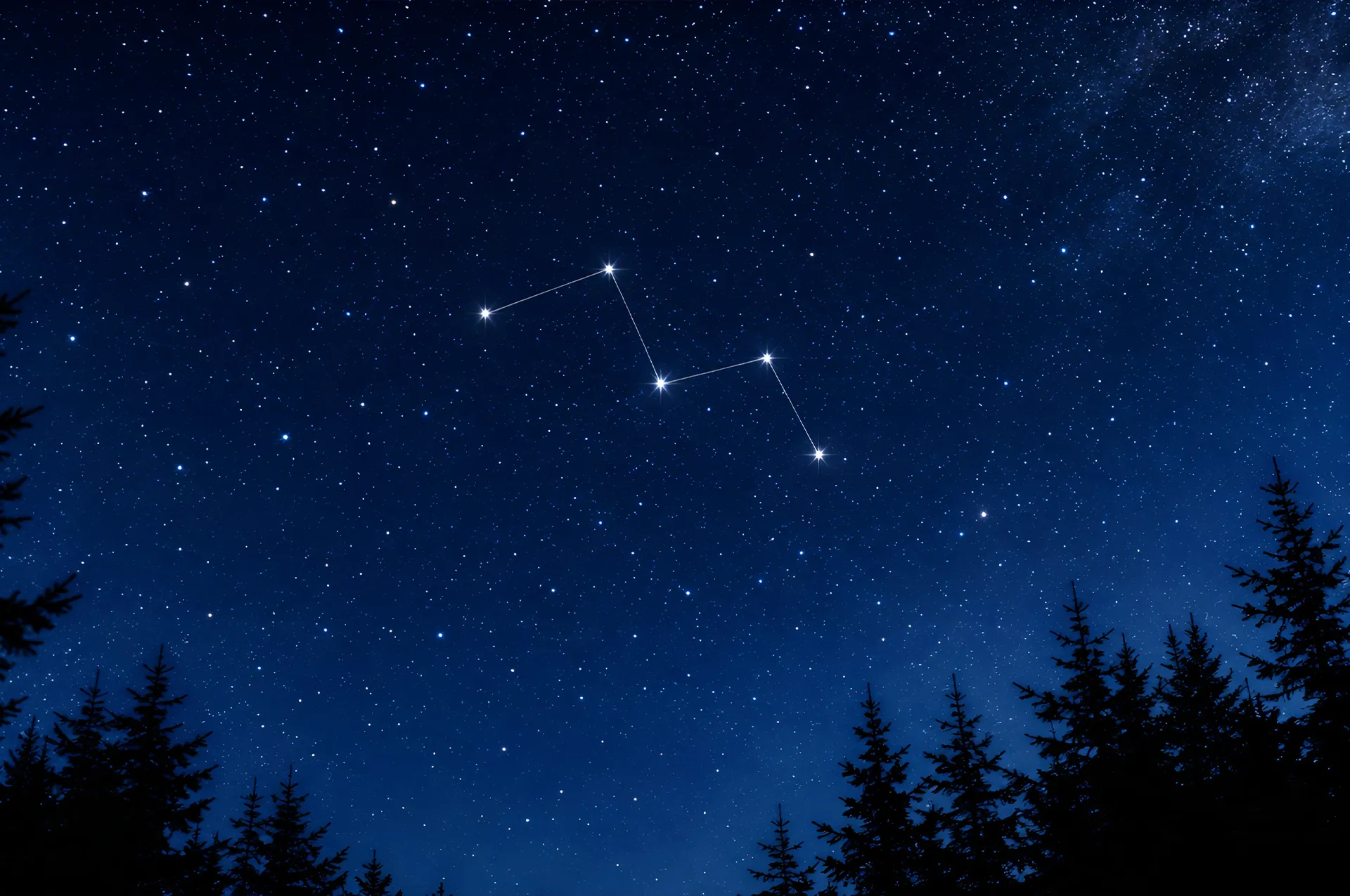
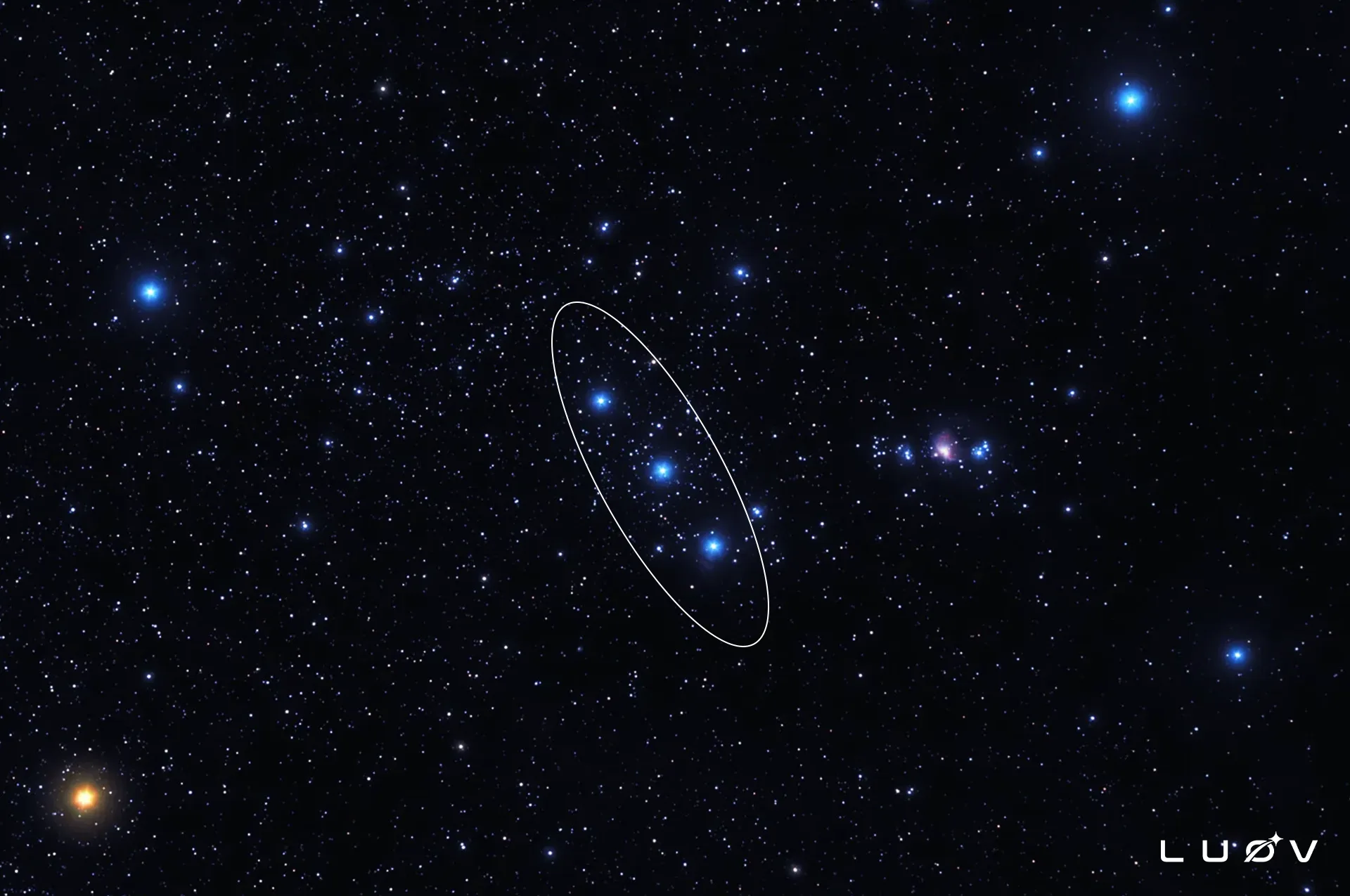
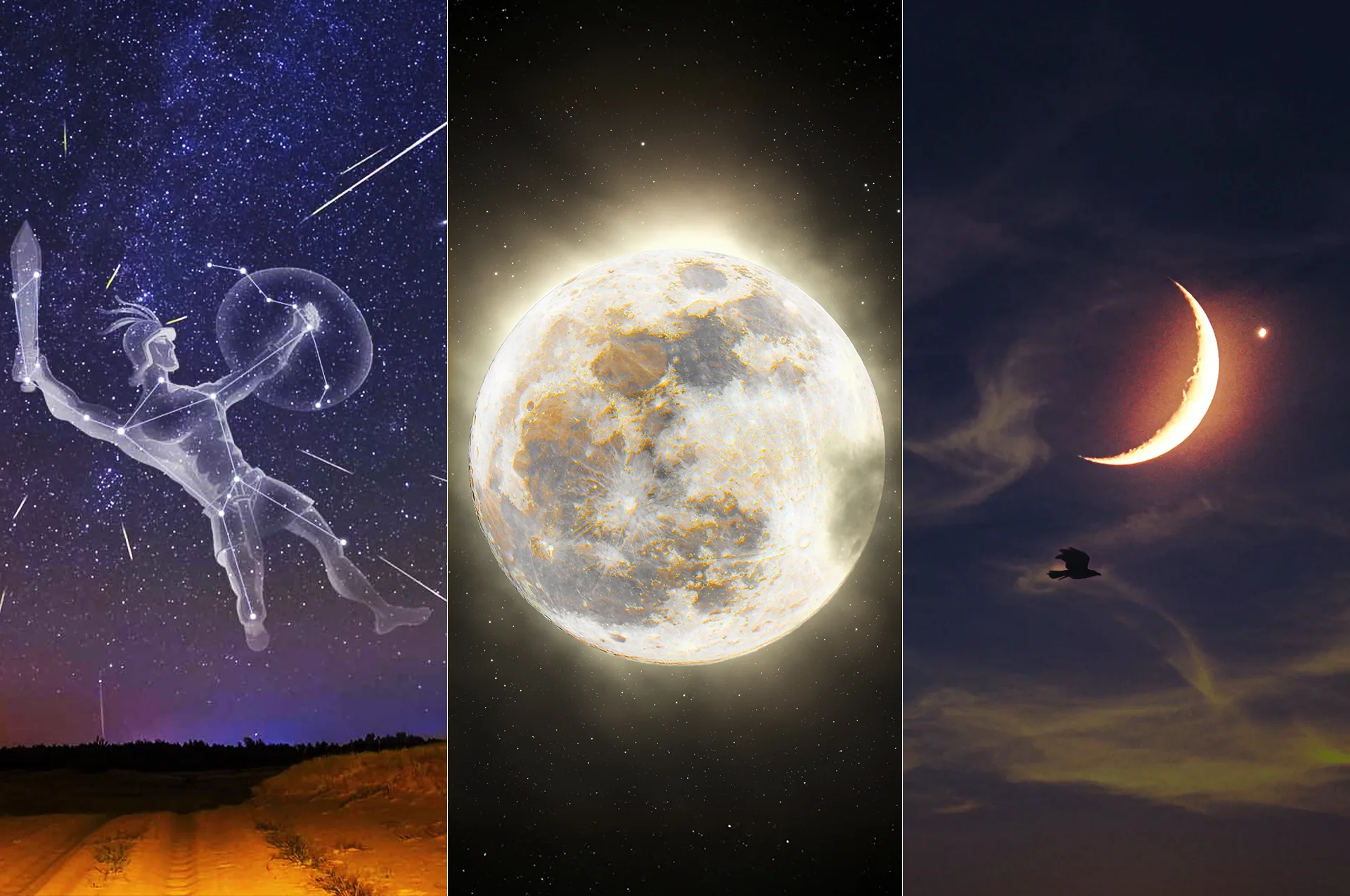
You may notice that the meteors in a meteor shower seem to spread outward from one particular point in the sky. This point is called the radiant. It is an effect of perspective rather than the actual location where the meteors begin. Meteor showers are usually named after the constellation near their radiant. For example, the Perseids appear to come from the constellation Perseus, while the Orionids appear to radiate from Orion.
If you would like to recognize Orion yourself, explore our guide on how to find Orion in the night sky.
How to Watch a Meteor Shower
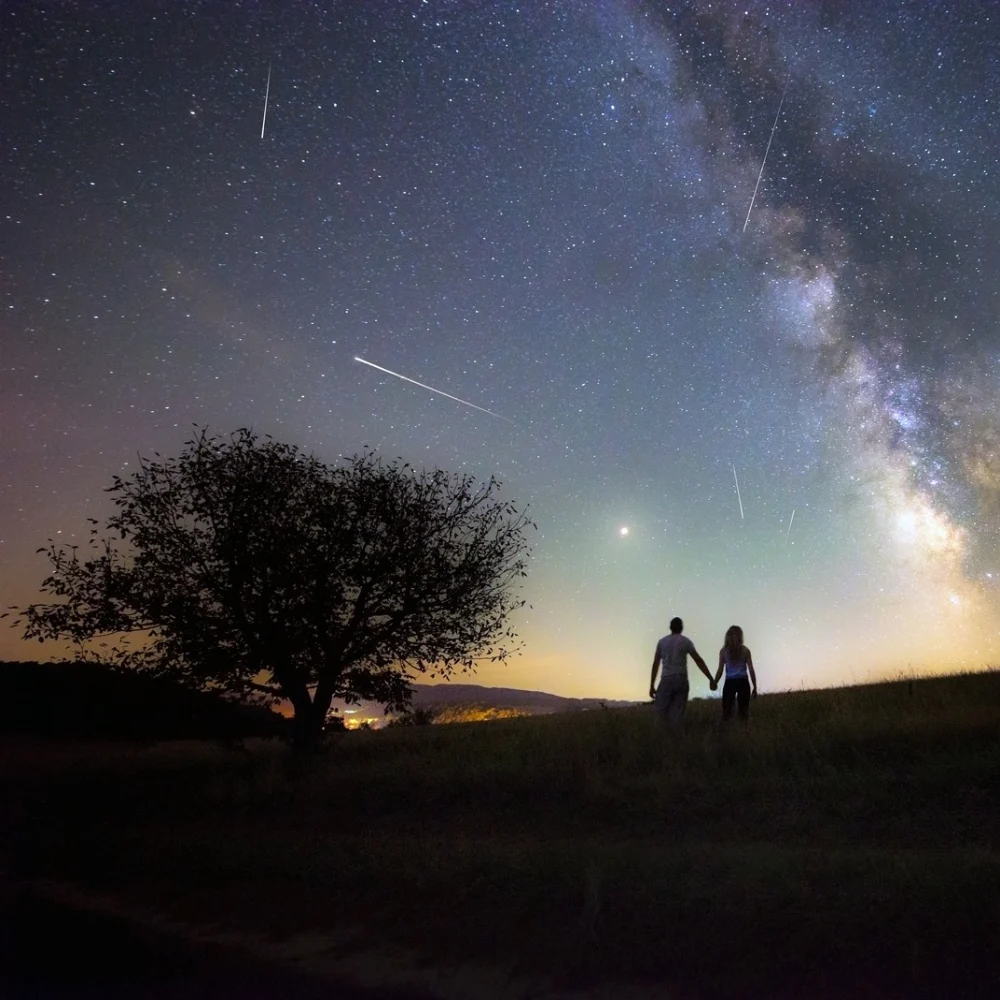
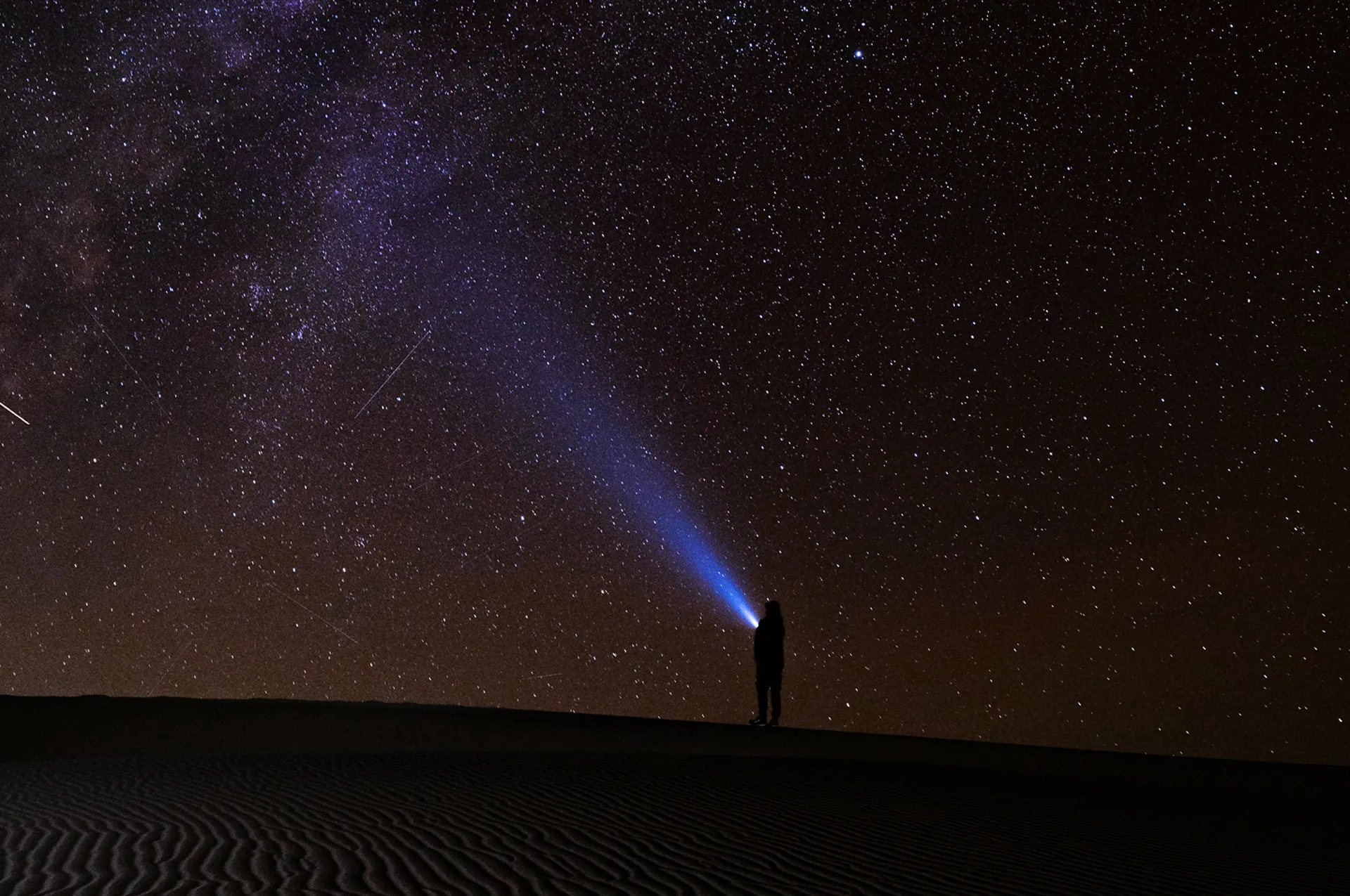
You do not need a telescope or expensive equipment to enjoy a meteor shower. The best approach is to find a dark location away from bright city lights, lie back comfortably, and give your eyes time to adjust to the darkness. Looking across a wide area of the sky is better than staring at one small point because meteors can appear almost anywhere. A bright Moon, clouds, and light pollution can reduce the number of meteors you see. If you are new to observing the night sky, our guide on how to stargaze without a telescope can help you prepare.
Meteor showers also happen at predictable times because Earth returns to the same regions of space during its yearly orbit. Some well-known examples include the Perseids in August, Orionids in October, Leonids in November, and Geminids in December. Each shower has its own parent object and activity pattern, but the basic process remains the same: Earth moves through a trail of cosmic debris, and tiny particles create brief flashes as they interact with our atmosphere.
Look Up. Observe Vastness.
LUOV