Credit: NASA
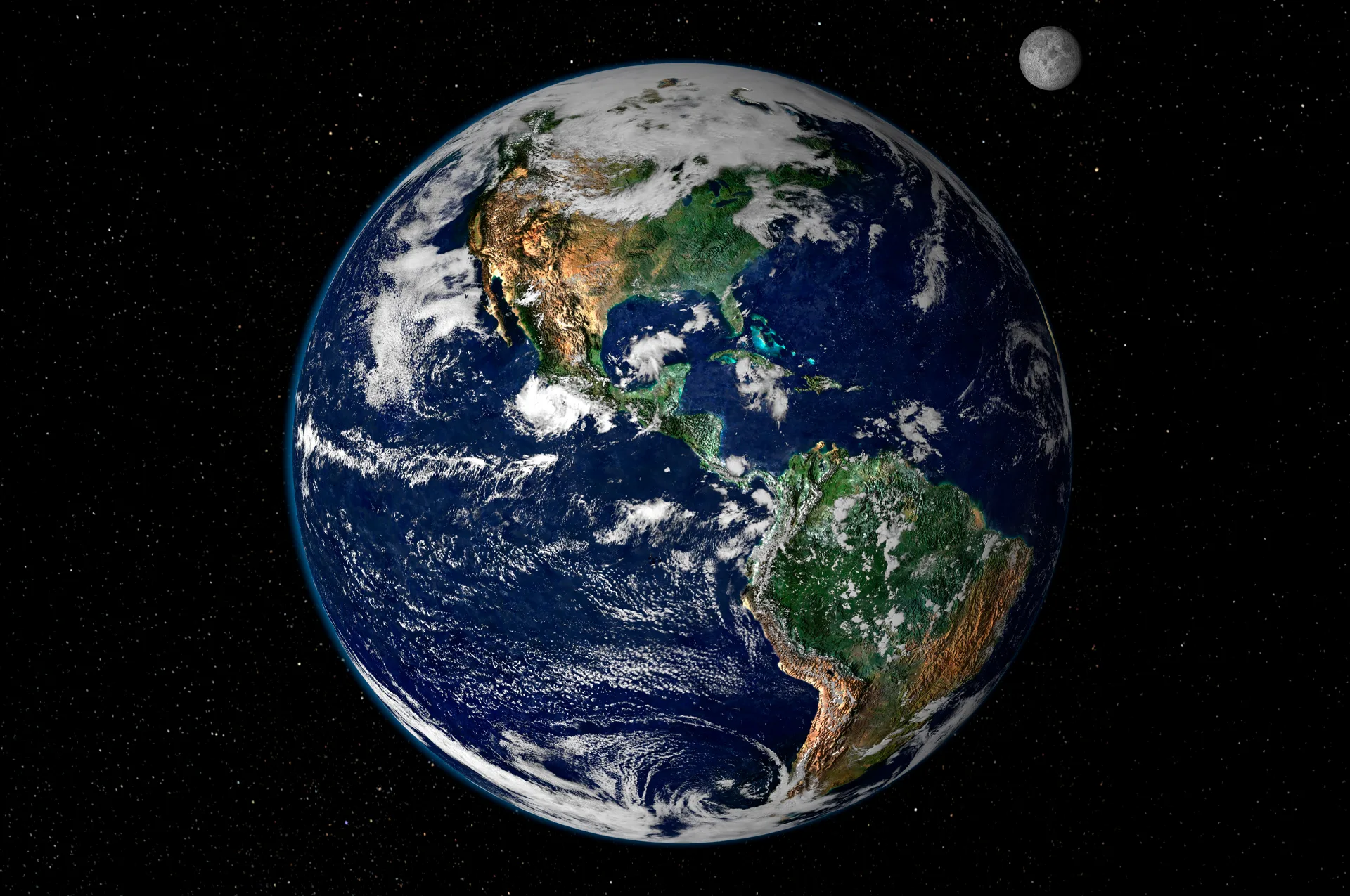
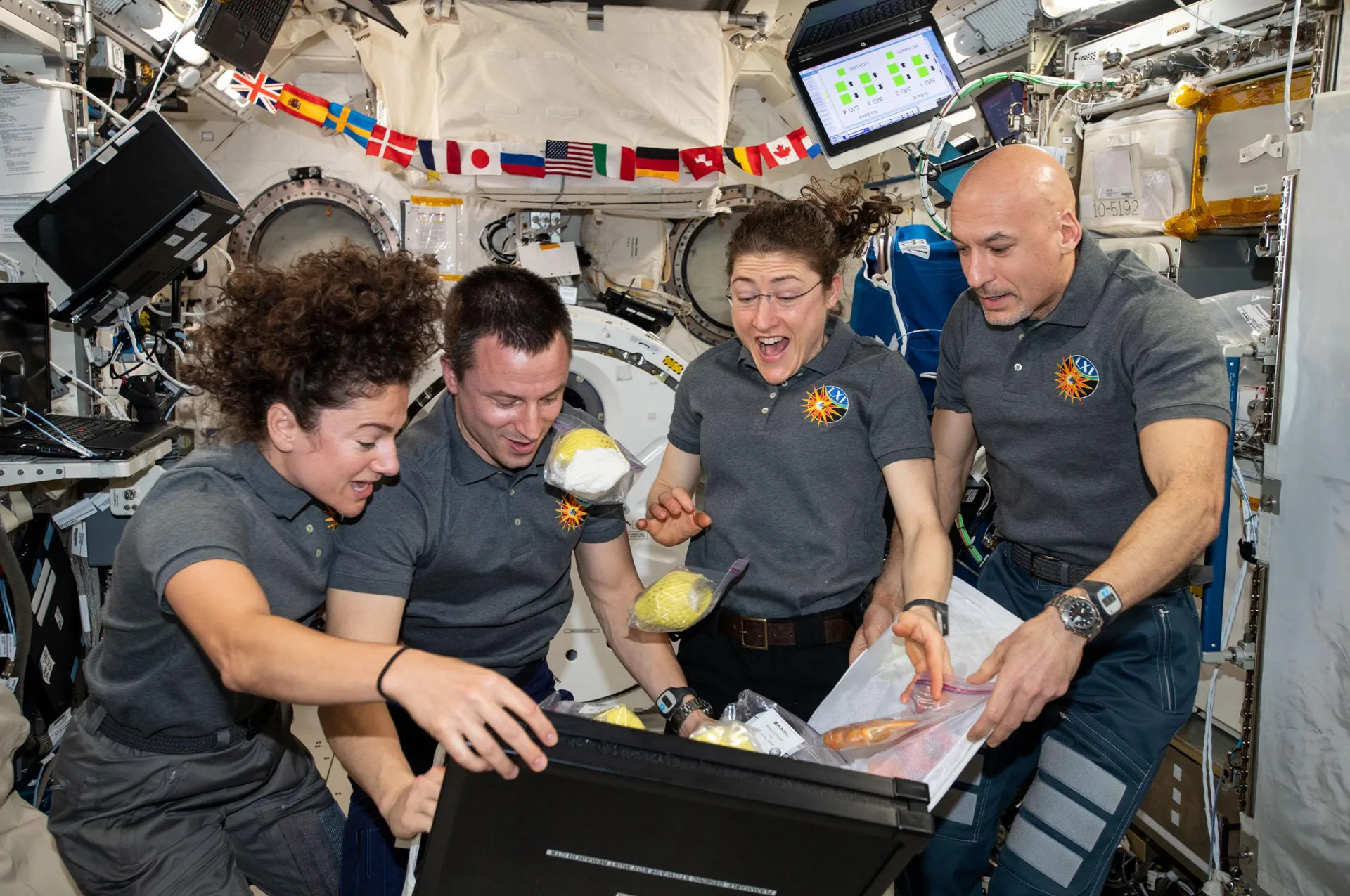
Life on the ISS is very different from life on Earth. Astronauts live in microgravity, where there is no normal sense of up or down, and everyday tasks such as sleeping, eating, washing, and exercising require special equipment. Yet their routine is carefully planned, helping crews stay healthy while they conduct experiments and maintain the International Space Station. NASA says people have lived and worked continuously aboard the ISS for more than two decades.
A Day in Space Starts With a Schedule
Credit: ISS
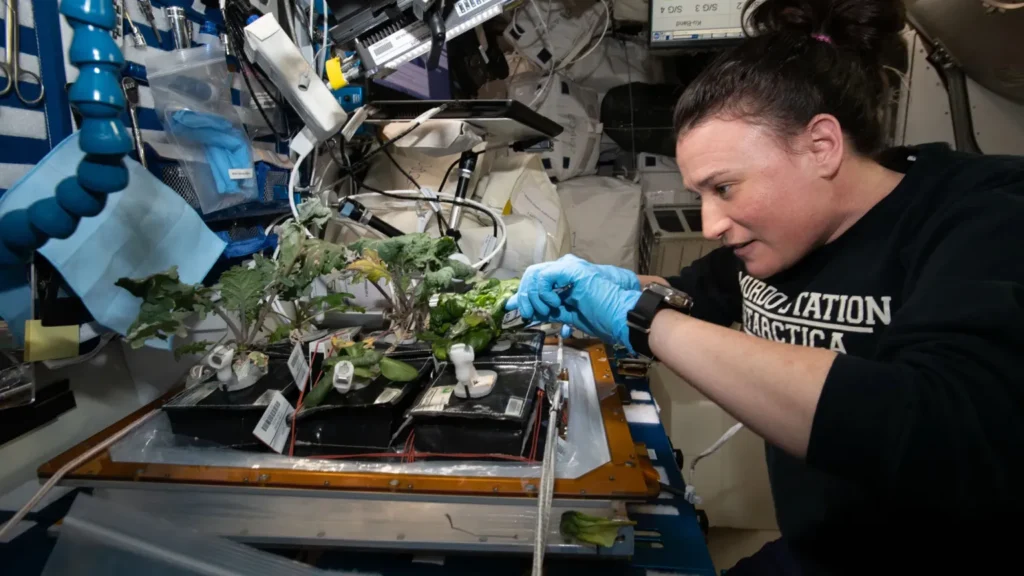
An astronaut’s day is carefully planned with Mission Control on Earth. After waking up, astronauts eat breakfast, take care of personal hygiene, check their schedule, and begin their assigned work. Much of their time is spent conducting experiments. The ISS is a laboratory where scientists study everything from biology and human health to physics and how materials behave in microgravity. Astronauts also monitor the station’s systems, clean equipment, check air quality, and carry out maintenance.
There is very little room for simply ignoring a problem. If something breaks on Earth, you can call a technician. In orbit, the astronauts may be the only people who can diagnose and repair it. They must be prepared for equipment failures, leaks, communication problems, and other emergencies.
Why Astronauts Exercise Every Day
Credit: NASA
One of the biggest challenges of living in space is something that cannot be seen: the effect of microgravity on the human body. On Earth, gravity constantly makes our muscles and bones work. In microgravity, astronauts no longer need to support their body in the same way. Over time, this can cause muscles to weaken and bones to lose density.
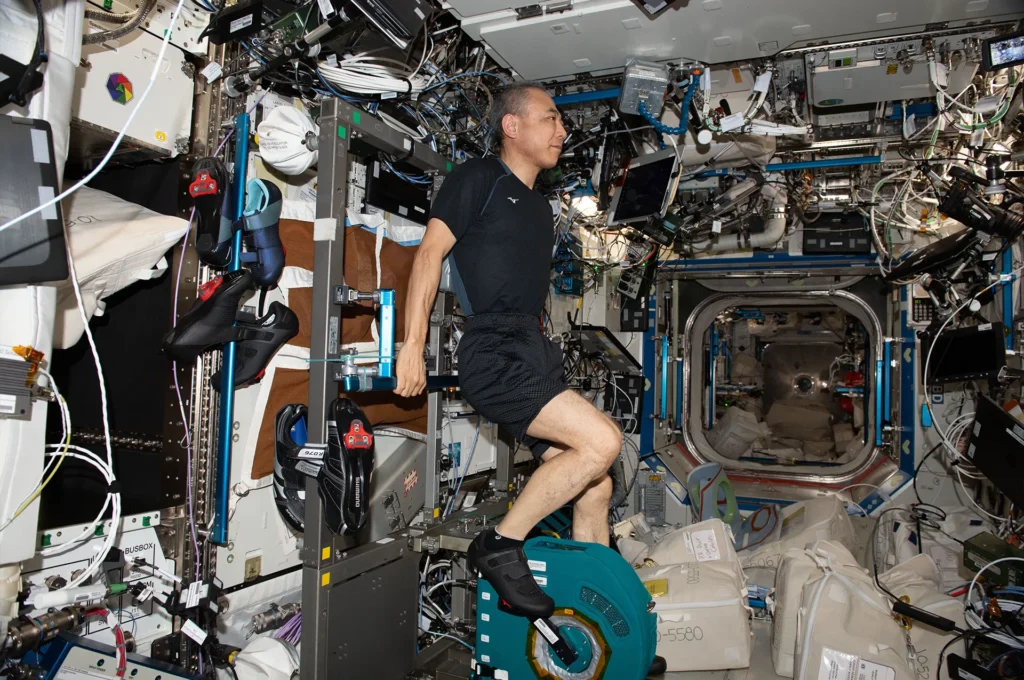
That is why exercise is not optional aboard the ISS. Astronauts spend around two hours each day exercising, using equipment such as a treadmill, stationary bicycle, and resistance training devices. These workouts help reduce the physical damage caused by long periods in microgravity.
The lessons learned from these workouts are important for the future. A mission to Mars could last years, not months, so scientists need to understand how to keep astronauts physically healthy during extremely long journeys.
Sleeping Without a Bed
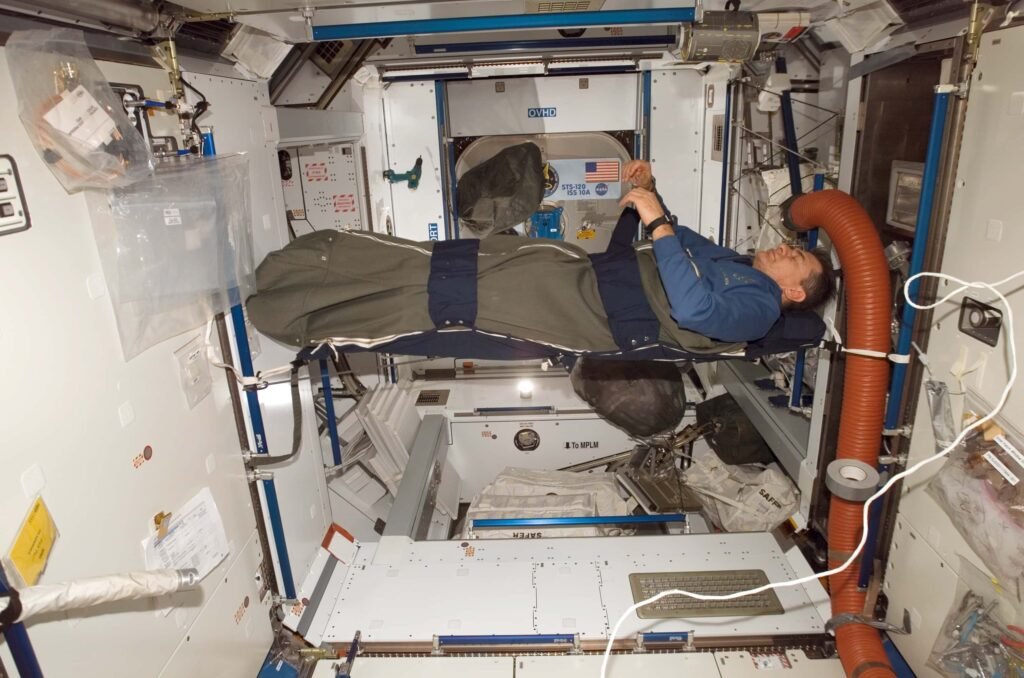
Even something as simple as going to sleep becomes strange in orbit. Astronauts cannot simply lie down on a mattress because there is no gravity pulling them toward it. Instead, they sleep inside sleeping bags that are attached to a wall or another fixed surface. This prevents them from drifting around the station while they sleep.
Sleep can also be difficult because the ISS is filled with machinery, fans, and other sources of noise. Astronauts may also have to deal with the excitement and stress of living in space. NASA’s guidance notes that crew members typically have about eight hours of scheduled sleep after a long working day, with sleep masks and earplugs available to block light and noise.
There is another strange detail. Astronauts can see the Sun rise and set roughly every 90 minutes as the station circles Earth. Their bodies therefore cannot rely on the normal sunrise and sunset cycle we experience on the ground.
No Showers and No Flushing Toilet
Personal hygiene is another everyday challenge. Astronauts cannot take a normal shower because water does not behave normally in microgravity. Instead, they use wet washcloths and special rinseless shampoo. Water sticks to surfaces and floats rather than simply flowing down a drain, so excess water has to be collected and managed carefully.
Even using the toilet requires a completely different system. Without gravity, there is nothing to pull waste downward. The ISS toilet therefore uses airflow and suction to move waste into storage systems. Astronauts use restraints to keep themselves positioned correctly while using it.
It is a good reminder that spacecraft are not just scientific laboratories. They are carefully engineered environments designed to replace almost everything Earth normally provides for free.
What Do Astronauts Eat?
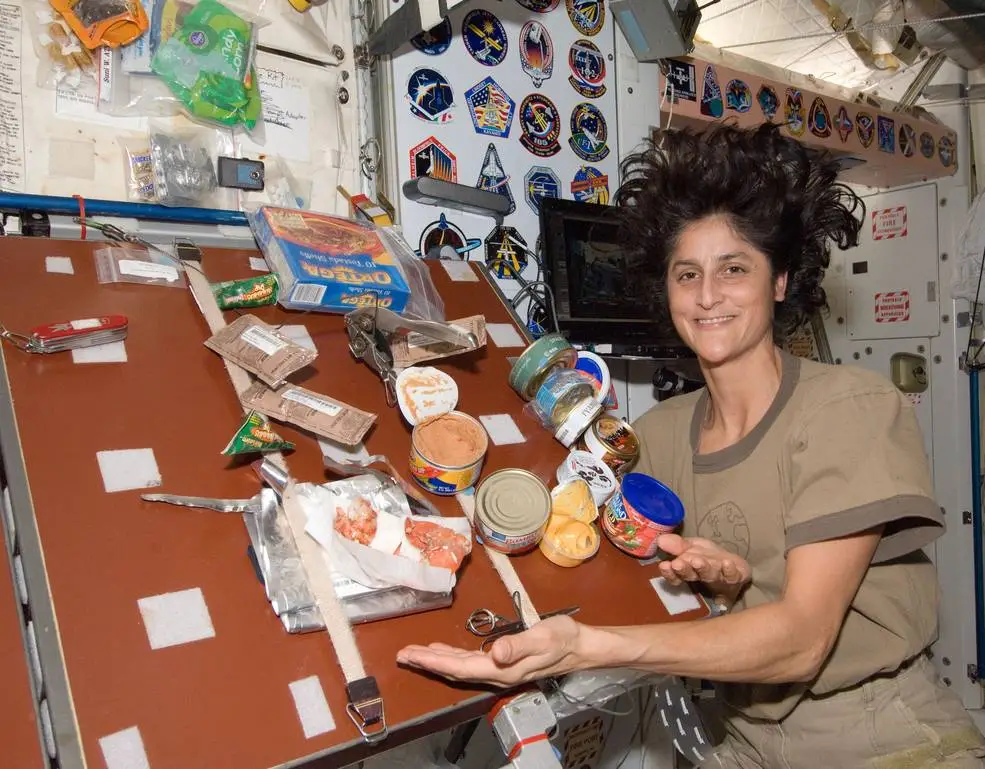
Credit : NASA
Meals in space also have to be specially designed. Food cannot simply be left sitting on a plate because crumbs and loose pieces could float into equipment. The station has a galley where astronauts can heat food and prepare drinks. Many foods are packaged specifically for space and some require water before they can be eaten.
Eating together is still part of life aboard the station. Astronauts can share meals and take breaks together, giving them a small sense of normal life despite being hundreds of kilometers above Earth.
The Air They Breathe Is Carefully Managed
Perhaps the most important part of life aboard the ISS is something astronauts rarely have to think about: the air. On Earth, oxygen is constantly replenished by the planet’s enormous atmosphere and ecosystems. Inside the station, however, the crew depends on life support systems.
The Environmental Control and Life Support System helps provide oxygen and remove unwanted gases such as carbon dioxide. NASA’s documentation describes a process in which electricity generated from solar power is used to split water into hydrogen and oxygen. Water is also continually recycled, including moisture recovered from the station’s air.
In other words, the station does not simply carry an unlimited supply of everything astronauts need. It has to continually process and recycle resources.
Life aboard the ISS is a mixture of science, engineering, discipline, and adaptation. Astronauts work long days, exercise to protect their bodies, sleep inside sleeping bags, eat specially prepared food, and depend on complex systems for air and water. At the same time, they conduct experiments that could help humanity understand how to live beyond Earth.
Perhaps the most important thing the ISS teaches us is that humans are not naturally built for space. Every ordinary part of life, from breathing and drinking water to sleeping and standing, depends on Earth’s environment.
The ISS is therefore more than a laboratory in orbit. It is a long running experiment in human survival away from Earth. Every day astronauts spend floating above our planet gives scientists another piece of the knowledge we will need if humans eventually travel much farther into space.
Look Up. Observe Vastness.
LUOV