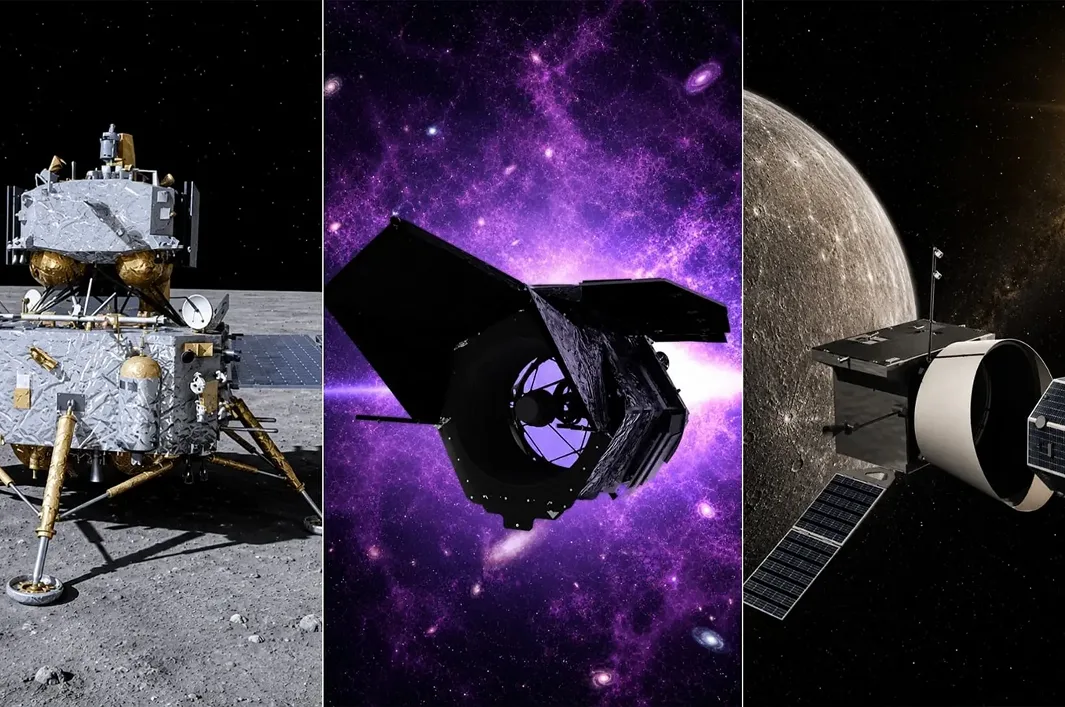
Space Missions 2026 is shaping up to be one of the most exciting years in modern astronomy and space exploration. After years of planning, testing, and development, several groundbreaking missions are preparing to launch or reach their destinations across the Solar System. These ambitious projects aim to explore The Moon, Mercury, near-Earth asteroids, and even the deepest regions of the Universe.
Space agencies around the world are investing heavily in new technology to answer some of humanity’s biggest questions. Where did our Solar System come from? Can humans live on the Moon? How can we protect Earth from asteroids? What is the Universe made of? The missions planned for 2026 could help provide answers.
From powerful space telescopes to advanced robotic explorers, these missions represent the next chapter of scientific discovery. Here are five of the most exciting Space Missions 2026 that space enthusiasts should watch closely.
1. Chang’e 7: Exploring the Moon’s Mysterious South Pole
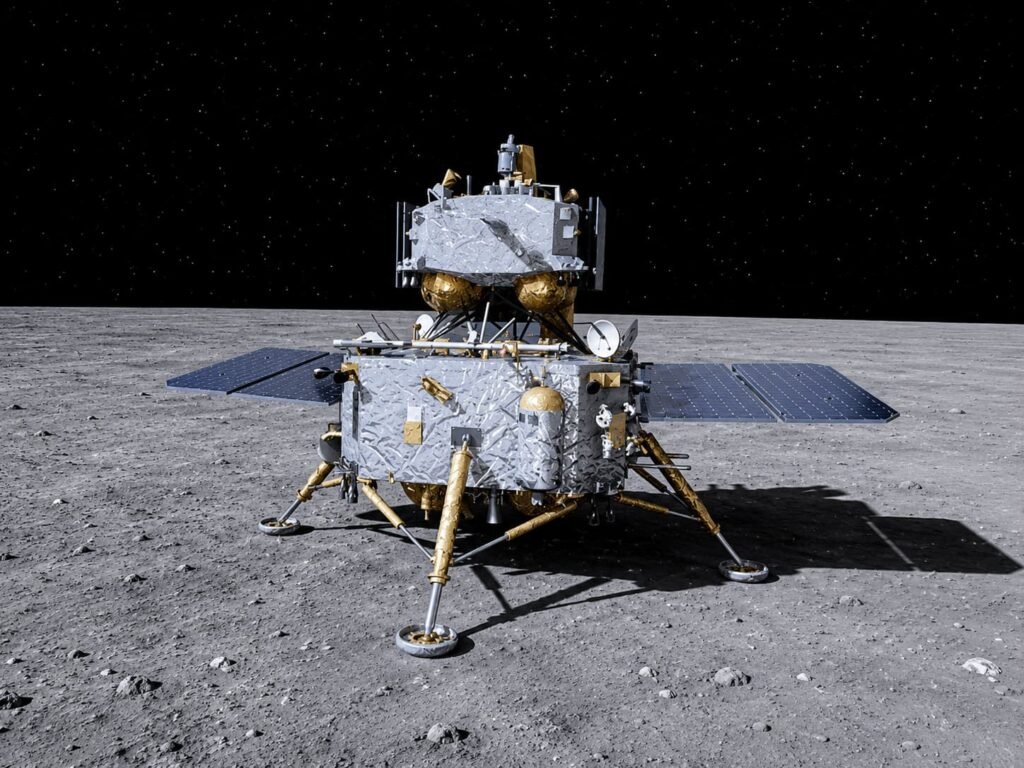
China’s Chang’e 7 mission is one of the most anticipated lunar missions of the decade. The spacecraft is expected to target the Moon’s south pole, a region that has become a major focus for scientists around the world.
Unlike most areas of the Moon, some craters near the south pole never receive direct sunlight. These permanently shadowed regions may contain large amounts of frozen water that have remained untouched for billions of years.
Chang’e 7 will include a lander, rover, orbiter, and a unique flying probe designed to investigate difficult-to-reach areas. Scientists hope the mission will confirm how much water ice exists in the region and determine whether it could support future human settlements.
Water on the Moon could be used for drinking, producing oxygen, and even creating rocket fuel. If significant reserves are found, it could dramatically reduce the cost of long-term lunar exploration.
2. Nancy Grace Roman Space Telescope
Credits: NASA
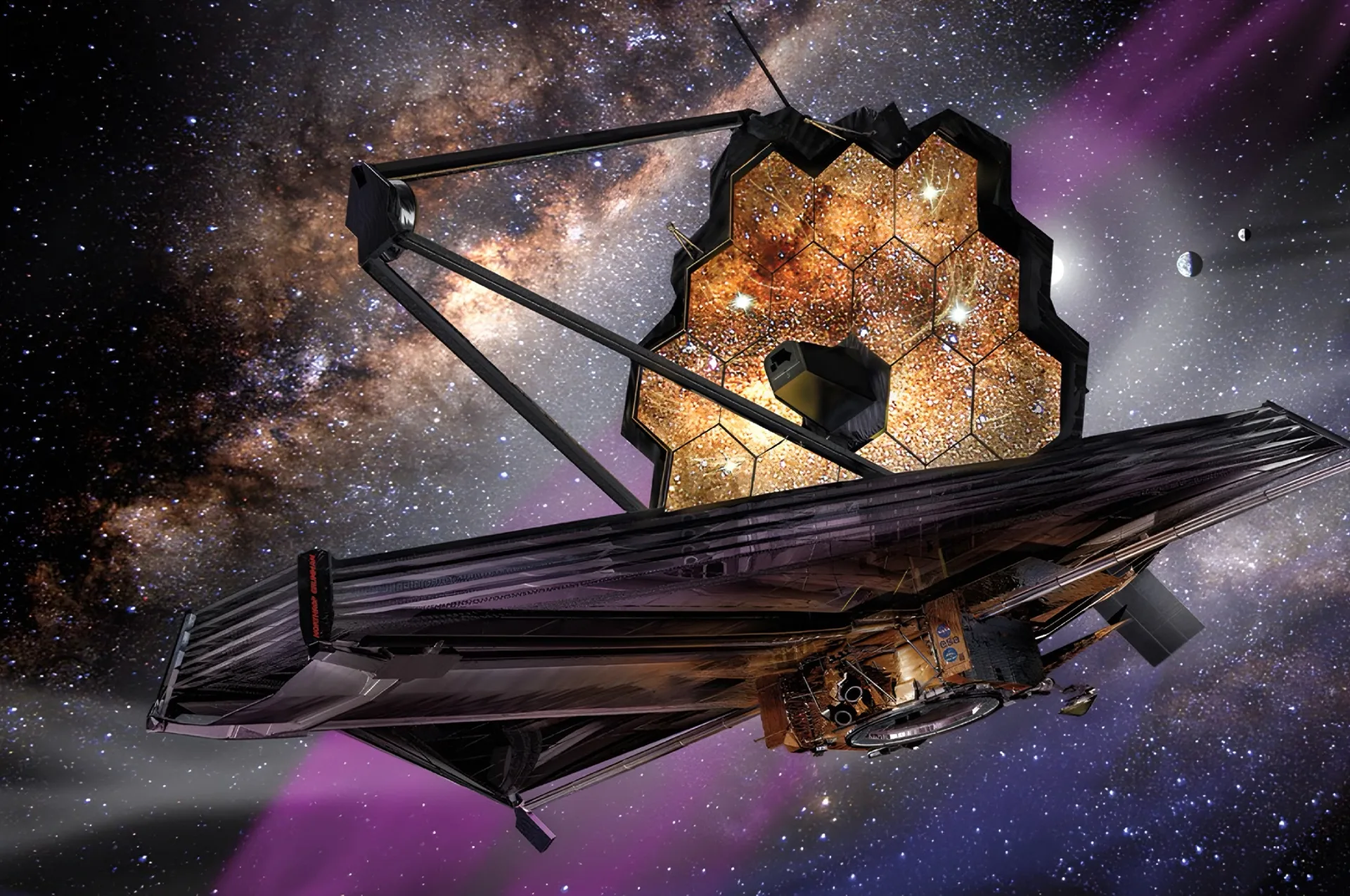
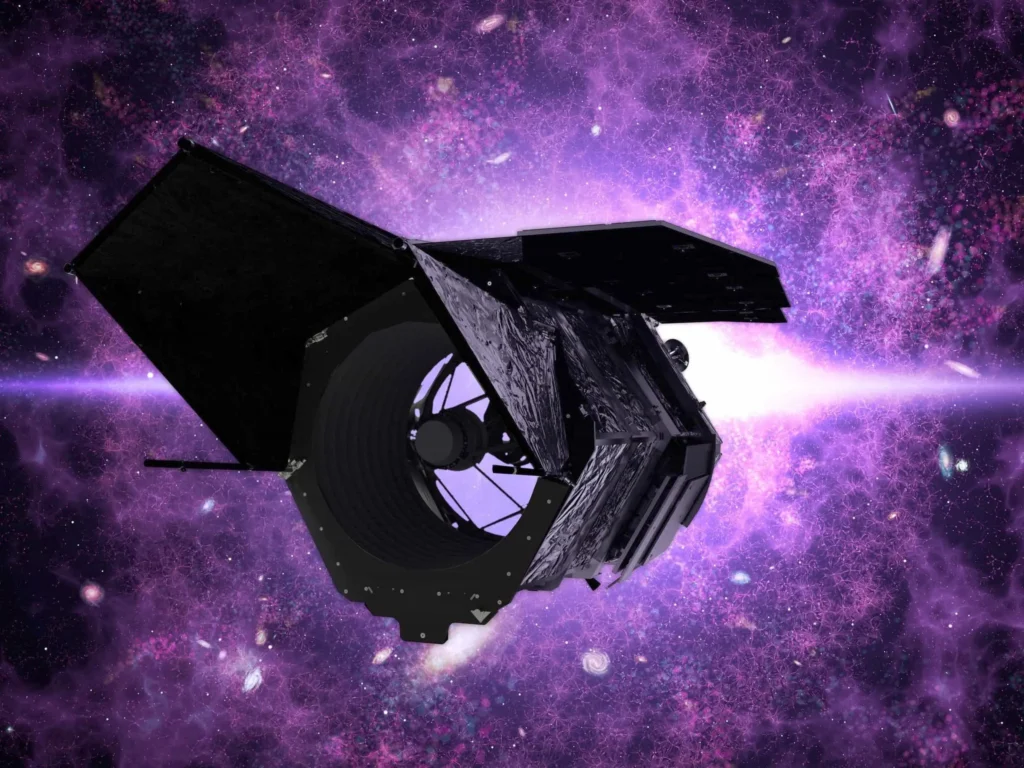
NASA’s Nancy Grace Roman Space Telescope is expected to become one of the most powerful astronomical observatories ever built. Often described as a companion to the Hubble Space Telescope and James Webb Space Telescope, Roman will provide an entirely new way of observing the cosmos.
While Hubble captures incredibly detailed images of small regions of space, Roman will be able to survey vast areas of the sky much faster. Its field of view is roughly 100 times larger than Hubble’s while maintaining comparable image quality.
The telescope will help scientists study dark energy, the mysterious force driving the expansion of the Universe. It will also search for thousands of exoplanets and create detailed maps of billions of galaxies.
Many astronomers believe Roman could lead to discoveries that completely reshape our understanding of the Universe.
3. BepiColombo Reaches Mercury
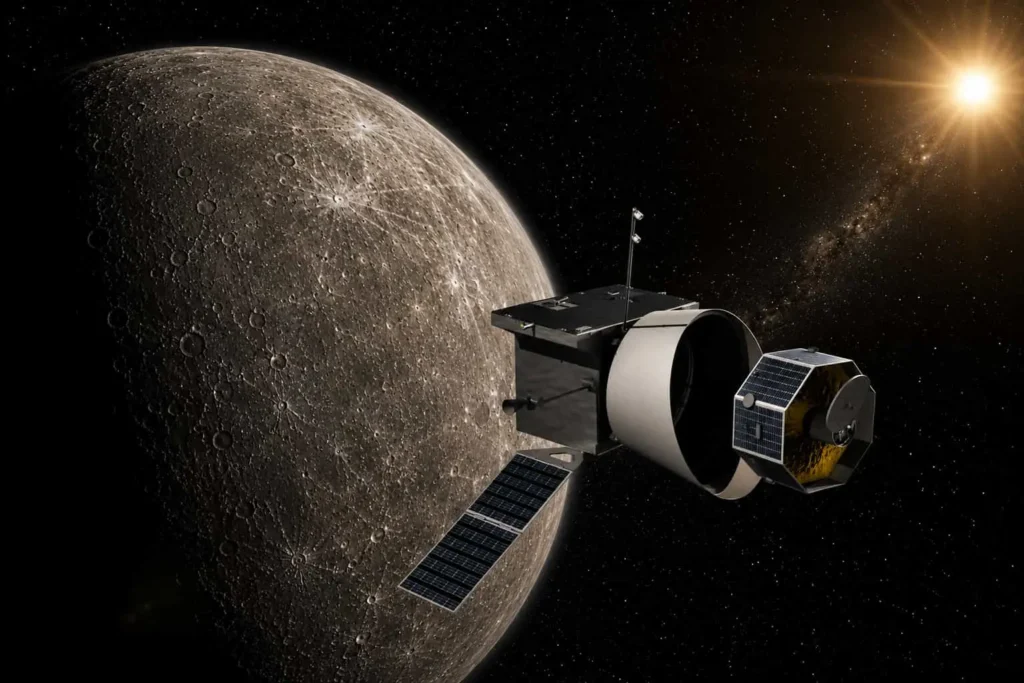
After a journey lasting nearly eight years, the joint European Space Agency (ESA) and Japan Aerospace Exploration Agency (JAXA) mission known as BepiColombo is expected to finally enter orbit around Mercury.
Mercury is the closest planet to the Sun and one of the least explored worlds in our Solar System. Extreme temperatures and intense solar radiation make it a challenging destination for spacecraft.
BepiColombo consists of two scientific orbiters that will work together to study Mercury’s surface, magnetic field, atmosphere, and internal structure. Scientists hope the mission will reveal how rocky planets form and evolve over time.
The data collected may also provide valuable insights into the early history of Earth and other terrestrial planets.
4. Hera: Investigating an Asteroid Impact
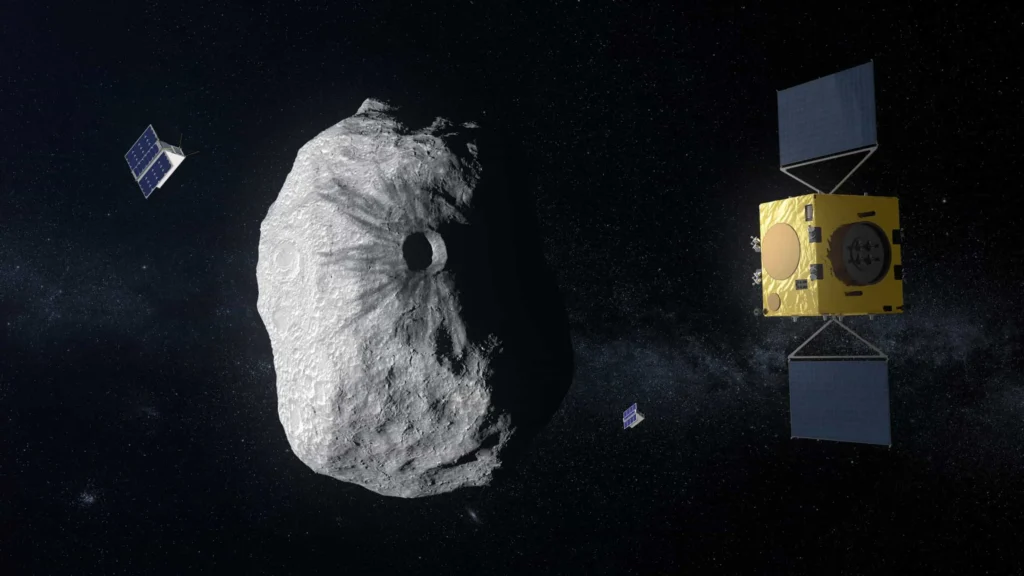
Credit: ESA
The European Space Agency’s Hera mission has a unique objective. It will travel to the Didymos asteroid system to investigate the results of NASA’s historic DART mission.
In 2022, NASA intentionally crashed the DART spacecraft into a small asteroid called Dimorphos. The goal was to test whether humanity could alter an asteroid’s path through space.
Hera will closely examine the impact site and measure exactly how much the asteroid’s orbit changed. It will also study the asteroid’s composition, structure, and physical properties.
The mission is an important step toward developing planetary defense strategies. While no known asteroid currently threatens Earth, future protection systems may depend on knowledge gained from missions like Hera.
5. PLATO: Searching for Earth-Like Worlds
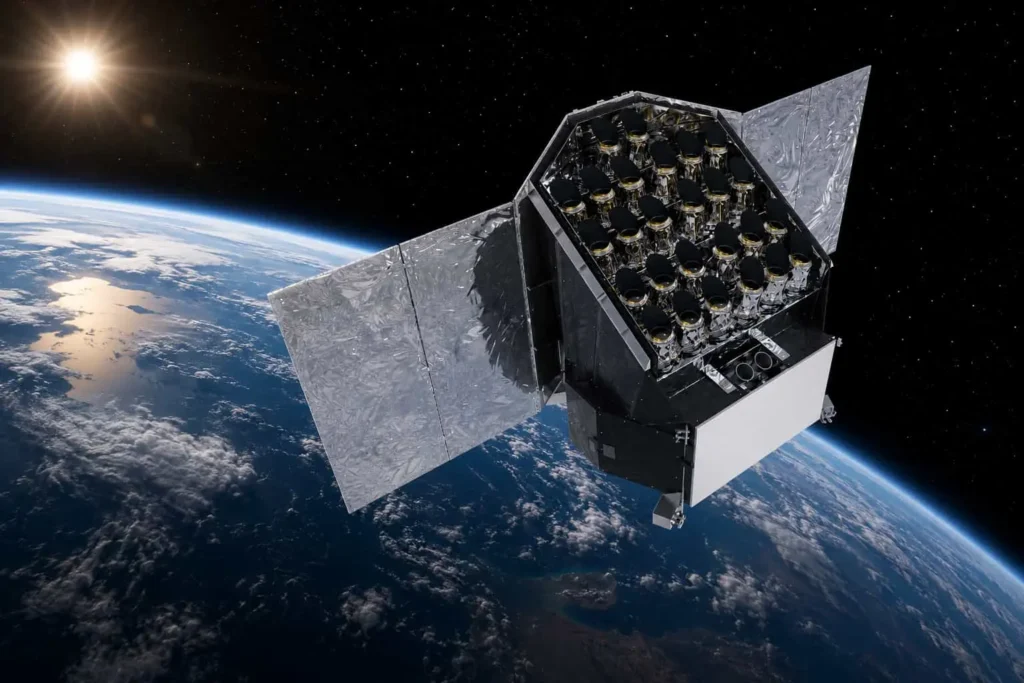
The European Space Agency’s PLATO mission, short for PLAnetary Transits and Oscillations of Stars, is designed to search for planets beyond our Solar System. Its primary goal is to find Earth-like worlds orbiting Sun-like stars.
PLATO will monitor the brightness of hundreds of thousands of stars. When a planet passes in front of its star, the star’s light dims slightly. By detecting these tiny changes, scientists can identify new exoplanets and determine their size, orbit, and other important characteristics.
What makes PLATO especially exciting is its focus on potentially habitable planets. The mission will look for worlds located in the “habitable zone,” where temperatures may allow liquid water to exist on the surface.
In addition to discovering new planets, PLATO will study the stars themselves, helping astronomers better understand how planetary systems form and evolve. The mission could significantly improve our chances of finding planets that resemble Earth and may even reveal environments capable of supporting life.
The Future of Space Exploration
The impressive lineup of Space Missions 2026 demonstrates how rapidly space exploration is advancing. Each mission focuses on a different scientific challenge, yet all share a common goal: expanding humanity’s understanding of the cosmos.
Whether searching for water on the Moon, uncovering the secrets of Mercury, studying distant galaxies, testing asteroid defense technology, or monitoring the effects of the Sun on Earth, these missions have the potential to deliver groundbreaking discoveries.
As spacecraft launch and arrive at their destinations throughout 2026, scientists around the world will be watching closely. The knowledge gained from these missions could shape the future of astronomy, planetary science, and human space exploration for decades to come.