Credit: Nicole Rager Fuller/National Science Foundation
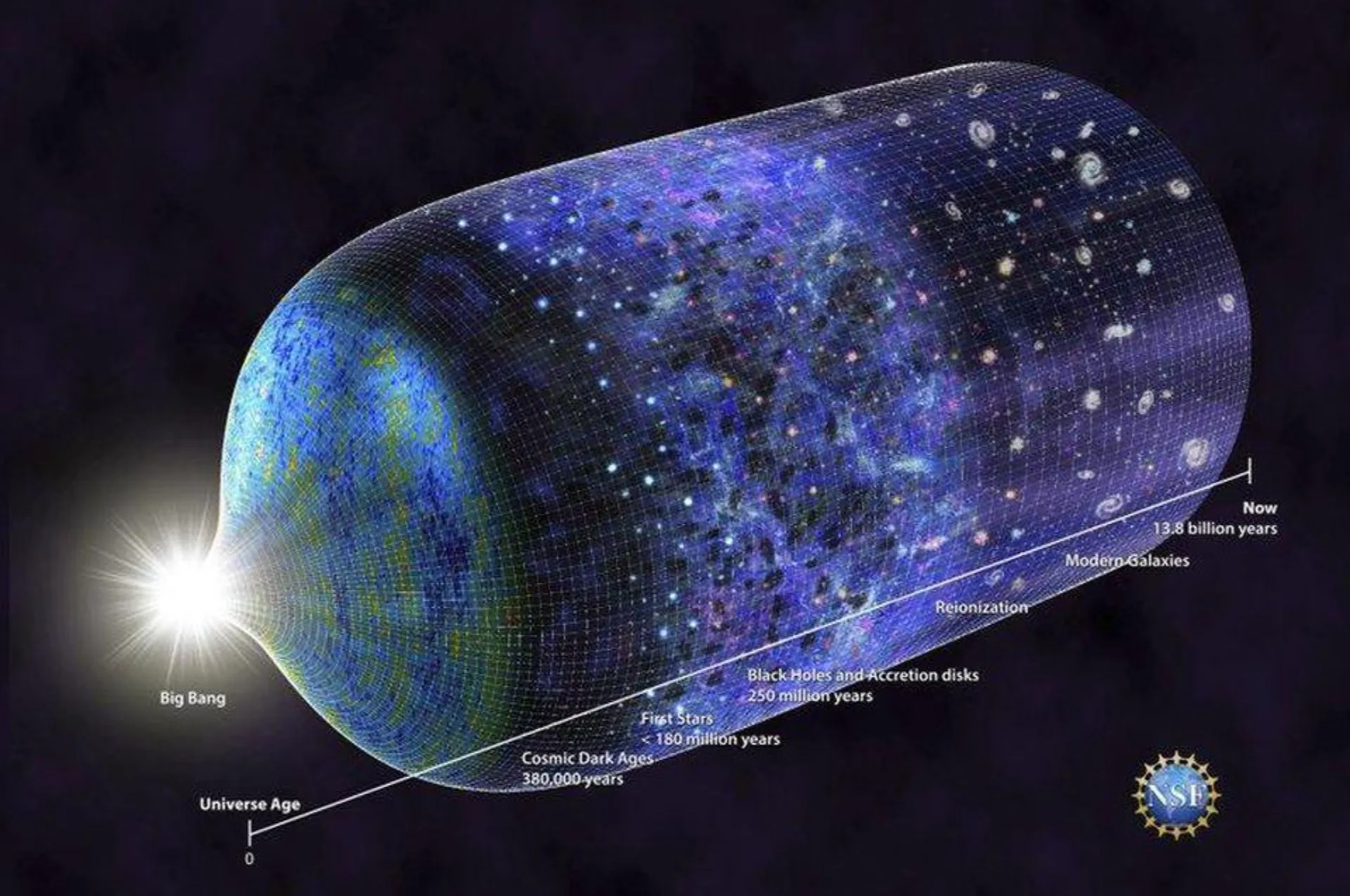
One of the greatest mysteries in astronomy is determining the Universe’s Age. Ever since people first looked up at the night sky, they have wondered when the universe began and how long it has existed. Today, after decades of careful research, scientists estimate that the universe is about 13.8 billion years old.
That number is not a guess or a rough estimate. It comes from several independent observations that all point to the same answer. By studying the oldest stars, measuring how the universe is expanding, and observing the faint light left behind after the Big Bang, astronomers have pieced together the story of the universe from its earliest moments to the present day.
While many mysteries about the universe still remain, its age is one of the most well-supported discoveries in modern astronomy. The fact that several independent methods, using different types of evidence, all arrive at nearly the same result gives scientists strong confidence that the universe is around 13.8 billion years old.
The Oldest Stars Give Us a Minimum Age
Credits: NASA
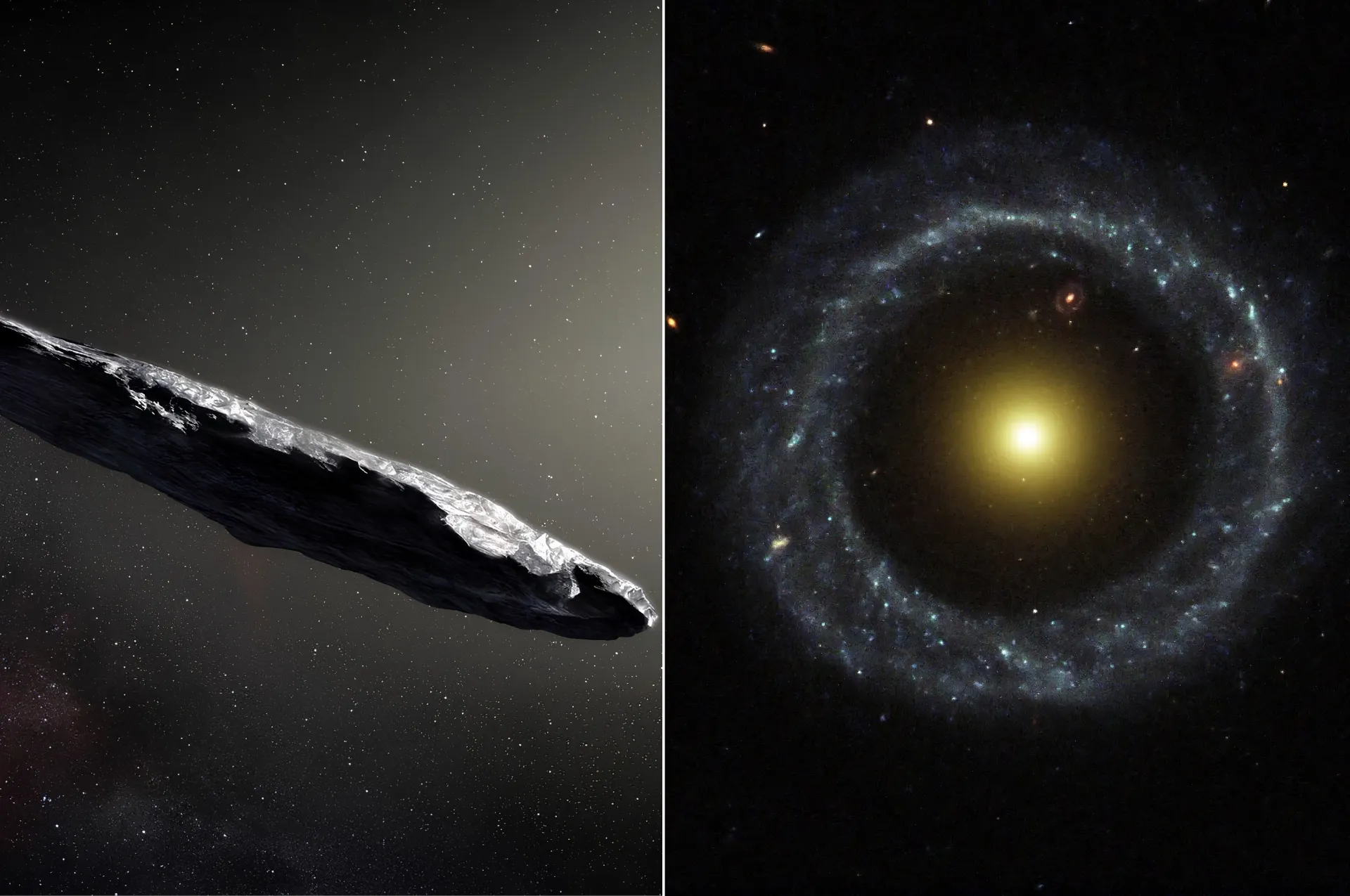
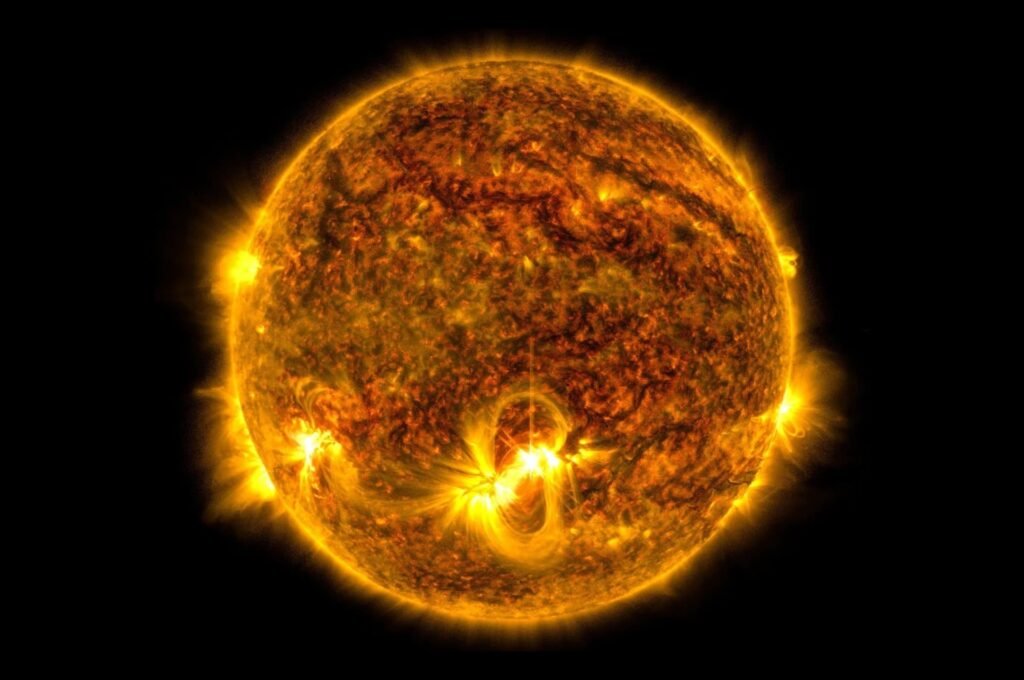
One of the simplest ways to estimate the Universe’s Age is by studying its oldest stars. Just as you can estimate a tree’s age by counting its rings, astronomers can estimate a star’s age by observing its brightness, color, and how it changes over time. Some ancient groups of stars, called globular clusters, contain stars that are more than 13 billion years old, making them some of the oldest objects ever discovered.
This tells us something very important. The universe must be older than the oldest stars it contains because those stars could only have formed after the universe already existed. While this method cannot reveal the exact age of the universe, it sets a strong lower limit and confirms that the cosmos has existed for well over 13 billion years.
Scientists compare the ages of these ancient stars with other observations of the universe. When all of the evidence is put together, it consistently points to the same conclusion: the universe is about 13.8 billion years old. This agreement between different methods gives astronomers greater confidence that their estimate is accurate.
Measuring the Universe’s Age Through Expansion
Credits: NASA
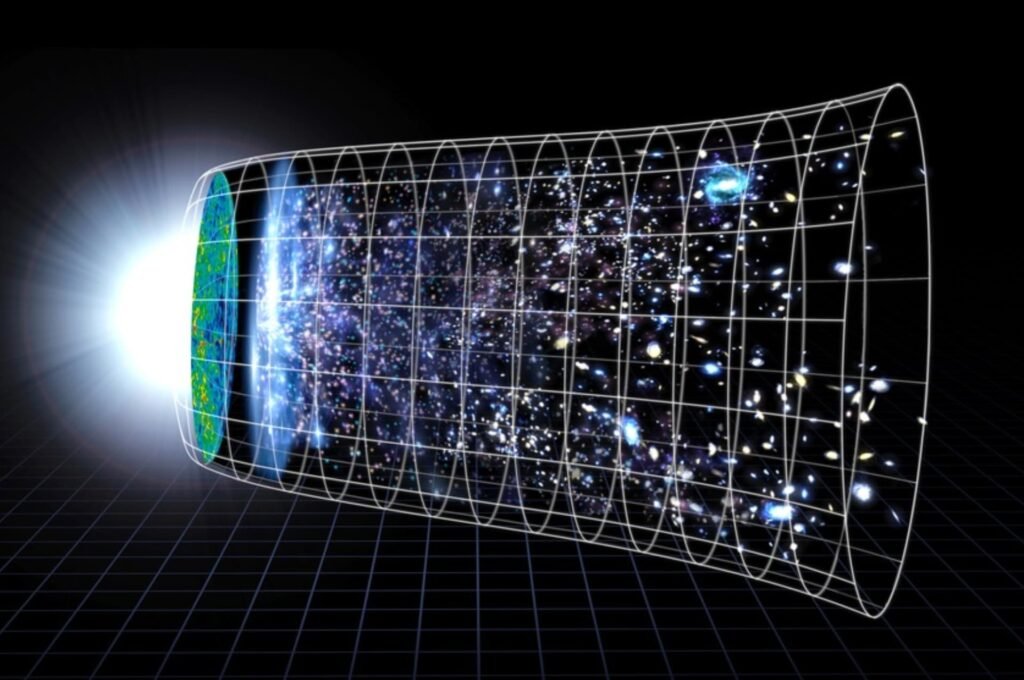
A more precise answer comes from the fact that the universe is expanding. In 1929, astronomer Edwin Hubble discovered that distant galaxies are moving away from us. The farther away a galaxy is, the faster it appears to be moving. This showed that space itself has been expanding over time, meaning the universe was once much smaller than it is today.
Astronomers can measure today’s expansion rate and then work backward, much like rewinding a video. By combining these measurements with estimates of how much matter and energy the universe contains, scientists can calculate how long the universe has been expanding since the Big Bang. This calculation gives an age of about 13.8 billion years, with an uncertainty of only about 1 percent.
Modern space telescopes and observatories have made these measurements far more accurate than ever before. As new observations continue to match earlier results, scientists have become increasingly confident that this estimate is correct. The expansion of the universe remains one of the strongest pieces of evidence for determining the Universe’s Age.
The Ancient Light That Confirms the Answer
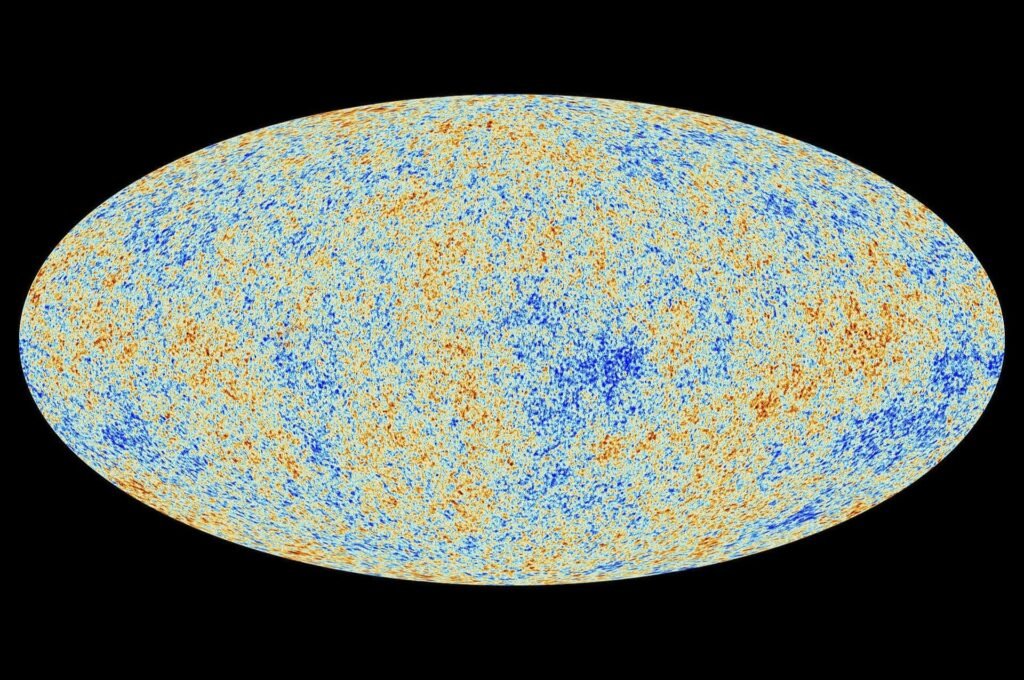
Credit: NASA
Another key piece of evidence comes from the oldest light we can see. This faint glow fills the entire universe and is often described as the leftover heat from the Big Bang. It has been traveling through space for nearly the entire history of the universe, carrying valuable information about what the cosmos was like shortly after it began.
Space missions such as WMAP and Planck measured this ancient light with incredible precision. These observations reveal the universe’s shape, composition, and early conditions. When scientists compare these measurements with their models of cosmic expansion, they arrive at the same answer: the Universe’s Age is approximately 13.8 billion years. The fact that different methods agree so closely gives astronomers great confidence in this number.
Could the Number Change?
Science is always open to new discoveries, so no measurement is considered absolutely final. Astronomers are still investigating why different techniques produce slightly different values for the universe’s current expansion rate, a puzzle known as the “Hubble tension.” However, these differences are too small to change the universe’s age by billions of years.
Future telescopes and observations may improve the precision of the measurement, but they are expected to make only small adjustments. Based on everything we know today, the best estimate remains 13.8 billion years, making the Universe’s Age one of the strongest conclusions in modern astronomy.