

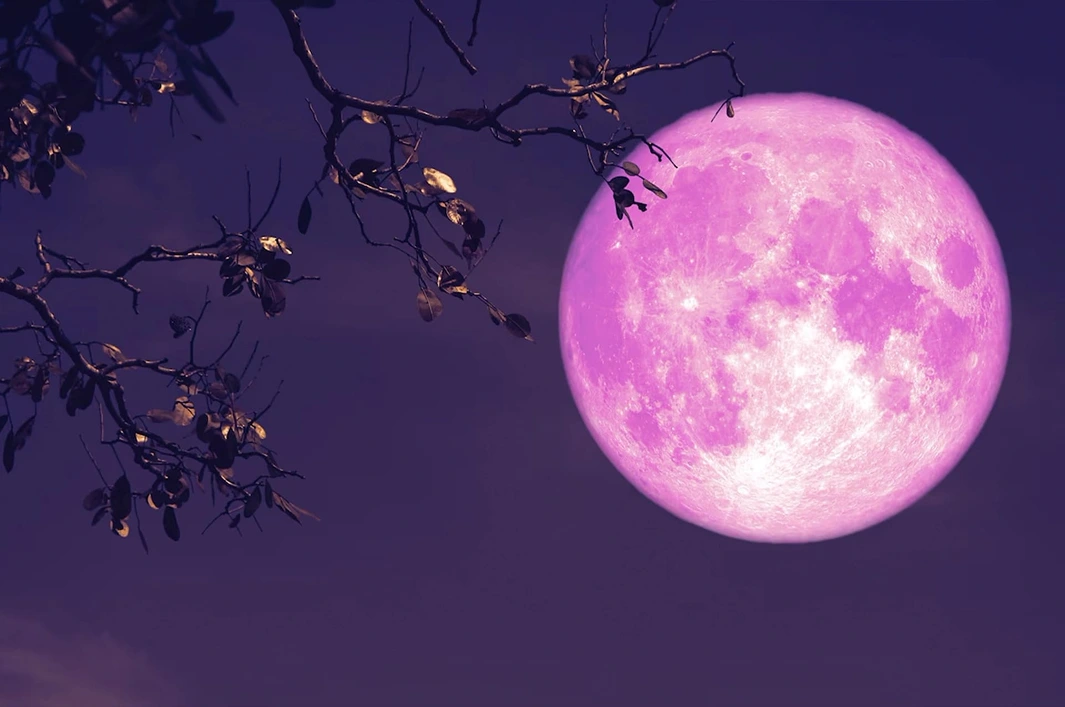
The month of June is bringing several exciting celestial events for astronomy lovers around the world. From bright planets meeting in the evening sky to meteor showers and the famous Strawberry Moon, these June 2026 Space Events will give skywatchers many chances to enjoy the beauty of space. Most of these events can be seen without expensive telescopes, making June an excellent month for beginners who want to explore the night sky for the first time.
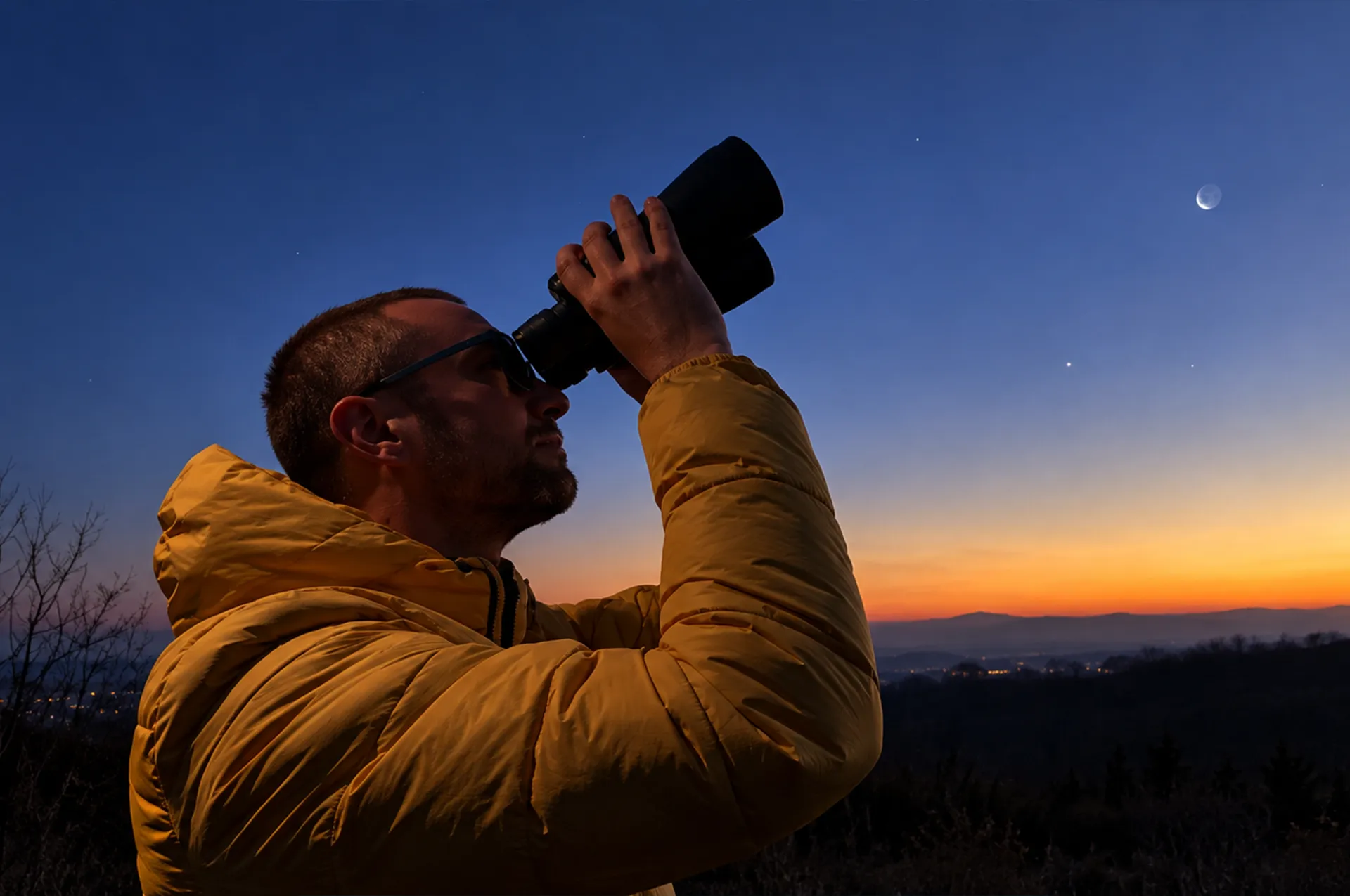
Astronomy experts recommend finding a dark location away from city lights for the best viewing experience. A clear sky, patience, and even a simple pair of binoculars can make these cosmic events far more impressive. Here are some of the most important space events happening in June 2026.
June 8–9, 2026: Venus and Jupiter Conjunction
Credits: NASA / Michael Luy
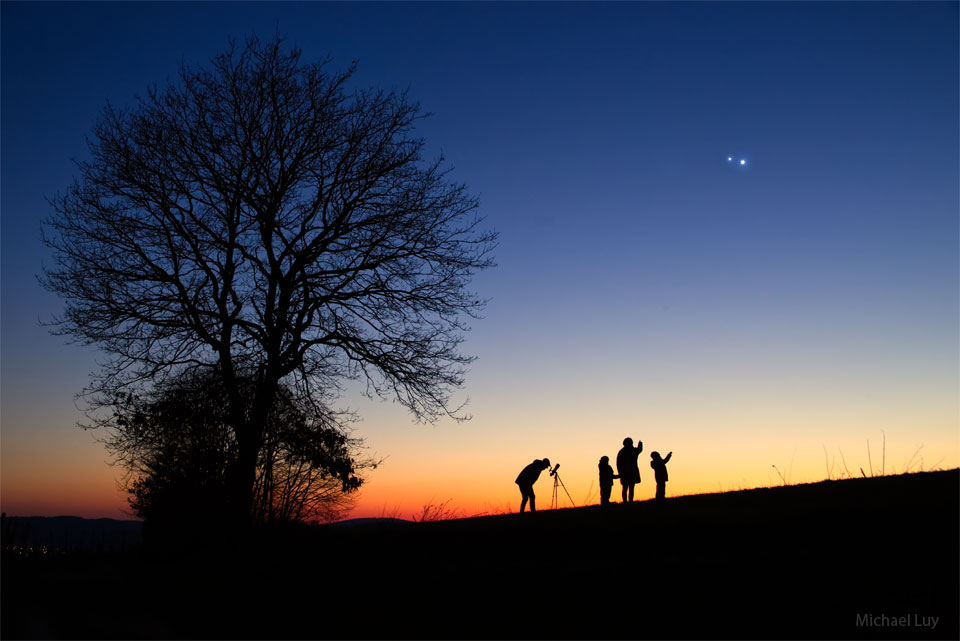
One of the biggest highlights among the June 2026 Space Events is the close meeting of Venus and Jupiter. These two planets are the brightest objects in the night sky after the Moon, and during this conjunction they will appear extremely close together shortly after sunset.
Skywatchers should look toward the western horizon around 30 to 60 minutes after sunset. Venus will shine with a brilliant white glow, while Jupiter will appear slightly dimmer nearby. The pair may look close enough to almost touch from Earth’s perspective.
A conjunction happens when two celestial objects appear near each other in the sky even though they remain millions of kilometers apart in space. Events like this are popular because they are easy to observe with the naked eye and look stunning in photographs.
This conjunction will also create a great opportunity for beginner astrophotographers. Even smartphone cameras may capture the bright planets glowing together during twilight.
June 10, 2026: Daytime Arietid Meteor Shower Peak
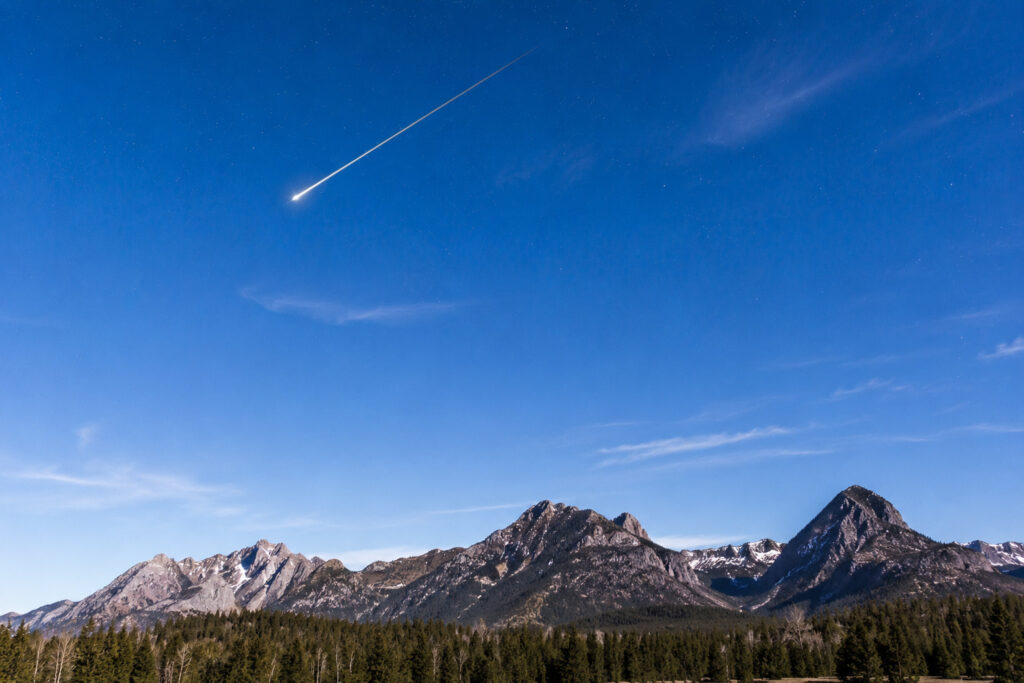
Another exciting event in the list of June 2026 Space Events is the Daytime Arietid meteor shower. It is considered one of the strongest annual meteor showers, but it is difficult to observe because most meteors appear during daylight hours.
However, dedicated skywatchers may still spot some meteors shortly before sunrise. The best time to observe is during the early morning hours while the sky is still dark. Looking toward the eastern horizon can improve the chances of seeing fast-moving meteors streaking across the sky.
Meteor showers happen when Earth travels through trails of dust and debris left behind by comets. As these tiny particles enter Earth’s atmosphere, friction causes them to heat up and glow brightly.
The Arietids are famous for producing very fast meteors. Even seeing a few can be an exciting experience for anyone interested in astronomy.
June 15, 2026: New Moon and Perfect Dark Skies
Credits: unsplash
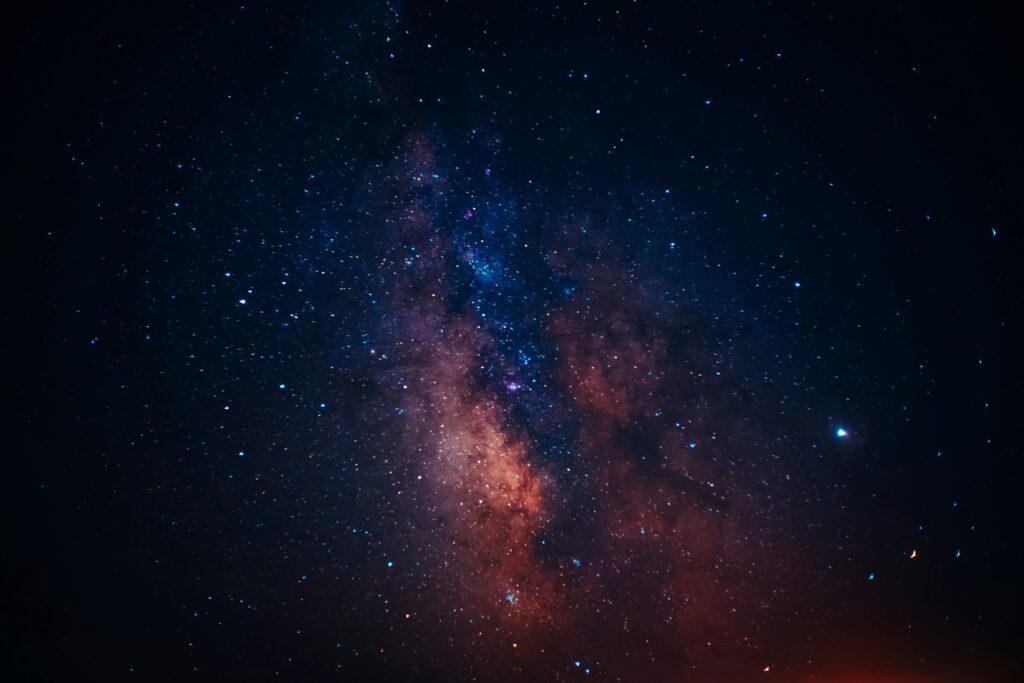
The New Moon on June 15 is another important part of the June 2026 Space Events calendar. During a New Moon, the Moon is positioned between Earth and the Sun, making it almost invisible in the night sky.
Without bright moonlight, the sky becomes much darker, allowing fainter stars and deep-space objects to become visible. This is one of the best nights of the month for observing the Milky Way, star clusters, and distant galaxies.
Astronomy enthusiasts often wait for New Moon nights because darker skies create ideal conditions for stargazing and astrophotography. Even beginners can notice a major difference in how many stars become visible compared to nights with a bright full Moon.
For people living far from city lights, this could become one of the best opportunities of the year to enjoy a truly dark sky.
June 21, 2026: June Solstice
Credits: Unsplash
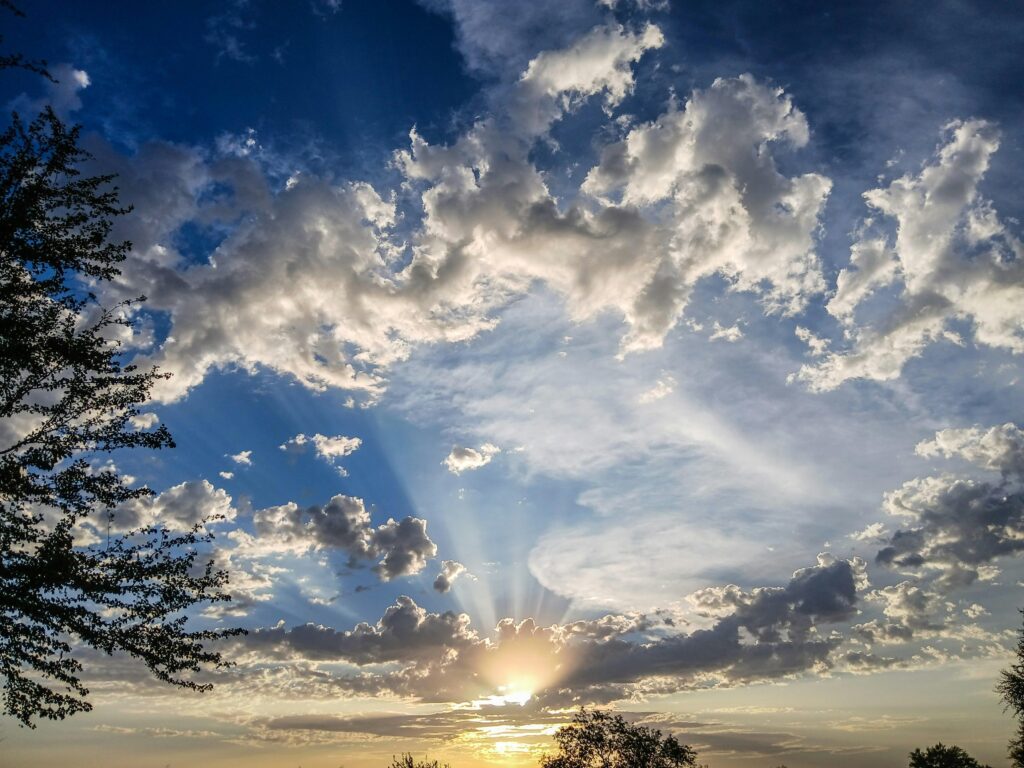
The June Solstice marks the official beginning of summer in the Northern Hemisphere and brings the longest day of the year. During this event, Earth’s northern half tilts most directly toward the Sun, giving many places their maximum daylight hours.
The solstice has been celebrated for thousands of years by cultures around the world. Ancient monuments like Stonehenge are famously connected to the sunrise during the June Solstice.
Although nights become shorter after this point, warm summer evenings make outdoor skywatching much more comfortable. Many astronomy fans use the season to enjoy late-night observations under clear skies.
The solstice is also an important reminder that Earth’s changing seasons are caused by the tilt of our planet rather than its distance from the Sun.
June 27, 2026: June Bootids Meteor Shower
Credits: Unsplash
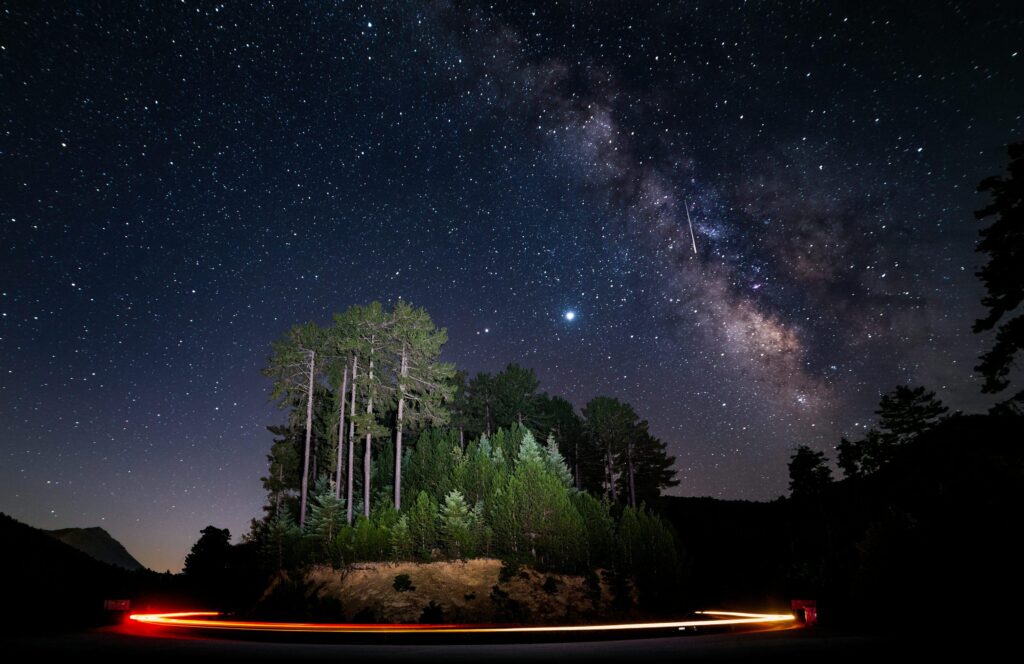
The June Bootids meteor shower is known for being unpredictable. In some years it produces only a few meteors, while in rare cases it suddenly becomes very active and surprises skywatchers.
The best viewing time is after midnight under dark skies. Unlike some meteor showers that move very quickly, the June Bootids are slower, making them easier to follow with the naked eye.
Meteor showers like this connect modern astronomy with ancient history. For centuries, people observed mysterious streaks of light crossing the sky without understanding their true origin. Today scientists know these meteors are small particles burning up in Earth’s atmosphere.
Even a quiet meteor shower can create memorable moments for skywatchers who spend time patiently watching the stars.
June 29, 2026: Full Strawberry Moon
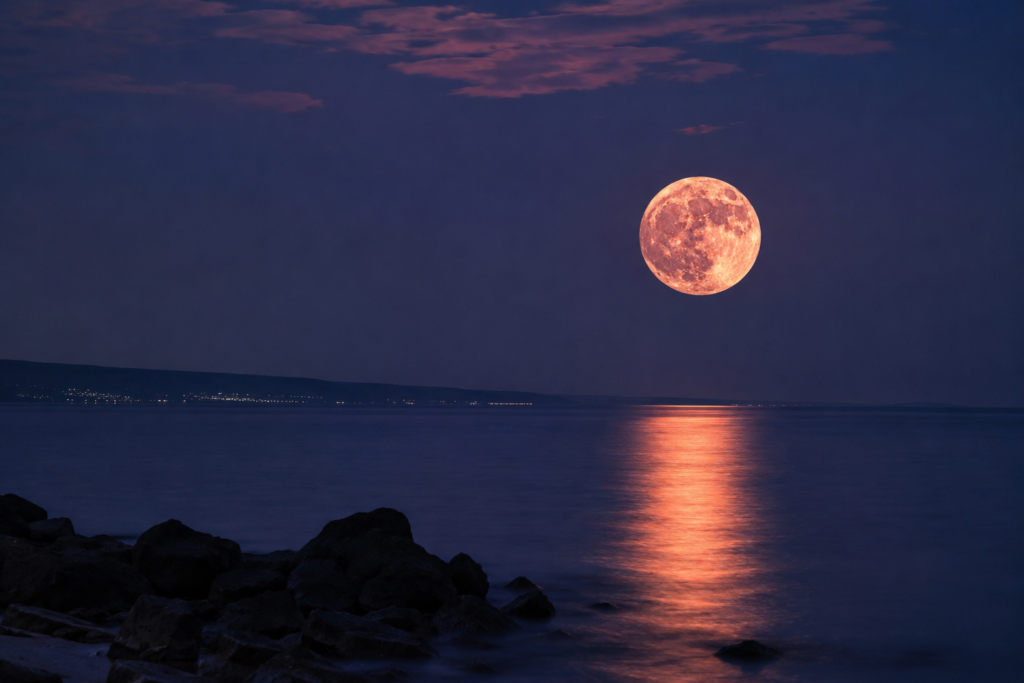
The month ends with the beautiful Full Strawberry Moon, one of the most famous full moons of the year. The name comes from Native American traditions connected to strawberry harvesting season.
This full Moon will also be a “Micro Moon,” meaning the Moon will appear slightly smaller because it is farther from Earth during its orbit.
Near the horizon, the Moon may appear orange or golden because Earth’s atmosphere scatters light differently at low angles. The Strawberry Moon will remain visible throughout the night and create a beautiful summer sky scene.
Among all the June 2026 Space Events, this may become one of the easiest and most enjoyable events for casual observers and photographers alike.
2 Comments
Very interesting site.
Love your content