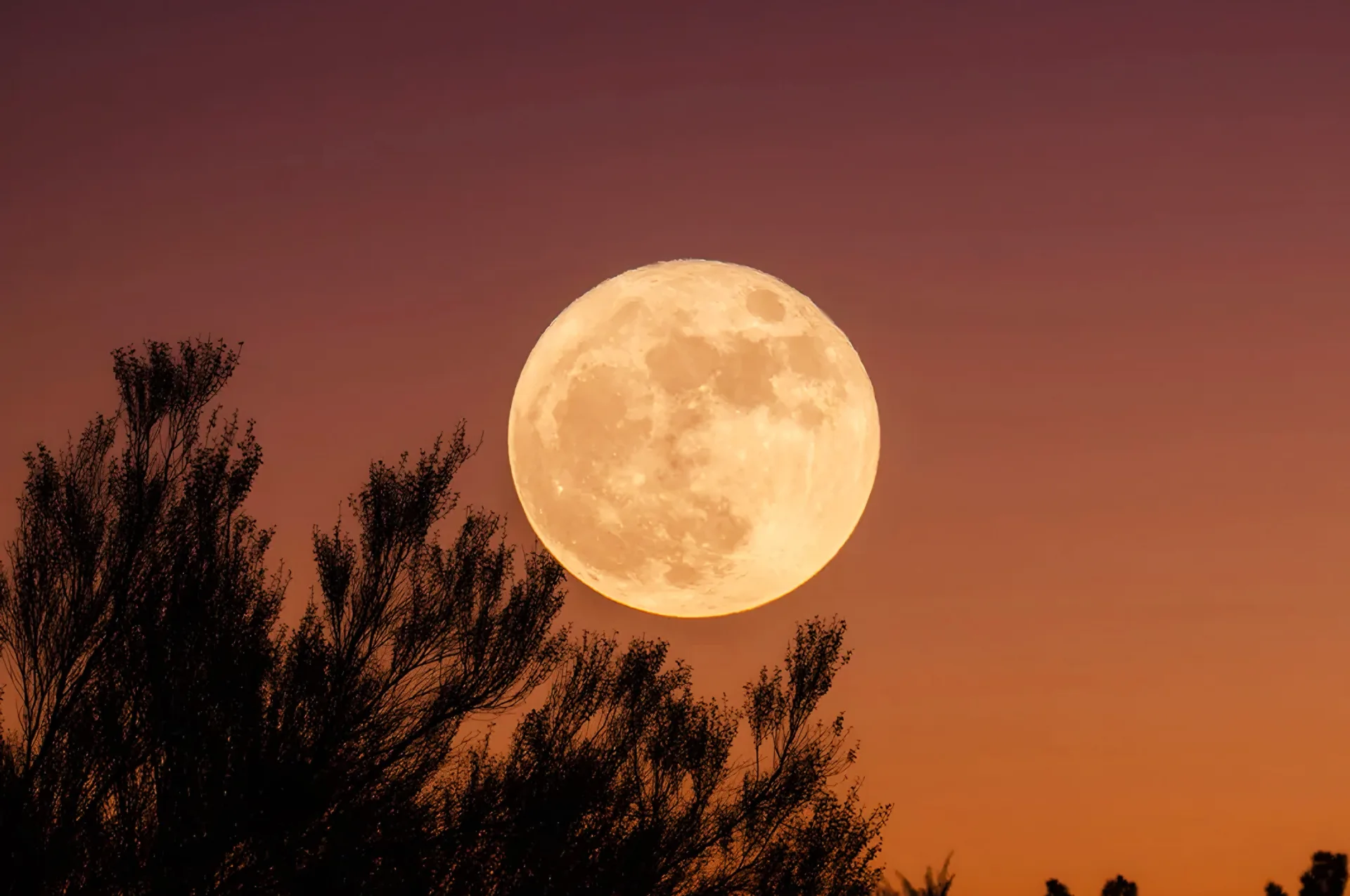
Harvest Moon 2026 will brighten the night sky on September 26, offering skywatchers a beautiful opportunity to see one of autumn’s most famous full moons. The Moon will reach its full phase at 16:49 UTC, although the best viewing time will depend on your location. For many observers, watching it rise around sunset will provide the most impressive view.
September’s full moon is especially meaningful because of its connection to the changing seasons and traditional seasonal names. In 2026, it is the Harvest Moon and is also commonly known as the Corn Moon. Here’s everything you need to know about when to see it, why it has these famous names, and what else will be visible in the sky.
For more celestial events happening this month, explore our guide to September 2026 astronomy events.
When Can You See the Harvest Moon 2026?
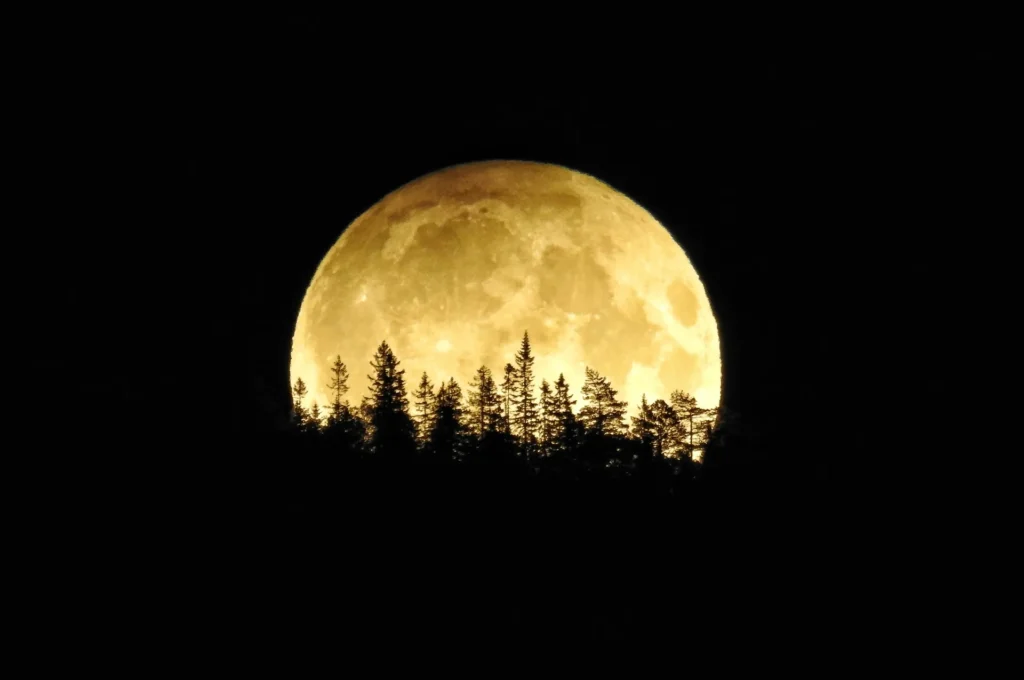
Photo: CNN Travel
The Harvest Moon 2026 reaches its full phase on September 26 at 16:49 UTC. However, you do not need to observe it at the exact moment of peak illumination. The Moon will appear nearly full on the nights before and after the event, giving skywatchers several opportunities to enjoy the view.
The best time to look for the Moon is around local moonrise near sunset. Find a location with a clear view of the eastern horizon and watch as the bright lunar disk rises into the darkening sky. NASA notes that the Harvest Moon will rise in the east shortly after sunset on September 26.
For exact moonrise times in your location, you can check a local Moon calendar or skywatching tool.
Check the September 2026 Moon times
When the Moon is close to the horizon, it may appear yellow or orange. This happens because its reflected sunlight travels through more of Earth’s atmosphere before reaching your eyes. As the Moon climbs higher into the sky, its color usually becomes brighter and whiter.
Why Is It Called the Harvest Moon and Corn Moon?
The Harvest Moon is the full moon that occurs closest to the September equinox. In 2026, the astronomical September equinox occurs on September 23 at 00:05 UTC, making the September 26 full moon the Harvest Moon.
The name is traditionally associated with the harvest season. Around this time of year, the pattern of evening moonrises can provide several nights of bright moonlight soon after sunset, historically giving farmers more light during the busy harvest period. NASA defines the Harvest Moon as the full moon nearest the start of autumn.
September’s full moon is also commonly known as the Corn Moon, a traditional seasonal name associated with the time when crops such as corn were harvested. The Harvest Moon can sometimes occur in October because its definition depends on its proximity to the equinox rather than the calendar month.
These names are part of a much wider tradition of naming full moons throughout the year. You can discover more about the history behind Full moon names and their meanings.
How to Get the Best View of the Harvest Moon 2026
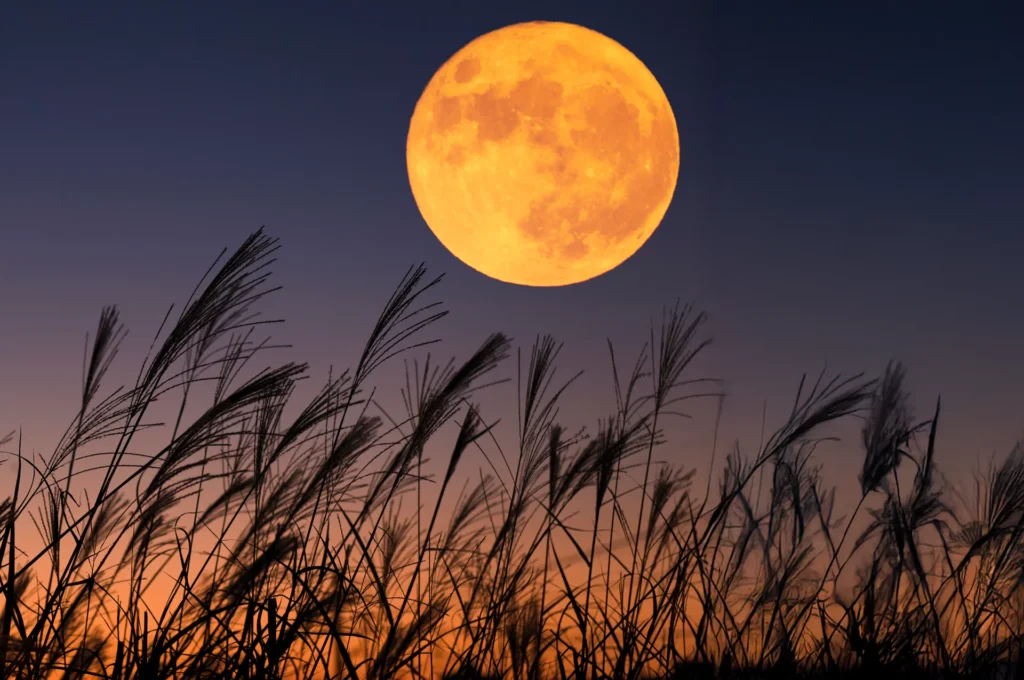
Photo: Getty Images
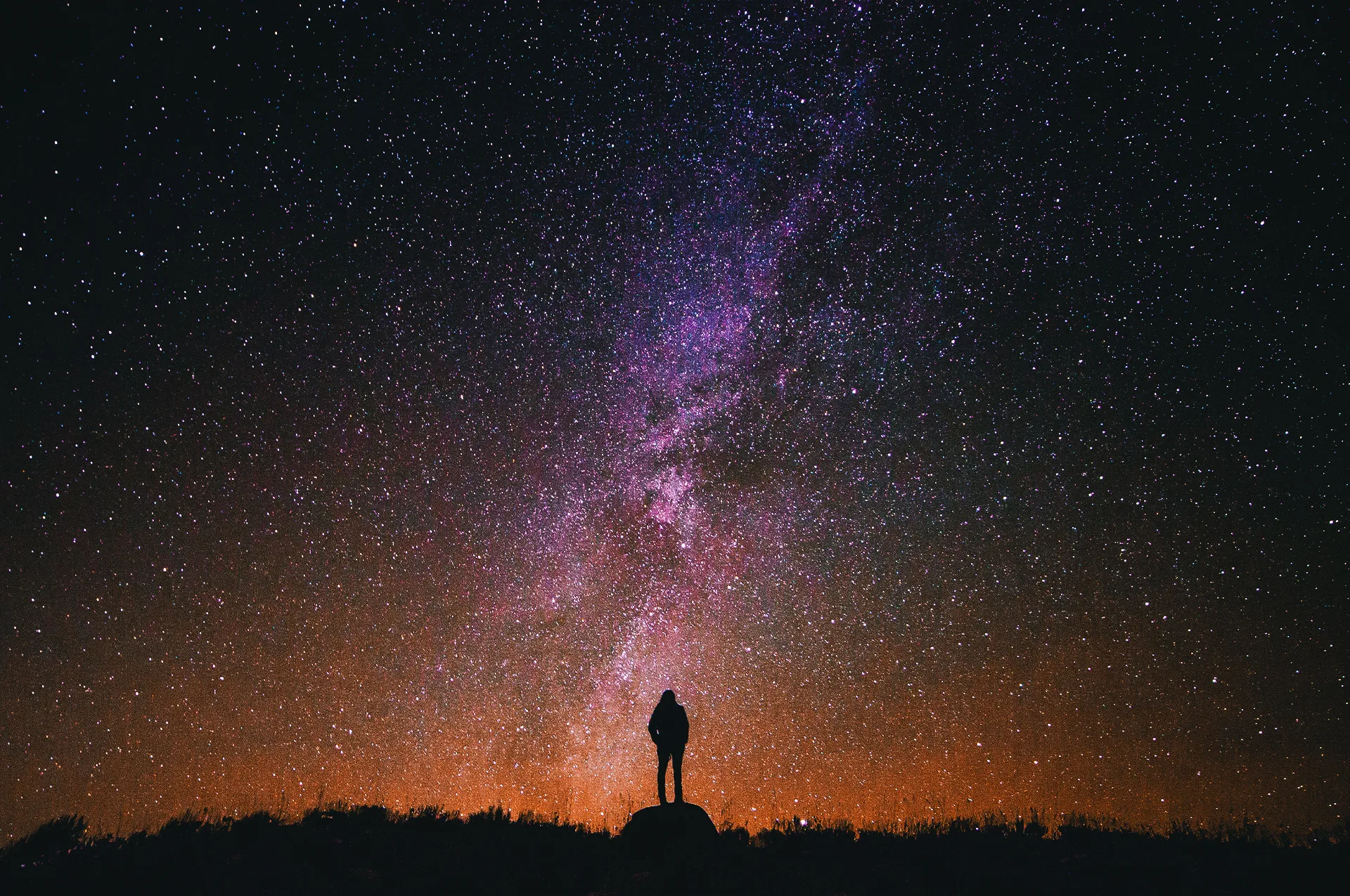
You do not need expensive equipment to enjoy the Harvest Moon 2026. Simply choose a place with a clear view of the eastern horizon and check your local moonrise time for September 26. Parks, open fields, rooftops, and other locations away from tall buildings can provide excellent viewing opportunities.
For photography, moonrise can be particularly rewarding because you can include trees, buildings, mountains, or other objects in the foreground. A tripod can help keep your camera steady, especially when using a longer lens to capture details on the lunar surface.
What Else Can You See Around the Harvest Moon?
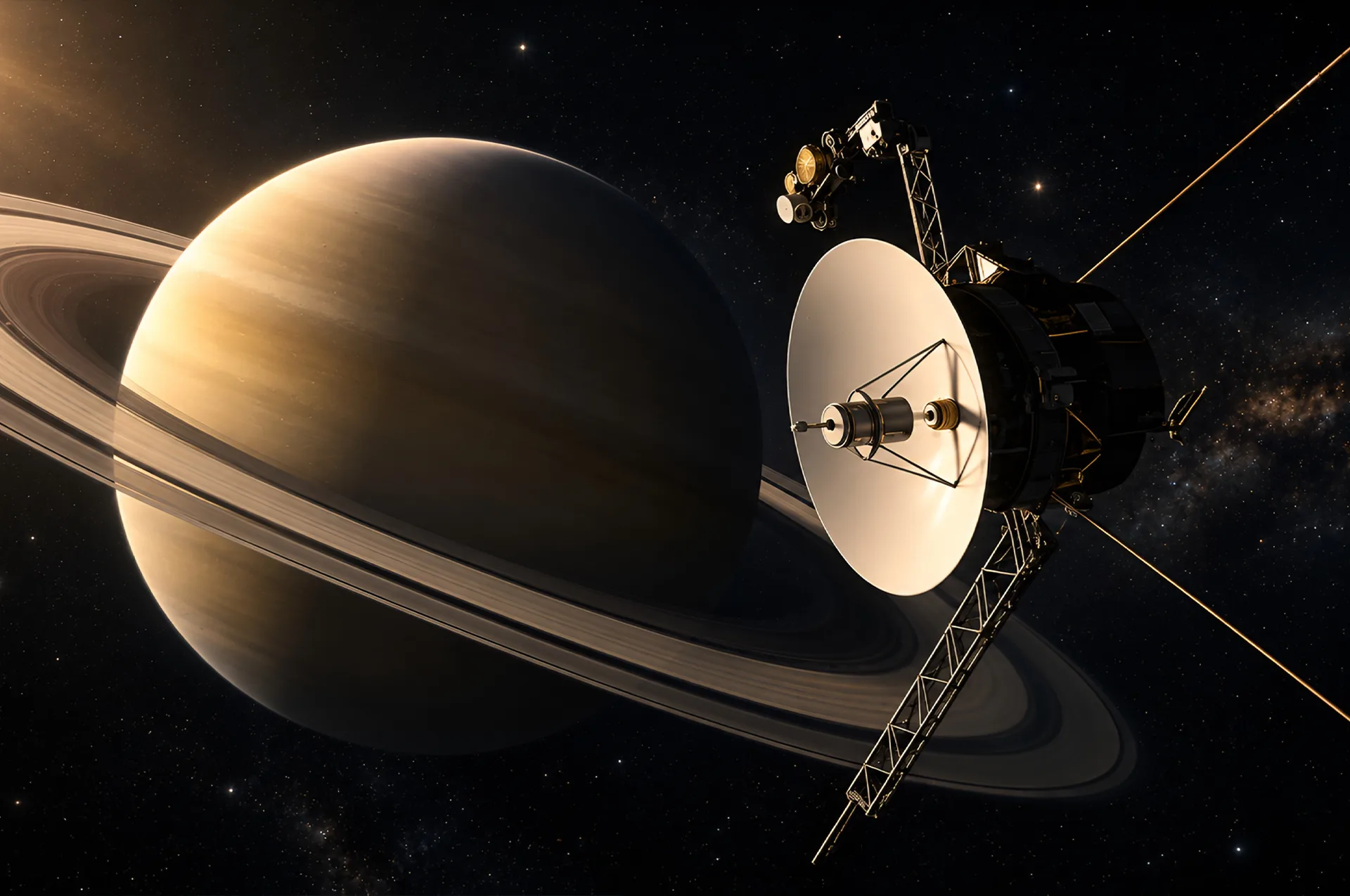
The Harvest Moon 2026 will not be alone in the evening sky. NASA says Saturn will appear near the Moon, while faint Neptune will complete a wide triangle with the pair on September 26. Saturn will be visible to the unaided eye, while Neptune will require binoculars or a telescope.
See full September skywatching guide
The bright light of a full moon can make faint stars and deep-sky objects harder to see, but it also makes the Moon itself an easy target. You can observe it with your naked eyes, while binoculars can reveal darker lunar plains and some of its larger surface features.
A telescope can provide an even closer look at lunar craters and mountains. However, surface details can sometimes appear flatter during the full Moon because sunlight falls more directly across much of the lunar landscape, creating fewer dramatic shadows.
If you want to plan future observations, our Full Moon 2026 calendar includes every full moon date, traditional name, and notable lunar event throughout the year.
Look Up. Observe Vastness.
LUOV