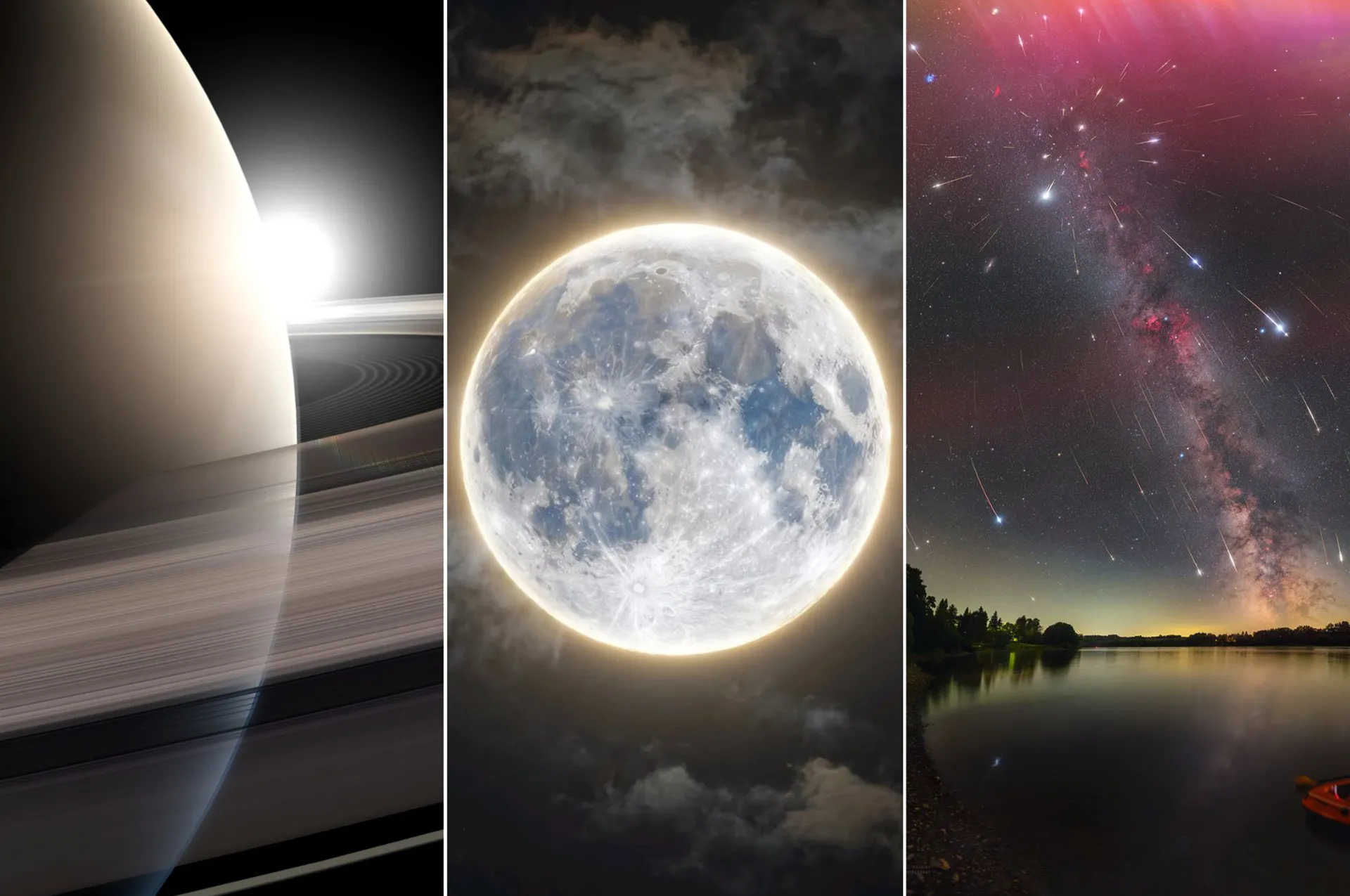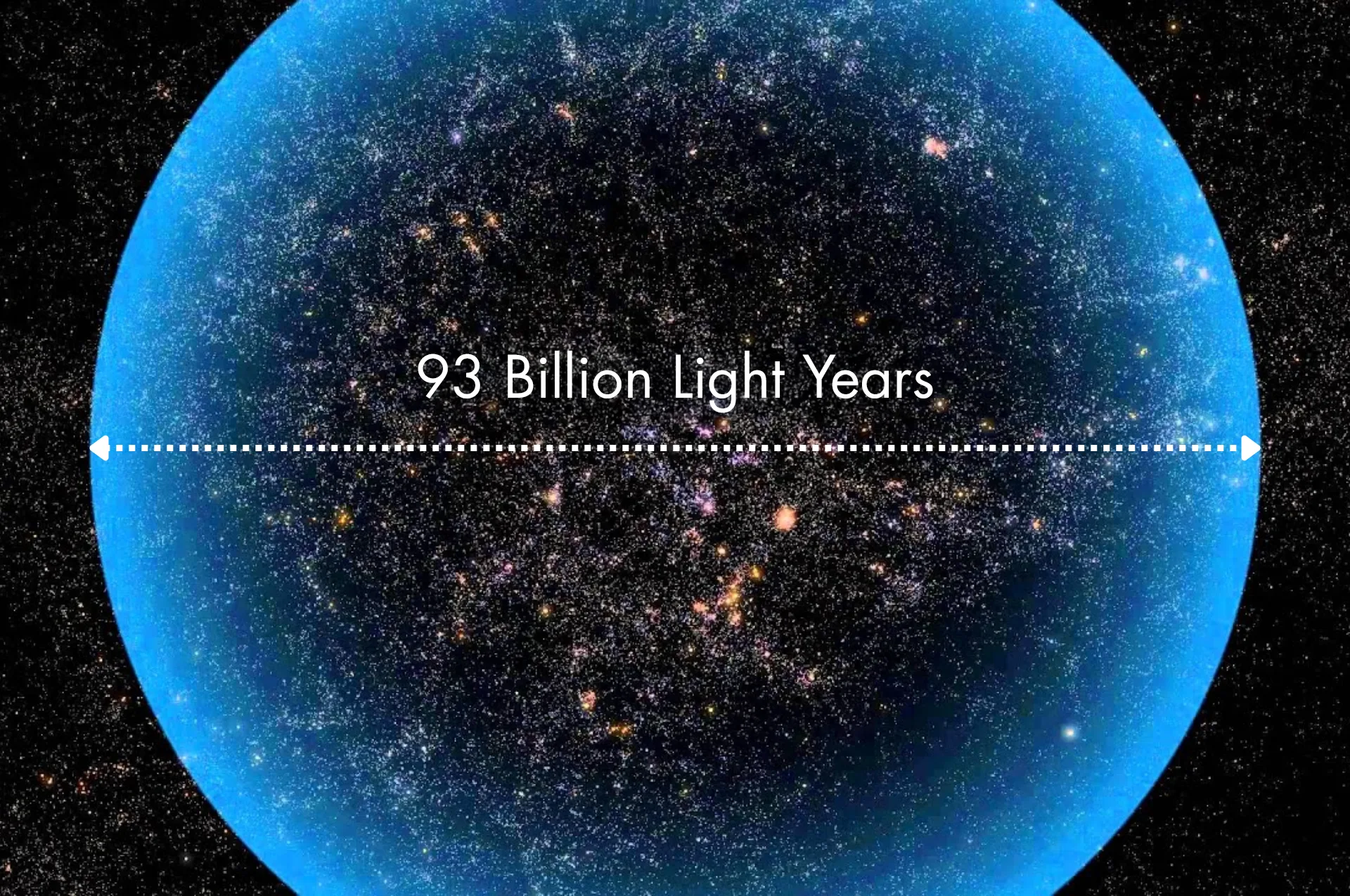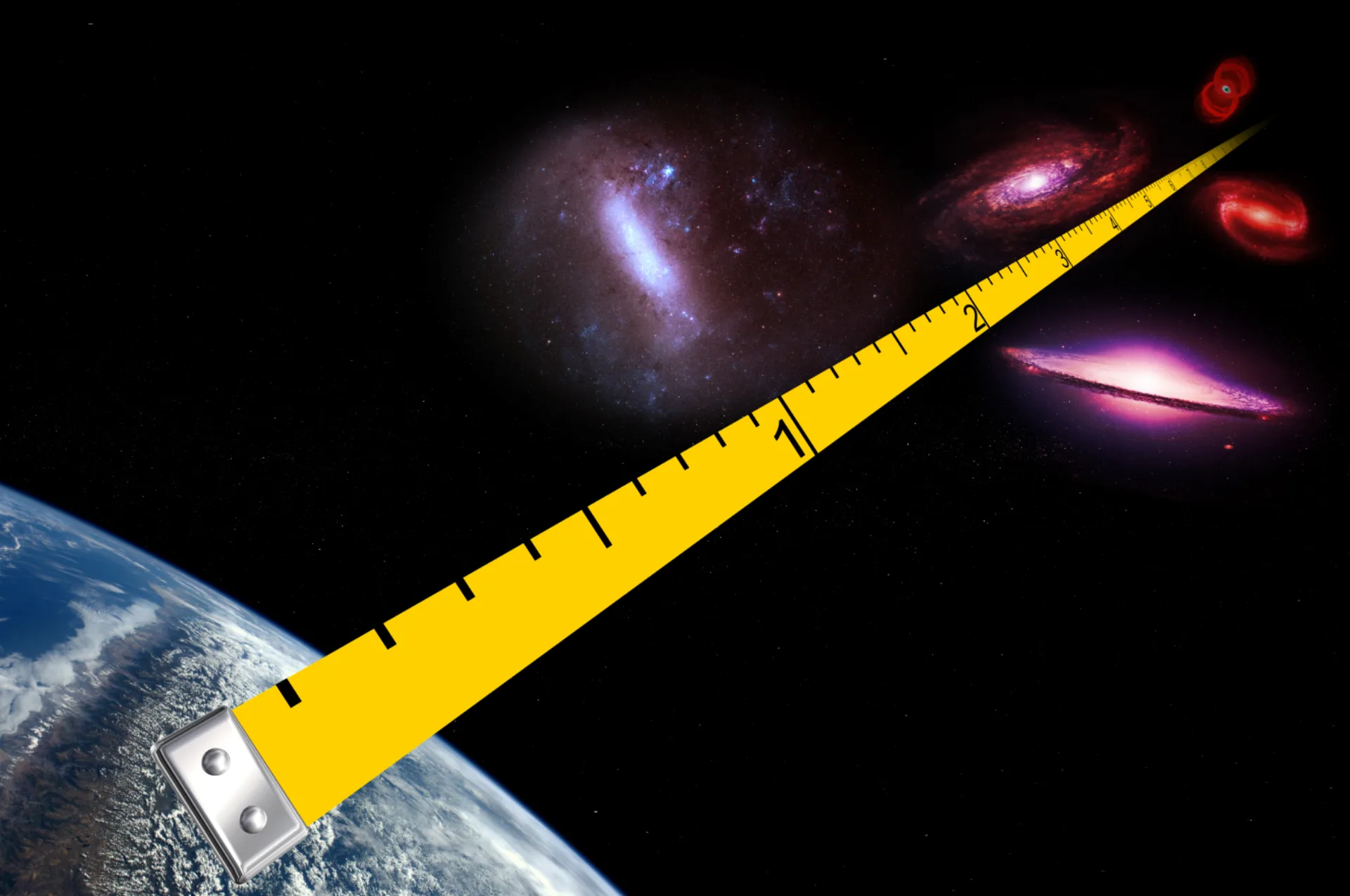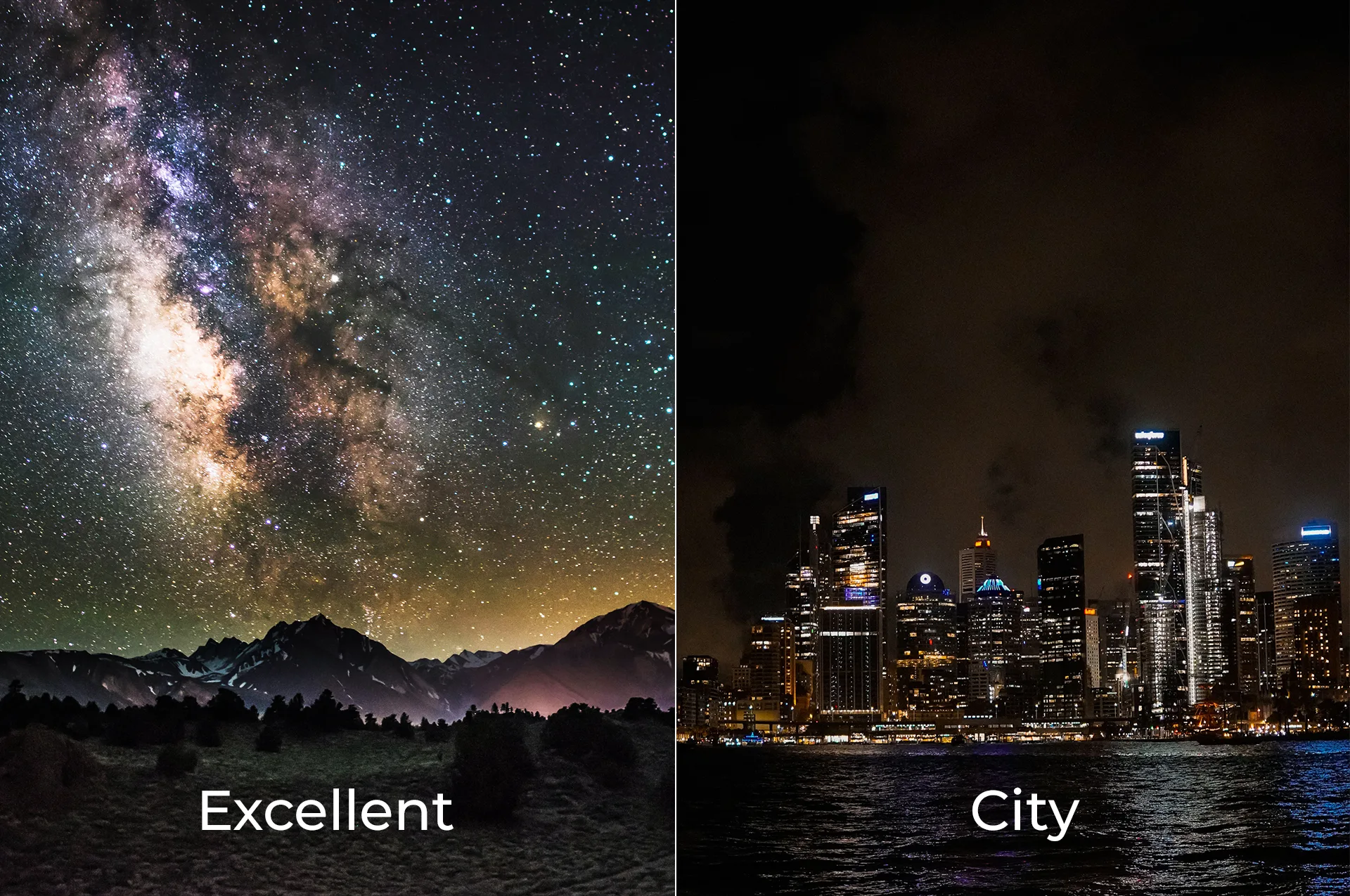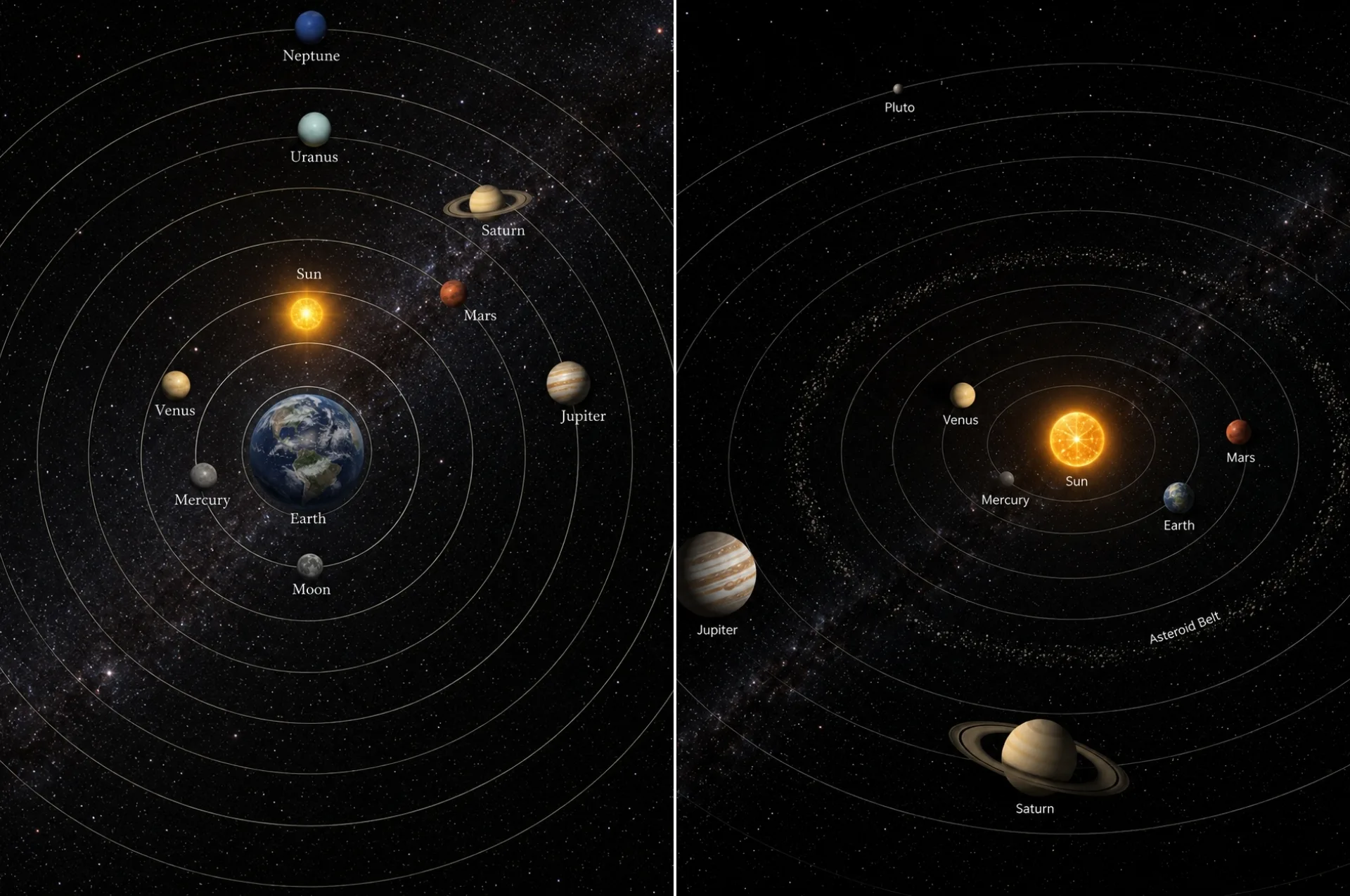
Our understanding of the Solar System has changed dramatically over thousands of years. Long before telescopes existed, people watched the night sky with only their eyes and tried to explain the movements of the Sun, Moon, planets, and stars. Each generation built on the discoveries of those before it, gradually replacing old ideas with better scientific evidence. Today, thanks to powerful telescopes, spacecraft, and advanced technology, we know that our Solar System is just one small part of a vast universe filled with billions of galaxies.
Claudius Ptolemy: The Earth-Centred Model
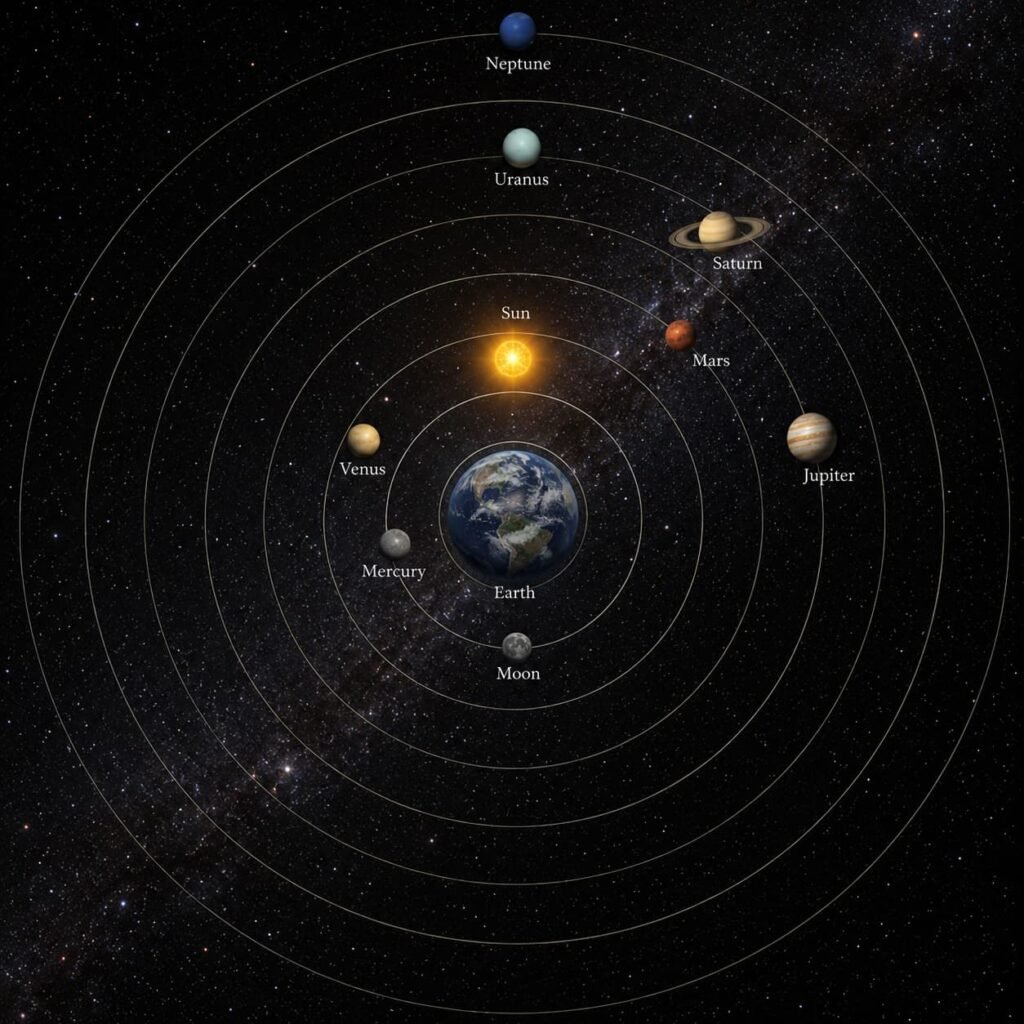
Around the 2nd century AD, the Greek astronomer Claudius Ptolemy created one of the most influential Solar System models in history. Known as the geocentric model, it placed Earth at the centre of the universe, with the Sun, Moon, planets, and stars revolving around it.
To explain the strange movements of planets in the sky, Ptolemy introduced small circular paths called epicycles. Although the model was complex, it accurately predicted planetary positions for its time. Because it matched many observations, it remained the accepted view for more than 1,500 years.
Nicolaus Copernicus: The Sun Takes Centre Stage
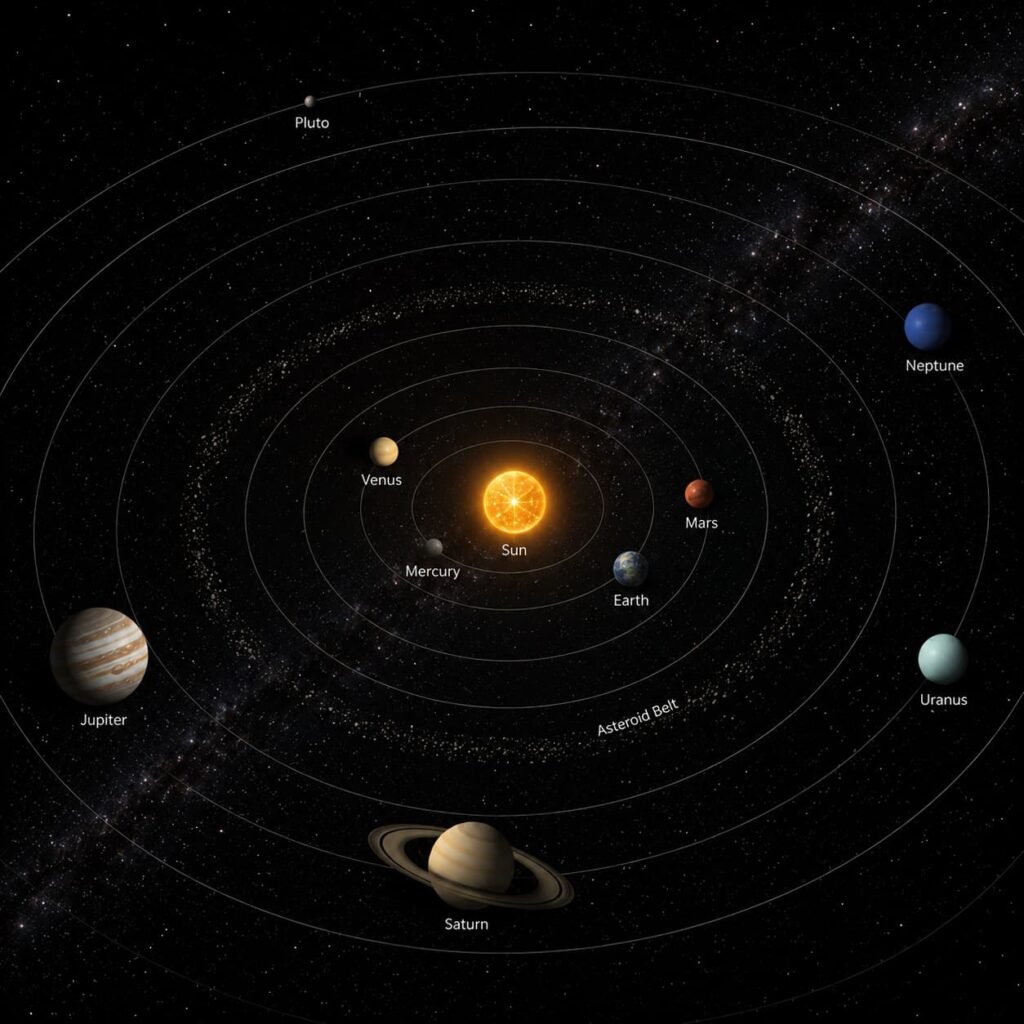
In 1543, Polish astronomer Nicolaus Copernicus challenged the long-standing Earth-centred view. He proposed the heliocentric model, placing the Sun at the centre of the Solar System while Earth and the other planets orbited around it.
his new idea explained planetary motion much more simply than Ptolemy’s model. However, Copernicus still believed planets moved in perfect circles, which meant his predictions were not always completely accurate. Even so, his work marked the beginning of a major scientific revolution and changed the way people viewed the universe.
Tycho Brahe: The Master Observer
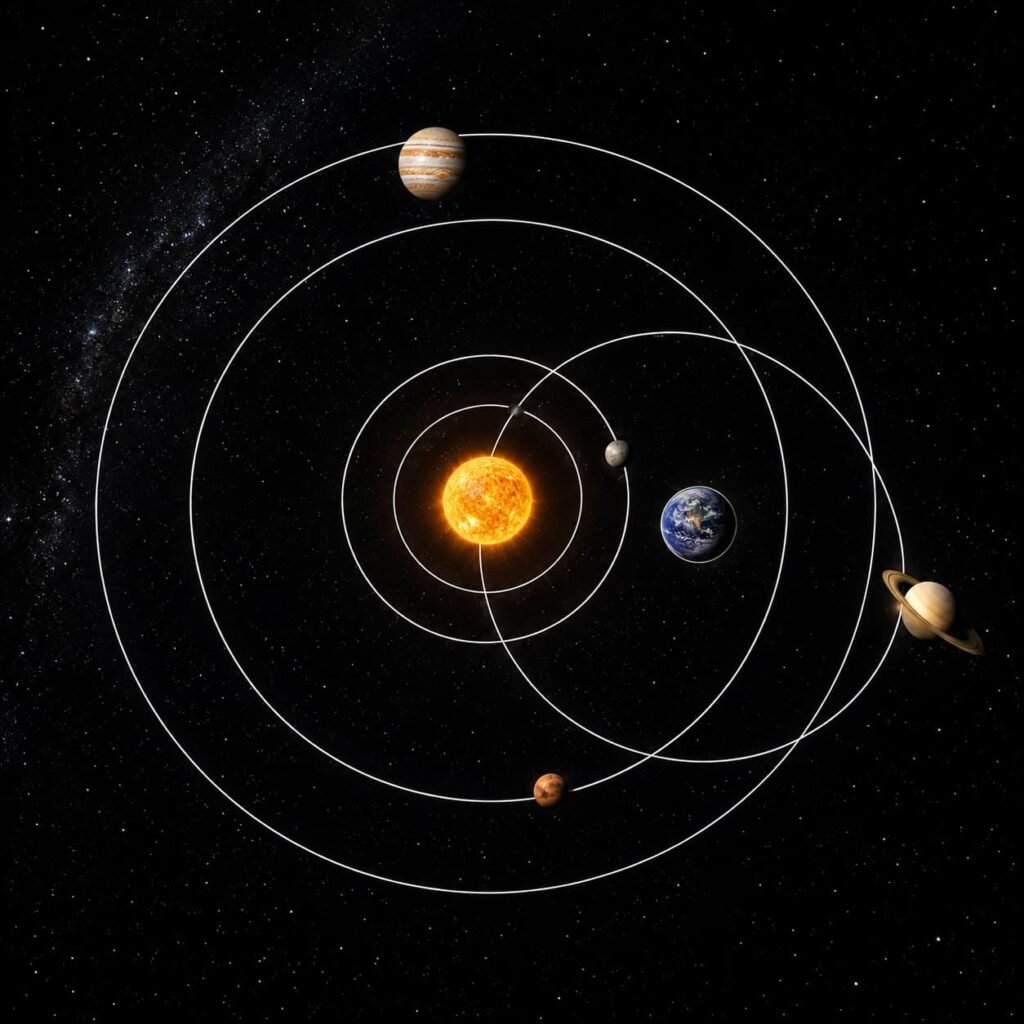
Danish astronomer Tycho Brahe made the most accurate observations of the night sky before the invention of the telescope. Using large scientific instruments, he carefully measured the positions of planets and stars over many years.
Brahe did not fully accept Copernicus’s Sun-centred model. Instead, he suggested a hybrid system in which the Sun orbited Earth while the other planets orbited the Sun. Although his model was eventually rejected, his incredibly precise observations became one of the most valuable collections of astronomical data ever recorded.
Johannes Kepler: Discovering Planetary Orbits
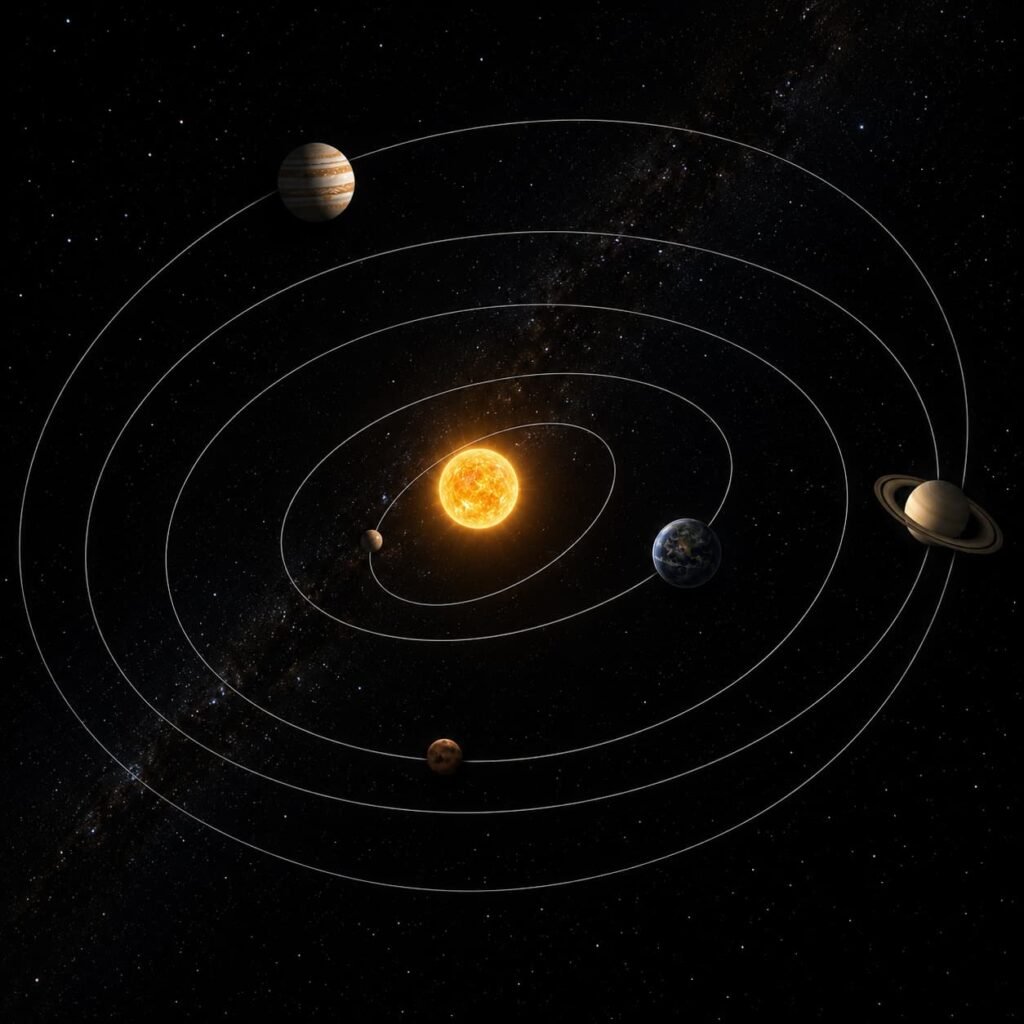
After Tycho Brahe’s death, his assistant Johannes Kepler studied the detailed observations left behind. Instead of assuming planets travelled in perfect circles, Kepler discovered that they move in elliptical orbits, with the Sun located near one end of each ellipse.
Kepler also found that planets move faster when they are closer to the Sun and slower when they are farther away. These discoveries became known as Kepler’s Laws of Planetary Motion. His work greatly improved the heliocentric model and helped explain the true motion of planets.
Galileo Galilei: Evidence Through the Telescope
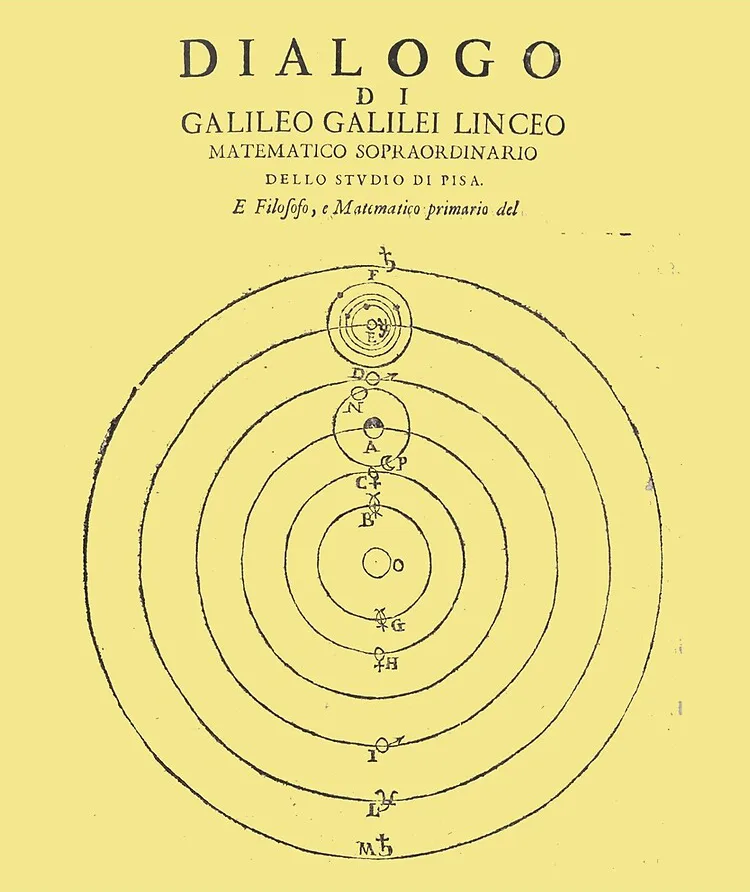
In the early 1600s, Galileo Galilei became one of the first astronomers to use a telescope to study space. His observations transformed astronomy forever.
Galileo discovered four large moons orbiting Jupiter, proving that not everything revolved around Earth. He also observed the changing phases of Venus, which strongly supported the heliocentric model. In addition, he saw mountains on the Moon and dark sunspots on the Sun, showing that heavenly bodies were not the perfect objects many people once believed them to be.
The Modern Solar System Model
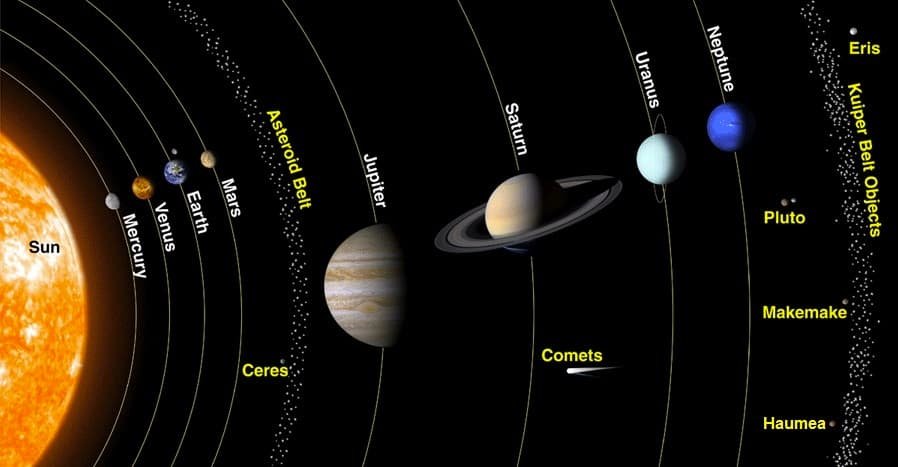
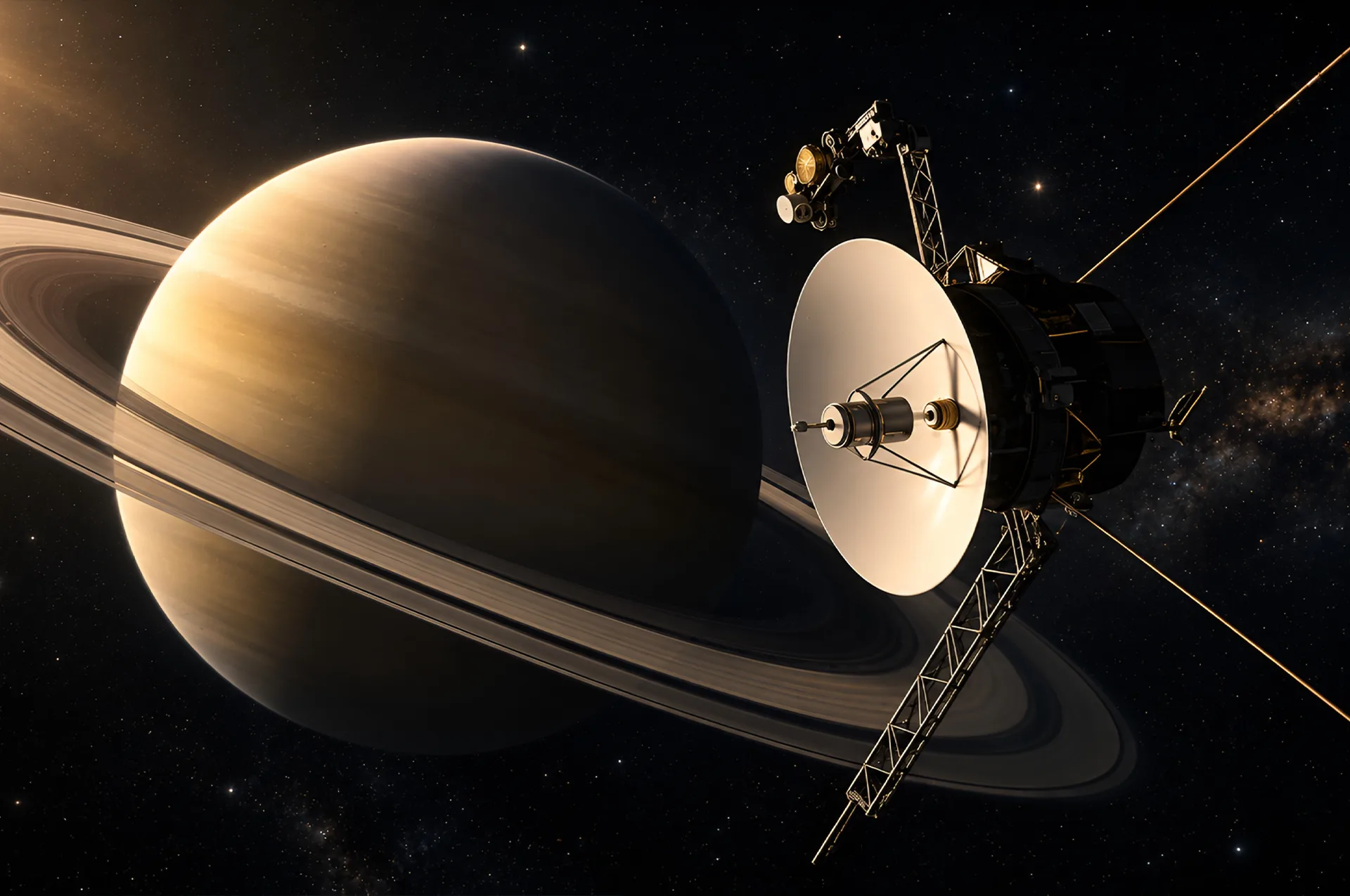
Our understanding of the Solar System continues to grow. The discoveries of Uranus, Neptune, and many dwarf planets expanded the known boundaries of our planetary neighbourhood. In the 20th and 21st centuries, spacecraft such as Voyager, Cassini, Juno, and New Horizons explored planets and moons up close, while space telescopes like Hubble and the James Webb Space Telescope revealed remarkable new details about our cosmic surroundings.
Today, scientists know that the Solar System formed about 4.6 billion years ago from a giant cloud of gas and dust. Although we now have a much clearer picture than astronomers did centuries ago, new discoveries continue to improve our understanding of how the Solar System formed, evolved, and continues to change.
Look Up. Observe Vastness.
LUOV