Credit: NASA
Have you ever wondered how much you would weigh on the Moon or another planet? Weight on Other Planets changes because every world has a different gravitational pull. While your mass always stays the same, your weight depends on the strength of gravity. Stronger gravity makes you feel heavier, while weaker gravity makes you feel lighter.
For example, a person who weighs 70 kilograms on Earth would weigh only about 27 kilograms on Mars but around 176 kilograms on Jupiter.
These differences also affect how you move. On planets with weaker gravity, you could jump higher and carry heavier objects more easily. On worlds with stronger gravity, even simple movements would require much more effort.
Let’s explore how gravity changes your weight on every planet in the Solar System and the Moon.
Why Does Your Weight Change on Other Planets?
Many people think that mass and weight are the same thing, but they are actually different. Mass is the amount of matter in your body and never changes, no matter where you are. Weight is the force of gravity pulling on that mass, so it changes from one world to another.
Each planet has a different amount of mass and size, which creates a unique gravitational pull. Smaller worlds like Mercury and the Moon have weaker gravity, making you feel much lighter. Massive planets like Jupiter have much stronger gravity, making you feel significantly heavier. This change in gravity doesn’t just affect the number on a scale. It also changes how high you can jump, how easily you can lift objects, and even the way you walk.
Weight on Mercury
Credits : NASA
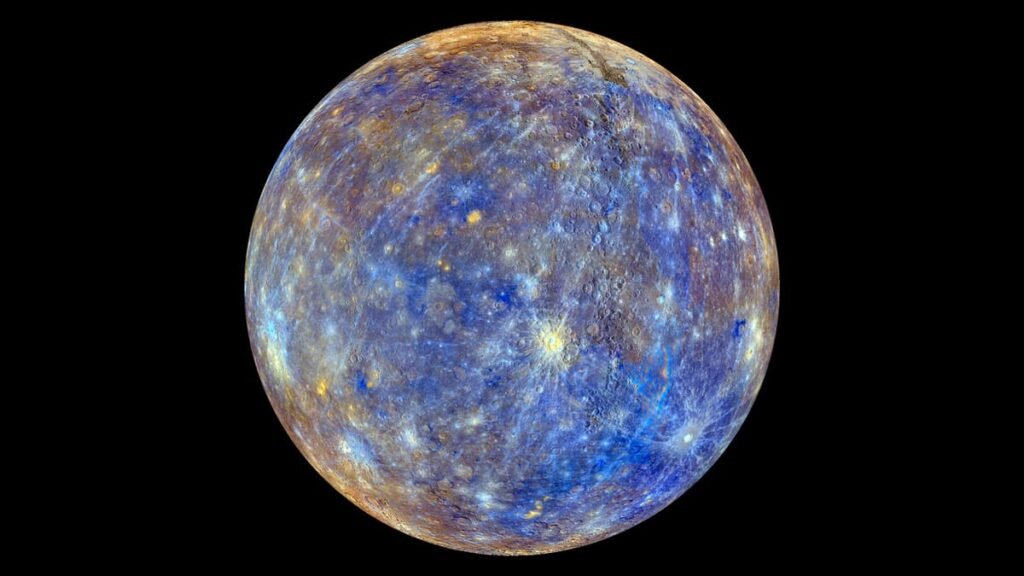
Mercury has only about 38 percent of Earth’s gravity. If you weigh 70 kilograms on Earth, you would weigh only about 27 kilograms on Mercury.
Because Mercury is the smallest planet in the Solar System, it has much less mass than Earth. Its weaker gravity would make walking feel surprisingly easy, and you could jump much higher than you can at home. Every step would feel lighter because the planet would not pull you downward as strongly.
Mercury is also the closest planet to the Sun. Despite this, it has almost no atmosphere to trap heat. During the day, temperatures can rise above 430°C, while nighttime temperatures can fall below minus 180°C. These extreme conditions make Mercury one of the most challenging places in the Solar System.
Weight on Venus
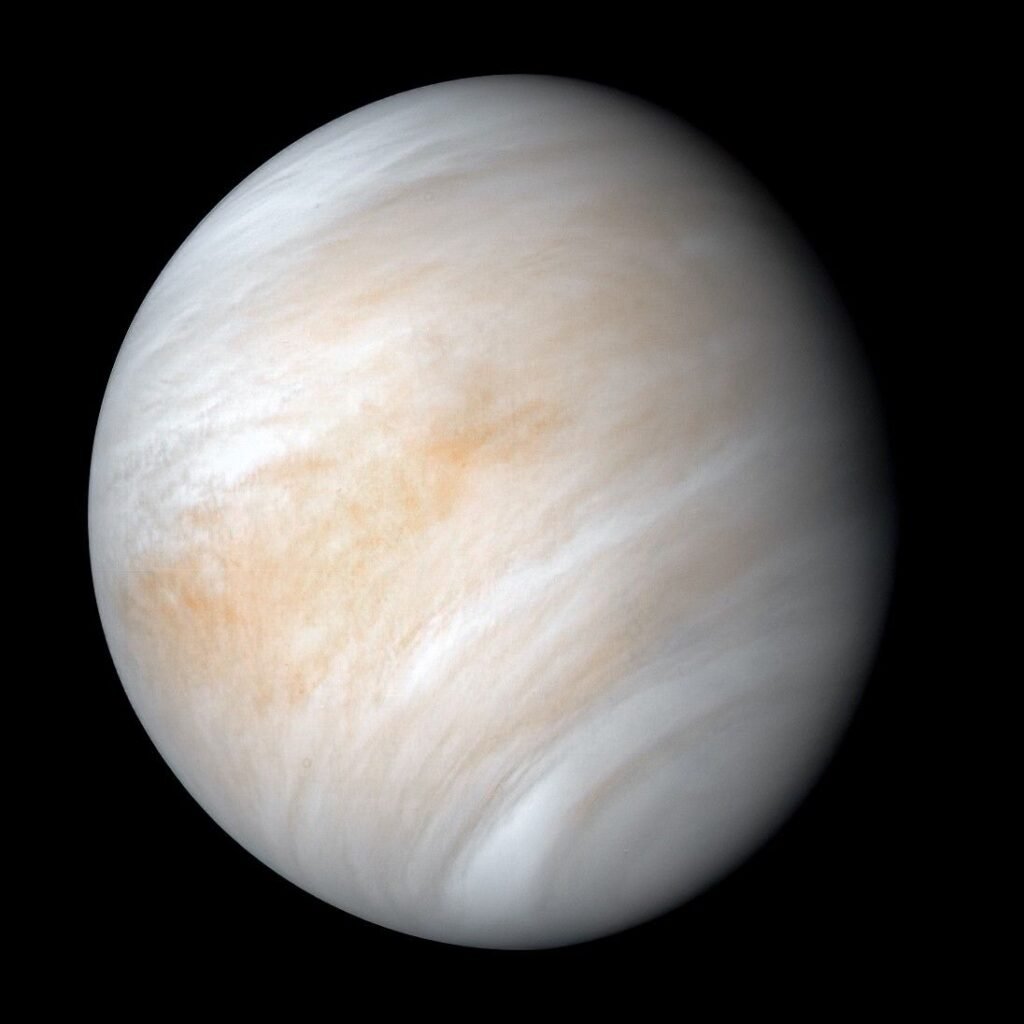
Credits : NASA
Venus has gravity that is very similar to Earth’s, about 91 percent as strong. If you weigh 70 kilograms on Earth, you would weigh about 64 kilograms on Venus.
Your body would feel almost normal under Venusian gravity, so walking and moving around would not be very different from Earth. However, Venus itself is one of the most hostile planets ever discovered.
Its atmosphere is made mostly of carbon dioxide and is nearly 90 times denser than Earth’s atmosphere. This creates a runaway greenhouse effect that makes Venus the hottest planet in the Solar System, with surface temperatures high enough to melt lead.
Weight on Earth
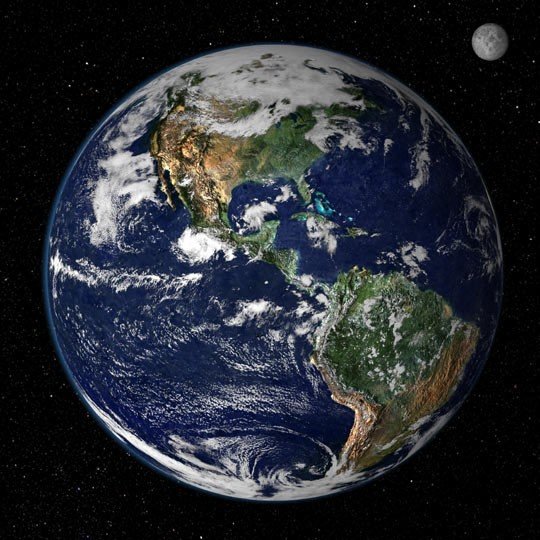
Credits: NASA
Earth has the perfect balance of gravity for life as we know it. Scientists use Earth’s gravity as the standard for comparing every other planet.
Our planet’s gravity keeps the atmosphere from escaping into space, holds the oceans in place, and allows humans, animals, and plants to thrive. Everything we experience every day, from walking to throwing a ball, is influenced by Earth’s gravity.
Weight on the Moon
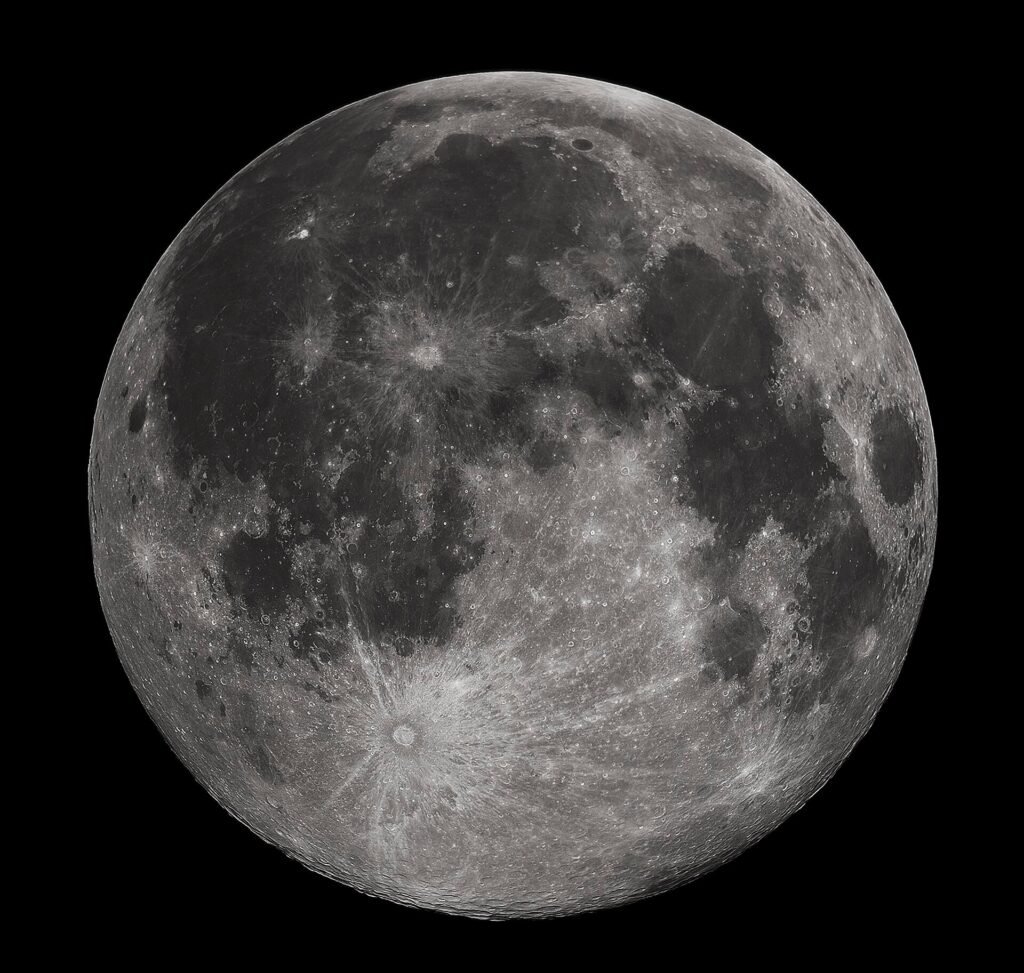
Credit: NASA
The Moon has only about one sixth of Earth’s gravity. If you weigh 70 kilograms on Earth, you would feel as though you weighed only about 12 kilograms on the lunar surface.
This weak gravity is why Apollo astronauts were able to make long, slow jumps across the Moon. Instead of taking normal steps, they often bounced from one foot to the other because each push sent them much farther than it would on Earth.
Although you would feel much lighter, your mass would remain exactly the same. That means stopping suddenly or changing direction would still require effort because your body would keep moving due to its momentum.
Weight on Mars
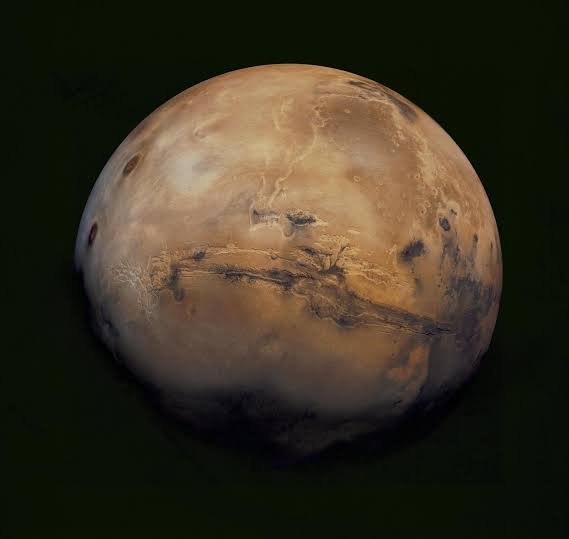
Mars has gravity almost identical to Mercury, about 38 percent of Earth’s. A person weighing 70 kilograms on Earth would weigh around 27 kilograms on Mars.
This lower gravity would make everyday movements much easier. Future astronauts could jump higher, lift heavier equipment, and travel across the Martian landscape with less effort than on Earth.
Mars is also home to Olympus Mons, the largest volcano in the Solar System, and Valles Marineris, a canyon system that stretches for thousands of kilometres. Its lower gravity has allowed these giant geological features to grow much larger than similar formations on Earth.
Weight on Jupiter
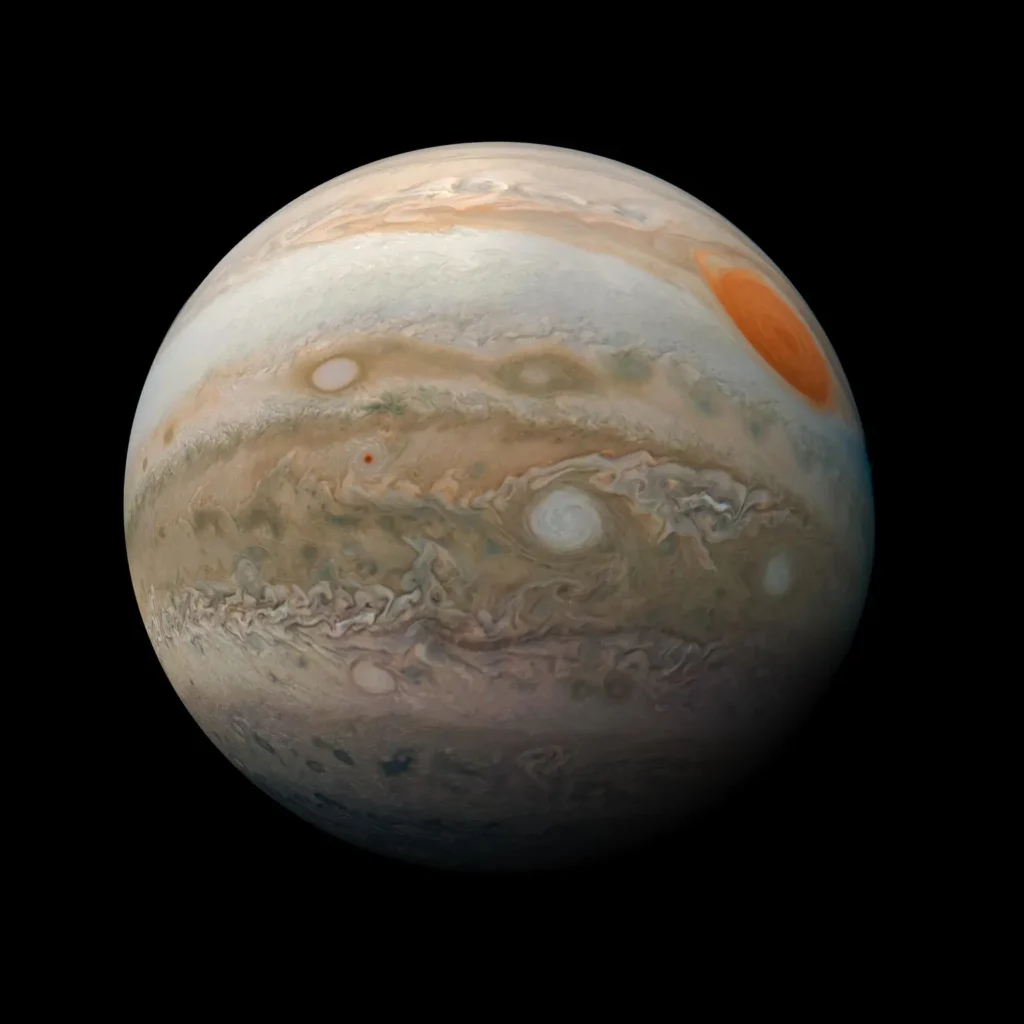
Credit: NASA
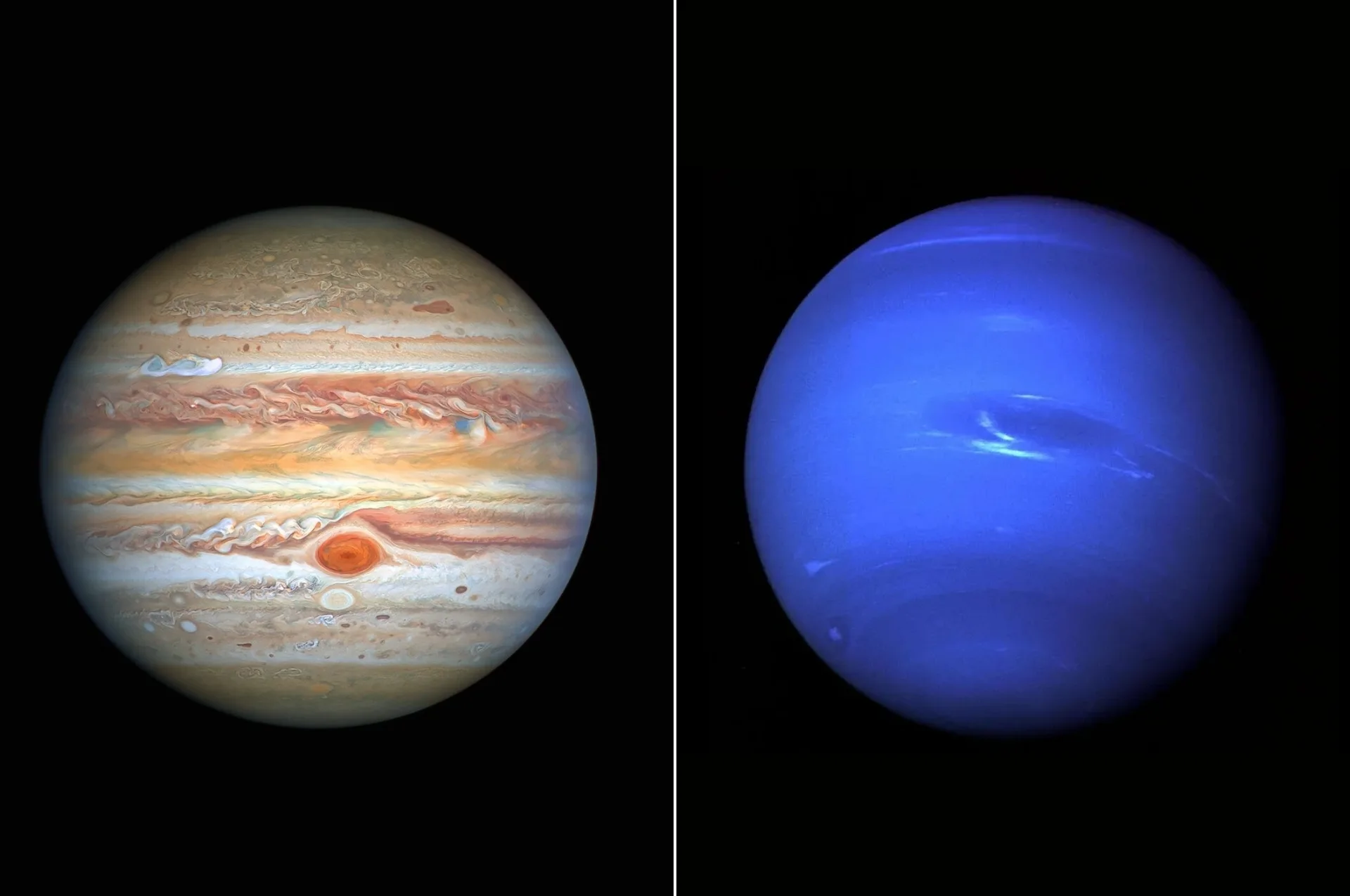
Jupiter has the strongest gravity of all the major planets. At the tops of its clouds, gravity is about 2.34 times stronger than Earth’s. If you weigh 70 kilograms on Earth, you would feel as though you weighed around 176 kilograms.
Walking under such powerful gravity would be exhausting. Every step would require much more strength, and even lifting your arms would feel harder.
In reality, you could never stand on Jupiter because it has no solid surface. It is made mostly of hydrogen and helium gas that gradually becomes denser deeper inside the planet. Jupiter is also famous for the Great Red Spot, a gigantic storm that has been raging for centuries.
Weight on Saturn
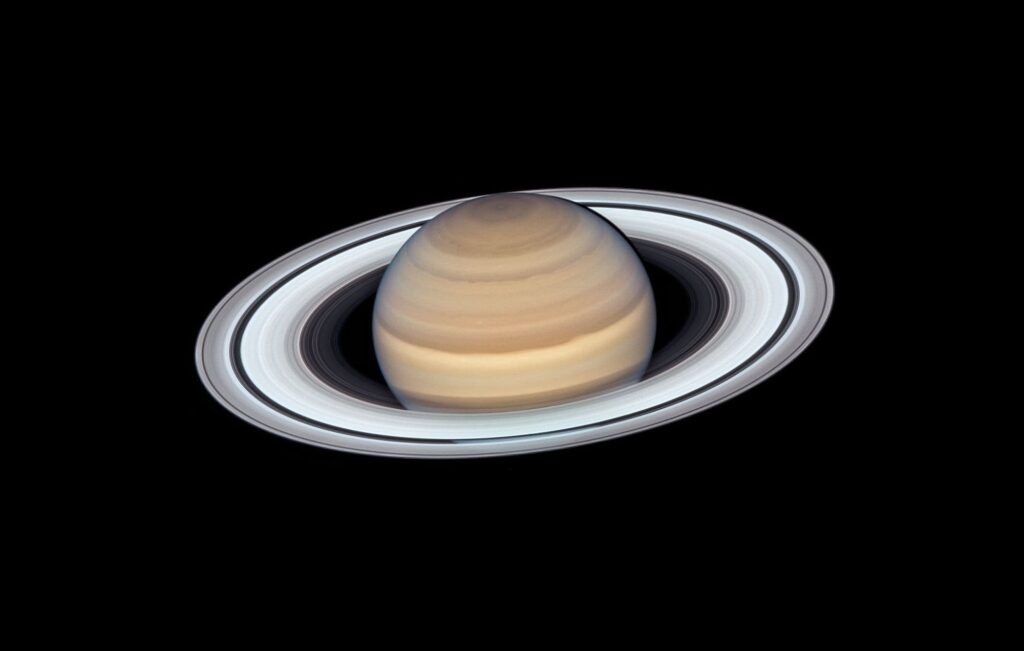
Credit: NASA
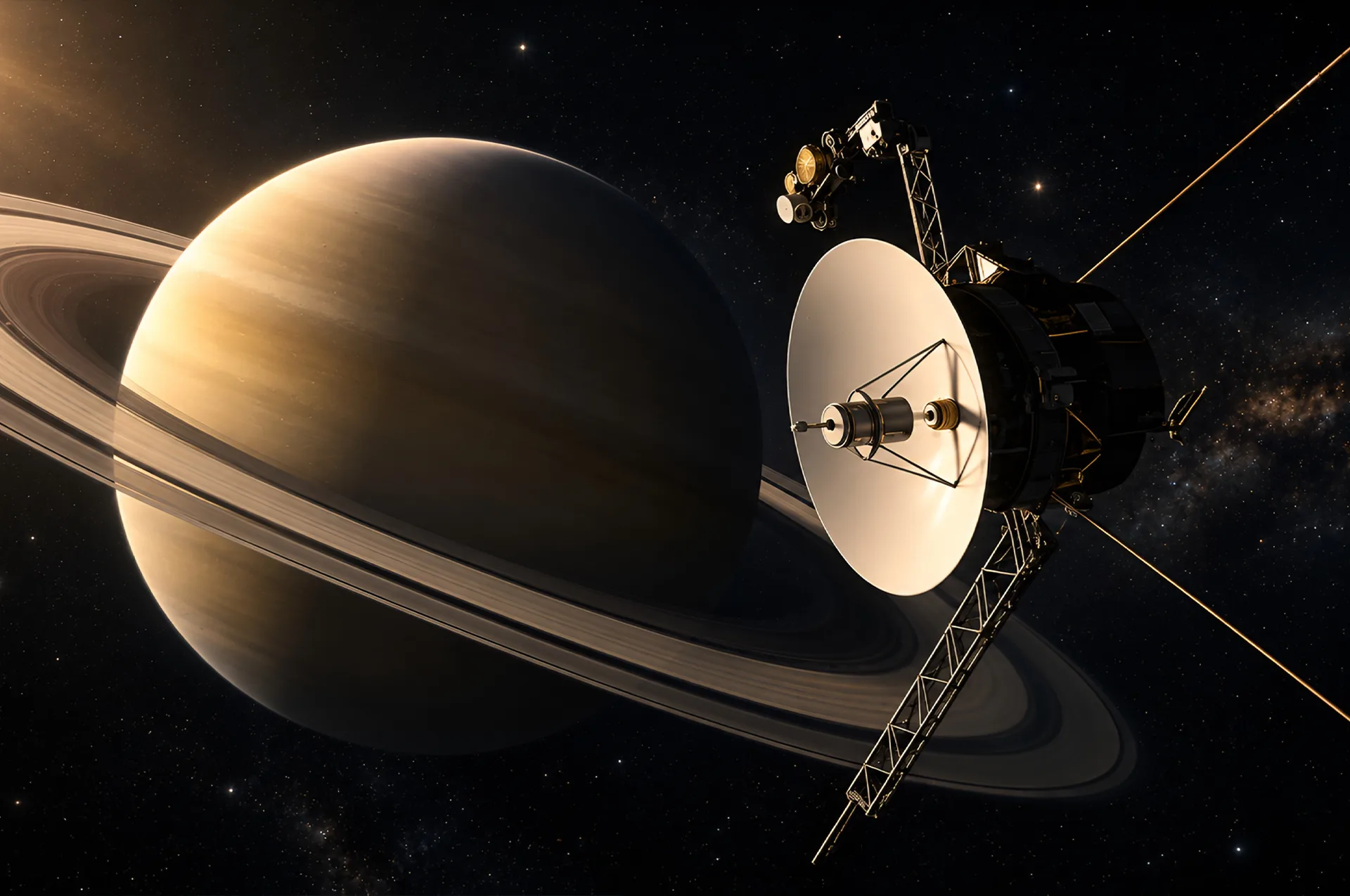
Despite being the second largest planet in the Solar System, Saturn’s gravity is only slightly stronger than Earth’s. A person weighing 70 kilograms on Earth would weigh about 74 kilograms on Saturn.
This surprises many people because Saturn is nearly ten times wider than Earth. However, its low density and enormous size reduce the pull of gravity near its cloud tops.
Like Jupiter, Saturn is a gas giant with no solid surface. It is best known for its spectacular ring system, which is made up of billions of pieces of ice, rock, and dust.
Weight on Uranus
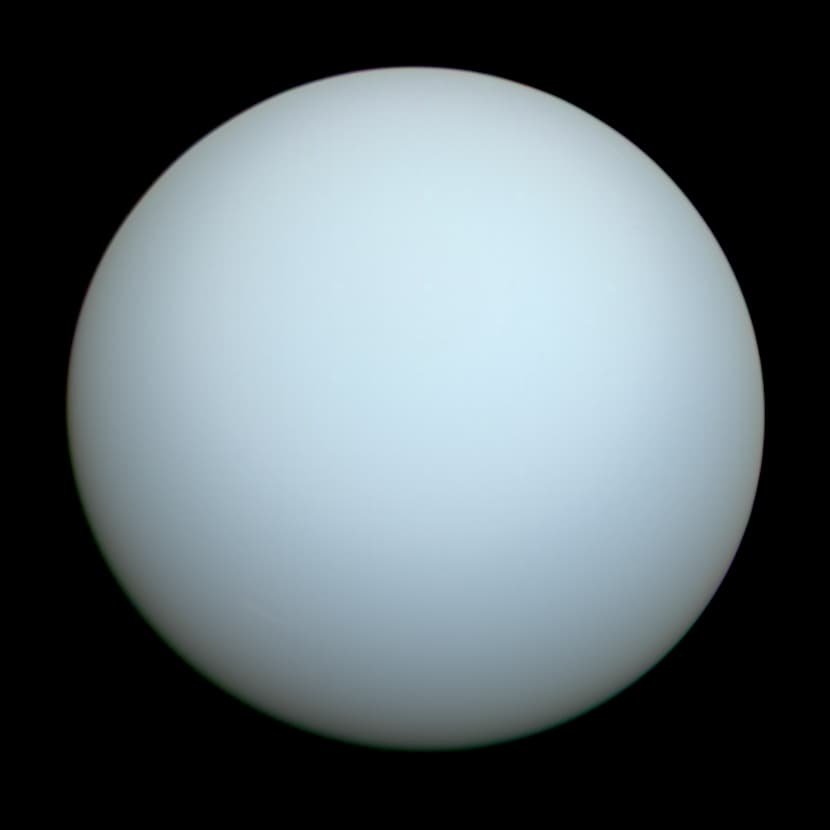
Credit: NASA
Uranus has gravity that is very close to Earth’s, about 92 percent as strong. A person weighing 70 kilograms on Earth would weigh about 64 kilograms on Uranus.
Although you would feel almost the same weight as on Earth, Uranus is an extremely unusual planet. It rotates on its side, making it look as though it rolls around the Sun. Scientists believe a massive collision early in its history may have knocked it over.
Like the other giant planets, Uranus has no solid surface where humans could stand.
Weight on Neptune
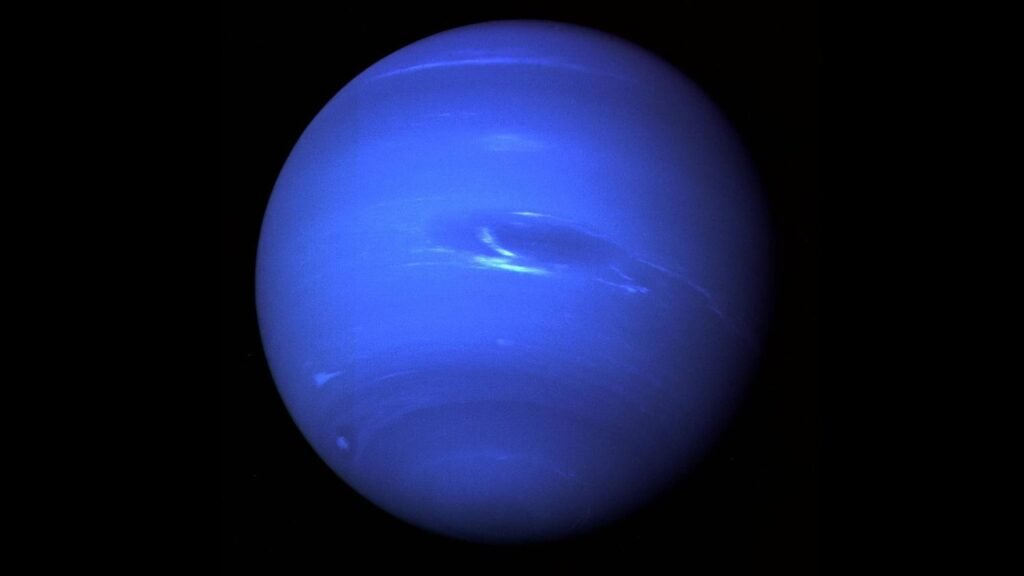
Credit: NASA
Neptune has gravity about 19 percent stronger than Earth’s. A person weighing 70 kilograms on Earth would feel as though they weighed around 83 kilograms on Neptune.
Neptune is the most distant major planet from the Sun and is famous for having some of the fastest winds ever measured in the Solar System. Some storms race through its atmosphere at speeds greater than 2,000 kilometres per hour.
Although Neptune’s gravity is stronger than Earth’s, it is still much weaker than Jupiter’s. Like Uranus, Neptune is an ice giant with no solid surface beneath its thick atmosphere.
Weight on Other Planets reminds us that gravity shapes the way we experience every world in the Solar System. Your mass remains exactly the same wherever you travel, but your weight changes depending on the strength of the local gravity. On the Moon, you could leap across the surface with ease, while on Jupiter you would feel more than twice as heavy. Every planet offers a completely different experience, showing how one invisible force can change the way we move, explore, and one day live beyond Earth.
Look Up. Observe Vastness.
LUOV