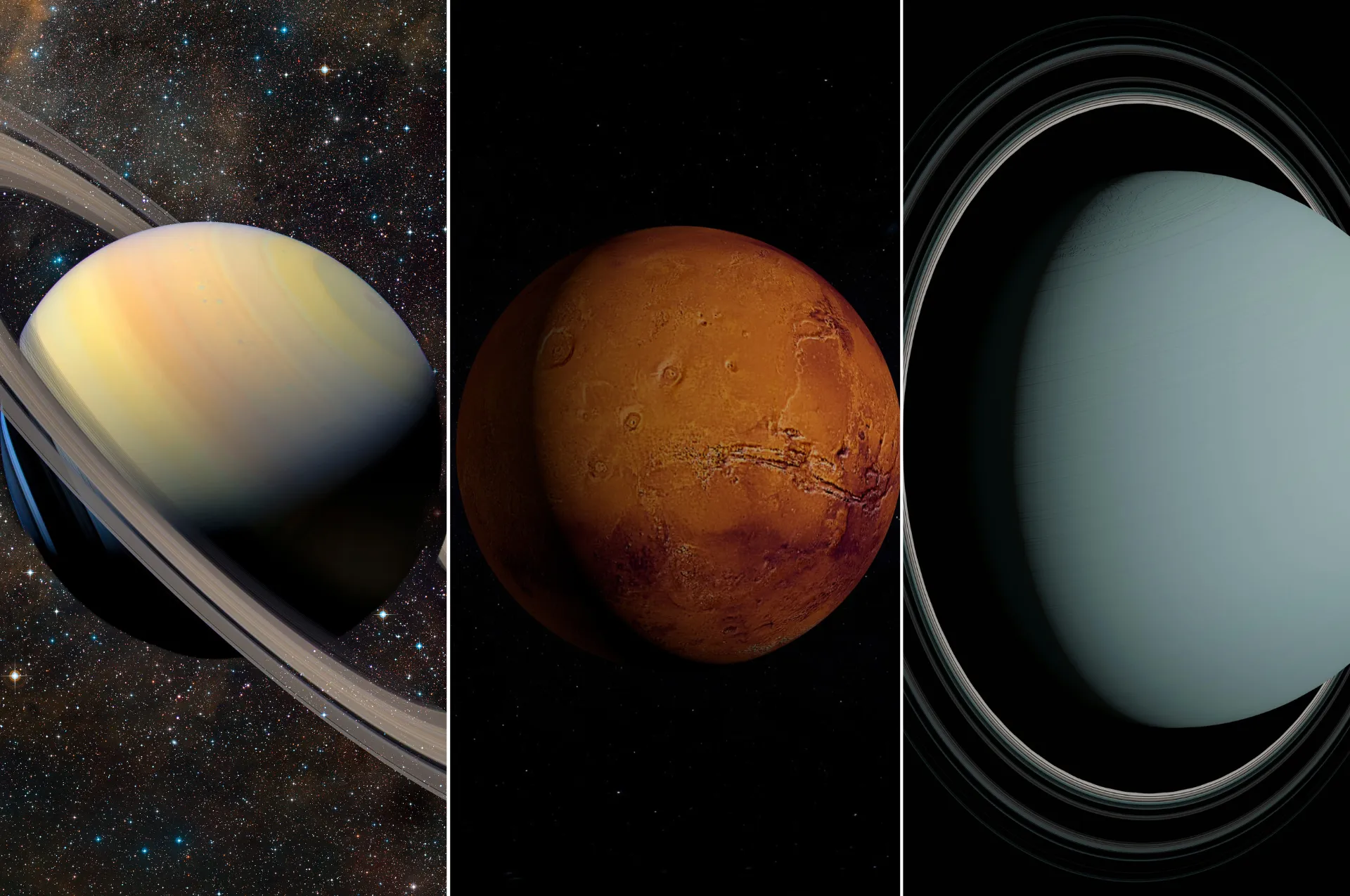
Full Moon Names are some of the oldest sky traditions in human history. Long before clocks and calendars became common, people watched the Moon carefully to understand the changing seasons. Native American tribes, farmers, fishermen, and early settlers gave each Full Moon a special name based on nature, weather, animals, or seasonal events happening during that time of year.
These names were more than simple labels. They helped people survive, prepare for weather changes, and track important farming or hunting seasons. Even today, these ancient moon names continue to connect us with nature and the night sky.
January: Wolf Moon
Credits: Lorenzo Di Cola/NurPhoto/Shutterstock
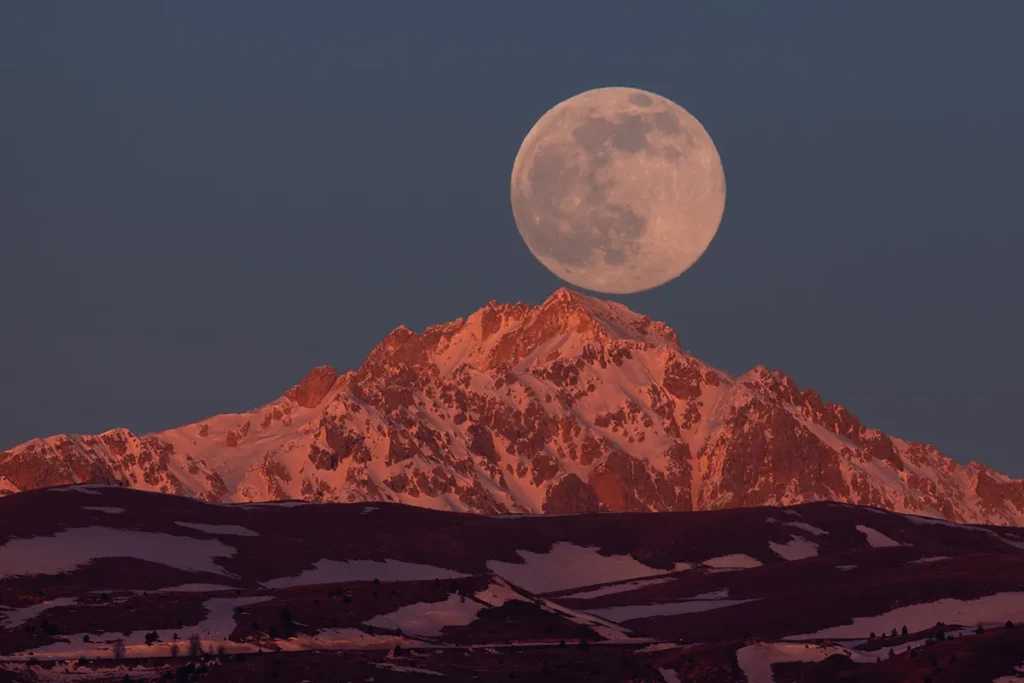
The first Full Moon of the year is called the Wolf Moon. During January’s freezing nights, wolves were often heard howling outside villages and forests. The cold winter air carried their sounds across long distances, making the howls seem even louder and more mysterious.
Many ancient communities believed wolves howled because they were hungry during winter. Modern science shows wolves actually howl to communicate with their pack, protect territory, and locate each other during dark nights. Still, the image of wolves calling beneath a bright Full Moon became deeply connected with January.
February: Snow Moon
Credit: iStockphoto
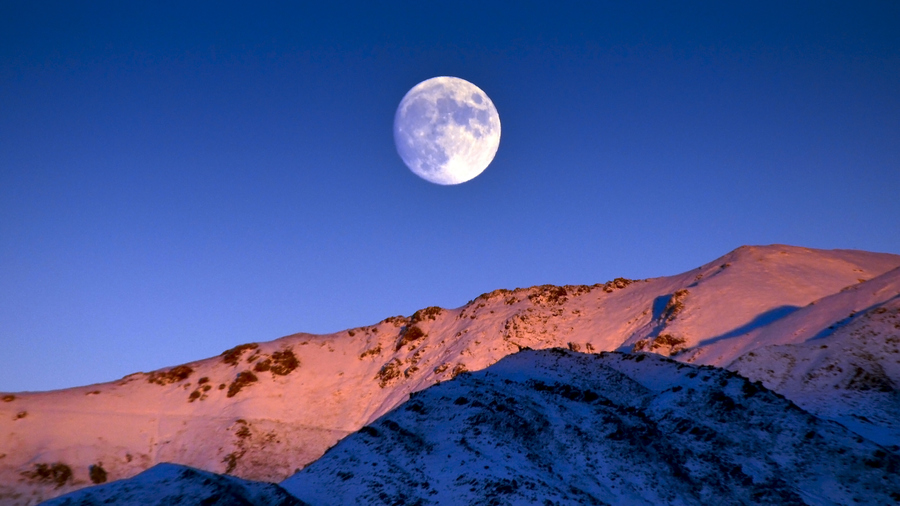
February’s Full Moon is known as the Snow Moon because heavy snowfall is common during this month in many northern regions. Snowstorms often covered forests, rivers, and roads, making travel extremely difficult for early communities.
Some tribes also called it the Hunger Moon because stored food supplies started running low near the end of winter. Hunting became harder, and frozen conditions limited farming and fishing activities. Life during February depended heavily on careful planning and survival skills.
March: Worm Moon
Credit: Getty
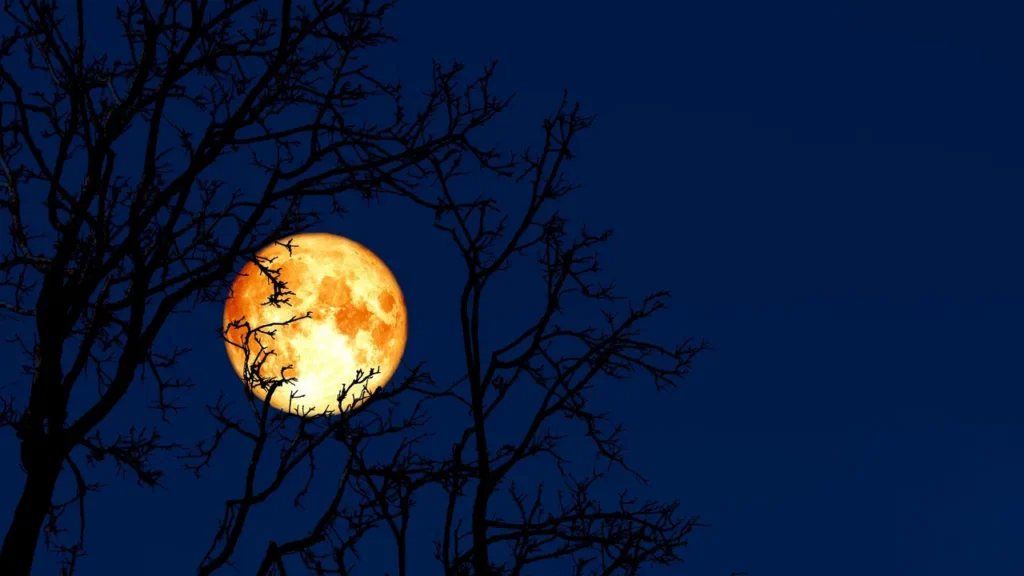
The Worm Moon marks the beginning of spring and the slow return of life after winter. As the ground begins warming, earthworms reappear in the soil, attracting birds and other animals back to the landscape.
This Full Moon symbolized new beginnings for many cultures. Melting snow revealed fresh grass, rivers began flowing again, and farmers started preparing land for planting crops. The Worm Moon became a hopeful sign that winter was finally ending.
Some traditions also linked this moon with migrating birds returning north after months away. Nature slowly waking up made this Full Moon one of renewal and rebirth.
April: Pink Moon
Credit: Canva
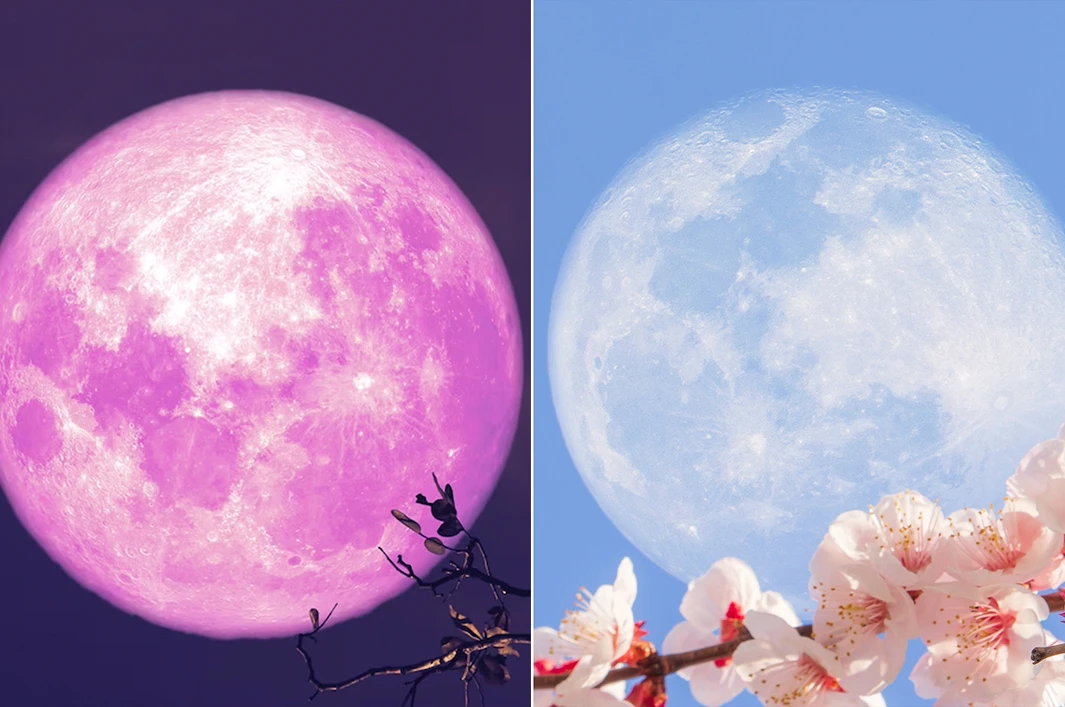
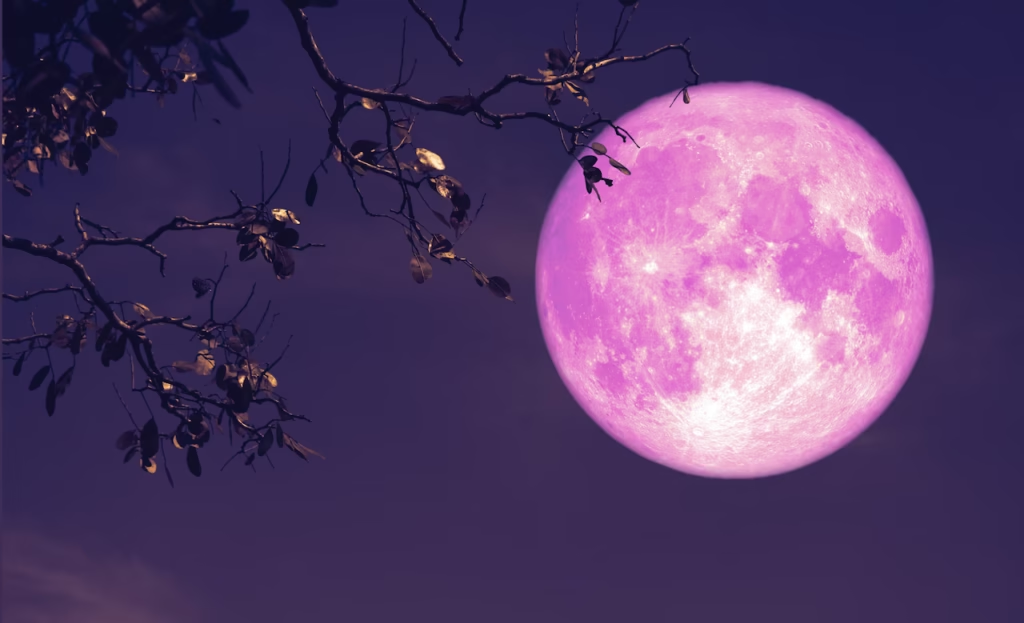
The Pink Moon gets its name from pink wildflowers called moss phlox that bloom during early spring. Despite popular myths online, the Moon itself does not actually turn pink.
This moon became associated with color, warmth, and fresh growth spreading across forests and fields. After months of cold weather, the arrival of flowers brought beauty and energy back into nature.
For many communities, the Pink Moon represented happiness and the return of life to the Earth. It marked a season when animals became more active and trees began growing fresh leaves again.
May: Flower Moon
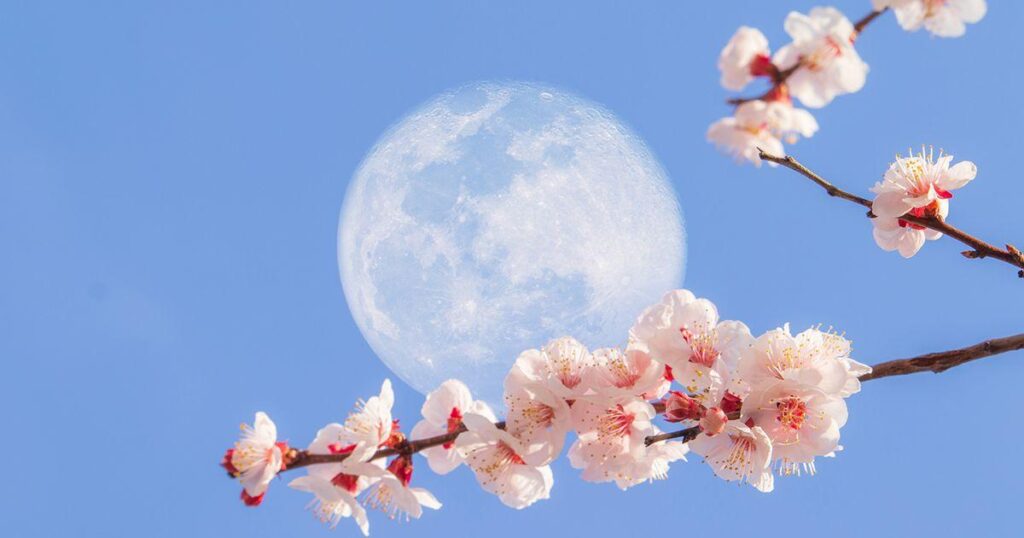
May’s Full Moon is called the Flower Moon because flowers bloom almost everywhere during this time of year. Fields become colorful, gardens fully awaken, and spring reaches its peak.
The Flower Moon symbolized abundance and growth. Farmers viewed it as a sign that planting season had arrived and warmer summer days were approaching. Bees, butterflies, and birds also became more active during this period.
Many ancient cultures celebrated this moon because it reflected nature at its most beautiful stage. The Flower Moon became connected with fertility, life, and the powerful growth of spring.
June: Strawberry Moon
Credit: Gary Hershorn/Contributor via Getty Images
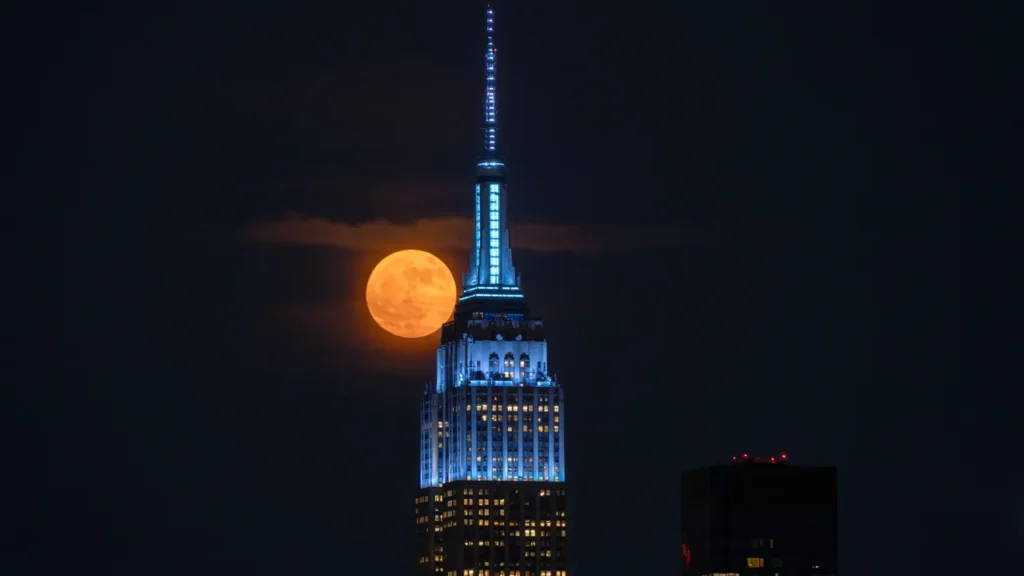
The Strawberry Moon was named after the short strawberry harvesting season in early summer. Native American tribes used this moon to know when wild strawberries were ready to gather.
Although many people believe the Moon turns red or pink during this time, the name actually comes from the fruit harvest itself. In some places, the Moon may appear golden or orange when low on the horizon, creating a beautiful summer view.
July: Buck Moon
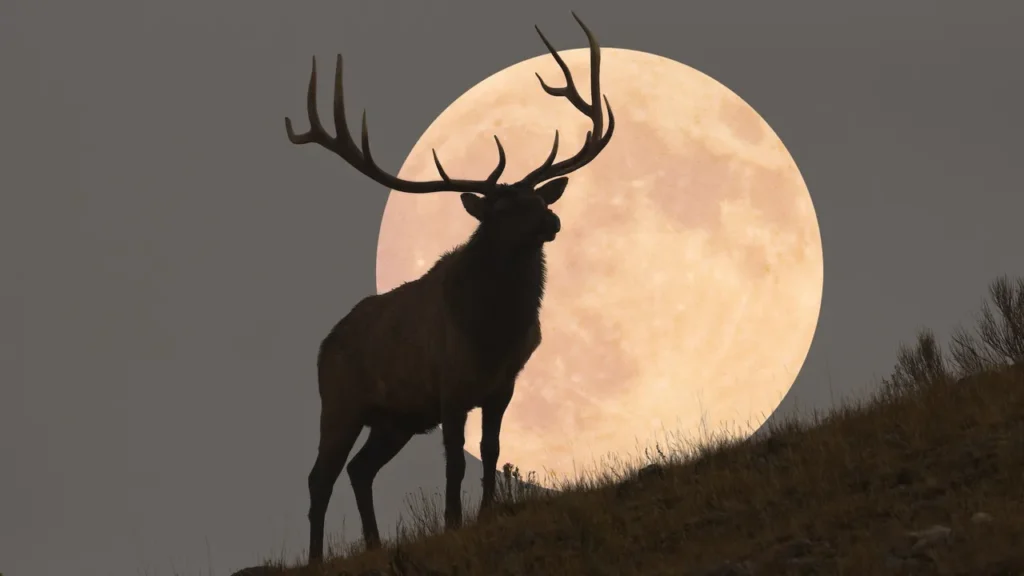
Credit: Image credit: Mark Miller Photos via Getty Images
July’s Full Moon is called the Buck Moon because male deer begin growing new antlers during summer. Every year, bucks shed old antlers and grow larger, stronger ones.
Ancient hunters carefully observed these changes in wildlife. Deer were important sources of food, clothing, and tools for many communities, so tracking their behavior was essential.
The Buck Moon became a symbol of strength, growth, and renewal in nature. It also reflected the rich wildlife activity that filled forests during midsummer.
August: Sturgeon Moon
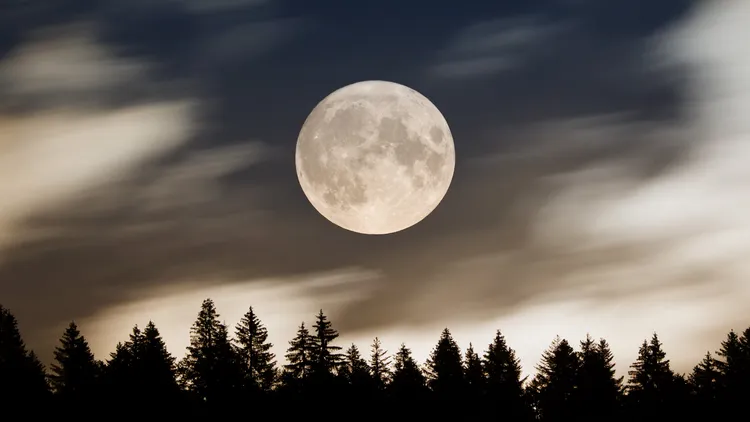
Credit: Christophe Lehenaff/ Getty Images
The Sturgeon Moon was named after giant sturgeon fish commonly caught during late summer. These ancient fish can live for decades and have existed since the time of dinosaurs.
Fishing communities relied heavily on seasonal fish populations for survival. During August, sturgeon were easier to catch in rivers and lakes, making this moon especially important for food gathering.
The Sturgeon Moon represents preparation before autumn arrives. It reminds us how closely ancient people studied rivers, lakes, and animal behavior.
September: Harvest Moon
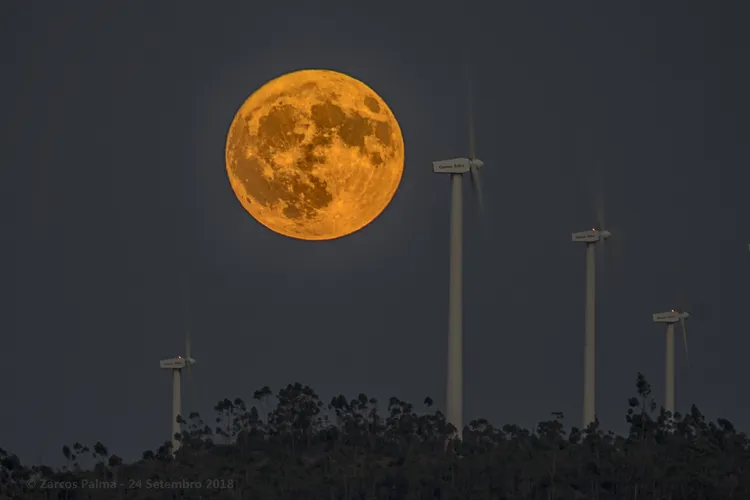
Credit: José Zarcos Palma
The famous Harvest Moon is the Full Moon closest to the autumn equinox. Unlike most Full Moons, it rises shortly after sunset for several nights in a row, giving farmers extra light to work late into the evening.
Before electricity existed, this moon played a major role in helping communities harvest crops before cold weather arrived. Farmers used the moonlight to gather corn, wheat, and other important food supplies.
Because of its importance to farming history, the Harvest Moon remains one of the most well-known Full Moon names today.
October: Hunter’s Moon
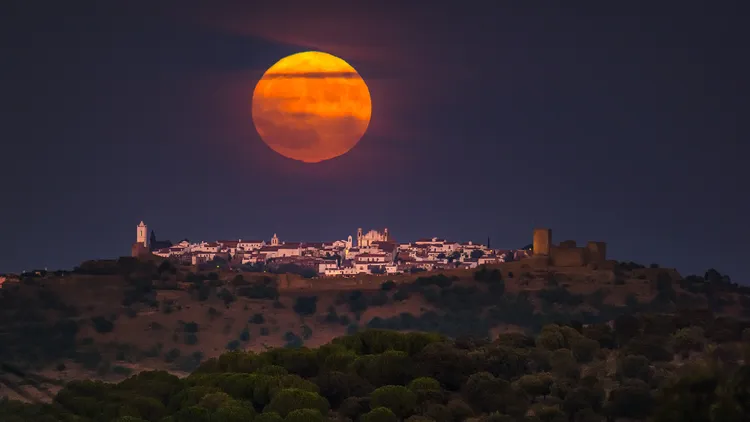
Credit: Miguel Claro
October’s Hunter’s Moon followed the Harvest Moon. After crops were collected, fields became open and easier for hunters to spot animals preparing for winter.
This bright moon provided extra nighttime visibility for hunting deer, foxes, and other animals. Communities gathered meat and supplies before snow and freezing weather returned.
The Hunter’s Moon became associated with preparation, survival, and readiness for the colder months ahead.
November: Beaver Moon
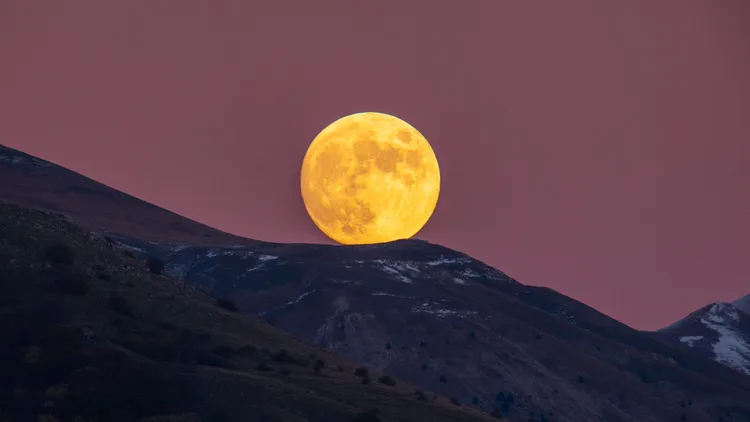
Credit: Lorenzo Di Cola/NurPhoto via Getty Images
The Beaver Moon comes from the time when beavers actively prepared dams and shelters before winter froze rivers and lakes. Hunters also set beaver traps during this season because fur was valuable for warmth.
This Full Moon reflected the final busy period before winter fully arrived. Animals gathered food, forests became quieter, and temperatures rapidly dropped.
The Beaver Moon symbolizes hard work and preparation before nature slows down for winter.
December: Cold Moon
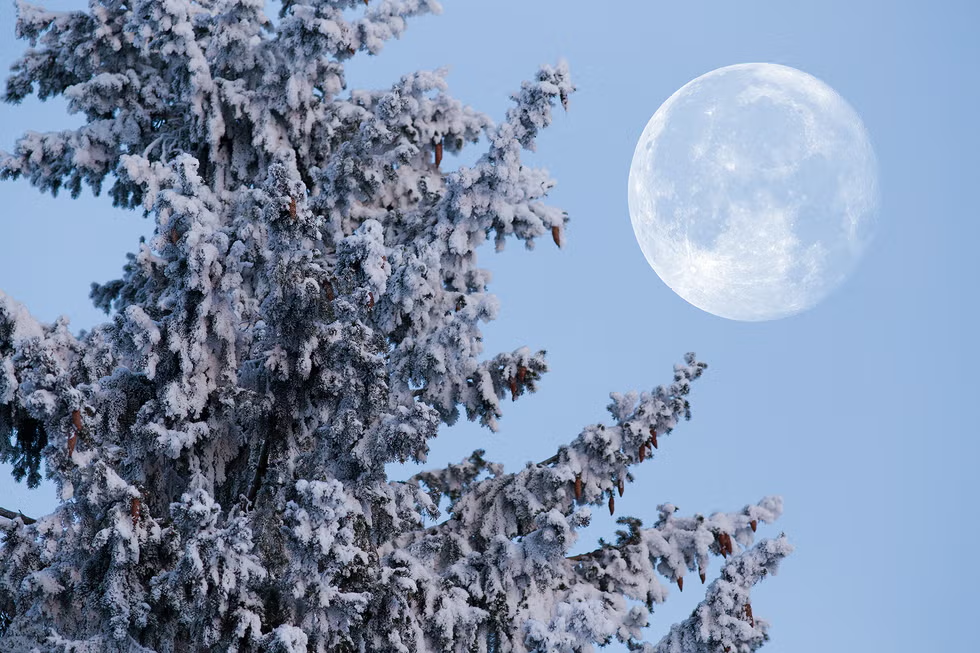
Credit: Sergey Kuznetsov
The final Full Moon of the year is called the Cold Moon because December brings long, freezing nights and some of the coldest weather of the year.
Trees stand bare, animals hide or migrate, and the landscape becomes silent under winter skies. Ancient people spent more time indoors, using stored food and supplies gathered throughout the year.
The Cold Moon represents endings, reflection, and the completion of Earth’s yearly seasonal cycle. It closes the year beneath one final bright winter moon.
Blue Moon: The Rare Extra Full Moon
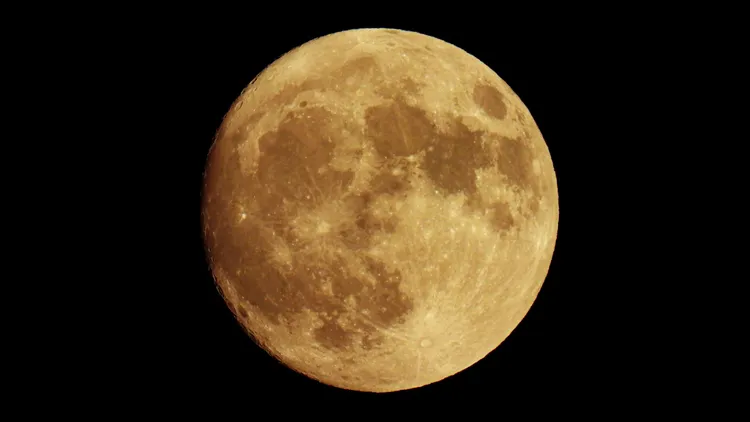
Credit: Fabrizio Villa/Getty Images
The Blue Moon is one of the most famous Moon names, even though the Moon usually does not appear blue. The name is used for a rare extra Full Moon that appears in the calendar cycle.
Most often, a Blue Moon means the second Full Moon occurring within the same month. Because the Moon’s cycle lasts about 29.5 days, this unusual event happens every two or three years.
The phrase “once in a Blue Moon” became popular because the event is uncommon. In very rare cases, volcanic ash or smoke particles in Earth’s atmosphere can make the Moon appear slightly bluish, but this is not the reason behind the name.
The Blue Moon became famous in modern astronomy and popular culture because it represents rarity and something special happening in the night sky.
Today, Full Moon names remain popular among astronomers, photographers, and skywatchers around the world. These names connect modern people with ancient traditions and remind us how closely humans once depended on nature’s rhythms.
Every Full Moon carries a story from the past. Looking at the Moon today means sharing the same sky that inspired generations of farmers, hunters, travelers, and storytellers centuries ago.