Credits: NASA
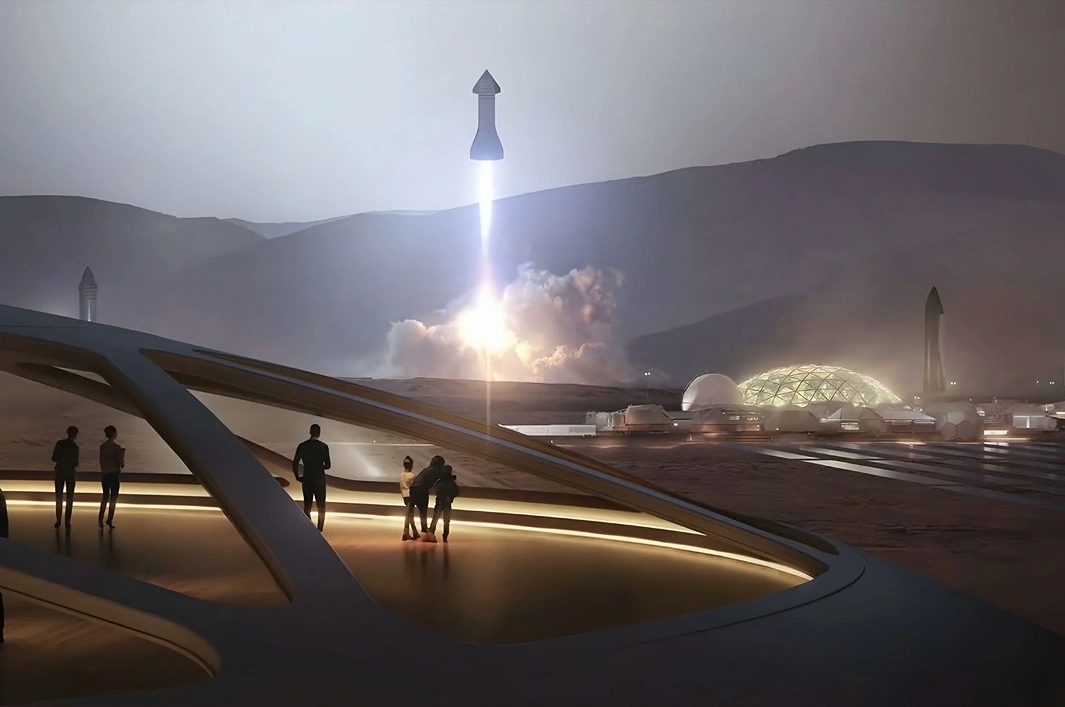
Humans living on Mars may sound like science fiction, but scientists are seriously studying whether people could survive on the Red Planet one day. NASA and other space agencies believe Mars is the best nearby planet for future human exploration because it has water ice, seasons, and a day length similar to Earth.
Still, Mars is far from friendly to human life. The planet has freezing temperatures, dangerous radiation, almost no oxygen, and powerful dust storms. Astronauts would need advanced technology just to stay alive. Even stepping outside would require special spacesuits and protected habitats.
Scientists are now testing systems that could help future astronauts survive there. These include oxygen-making machines, water recycling systems, and small space farms. While humans are not ready to permanently live on Mars yet, every new mission helps researchers understand how it might become possible in the future.
Why Mars Is So Difficult for Humans?
Credits: NASA
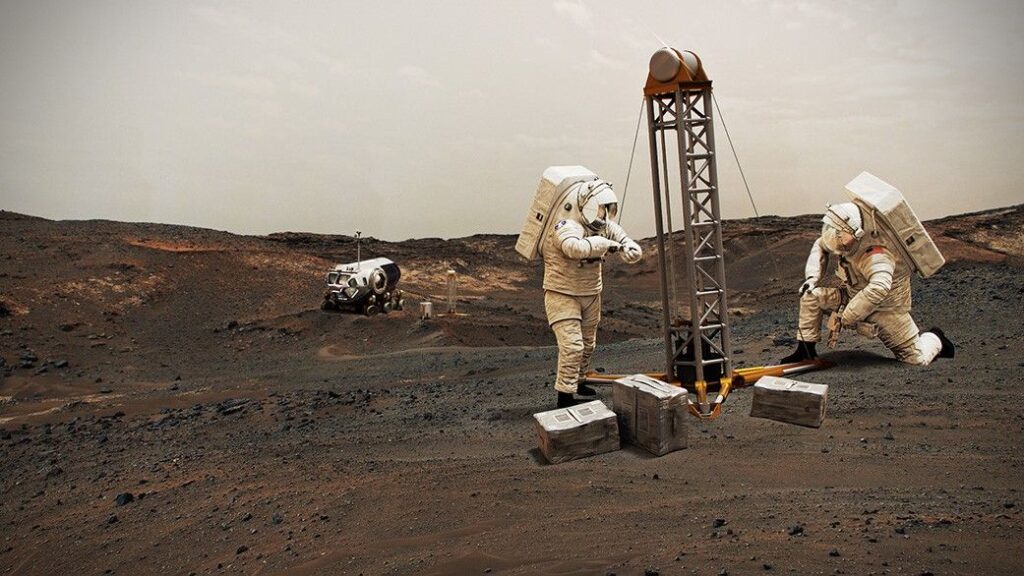
One of the biggest problems with humans living on Mars is the atmosphere. Mars’ air is made mostly of carbon dioxide, with almost no oxygen for humans to breathe. The atmosphere is also much thinner than Earth’s, which means people would instantly need pressurized suits outside their habitats.
Temperatures on Mars are also extremely cold. In winter, some areas can drop below -140°C (-220°F). On top of that, giant dust storms can cover the planet for weeks, blocking sunlight and damaging equipment. Future astronauts would need reliable power sources and heavily protected shelters to survive these harsh conditions.
Radiation is another major challenge. Earth is protected by a magnetic field and thick atmosphere that block harmful space radiation. Mars does not have this protection. Long exposure to radiation could increase health risks such as cancer and damage to the nervous system. Because of this, scientists are studying underground habitats and thick protective walls made from Martian soil.
How Humans Could Survive on Mars?
Credits: NASA
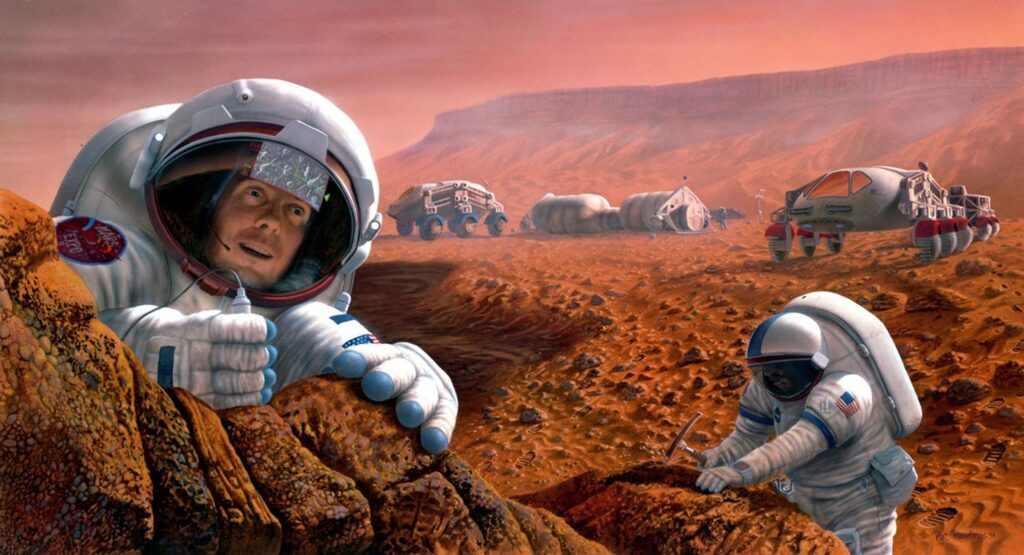
For humans living on Mars to become possible, astronauts would need to create many resources directly on the planet. Bringing everything from Earth would be too expensive and difficult because Mars is millions of miles away.
NASA has already tested a machine called MOXIE on the Perseverance rover. This device successfully produced oxygen from the Martian atmosphere. In the future, similar technology could help astronauts breathe and even create fuel for rockets returning to Earth.
Water may also exist beneath the Martian surface as ice. Future missions could melt this ice for drinking water, farming, and oxygen production. Scientists are also researching ways to recycle nearly every drop of water astronauts use, similar to systems already operating on the International Space Station.
Food production is another important challenge. Astronauts cannot depend only on supply shipments from Earth because missions could last years. Researchers are studying how plants grow in low gravity and controlled environments. Small greenhouses on Mars may someday provide vegetables and fresh food for astronauts.
NASA’s Future Plans for Mars Missions
NASA believes the Moon will help prepare humans for Mars exploration. Through the Artemis missions, astronauts will learn how to survive for long periods in deep space and test technologies needed for future Mars journeys.
Experts think humans could potentially land on Mars sometime in the 2030s or later. Scientists are already running Mars simulations on Earth where volunteers live inside isolated habitats for months to study the mental and physical effects of long missions.
Even though many challenges still exist, research continues to move forward every year. The idea of humans living on Mars is no longer just a movie concept. It is now a real scientific goal that could change humanity’s future forever.