Glacier flow plays a major role in sea level rise because enormous masses of ice slowly move from land toward the ocean. New research suggests this movement may happen faster than some previous models predicted.
Glaciers and ice sheets do not stay still. They slowly move, deform, and release ice into the ocean. This movement plays a major role in how quickly global sea levels increase.
A recent scientific study shows that even small changes in how scientists model glacier behavior can lead to large differences in predictions. The way researchers measure how easily ice flows, known as viscosity, strongly affects estimates of future sea level rise
How Glacier Flow Into the Ocean Works
Glaciers behave more like a thick fluid than a solid block of ice. When pressure increases, the ice becomes softer and flows faster. Scientists describe this using a flow law that explains how ice reacts to stress.
For many years, scientists used a standard value called n equals 3 to describe this behavior. However, newer observations suggest that a higher value close to n equals 4 better matches real glacier movement.
This small change makes a big difference. With a higher value, glaciers respond more strongly to stress, meaning they can speed up faster when conditions change, especially near warmer ocean waters.
Why Glacier Flow Into the Ocean May Be Faster
One key discovery is that glacier flow into the ocean may have been underestimated in older models. When scientists used the lower value, predictions showed less sea level rise compared to models using the updated value.
The study found that sea level rise could be underestimated by about 21 percent to 35 percent over 100 years.
This happens because glaciers with higher sensitivity react more quickly when ice shelves thin or break apart. As these floating ice shelves weaken, the glaciers behind them move faster and push more ice into the ocean.
The Role of Ocean Warming and Ice Shelf Loss
Ocean warming is a major driver of faster glacier movement. Warm water melts ice shelves from below, making them weaker. Ice shelves act like natural barriers that slow down glacier flow.
When these barriers weaken or disappear, glaciers can move more freely into the ocean. The research shows that under extreme conditions, such as rapid ice shelf loss, the difference between older and newer models becomes even larger.
In these cases, glaciers modeled with higher sensitivity show faster retreat and contribute more to rising sea levels.
Why This Matters for Sea Level Rise Predictions
Understanding glacier flow into the ocean is essential because it directly affects global sea levels. Millions of people living in coastal areas depend on accurate predictions for future planning.
The study also shows that models can match current observations even when they use incorrect assumptions. This means errors may not appear immediately but can lead to bigger problems in long term forecasts.
In simple terms, predictions may look correct today but still be inaccurate about the future.
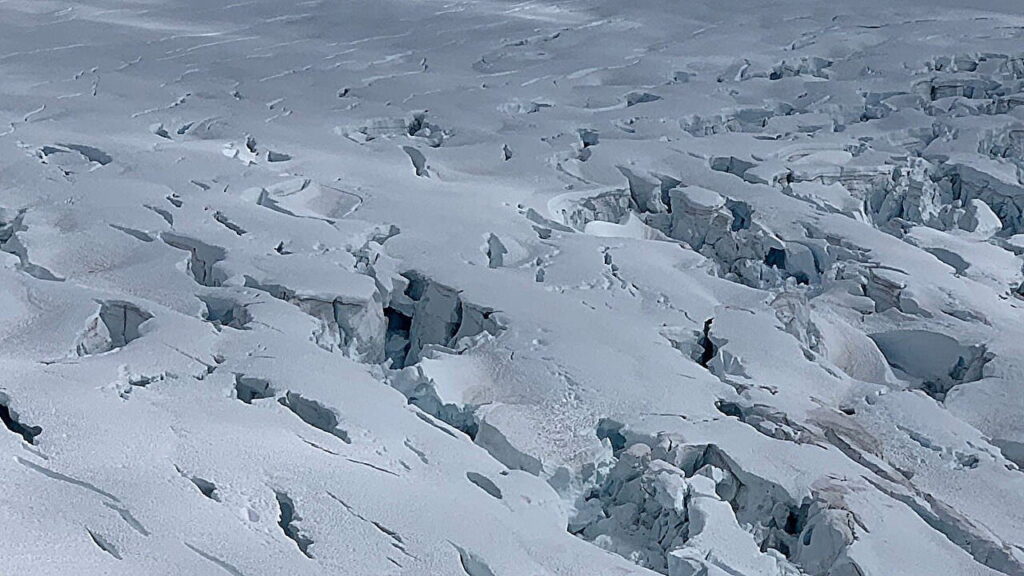
A glacier’s surface crevasses, seen here, form in response to faster flow and higher stresses.
New research found that a key modeling variable may be causing scientists to underestimate ice flow.
Credit: J. Millstein
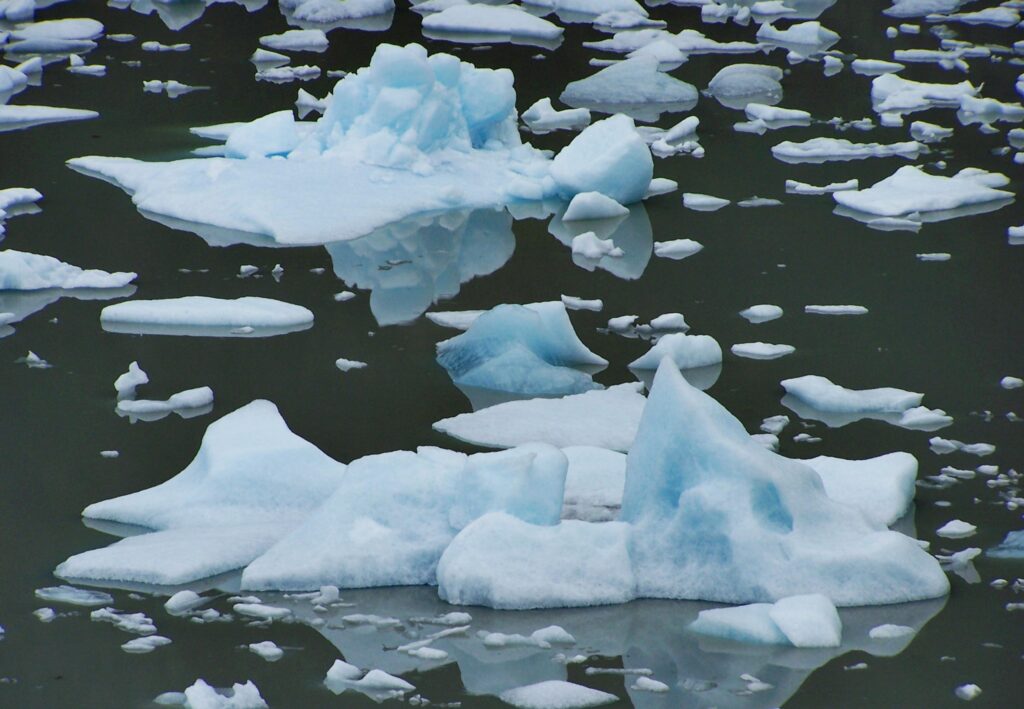
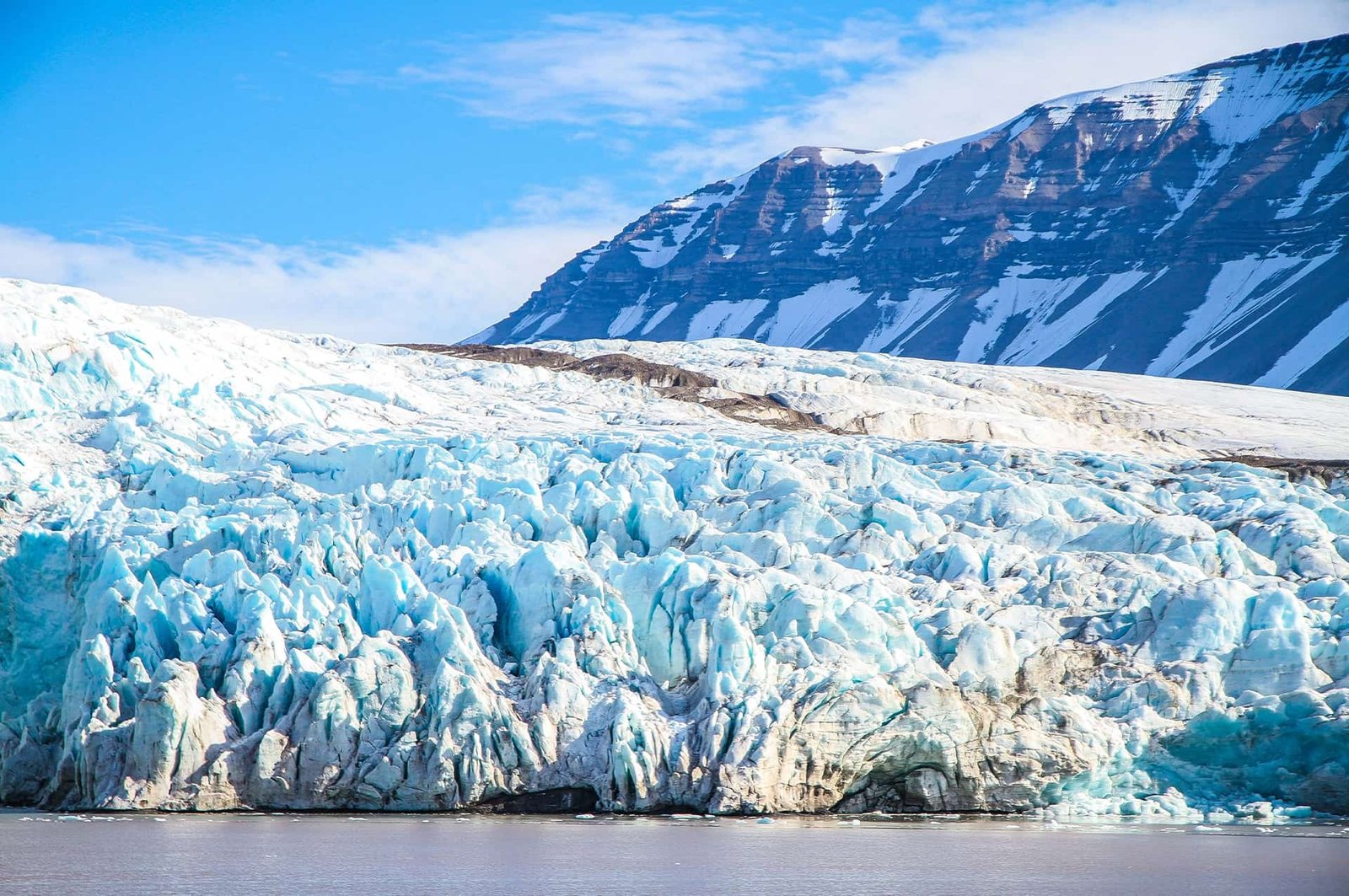
Floating Icebergs On Ocean
Credit: Tom D’Arby / pexels