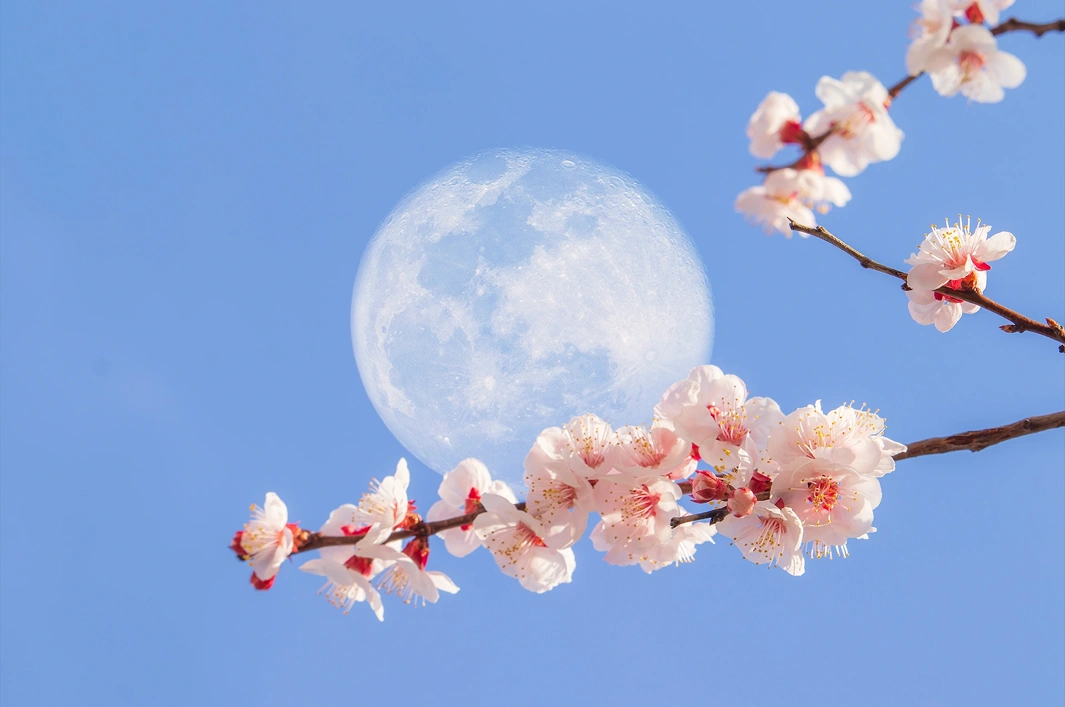
A bright full moon shining above blooming spring flowers, symbolizing growth and renewal.
Credit: Unsplash
Full Moon 2026: May to December Overview
The Full Moon 2026 calendar from May to December offers a fascinating mix of seasonal beauty, cultural meaning, and rare lunar events. Each full moon has a unique name based on nature, farming cycles, and traditional observations. These names were used for centuries to track time and understand seasonal changes.
May 1 – Flower Moon
May 31 – Blue Moon (Micromoon)
June 29–30 – Strawberry Moon (Micromoon)
July 29 – Buck Moon
August 28 – Sturgeon Moon (Partial Eclipse)
September 26 – Harvest Moon
October 26 – Hunter’s Moon
November 24 – Beaver Moon (Supermoon)
December 24 – Cold Moon (Supermoon)
This period is especially exciting because it includes rare events like a Blue Moon, a lunar eclipse, and bright supermoons.
Upcoming Full Moon 2026: Meaning and Stories Behind Each Moon
Flower Moon (May 1)
A bright full moon shining above blooming spring flowers, symbolizing growth and renewal.
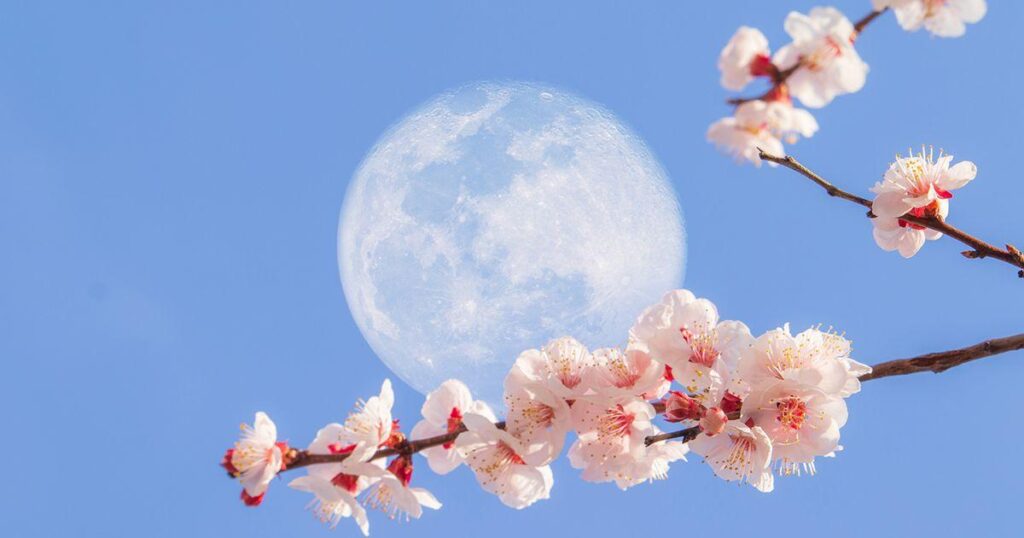
Credit: Unsplash
The Flower Moon marks the peak of spring when flowers bloom across many regions. Fields, forests, and gardens come alive with color, making this one of the most vibrant times of the year. It symbolizes growth, beauty, and new beginnings.
This name comes from Native American traditions, where each full moon was linked to seasonal changes. In May, the abundance of blossoms made “Flower Moon” the perfect name. It also reflects a time when temperatures rise, days grow longer, and nature is fully active again.
Blue Moon (May 31)
A glowing full moon in a clear sky, representing the rare second full moon in a month.
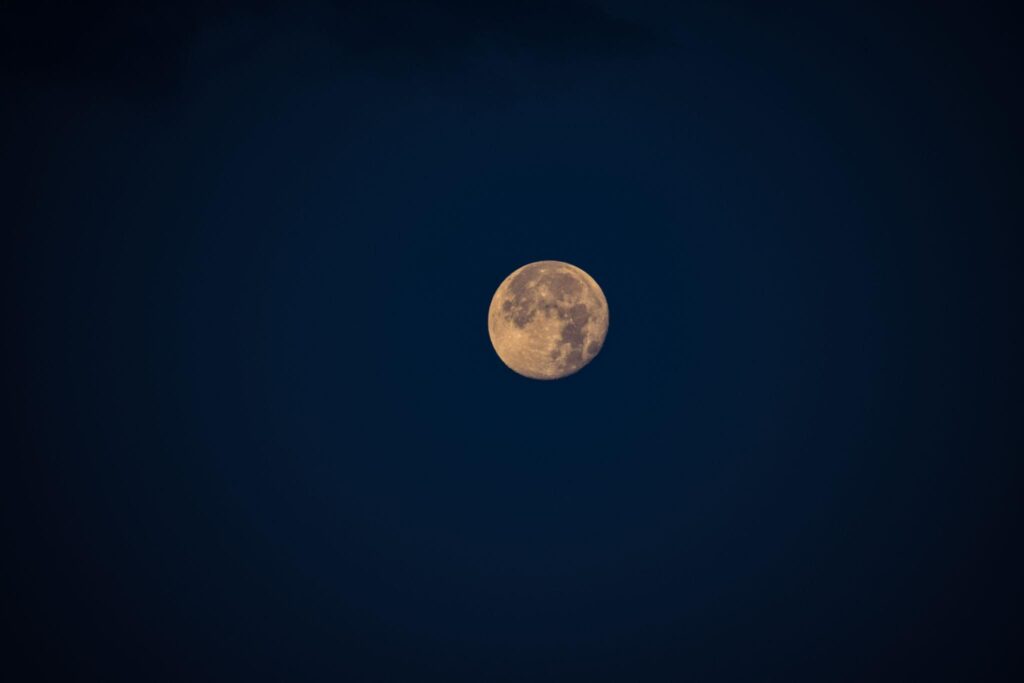
Credit: Pexels
Later in the same month, the Full Moon 2026 presents a rare Blue Moon on May 31. A Blue Moon occurs when there are two full moons in a single calendar month, which does not happen often. This makes it a special event for skywatchers.
Despite its name, the Moon does not actually turn blue. The term “Blue Moon” is simply used to describe its unusual timing.
In 2026, this Blue Moon is also a Micromoon, meaning the Moon is at its farthest point from Earth in its orbit. Because of this, it appears slightly smaller and dimmer than a typical full moon. The difference is subtle, but careful observers may notice it, especially when comparing it to a supermoon later in the year.
Even though it is smaller, it is still a beautiful sight and a reminder of how the Moon’s distance from Earth changes over time.
Strawberry Moon (June 29–30)
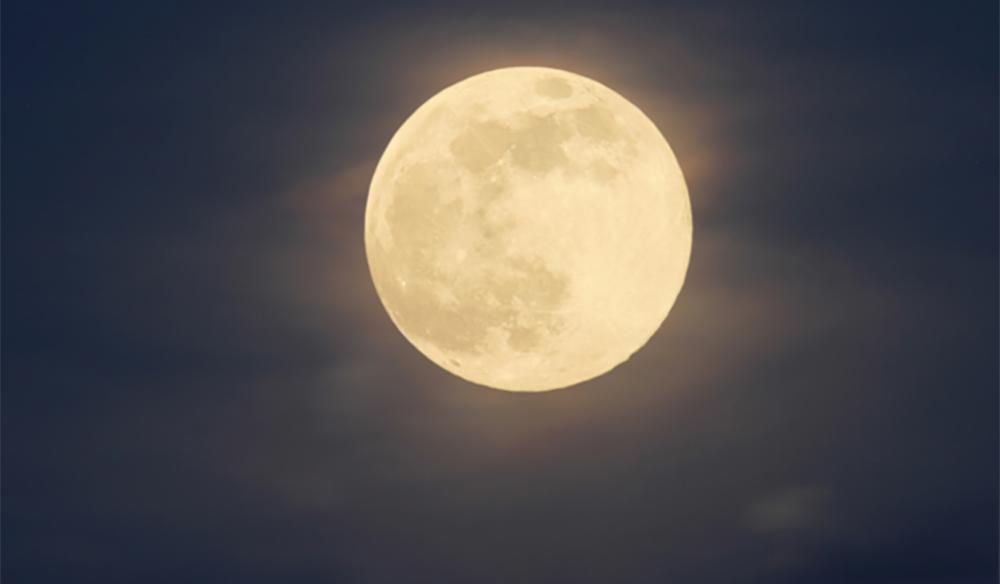
A warm-toned full moon near the horizon, often appearing slightly orange.
Credit: Unsplash
The Strawberry Moon signals the short season for harvesting wild strawberries. Native American tribes used it as a natural calendar marker to gather ripe fruit. The name doesn’t mean the Moon looks red, but it reflects this important early summer harvest.
This full moon also marks a time of longer days and growing abundance in nature. When it rises low in the sky, it may appear slightly warm or golden due to the atmosphere.
In the Full Moon 2026 calendar, it is also a Micromoon, meaning the Moon is farther from Earth and appears slightly smaller and dimmer than usual.
Buck Moon (July 29)
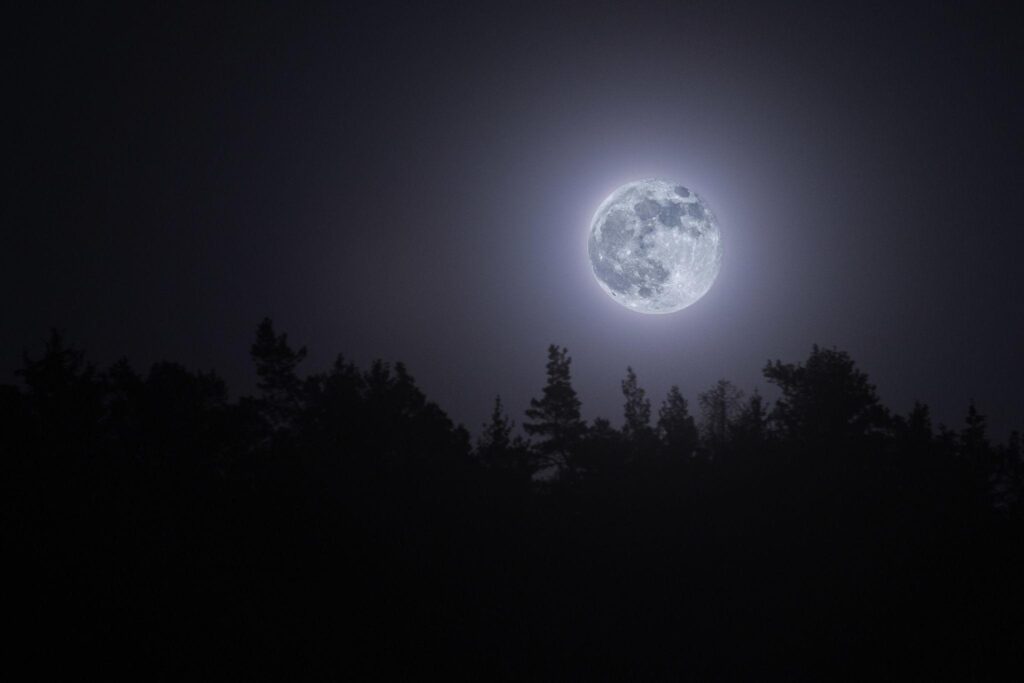
A full moon rising behind a forest with a deer silhouette.
Credit: Pexels
The Buck Moon is named after male deer (bucks) that begin growing new antlers during mid-summer. This natural cycle represents strength, growth, and renewal, as new antlers form each year and continue to develop through the season.
July’s full moon is often bright and clear, making it a great time for skywatching. It rises during warm summer nights when the sky is usually stable and easy to observe.
The Buck Moon also reflects the peak of summer, when wildlife is most active and nature is at its fullest, making it one of the most lively and vibrant full moons of the year.
Sturgeon Moon (August 28)
Credit: Pexels
The Sturgeon Moon is named after the large sturgeon fish that were commonly caught in lakes during late summer. This made it an important time for fishing communities, especially in North America.
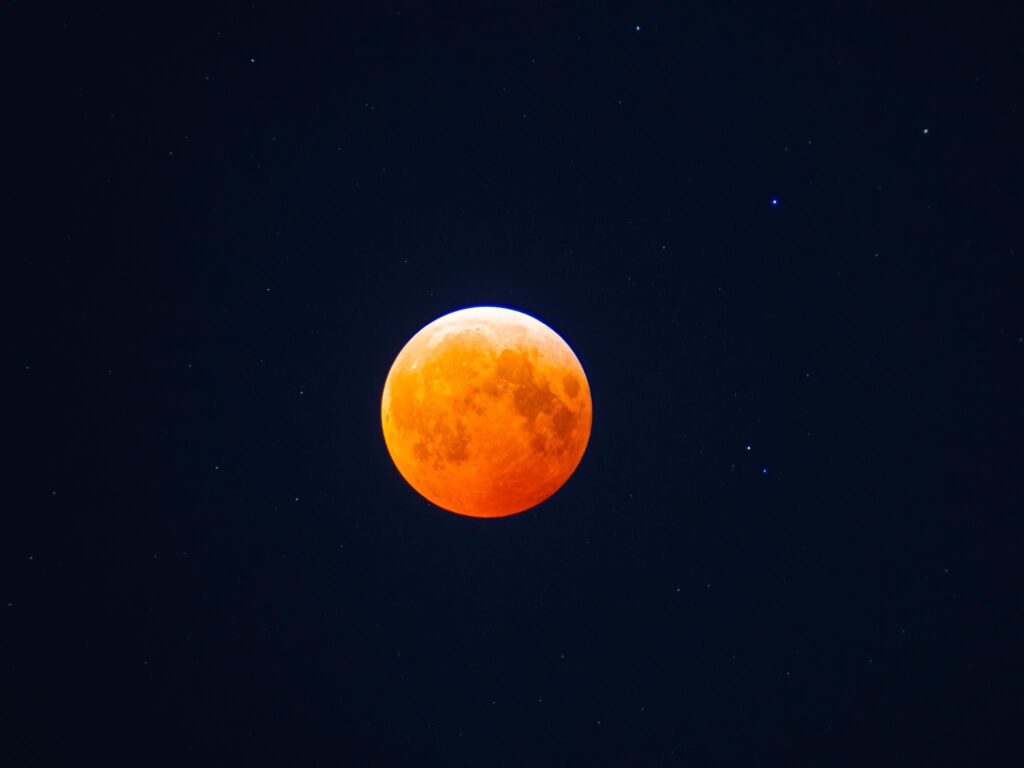
In 2026, this full moon is especially notable because it includes a partial lunar eclipse. During this event, Earth’s shadow covers part of the Moon, causing a darker area and sometimes a faint reddish tint.
This combination makes the Sturgeon Moon one of the most interesting full moons of the Full Moon 2026 calendar, offering a unique viewing experience for skywatchers.
Harvest Moon (September 26)
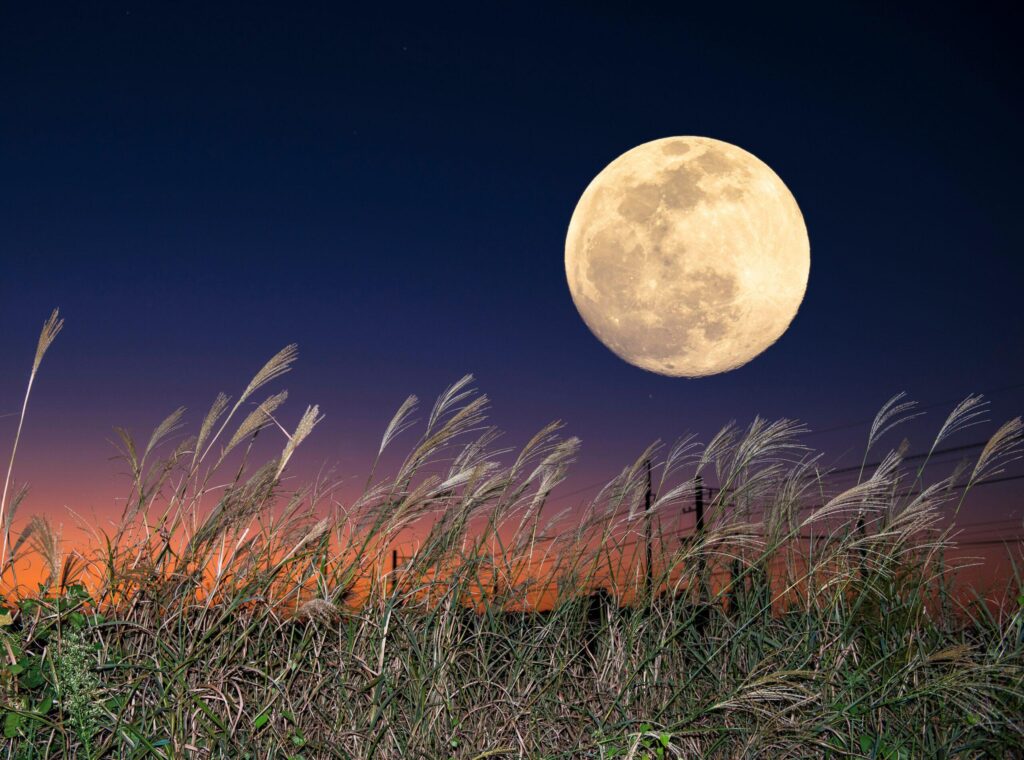
A golden full moon rising over farmland during autumn.
Credit: Pexels
The Harvest Moon is the full moon closest to the autumn equinox. It rises soon after sunset for several nights in a row, providing extra light in the evening sky.
This made it especially useful for farmers, who used the bright moonlight to harvest crops late into the night before winter arrived.
The Harvest Moon is often seen as one of the most beautiful full moons of the year, sometimes appearing large and golden when it is low on the horizon due to atmospheric effects.
Hunter’s Moon (October 26)
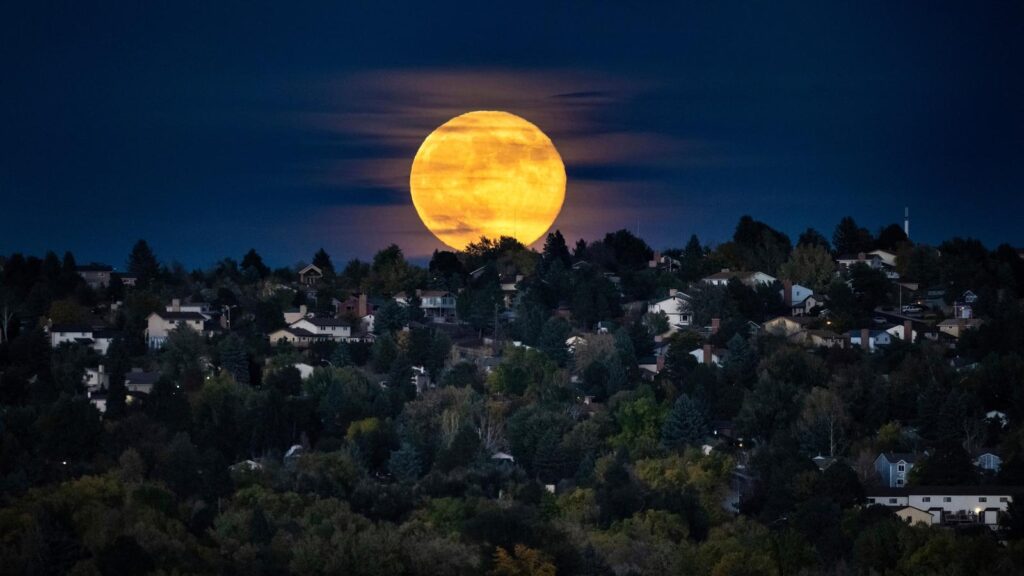
A deep orange moon glowing above autumn trees.
Credit: Unsplash
The Hunter’s Moon follows the Harvest Moon and marks a time when animals are active and preparing for winter. The bright moonlight made it easier for hunters to track and gather food before the colder months arrived.
It rises soon after sunset, providing clear and steady light in the evening sky.
The Hunter’s Moon is often seen as warm or orange when low on the horizon, adding to its strong autumn atmosphere and making it a great time for skywatching.
Beaver Moon (November 24)
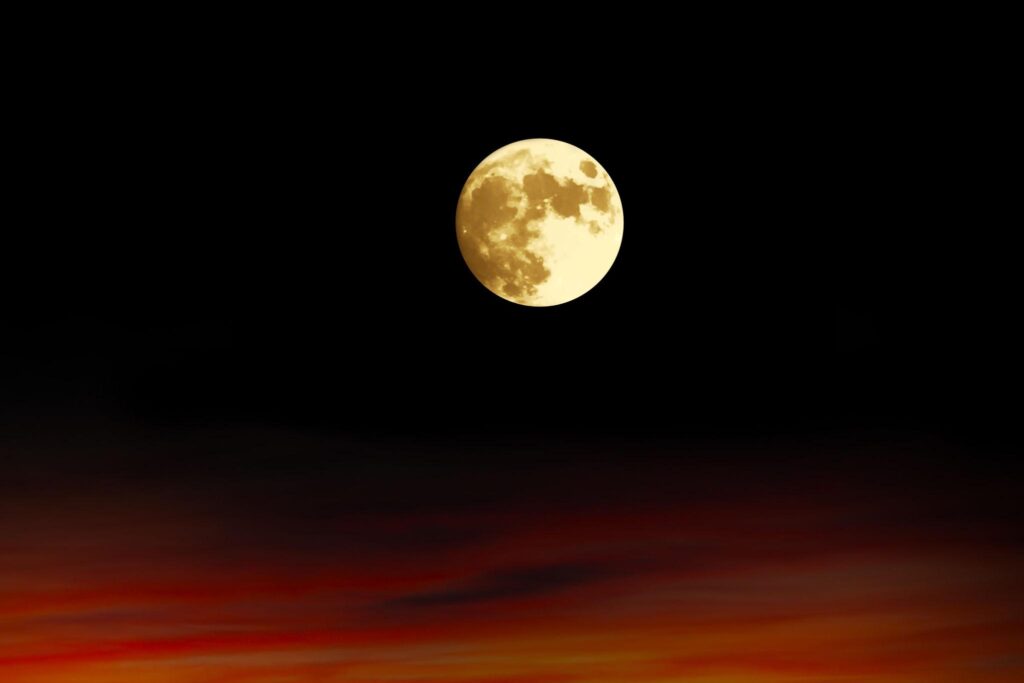
A large, bright moon appearing closer than usual.
Credit: Pexels
The Beaver Moon marks the time when beavers actively prepare for winter by building dams and storing food. It was also the season when people traditionally set traps before rivers froze.
In the Full Moon 2026 calendar, this is a Supermoon, meaning the Moon is closer to Earth and appears larger and brighter than usual.
With colder nights and clearer skies, the Beaver Moon often looks sharp and bright, making it one of the best full moons of the year for observation.
Cold Moon (December 24)
Credit: Pexels
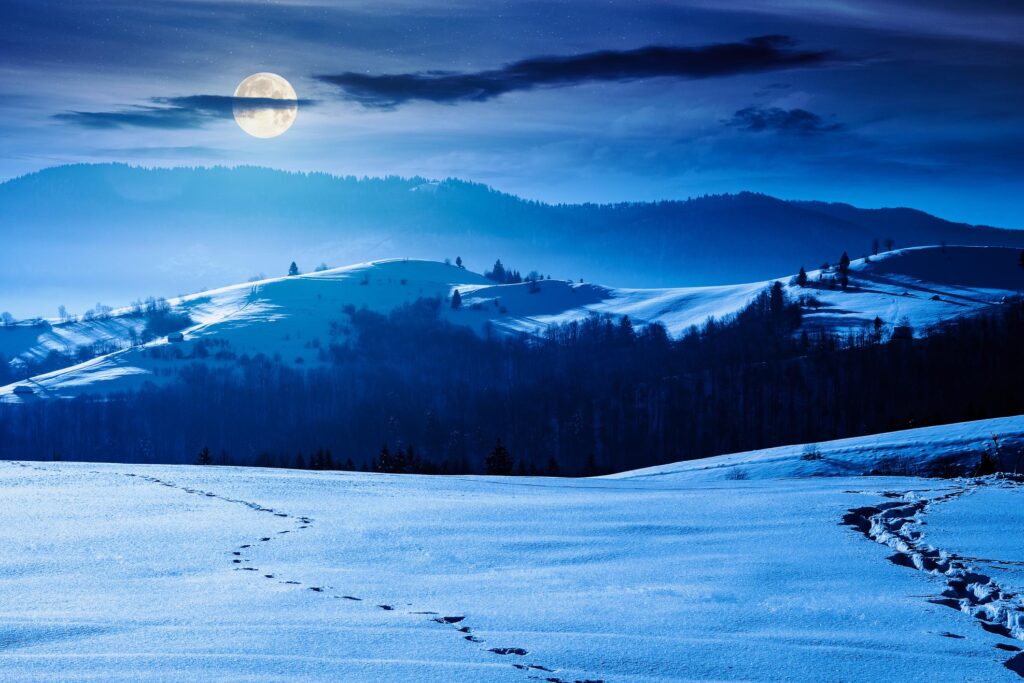
The Cold Moon marks the arrival of deep winter, with long nights and falling temperatures. The name reflects the coldest part of the year in the Northern Hemisphere.
In the Full Moon 2026 calendar, this is also a Supermoon, meaning the Moon appears larger and brighter as it is closer to Earth.
With crisp winter skies and less humidity, the Cold Moon often looks especially clear and bright, making it a perfect way to end the year of full moons.