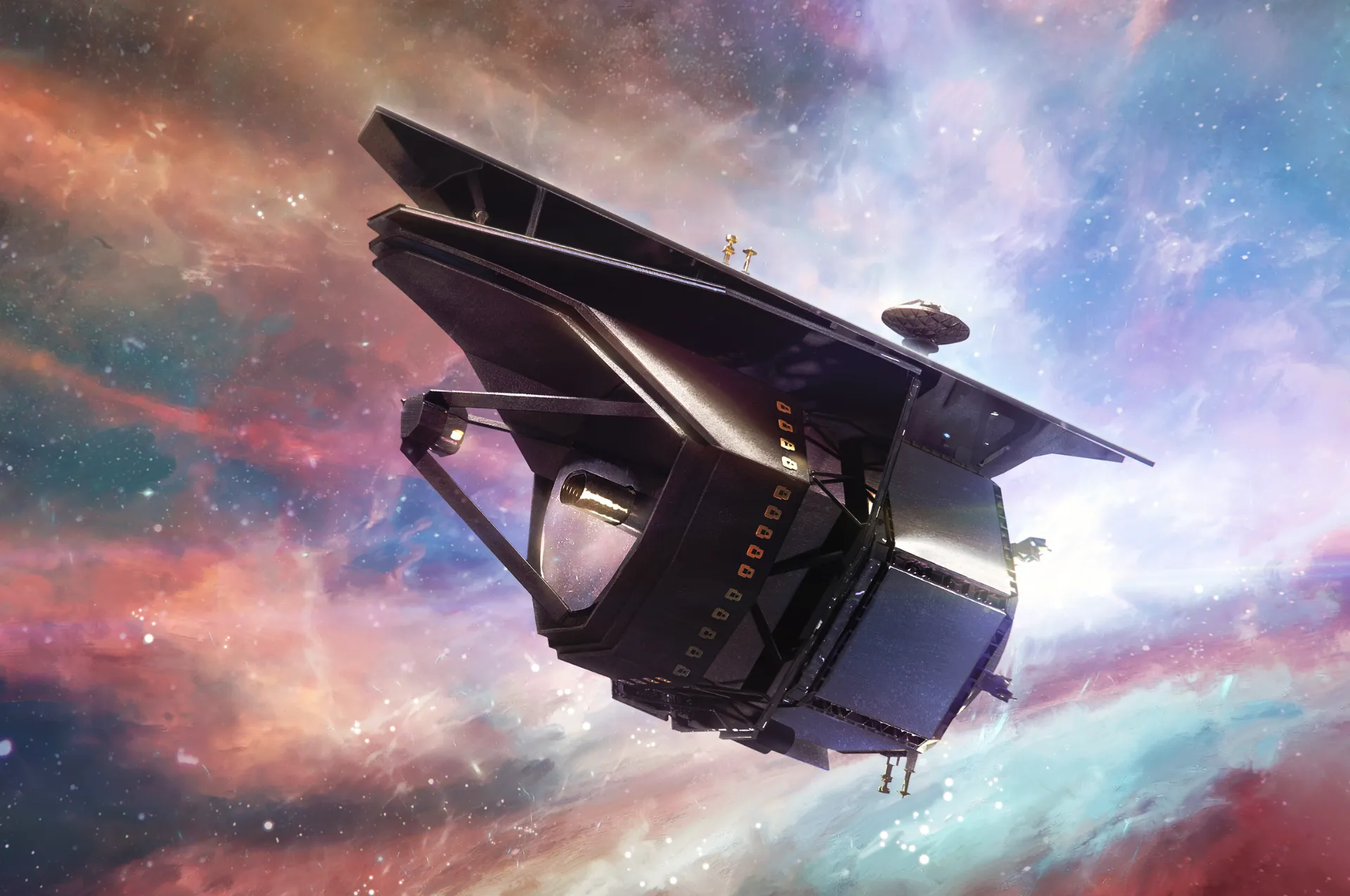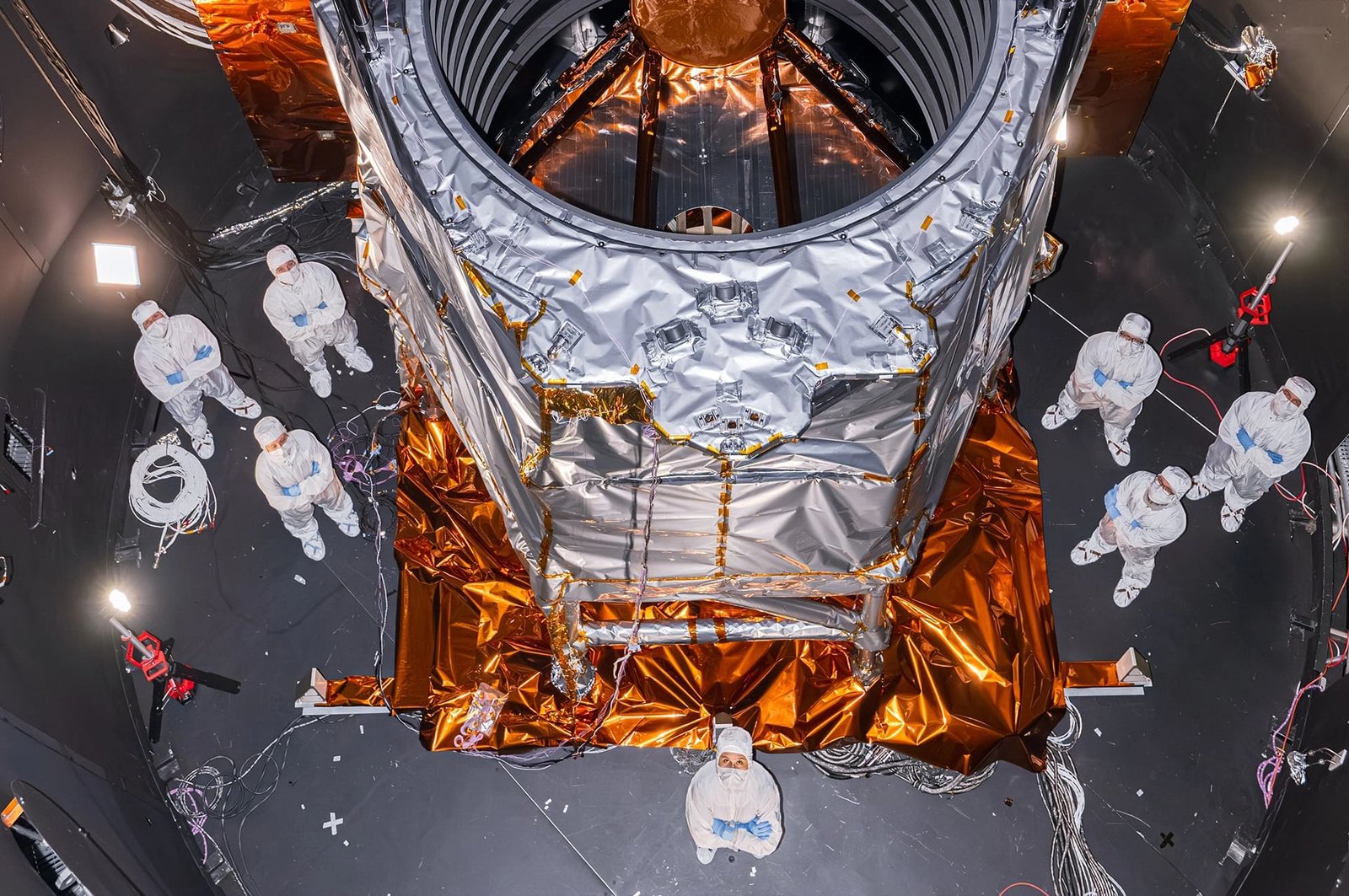
An artist’s concept of NASA’s Nancy Grace Roman Space Telescope, designed to capture wide-field images of the universe with high precision.
Credit: NASA
Roman Space Telescope: NASA’s Next Big Mission
The Roman Space Telescope is NASA’s upcoming space observatory designed to explore the universe on a much larger scale than ever before. Recently unveiled, this mission will help scientists study distant galaxies, dark energy, and planets beyond our solar system.
Named after astronomer Nancy Grace Roman, the telescope represents years of advanced engineering. Unlike older telescopes that focus on small areas, the Roman Space Telescope is built to scan wide regions of the sky quickly while still capturing detailed images.
NASA is targeting an early September 2026 launch, when the telescope will be sent into deep space aboard a SpaceX Falcon Heavy rocket. Once operational, it is expected to transform our understanding of the cosmos.
Where Will the Roman Space Telescope Be Located?
The Roman Space Telescope will be located at the Sun–Earth Lagrange Point 2 (L2), about 1.5 million kilometers from Earth. This is a special point in space where the gravitational forces of the Earth and the Sun balance out, allowing spacecraft to stay in a stable position with minimal fuel use.
Placing the Roman Space Telescope at L2 has major advantages. It provides a clear and uninterrupted view of deep space, away from Earth’s atmosphere and light interference. It also allows the telescope to maintain a stable temperature, which is important for sensitive instruments.
This is the same region where the James Webb Space Telescope operates, making L2 a key location for modern space observatories.
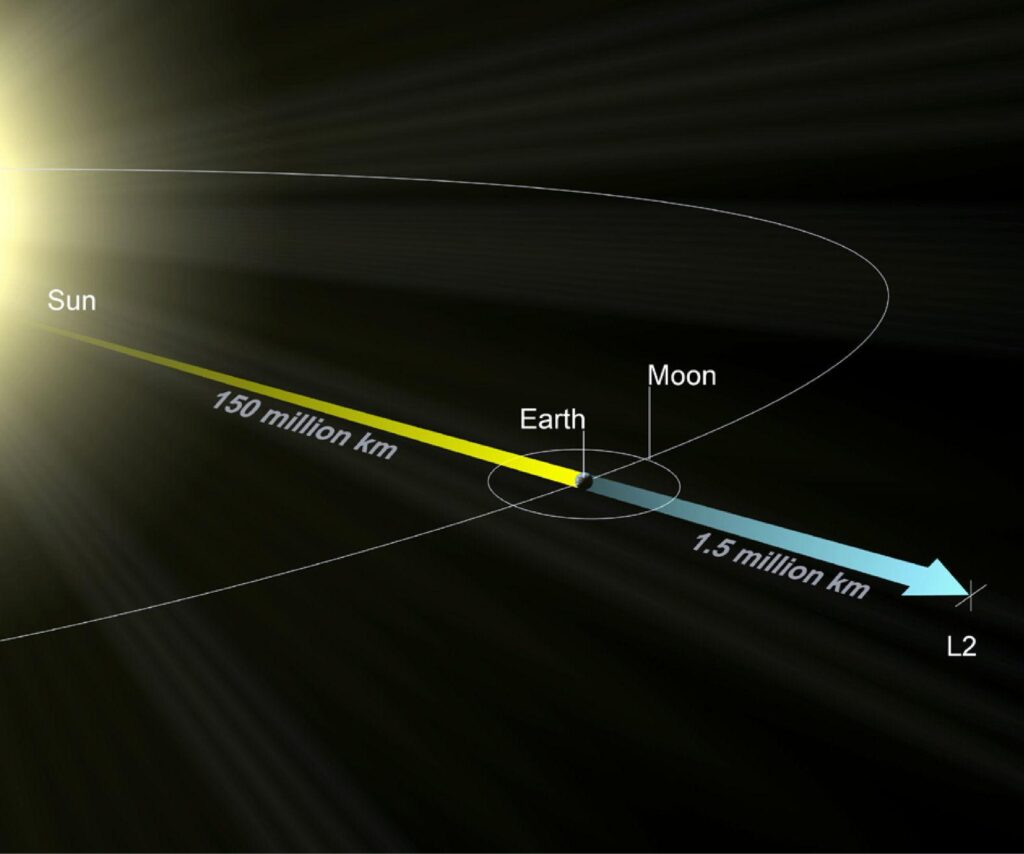
This diagram shows the Sun–Earth Lagrange Point 2 (L2), a stable location in space where telescopes like Roman can orbit while staying aligned with Earth and the Sun.
Credit: NASA / ESA
What Makes the Roman Space Telescope Unique?
A Wider View of the Universe
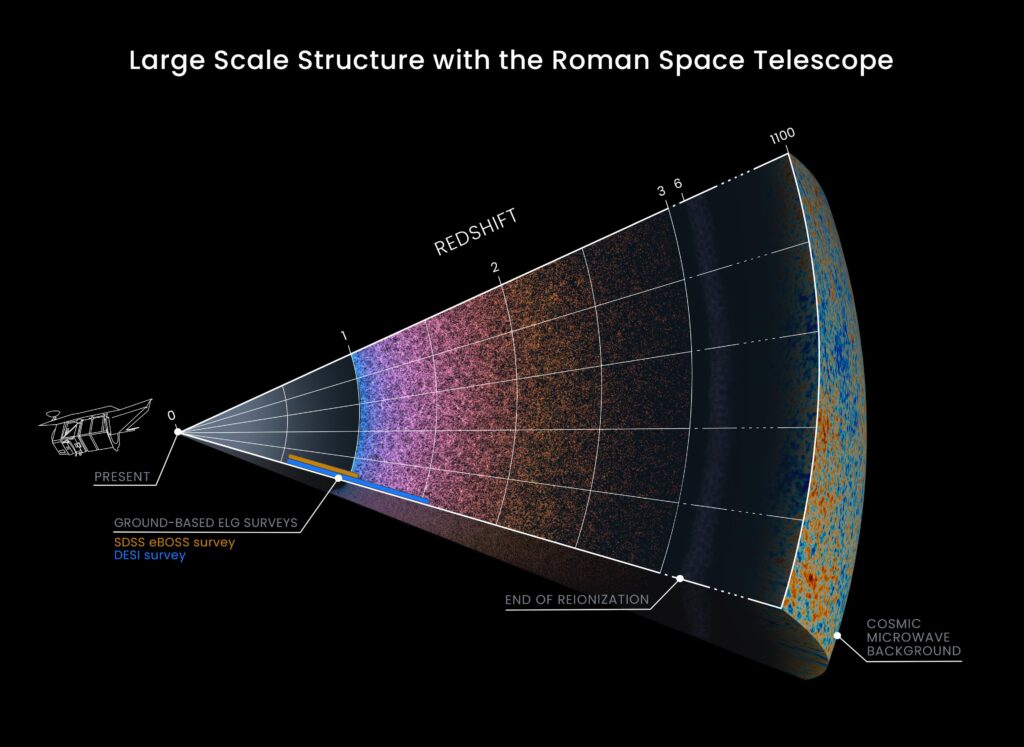
One of the most powerful features of the Roman Space Telescope is its wide field of view. It can capture images about 100 times larger than those taken by the Hubble Space Telescope.
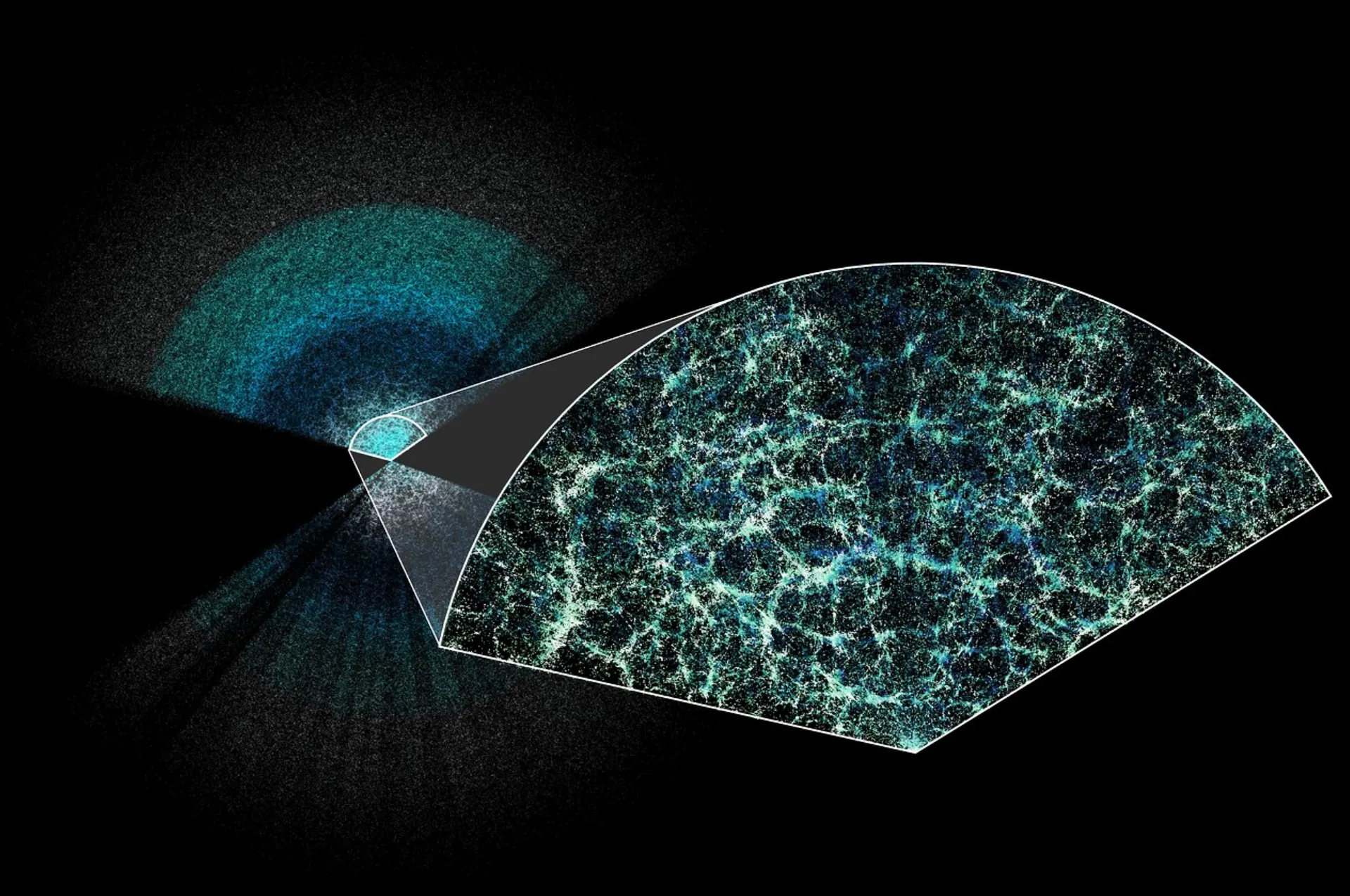
This allows scientists to scan massive regions of space quickly. Instead of focusing on small areas, Roman can observe entire sections filled with galaxies and cosmic structures in a single image.
Because of this, the telescope is expected to collect huge amounts of data and create detailed maps of the universe.
This comparison shows how the Roman Space Telescope can capture a much larger area of space in a single image compared to Hubble.
Credit: NASA
How the Roman Space Telescope Will Study the Cosmos
Searching for Planets and Cosmic Mysteries
The Roman Space Telescope will search for planets using gravitational microlensing. This method helps detect planets that are otherwise invisible by observing how gravity bends light.
Scientists expect it to discover thousands of new exoplanets, including some that may be similar to Earth. It will also study distant galaxies and supernovae to better understand how the universe is expanding.
What Comes Next for the Roman Space Telescope
The Roman Space Telescope is now in its final stages of preparation before launch. Once in space, it will work alongside telescopes like Hubble and James Webb, combining wide and deep observations.
This mission is expected to answer major questions about the universe, from the nature of dark energy to the search for Earth-like planets. With its powerful capabilities and strategic position at L2, the Roman Space Telescope is set to become one of NASA’s most important tools for exploring space.