Animals that have been to space played a crucial role in helping scientists understand how living beings react beyond Earth. Before humans ever left the planet, animals were sent on risky missions to test survival in extreme conditions like microgravity, radiation, and isolation. These early experiments helped shape modern space travel, but they also came with mixed outcomes, some animals survived while others did not.
From insects to mammals, each mission added valuable knowledge. Scientists studied how bodies adapt without gravity, how radiation affects cells, and whether reproduction is possible in space. These findings laid the groundwork for human spaceflight, making these animals an important part of space history.
Fruit Flies (1947)
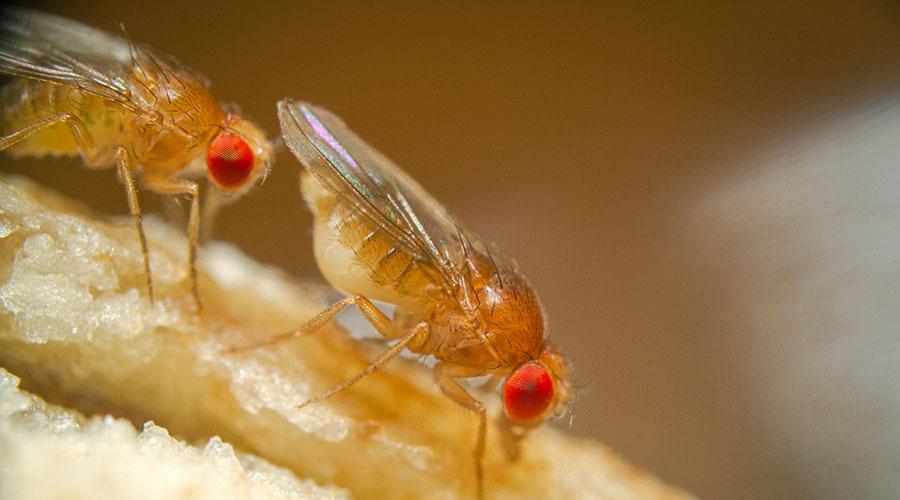
The first animals to travel to space were fruit flies. In 1947, scientists sent them on a rocket flight to study the effects of cosmic radiation.
They were chosen because their genes are similar to humans. The flies survived the trip and returned safely to Earth. This showed that living organisms could survive space exposure, especially radiation, and marked an important step before sending larger animals.
Laika the Dog (1957)
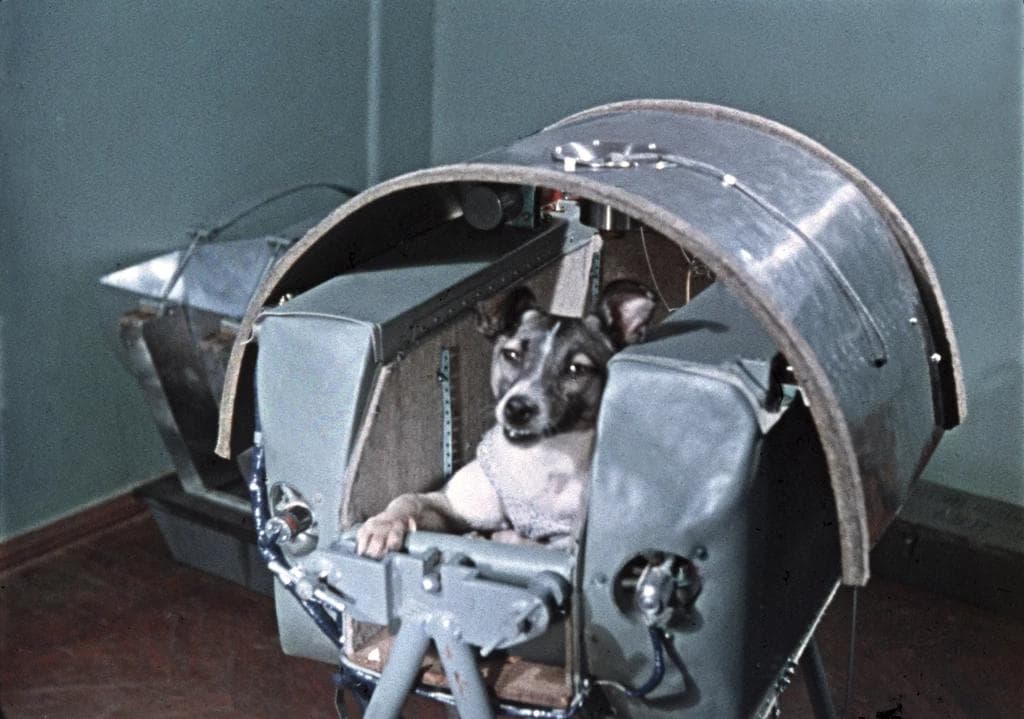
Laika is one of the most famous animals that have been to space. She was launched by the Soviet Union aboard Sputnik 2 and became the first animal to orbit Earth.
Laika proved that a living being could survive launch and weightlessness. However, the mission had no plan for return. She died within a few hours due to overheating. Despite this, her mission provided critical data that helped future human spaceflights.
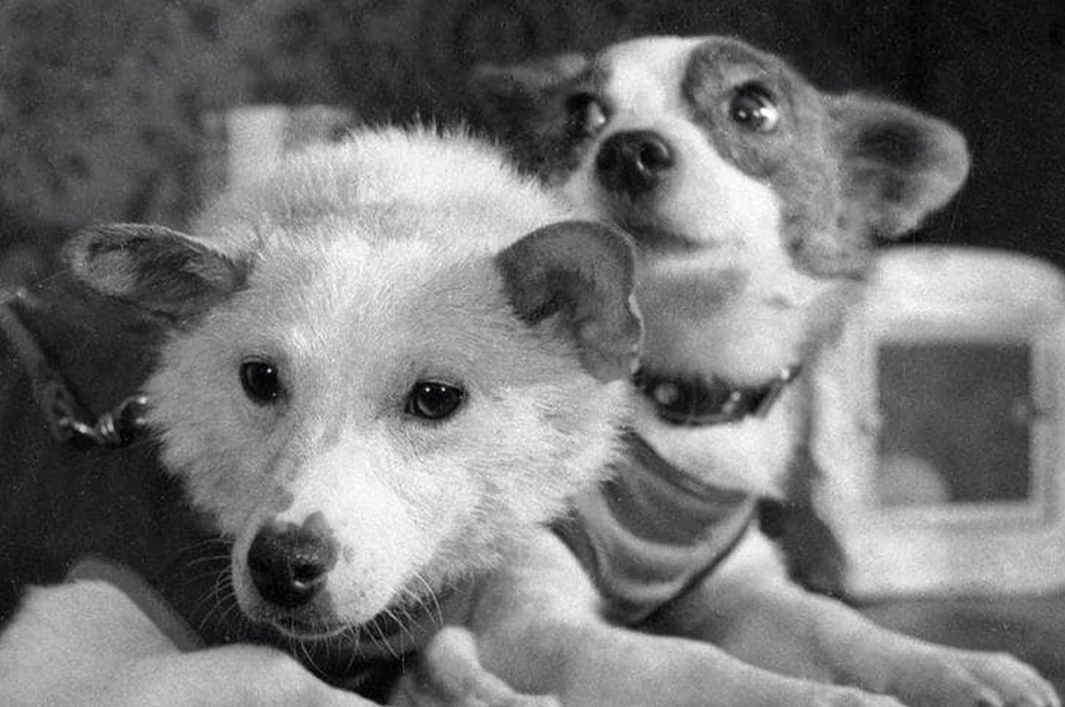
Belka and Strelka (1960)
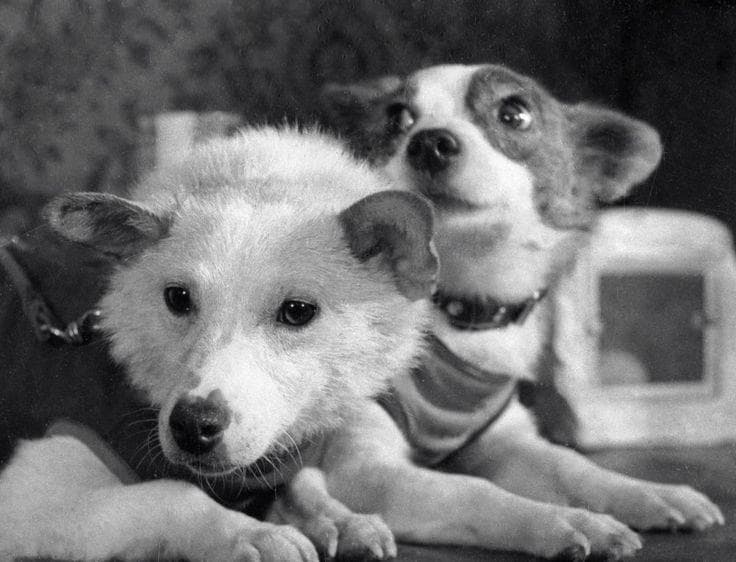
Belka and Strelka were two Soviet dogs who became the first animals to orbit Earth and return alive. Their mission lasted about a day.
Unlike Laika, they survived and lived normal lives afterward. One of Strelka’s puppies was even gifted to a U.S. president, symbolizing a moment of peace during the Cold War. Their success showed that longer space missions were possible.
Ham the Chimpanzee (1961)
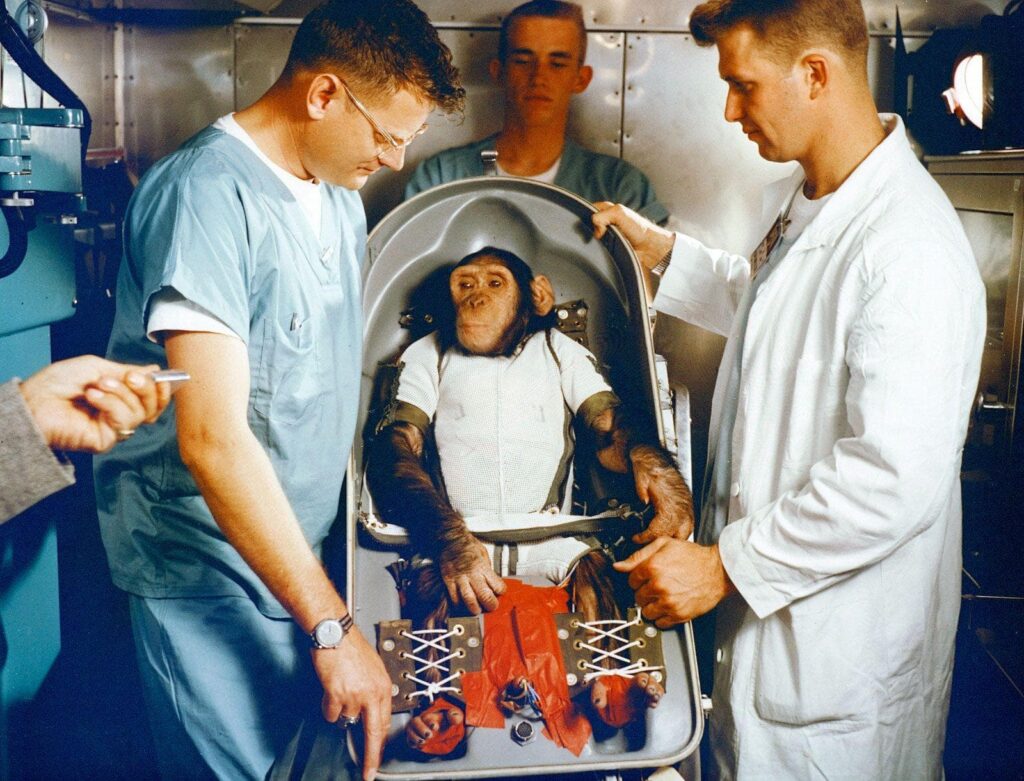
Ham was a trained chimpanzee sent to space by the United States. His mission tested whether a living being could perform tasks in space.
During the flight, Ham successfully pulled levers and completed tasks, proving that humans could function in microgravity. He returned safely and became a key step toward sending astronauts into space.
Two Tortoises (1968)
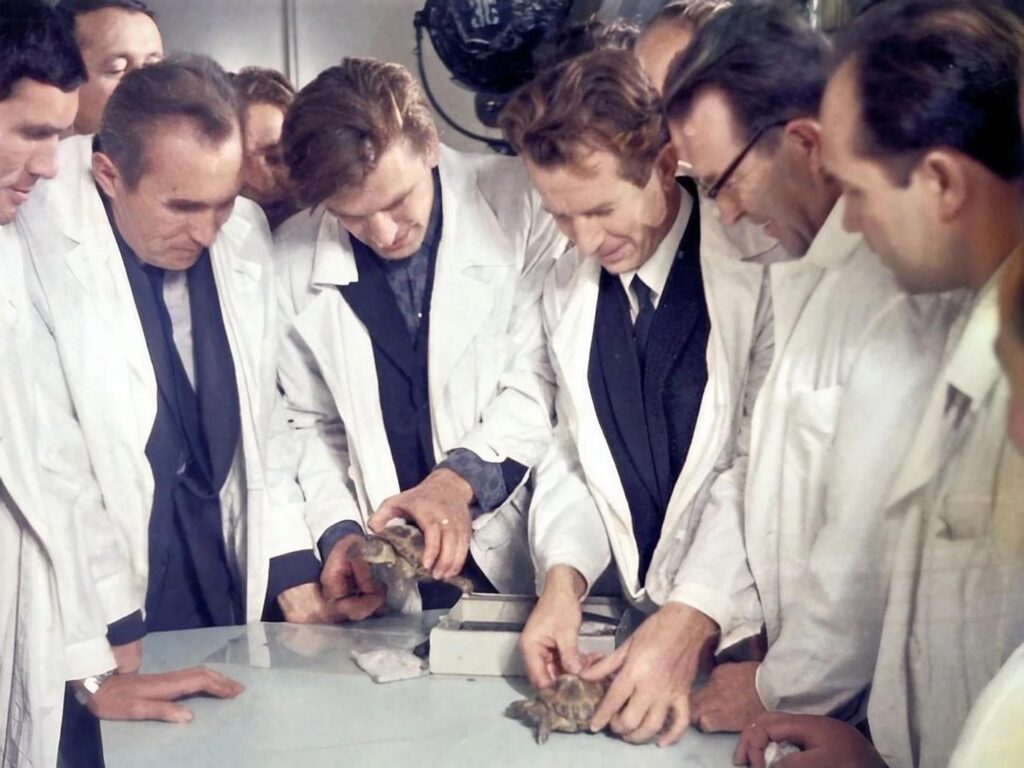
In 1968, the Soviet Union sent two tortoises on a mission around the Moon. They became the first animals to travel into deep space.
The tortoises survived the journey and returned to Earth after about a week. Although they lost some weight, they remained healthy. This mission proved that complex life forms could survive longer space travel beyond Earth orbit.
Jellyfish (1991)
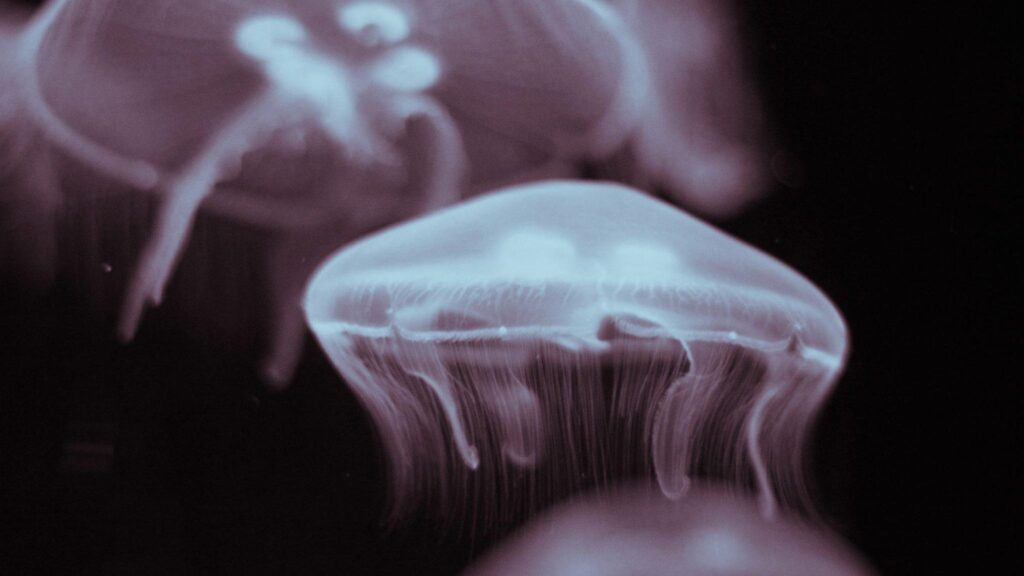
Thousands of jellyfish were sent into space to study how gravity affects development and movement.
In space, they reproduced quickly and adapted well to microgravity. However, after returning to Earth, many struggled to function normally. Their sense of balance had developed differently, showing how strongly gravity shapes life.
Cockroach (2007)
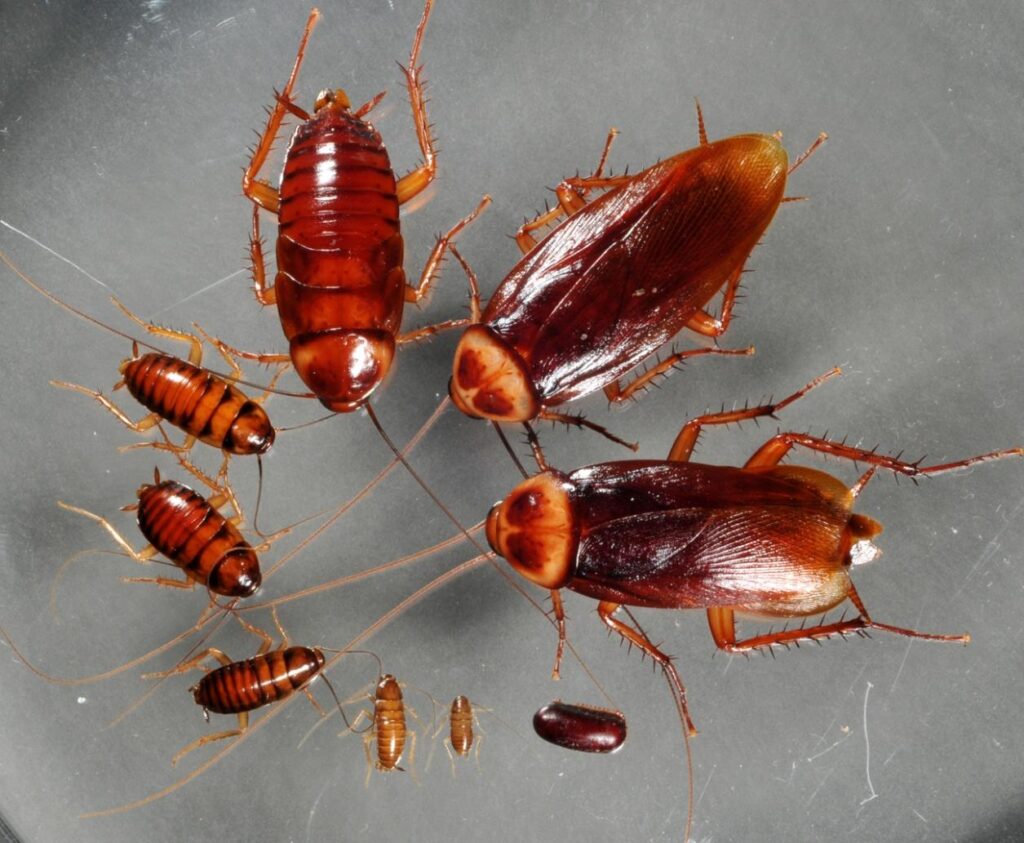
A cockroach named Nadezhda became one of the most unique animals that have been to space. She reproduced while in orbit.
This was one of the first recorded cases of reproduction in space. The offspring developed slightly faster and showed small physical differences. Scientists linked these changes to radiation and microgravity effects.
The Legendary Animals That Shaped Human Spaceflight
The history of animals that have been to space is both fascinating and complex. While some missions were successful, others raised ethical concerns that still matter today. Modern space agencies now rely more on advanced simulations and technology instead of animal testing.
Still, these early pioneers, whether flies, dogs, or even jellyfish, played a vital role in making space travel possible. Their journeys helped humans take the first steps beyond Earth, turning science fiction into reality.