The Largest 3D Map of the Universe is transforming our understanding of space like never before. This massive project has mapped 47 million galaxies and quasars, creating the most detailed cosmic view ever built. Instead of flat images, scientists can now explore the universe in three dimensions, revealing its true depth and structure.
This map was created using years of sky observations and advanced technology. Because light takes time to travel, looking deeper into space means looking back in time. Some of the objects in this map show the universe as it was billions of years ago, helping scientists understand how everything evolved.
How the Largest 3D Map of the Universe Was Created
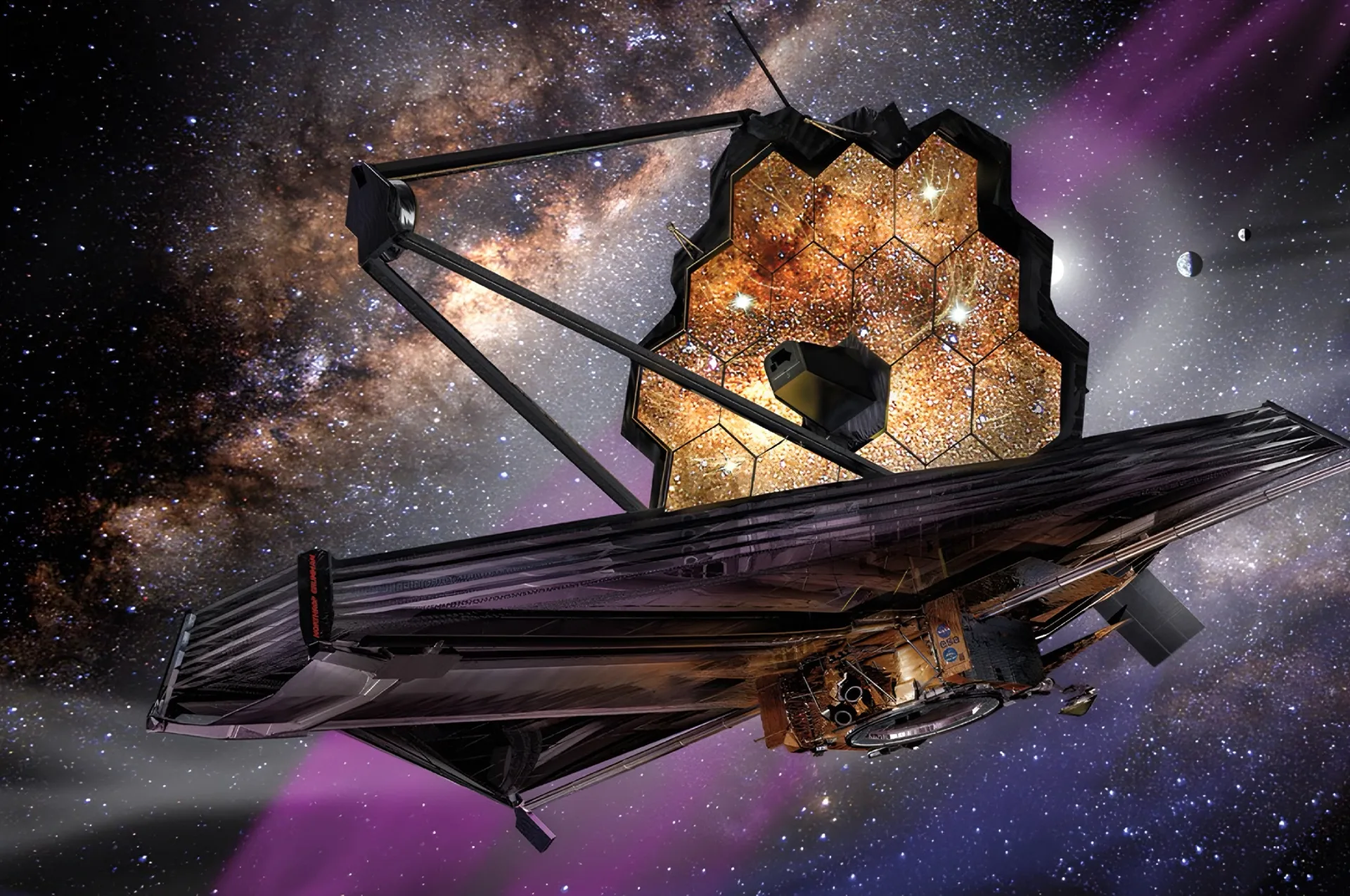
Building the Largest 3D Map of the Universe required powerful tools and precise measurements. Astronomers used the Dark Energy Spectroscopic Instrument (DESI), which can observe thousands of galaxies at once. This allowed them to collect data on 47 million galaxies and quasars across a huge portion of the sky.
The key method used is called redshift. As galaxies move away from Earth, their light stretches and shifts toward red wavelengths. By measuring this shift, scientists can calculate how far away each galaxy is and place it correctly in 3D space.
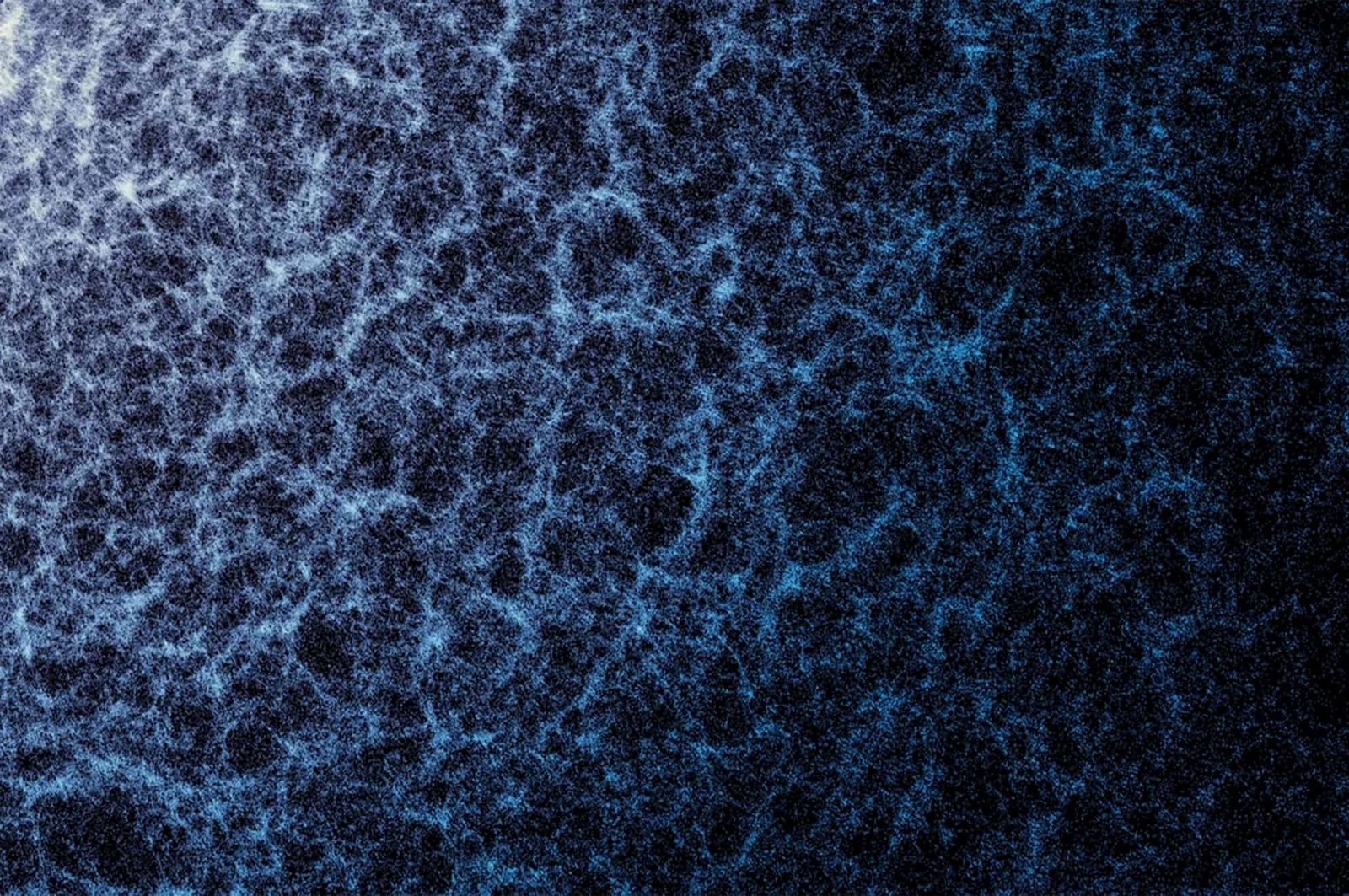
The final result is not just a map, but a timeline of the universe. It shows how galaxies formed clusters and how large structures like the cosmic web developed over billions of years.
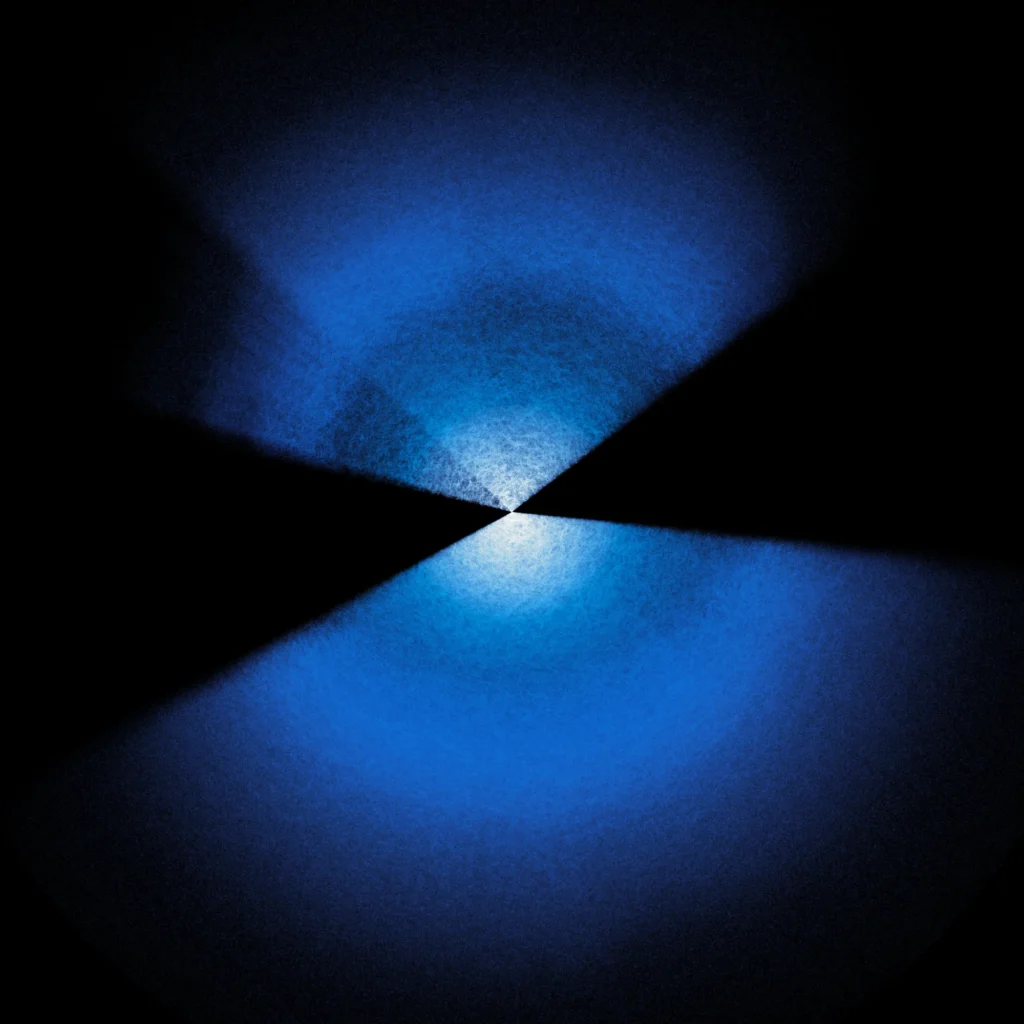
The largest ever 3D map of the universe, created by the now completed five-year DESI survey. Each dot represents a galaxy. Earth is the middle point.
DESI Collaboration and DESI Member Institutions/DOE/KPNO/NOIRLab/NSF/AURA/R. Proctor (image); M. Zamani/NSF NOIRLab
What the Map Reveals About Dark Energy
The Largest 3D Map of the Universe is especially important for studying dark energy. Dark energy is the mysterious force that is causing the universe to expand faster over time. Even though it makes up most of the universe, it is still not fully understood.
By analyzing the positions of 47 million galaxies and quasars, scientists can track how the universe has expanded across different time periods. The new map offers more accurate data than ever before, allowing researchers to test and refine their theories.
Early results suggest that dark energy may behave in unexpected ways. If confirmed, this could change how scientists understand the basic laws of the universe.
Why This Discovery Matters for Astronomy
The Largest 3D Map of the Universe is a major milestone in modern astronomy. Mapping 47 million galaxies and quasars gives scientists a clearer and more complete picture of the universe than ever before.
This discovery helps answer key questions about galaxy formation, cosmic structure, and the nature of dark energy. It also shows how far technology has come, turning a once impossible idea into reality.
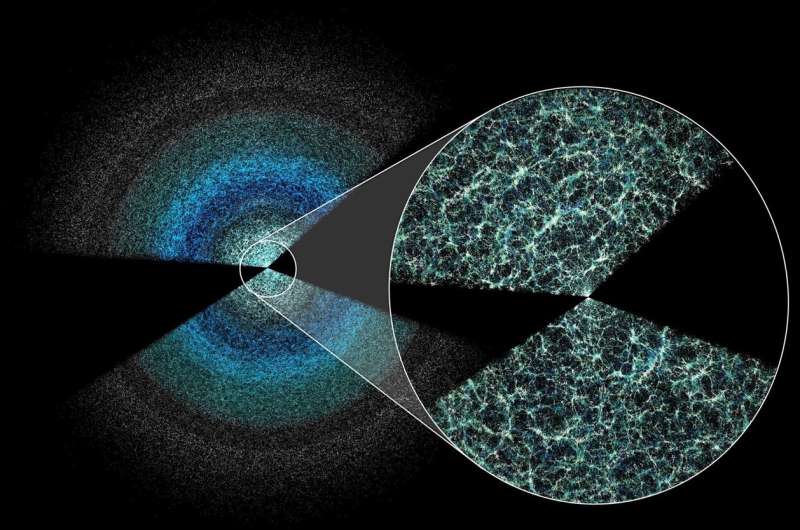
A thin slice of the map produced by the DESI five-year survey shows galaxies and quasars above and below the plane of the Milky Way. The universe’s large-scale structure is visible in the magnified inset. Earth lies at the center of the wedges, and the black gap marks where our own galaxy obscures distant objects. Light from the furthest galaxies shown is 11 billion years old by the time it reaches Earth.
Credit: University of Waterloo